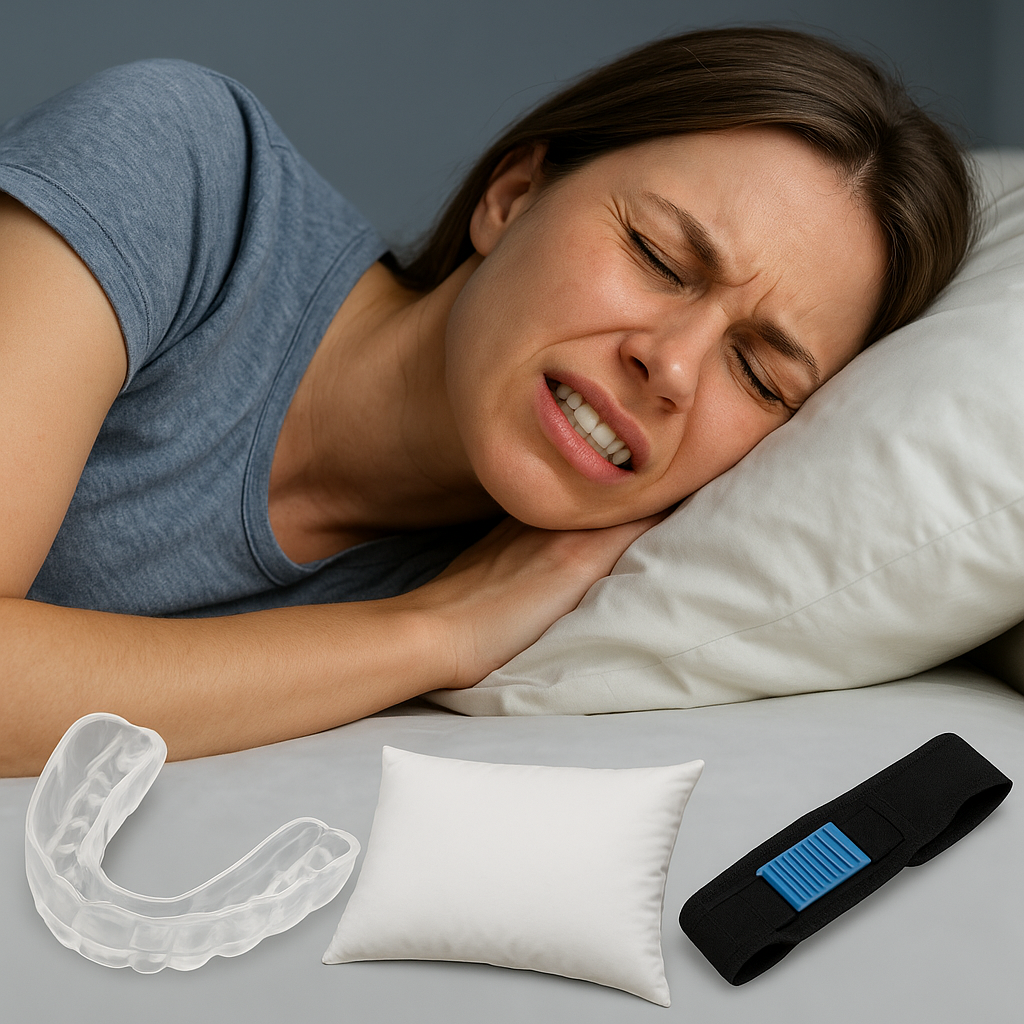
Teeth grinding, or bruxism, affects millions worldwide, often occurring during sleep and leading to various complications. Understanding its nature, causes, and available treatments is essential for both patients and dental professionals. This article explores effective strategies to help stop teeth grinding at night, ensuring optimal oral health and improved quality of life.
Understanding the Mechanism of Nocturnal Bruxism
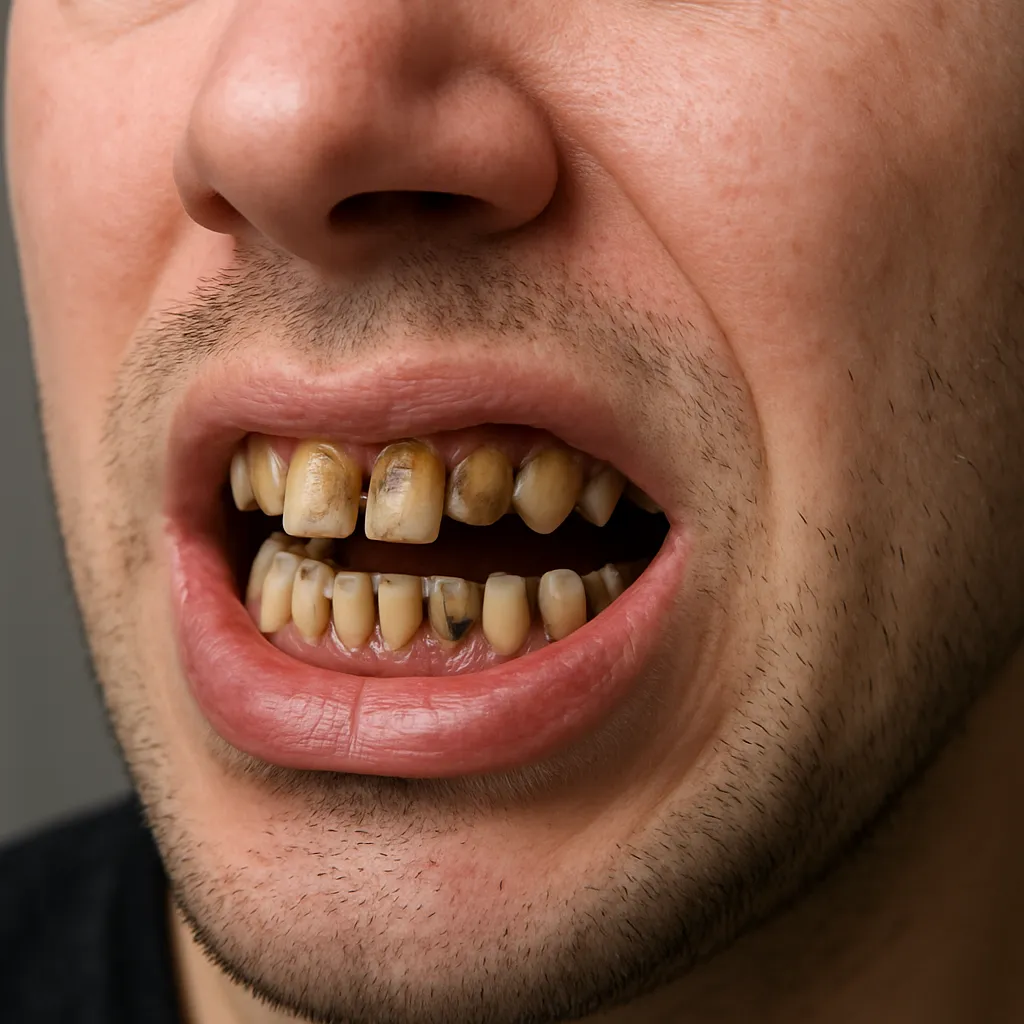
Nocturnal bruxism is an involuntary rhythmic or spasmodic activity of the masticatory muscles. It differs from daytime clenching in intensity and frequency, with episodes that can exceed 20–30 times per hour of sleep. The forces generated may surpass normal chewing pressure, resulting in enamel wear, tooth fractures, and TMJ disorders.
Physiological Factors
- Neurotransmitter imbalances: Alterations in dopamine and serotonin levels can increase muscle hyperactivity.
- Sleep stage correlation: Bruxism often peaks during light non-REM stages, linked to micro-arousals.
- Genetic predisposition: Family history suggests a hereditary component in bruxism susceptibility.
Dental and Occlusal Contributors
- Malocclusion: Misaligned teeth can disrupt occlusal harmony, triggering grinding reflexes.
- Missing or loose restorations: Defective crowns or bridges may alter the bite plane, stimulating compensatory jaw movements.
- High spots and premature contacts: Uneven surfaces can provoke involuntary muscle contractions to achieve a comfortable bite.
Identifying Causes and Risk Factors
Bruxism is multifactorial, involving both physical and psychological elements. A thorough evaluation by a dentist can help pinpoint personal triggers and tailor preventive measures effectively.
Psychological Influences
- Stress and anxiety: Tension can manifest as excessive jaw muscle activity during sleep.
- Personality traits: Competitive or hyperactive individuals tend to exhibit higher bruxism rates.
- Depression and mood disorders: Emotional disturbances often correlate with increased nocturnal muscle tension.
Systemic and Lifestyle Factors
- Caffeine and alcohol consumption: Stimulants and depressants can disrupt sleep architecture, intensifying grinding episodes.
- Smoking: Nicotine alters neuromuscular control and may exacerbate bruxism severity.
- Medications: Certain antidepressants and psychostimulants have been linked to increased risk of bruxism.
Professional Treatment Options
Dental clinicians offer a range of interventions, from simple occlusal appliances to advanced therapeutic modalities. Early intervention can prevent irreversible dental damage and improve overall comfort.
Occlusal Splints and Nightguards
- Soft versus hard splints: Custom-fitted hard acrylic guards are more durable and provide stable occlusal relationships.
- Full-coverage design: Ensures even force distribution and helps protect tooth surfaces from attrition.
- Adjustment protocol: Periodic check-ups allow fine-tuning of occlusion and guard fit.
Behavioral and Biofeedback Therapies
- Biofeedback devices: Monitor muscle activity and provide alerts when excessive tension is detected.
- Cognitive-behavioral techniques: Training patients to recognize and manage clenching habits during the day.
- Habit reversal: Combining relaxation methods with physical awareness exercises to reduce unconscious grinding.
Adjunctive Therapies
- Botulinum toxin injections: Temporarily weaken hyperactive masticatory muscles, reducing grinding force.
- Physiotherapy: Jaw stretching, massage, and low-level laser therapy can alleviate TMJ discomfort.
- Pharmacological interventions: Short-term use of muscle relaxants or anxiolytics under dental supervision.
Home Remedies and Lifestyle Modifications
Complementary at-home strategies play a crucial role in mitigating bruxism. They address both muscular tension and contributing lifestyle factors.
Relaxation and Stress Management
- Evening routines: Incorporate gentle stretching, deep-breathing exercises, or guided meditation to calm the nervous system.
- Progressive muscle relaxation: Sequentially tensing and relaxing muscle groups, focusing on the jaw and neck.
- Biofeedback apps: Smartphone-based tools can track stress levels and prompt timely relaxation breaks.
Dietary Adjustments
- Limit stimulants: Reduce or eliminate caffeine, especially after mid-afternoon.
- Avoid hard or chewy foods in the evening: Minimize additional strain on the masticatory muscles before bedtime.
- Hydration: Maintain adequate water intake to support muscle function and overall health.
Self-Massage and Warm Compresses
- Manual jaw massage: Use circular motions along the masseter and temporal muscles to release tension.
- Warm compress application: Place a warm towel on the side of the face for 10–15 minutes to improve blood flow.
- Trigger point therapy: Identify and gently press knots in the muscles to facilitate relaxation.
Preventive Strategies and Long-Term Maintenance
Ongoing care and regular monitoring are essential to ensure sustained relief from nocturnal teeth grinding. Collaboration between patient and dental professional fosters successful outcomes.
Regular Dental Evaluations
- Periodic occlusal analysis: Detect early signs of wear or bite changes and adjust interventions accordingly.
- Guard wear assessment: Check for cracks, warping, or hygiene issues and replace guards as needed.
- Documentation of symptoms: Track pain levels, sleep quality, and grinding frequency to guide treatment decisions.
Customized Treatment Plans
- Interdisciplinary approach: Work with psychologists, physiotherapists, and sleep specialists for comprehensive care.
- Gradual tapering of interventions: Once symptoms improve, reassess the need for continuous appliance use.
- Patient education: Empower individuals with knowledge about their condition, fostering adherence to recommendations.
Emerging Technologies
- Smart nightguards: Integrated sensors provide real-time feedback on grinding events.
- Tele-dentistry follow-ups: Remote monitoring allows timely adjustments and support.
- 3D printing: Enhances accuracy and turnaround time for customized splints and oral appliances.