Canker sores, also known as aphthous ulcers, can cause significant discomfort and disrupt daily routines such as eating and speaking. Effective management involves understanding their triggers, applying targeted remedies, and seeking professional advice when necessary. This article explores practical strategies to alleviate pain, accelerate recovery, and prevent recurrence, all within a dental context.
Understanding Canker Sores and Their Causes
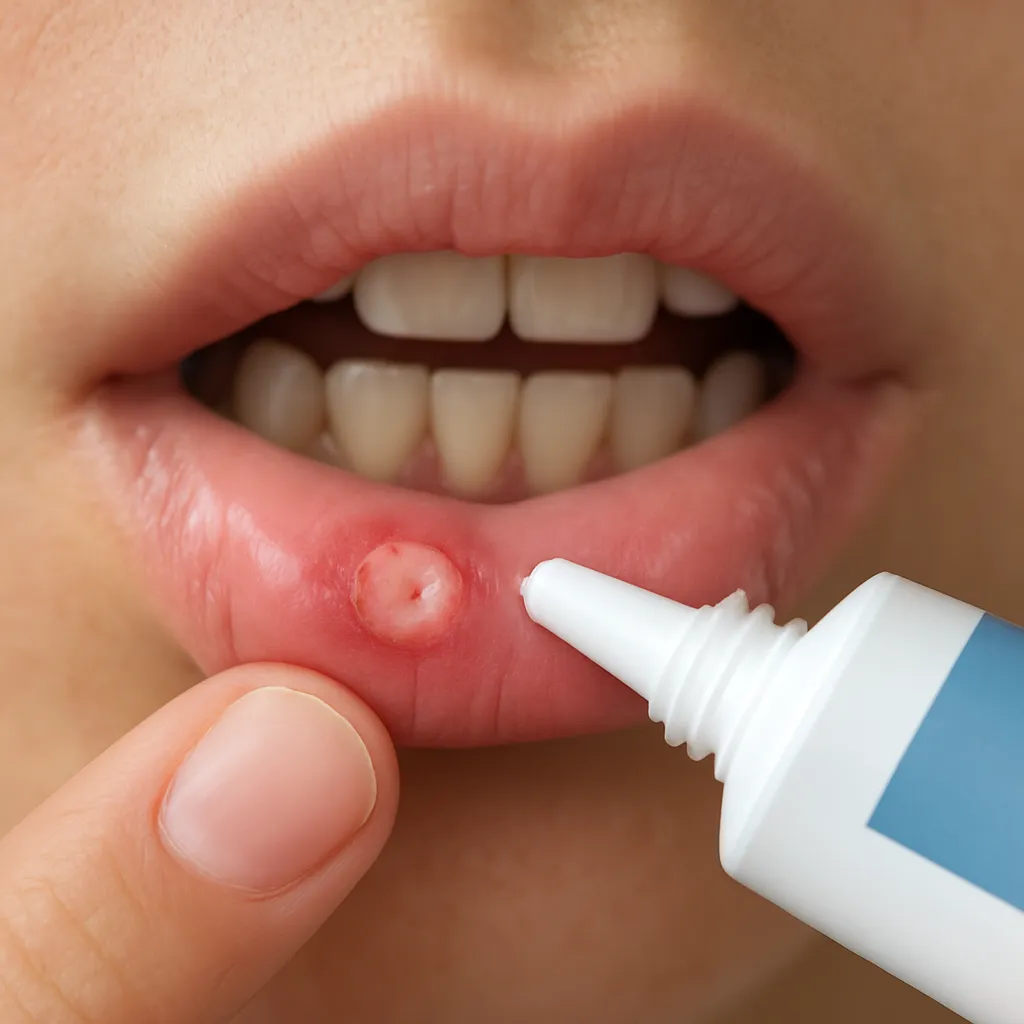
Canker sores are shallow lesions on the soft tissues inside the mouth. Unlike cold sores, they are not caused by a virus and are not contagious. Their exact origin remains unclear, but several factors can increase susceptibility:
- Stress or emotional upheaval
- Minor trauma from accidental bites or dental appliances
- Nutritional deficiencies, especially in iron, folic acid, and vitamin B12
- Hormonal fluctuations
- Food sensitivities to acidic or spicy items
- Underlying autoimmune conditions
Understanding these triggers allows dental professionals to tailor preventative advice. For instance, improving oral hygiene can reduce opportunistic bacterial growth that may exacerbate ulceration.
Effective Home Care Techniques for Ulcer Relief
Topical Applications
Applying the right agents directly to the sore can speed up recovery. A few recommended options include:
- Over-the-counter gels containing benzocaine or lidocaine for temporary numbness
- Antimicrobial mouthwashes that reduce bacterial load and support tissue repair
- A paste of baking soda and water to neutralize acids and soothe irritation
- Natural balms with honey, which has anti-inflammatory and wound-healing properties
Simple Rinses and Soaks
Regular mouth rinses can keep the area clean and reduce discomfort:
- Warm saltwater rinse: dissolve half a teaspoon of sea salt in a cup of warm water
- Baking soda rinse: mix one teaspoon of baking soda with a cup of warm water
- Hydrogen peroxide solution: equal parts hydrogen peroxide and water, applied gently with a cotton swab
Perform rinses four times daily, especially after meals, to help remove food debris and promote healing.
Professional Treatments and When to Consult a Dentist
Clinical Interventions
If home remedies fail to relieve severe pain or if an ulcer persists beyond two weeks, dental consultation is essential. Dentists may recommend:
- Prescription-strength corticosteroid gels to suppress immune-mediated damage
- Laser therapy targeting the ulcer bed to reduce pain and accelerate tissue regeneration
- Topical antibiotic ointments when secondary bacterial infection is suspected
Systemic Medications
In cases of recurrent or unusually large ulcers, systemic treatment may be considered:
- Oral corticosteroids to control aggressive inflammation
- Immunomodulatory agents like colchicine or thalidomide for chronic, refractory ulcers
- Vitamin and mineral supplements addressing nutritional deficiencies
Close monitoring by a dental professional ensures safe dosing and checks for side effects.
Preventive Strategies to Minimize Recurrence
Long-term management focuses on identifying personal triggers and reinforcing protective habits:
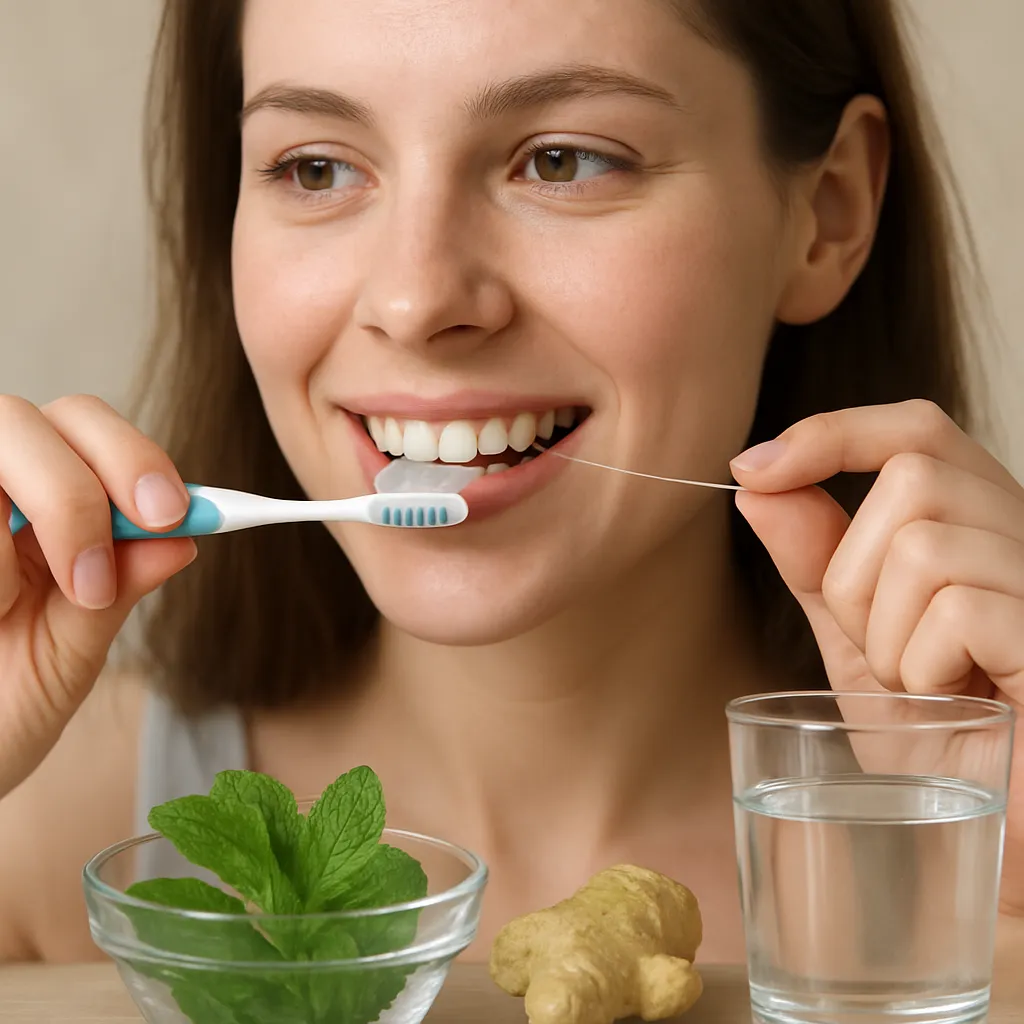
- Maintain rigorous oral hygiene with a soft-bristled toothbrush and mild toothpaste
- Avoid foods that irritate the mouth, such as nuts, citrus fruits, and chips
- Use a custom dental guard if ulcers result from accidental biting
- Practice stress-reduction techniques like meditation or yoga
- Stay hydrated; sip water or saline solutions throughout the day
- Ensure a balanced diet rich in vitamins B, C, and zinc
Applying a protective mouth coating at night can also shield the mucosa during sleep, preventing accidental damage.
Tackling Pain and Discomfort with Over-the-Counter Options
Managing acute pain helps patients maintain normal eating and speaking patterns:
- Analgesic gels and patches form a barrier over the sore
- Oral nonsteroidal anti-inflammatory drugs (NSAIDs) reduce both pain and inflammation
- Chewing sugar-free gum containing protective polymers to cover the ulcer
- Ice chips applied gently to the sore for brief numbing relief
Patients should follow package instructions carefully and consult a dentist if they experience prolonged discomfort or side effects.