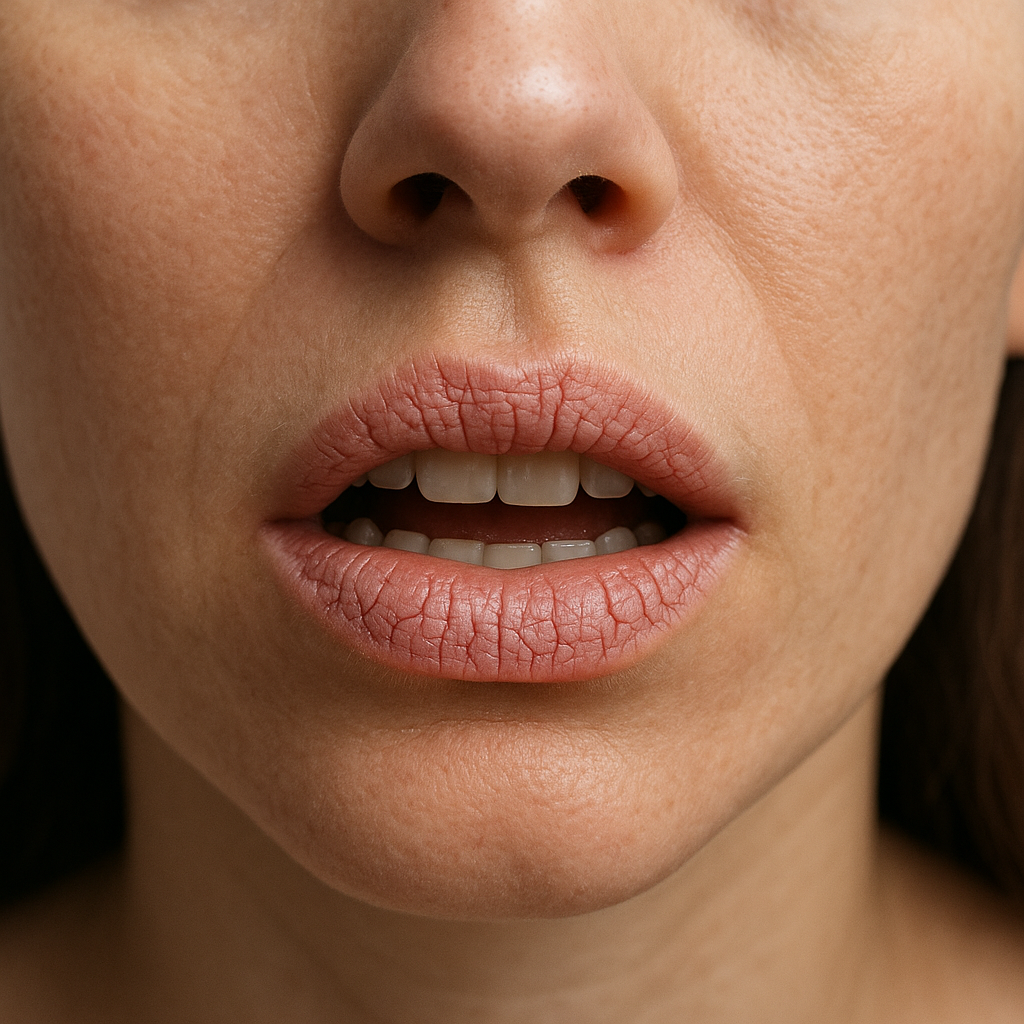
Maintaining optimal oral health involves more than brushing and flossing; it also requires proper fluid balance. When your body experiences dehydration, the effects extend to your mouth, compromising protective mechanisms and leading to a variety of dental concerns. This article explores how insufficient fluid intake affects the oral environment, outlines the underlying causes, examines potential complications, and offers practical strategies from the dental perspective to safeguard your smile.
Understanding the Role of Saliva
Physiology and Composition
Saliva is a complex fluid produced by salivary glands. It consists primarily of water, electrolytes, enzymes, and proteins. In a well-hydrated individual, these glands secrete 1 to 2 liters of fluid daily. Adequate saliva flow is essential to maintain pH balance, neutralize acids, and initiate digestion. When fluid levels drop, salivary output declines, reducing the mouth’s ability to defend itself against harmful agents.
Key Functions in Oral Defense
Saliva performs multiple protective roles. It washes away food debris, dilutes bacterial acids, and coats soft tissues to prevent irritation. Enzymes such as amylase begin the breakdown of carbohydrates, while antimicrobial proteins inhibit the growth of bacteria. Saliva also delivers crucial minerals like calcium and phosphate to the tooth surface, strengthening the enamel and aiding remineralization. A decrease in saliva compromises all these functions at once.
Causes of Oral Dehydration
Systemic Dehydration
General body dehydration directly affects salivary gland performance. When you lose more fluids through sweating, illness, or inadequate water intake, the body prioritizes vital organs over saliva production. As a result, the mouth becomes dry, making it harder to speak, chew, or swallow comfortably.
Medications and Medical Conditions
Certain medications—antihistamines, decongestants, antidepressants, and diuretics—commonly list dry mouth as a side effect. Chronic diseases such as diabetes or Sjögren’s syndrome further impair glandular function, leading to persistent xerostomia, the clinical term for chronic dry mouth. Dentists must consider these factors when diagnosing unexplained oral dryness.
Lifestyle Contributors
- Excessive alcohol consumption
- Smoking or tobacco use
- High-caffeine beverages
- Inadequate plain water intake
- High-sugar or high-acid diets
These habits can exacerbate fluid loss or acid production, further reducing saliva’s protective capacity.
Effects of Dehydration on the Oral Cavity
Elevated Risk of Cavities and Gum Disease
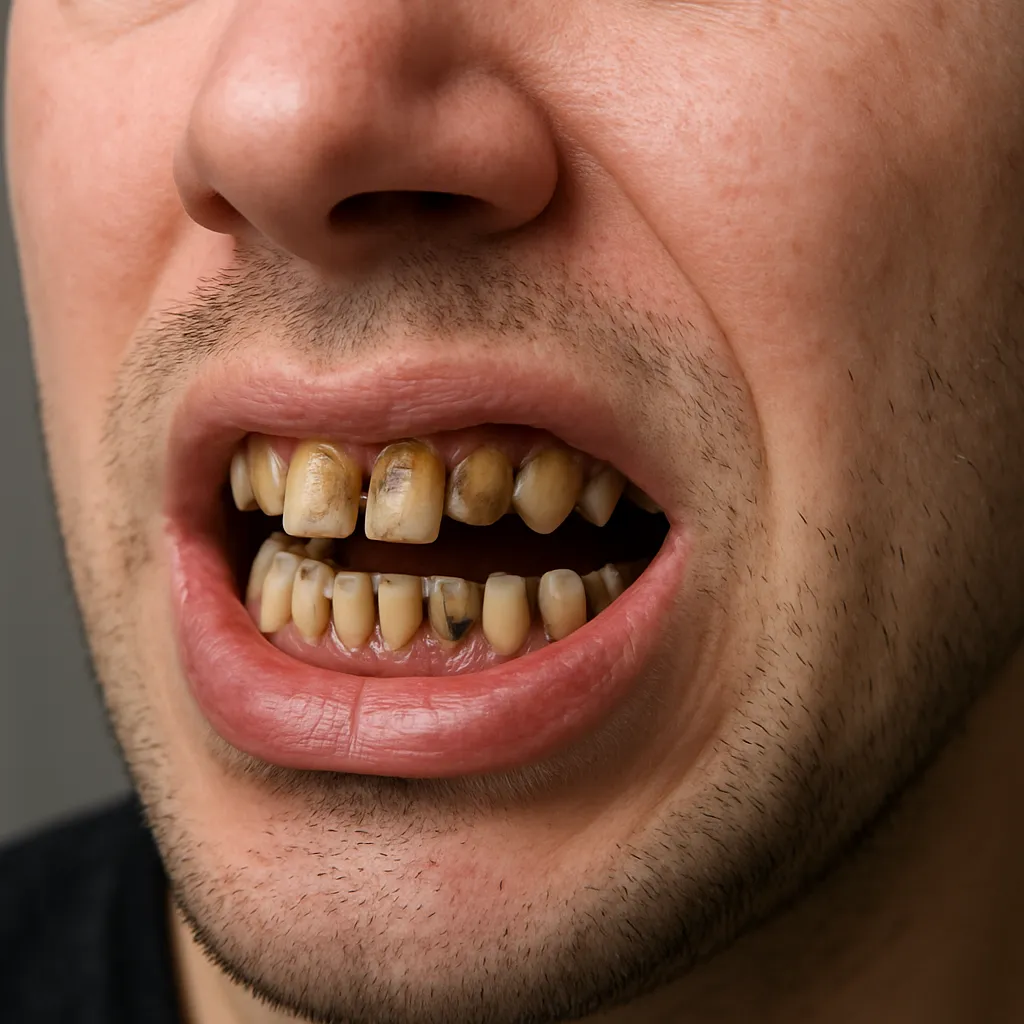
Reduced saliva allows acidogenic bacteria to thrive, increasing acid attack on enamel and raising the incidence of cavities. Without adequate fluid to flush food particles and neutralize pH, plaque accumulation accelerates, promoting inflammation of the gingiva and paving the way for gum disease. In advanced cases, this leads to bleeding, recession, and potential tooth loss.
Soft Tissue Complications
Dry mucosal surfaces can become cracked, irritated, and prone to infection. Patients often report a burning sensation or soreness on the tongue and inner cheeks. In severe dryness, ulcerations and fissures can develop, creating portals of entry for pathogens.
Taste Alterations and Difficulty Swallowing
Saliva carries taste molecules to the receptors on the tongue. In its absence, flavors may seem muted or distorted. Chronic dryness also complicates the formation of a cohesive food bolus, leading to discomfort while chewing or swallowing and potentially impacting nutritional intake.
Prevention and Management Strategies
Daily Hydration Habits
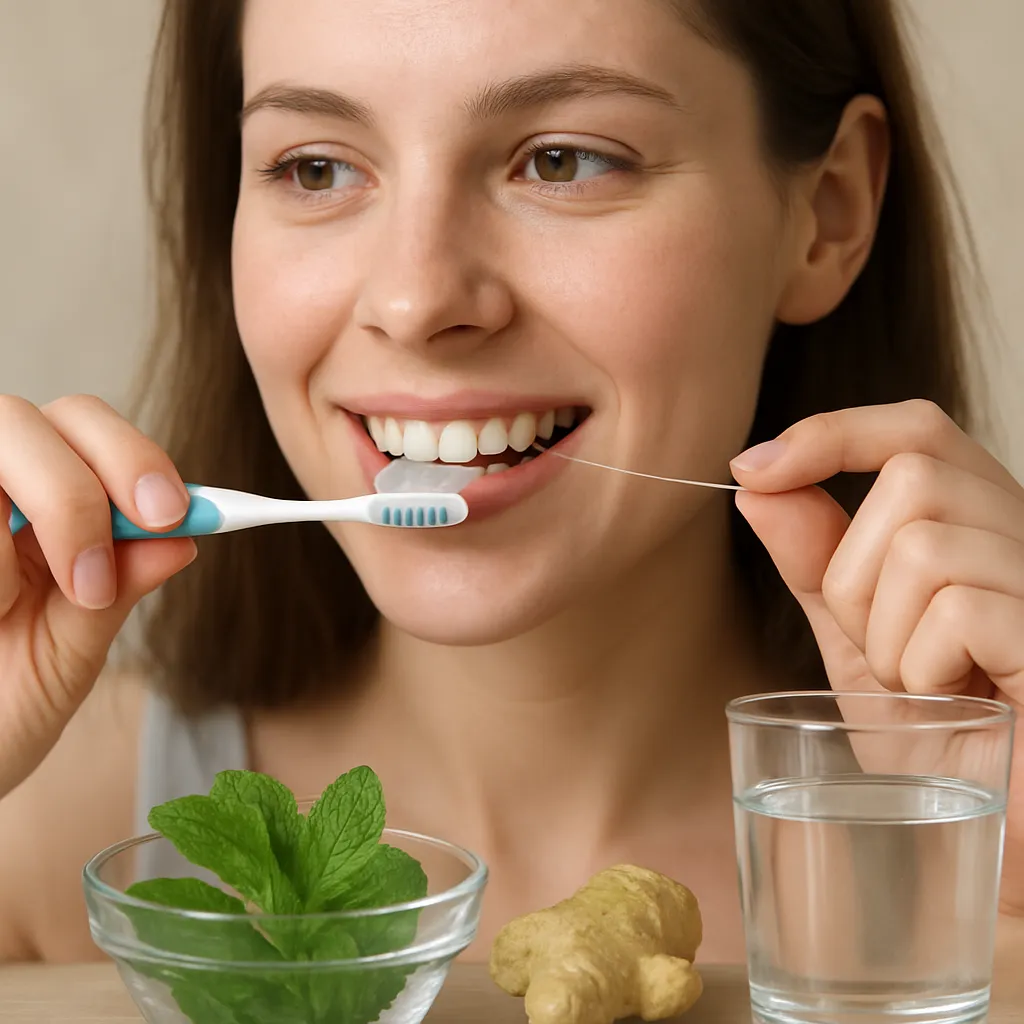
Encouraging patients to sip water consistently throughout the day is the simplest intervention. Aim for eight to ten 8-ounce glasses of plain water daily, adjusting for activity levels and climate. Limit diuretics such as coffee and alcohol, or balance them with extra water to offset fluid loss.
Clinical Interventions
- Prescription mouthwashes formulated for xerostomia.
- Saliva-stimulating lozenges or chewing gums containing xylitol.
- Topical gels and sprays, including formulations of artificial saliva, to coat and soothe tissues.
- Fluoride varnishes and high-fluoride toothpaste to strengthen enamel in low-saliva environments.
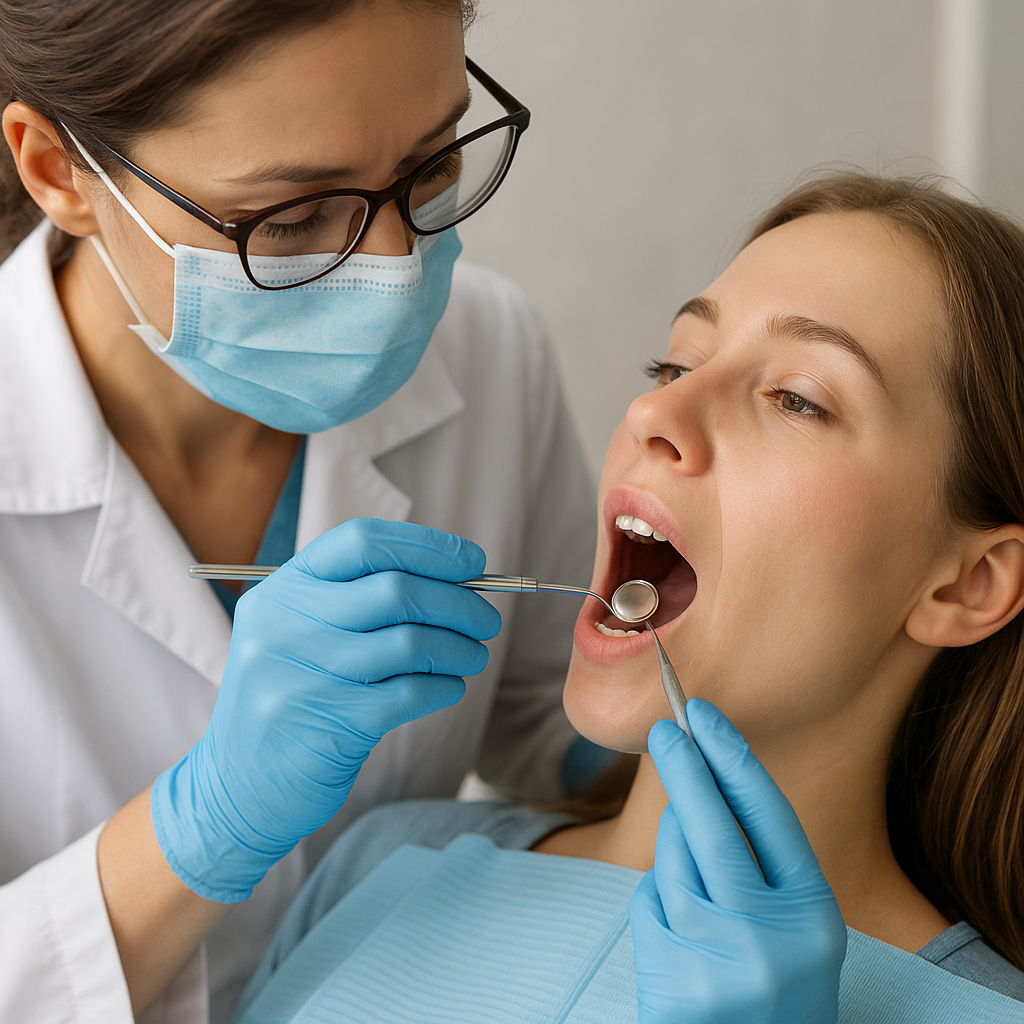
Dental professionals can customize regimens based on severity, offering chairside fluoride applications or recommending at-home remineralization aids.
Recommendations from Dental Professionals
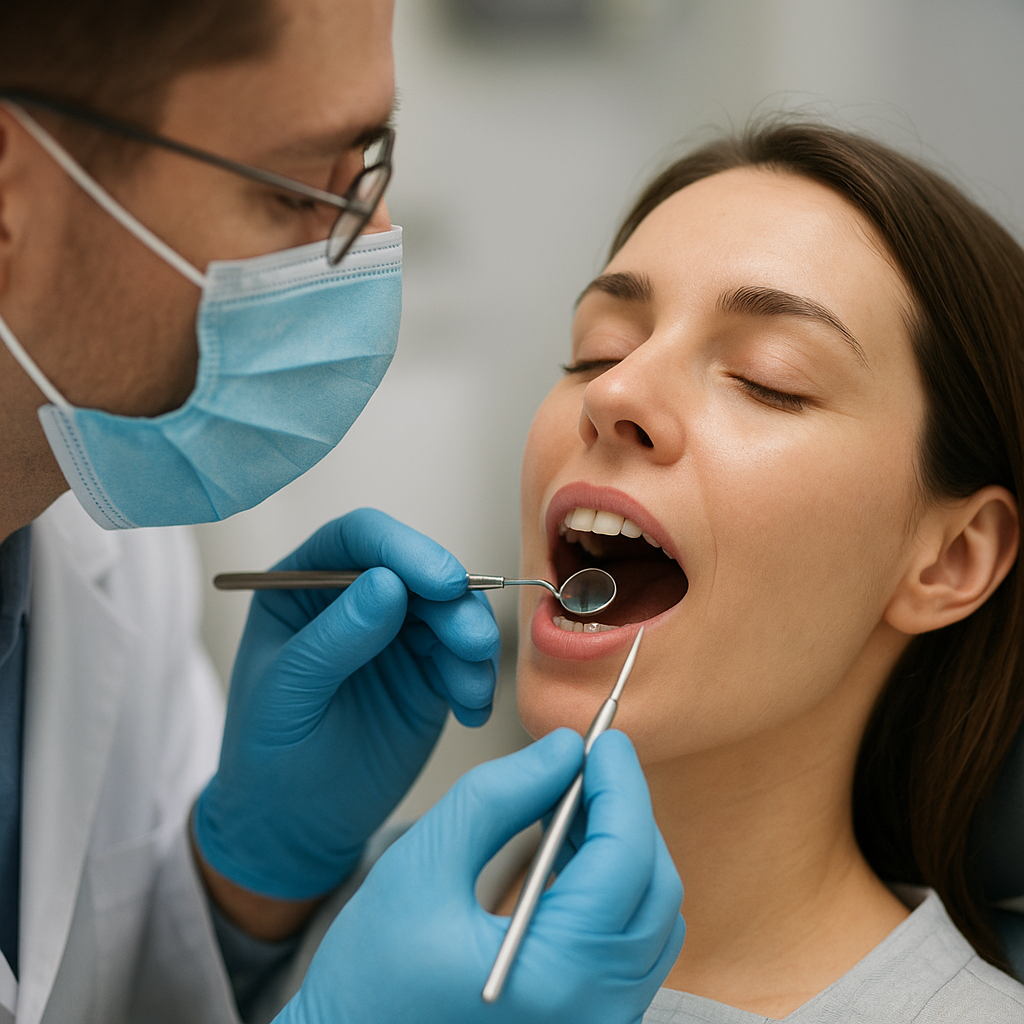
Regular dental check-ups are critical to monitor for signs of dry mouth complications. Dentists may measure salivary flow rates or perform pH testing. They can also adjust medication plans in collaboration with primary care physicians to minimize oral side effects. Patient education on proper oral hygiene, including gentle flossing and non-alcoholic antimicrobial rinses, helps prevent plaque buildup when saliva is scarce.
Maintaining Long-Term Oral Wellness
An integrated approach combining lifestyle adjustments, targeted dental therapies, and routine monitoring ensures that the mouth remains a resilient environment even in the face of fluid challenges. By recognizing the signs early and intervening promptly, dental professionals play a vital role in preventing the chain reaction of complications triggered by inadequate hydration. Empowering patients with knowledge and tools to manage oral dryness preserves their comfort, function, and overall oral health for years to come.