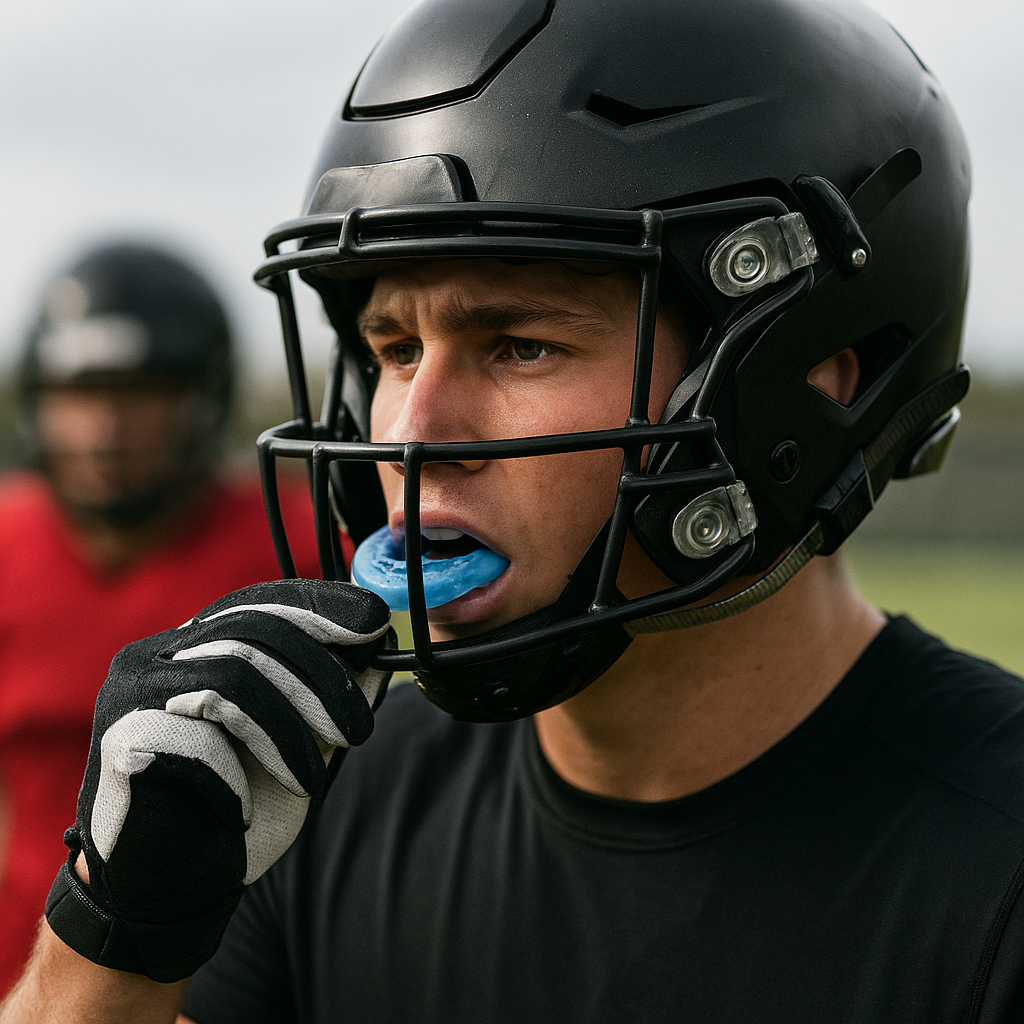
In the realm of sports dentistry, mouthguards play an indispensable role in safeguarding athletes’ oral health. Whether competing on a football field, basketball court, or in a boxing ring, individuals face significant risk of dental trauma from sudden impacts. A well-designed mouthguard not only prevents chipped or knocked-out teeth but also reduces the likelihood of jaw fractures and soft-tissue injuries. This article delves into the multifaceted benefits of mouthguards, explores the various types available, highlights the critical role dentists fulfill in delivering personalized devices, and offers guidance on proper care and maintenance.
Benefits of Mouthguards
Protection Against Dental Injuries
One of the primary purposes of a mouthguard is to absorb and distribute the force of an impact, thus shielding the teeth and surrounding oral structures. When an athlete collides with another player or the ground, rigid forces can cause:
- chipped or fractured teeth
- lacerations to lips, cheeks, and tongue
- concussions from transmitted shock
By cushioning the blow, a quality mouthguard serves as a barrier, significantly reducing both the severity and frequency of these injuries.
Enhancing Athletic Performance
While many view mouthguards solely as protective devices, they can also contribute positively to an athlete’s performance. Properly fitted mouthguards:
- Promote better breathing by maintaining optimal jaw position
- Reduce muscle tension in the neck and shoulders
- Enhance focus by minimizing discomfort from potential impacts
These subtle improvements help athletes maintain peak condition throughout training sessions and competitive events.
Types of Mouthguards
Stock Mouthguards
Stock mouthguards are pre-formed and ready-to-wear directly out of the package. They are the least expensive option but tend to offer the poorest fit. Because they cannot be altered, athletes often find them:
- Too bulky or loose
- Uncomfortable to speak and breathe through
- Less effective at shock absorption
Their generic design makes them a last resort for those seeking only minimal protection.
Boil-and-Bite Mouthguards
Boil-and-bite models strike a balance between affordability and custom fit. Athletes soften these guards in hot water, then bite into the material to form a semi-custom shape. Advantages include:
- Improved comfort over stock versions
- Moderate ability to stay in place during activity
- Enhanced protection due to closer adaptation to dental arches
However, they still may lack the precision and durability of dentist-fabricated alternatives.
Custom-Fitted Mouthguards
Custom mouthguards represent the gold standard in sports protection. Crafted by dental professionals based on precise impressions of the athlete’s oral anatomy, these devices offer:
- Optimal fit with minimal bulk
- Superior shock absorption
- Enhanced comfort, allowing for clear speech and unrestricted breathing
- Long-lasting durability due to high-quality materials
Athletes who wear custom-fitted guards benefit from both maximum safety and performance readiness.
Role of Dentists in Custom Fitting
Initial Assessment and Impressions
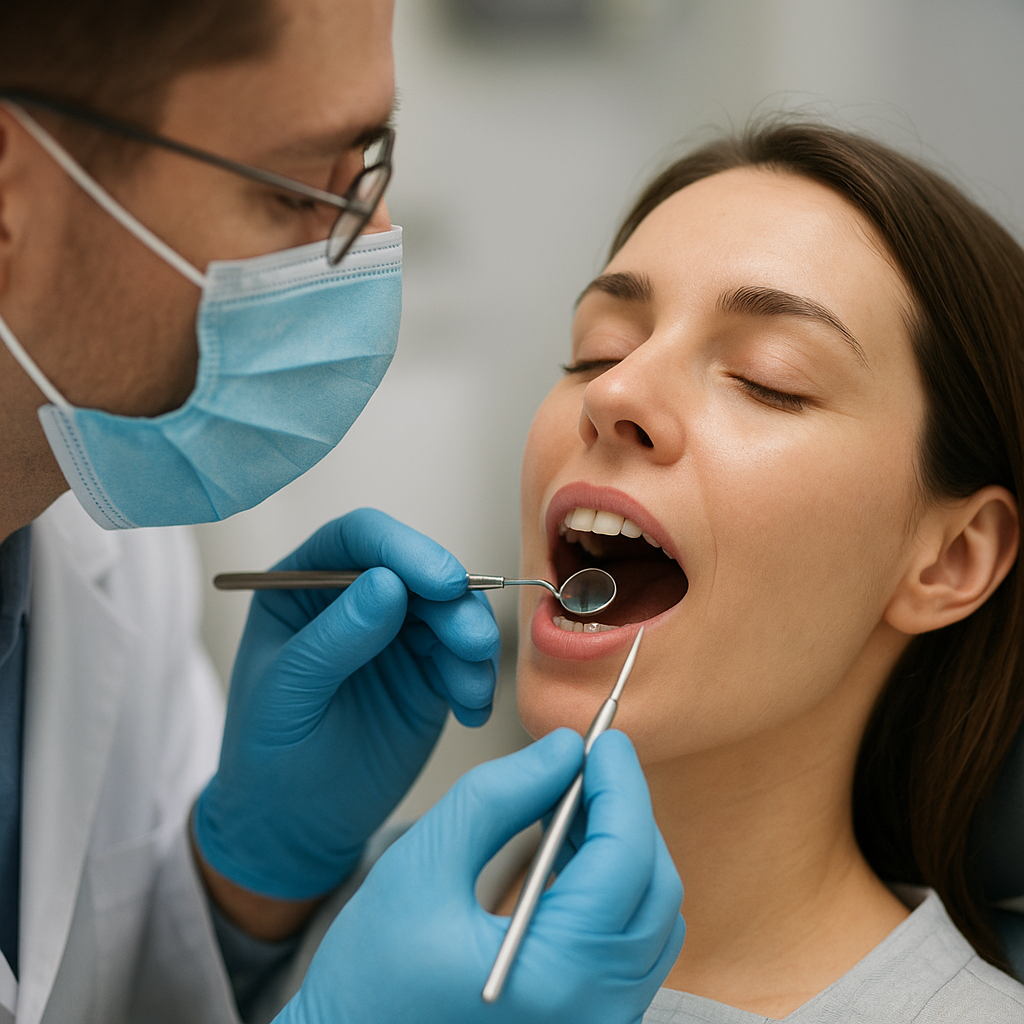
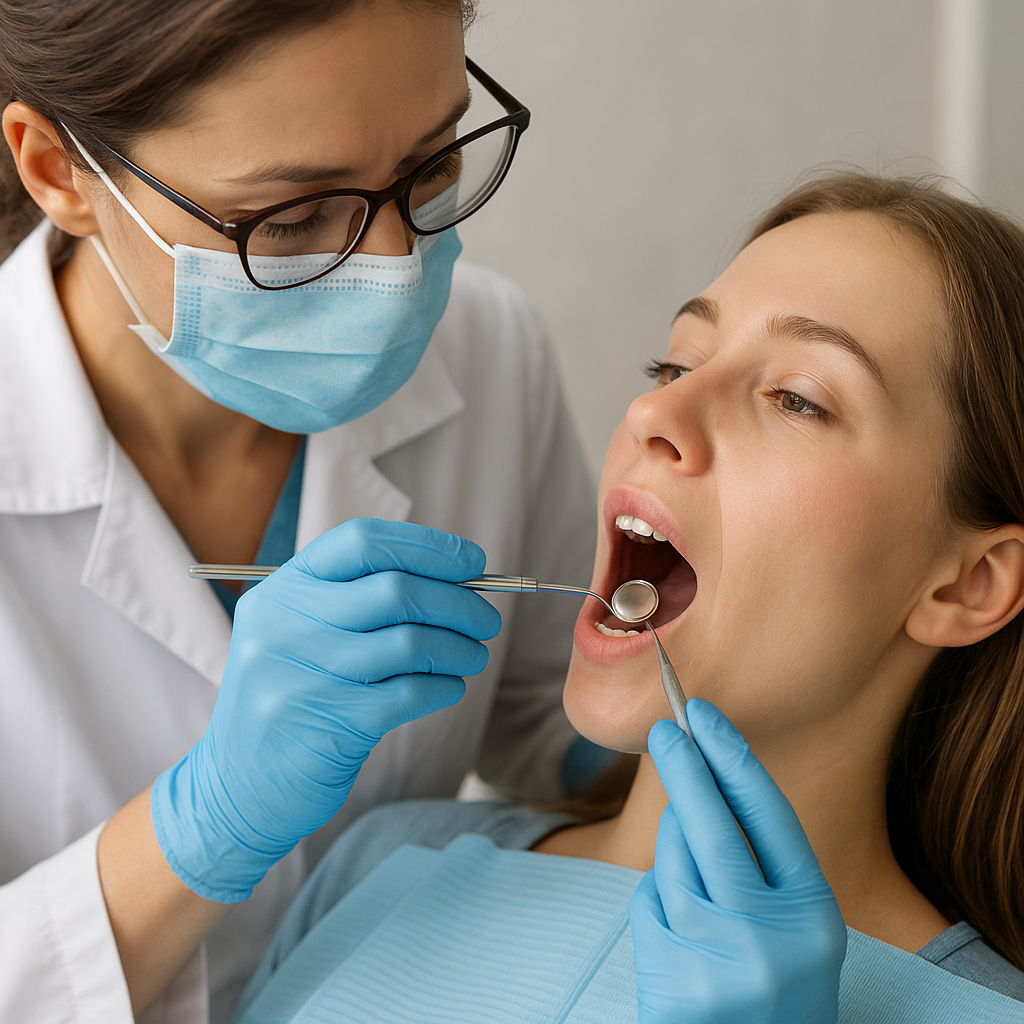
Before fabricating a tailored mouthguard, a dentist conducts a thorough evaluation of the patient’s oral health. This process includes:
- Examining tooth alignment and jaw relationships
- Identifying existing restorations, braces, or aligners
- Assessing bite forces and potential risk factors
Detailed impressions are then taken using specialized dental materials, ensuring an exact replica of the athlete’s teeth and gum contours.
Fabrication Process
Dental technicians utilize the impressions to create a model upon which layers of thermoplastic or EVA (ethylene-vinyl acetate) are molded. This step-by-step customized process involves:
- Layering materials of varying densities for optimal shock absorption
- Heat-forming the guard to match the plaster model
- Trimming and polishing edges for comfort
- Fitting the final appliance in the dentist’s office, making minor adjustments as needed
The result is a bespoke mouthguard that conforms precisely to the athlete’s mouth, offering unparalleled comfort and protection.
Proper Care and Maintenance
Daily Cleaning Routines
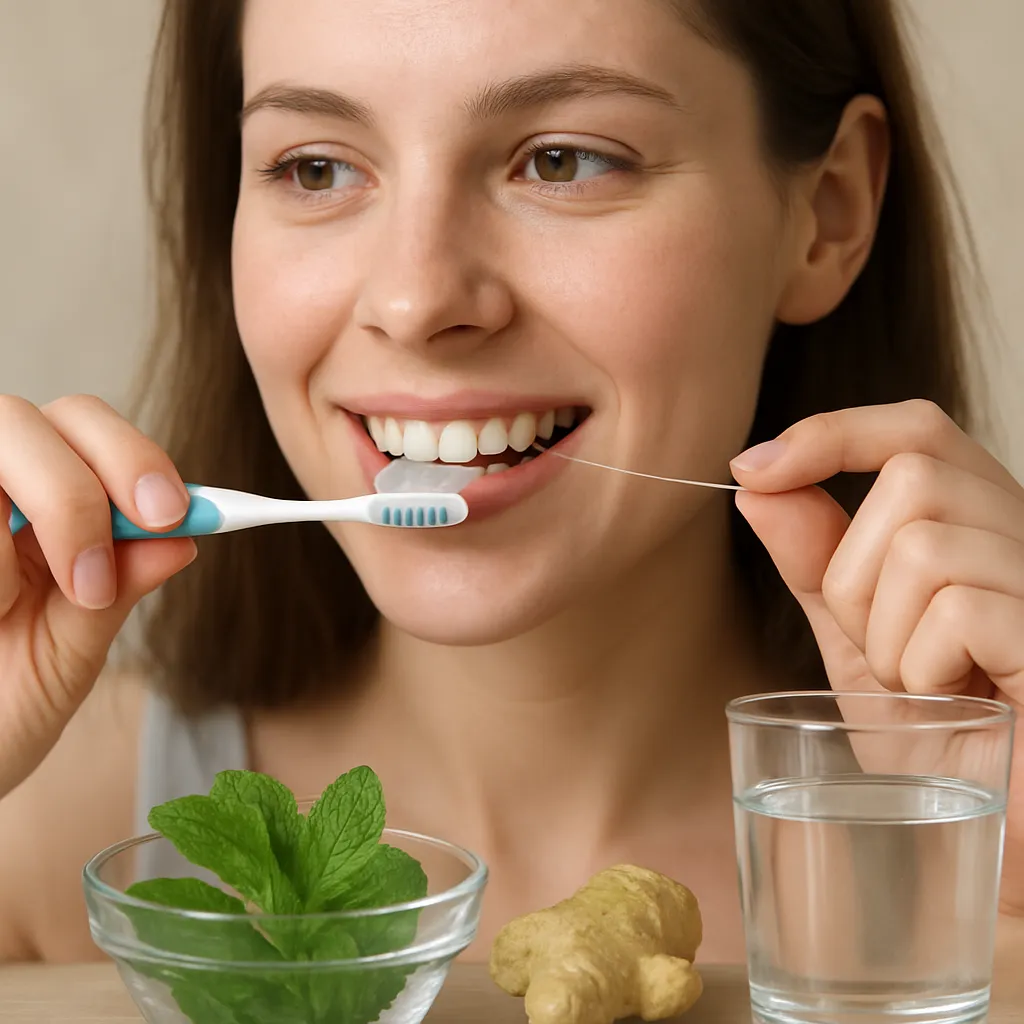
To prolong the lifespan of a mouthguard and uphold hygiene, it is vital to establish a consistent cleaning regimen:
- Rinse under cool, running water immediately after use
- Brush gently with a soft toothbrush and non-abrasive, fluoride-free toothpaste
- Allow the guard to air-dry on a clean surface before storage
Avoid exposing the appliance to high temperatures, as heat can warp the material and compromise fit.
Storage and Inspection
Proper storage prevents deformation and bacterial growth. Athletes should:
- Keep the mouthguard in a well-ventilated, hard plastic case
- Inspect regularly for cracks, tears, or material thinning
- Replace the device at the first sign of damage or after significant dental work
Routine checkups with a dentist ensure that the mouthguard remains in top condition and continues to provide reliable injury prevention throughout its lifespan.
Innovations in Mouthguard Technology
Advanced Materials
Recent advancements in polymer science have led to mouthguards with superior energy dispersion properties. New materials integrate:
- Gel cores for enhanced shock absorption
- Antimicrobial additives to reduce odor and bacterial accumulation
- Lightweight composites that maintain strength under impact
These innovations allow for thinner, more breathable appliances without sacrificing the protective function.
3D Printing and Digital Workflows
The adoption of digital scanning and 3D printing has revolutionized the fabrication of custom mouthguards. Benefits include:
- Elimination of traditional impression discomfort
- Faster turnaround times from scan to final device
- Precise replication of complex dental anatomy for a snug, consistent fit
Dental practices embracing these technologies can deliver more efficient and accurate mouthguard solutions to athletes.