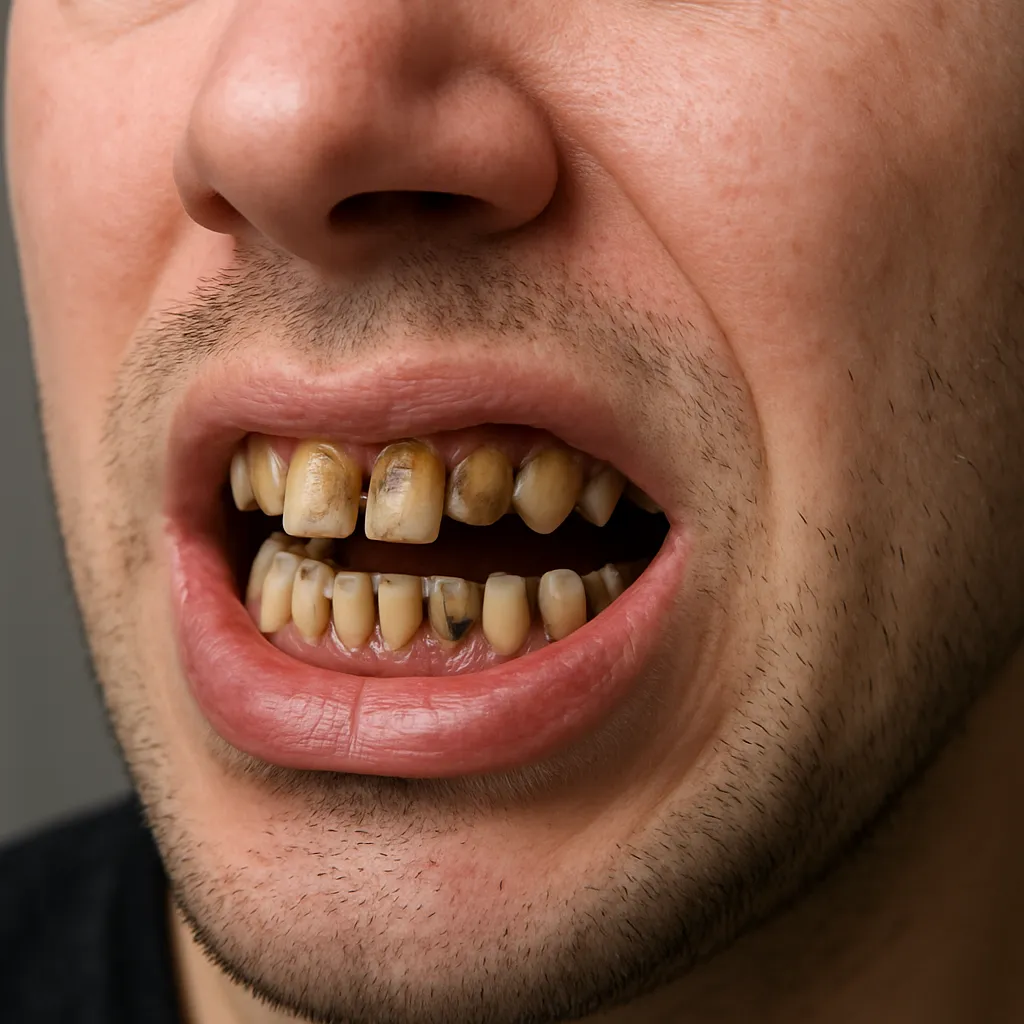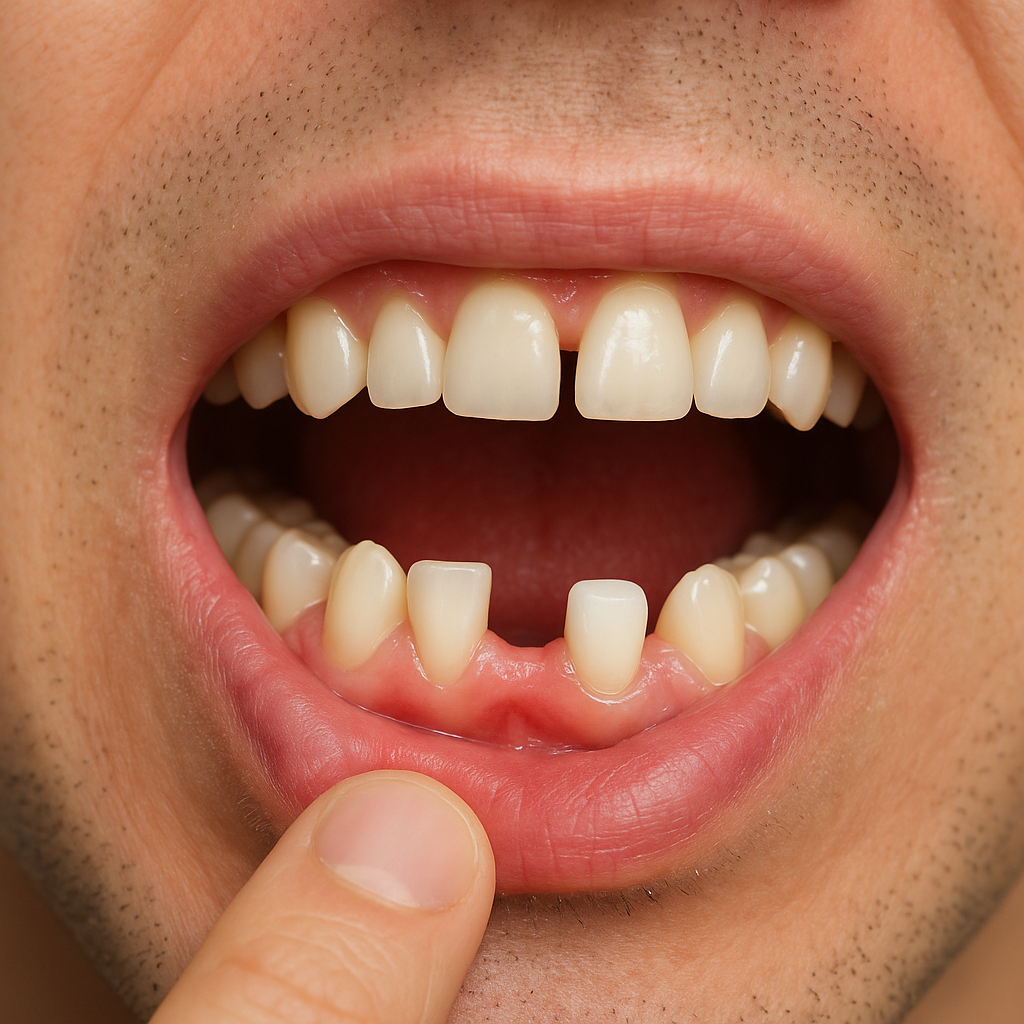
Missing teeth can lead to a cascade of challenges that affect not only the appearance of your smile but also your overall oral health and quality of life. When a tooth is lost, adjacent teeth may drift, bone levels can decline, and chewing ability often diminishes, impacting both nutrition and self-esteem. Exploring the significance of timely replacement and the variety of available treatments can empower patients to make informed decisions about preserving their healthy dentition and confidence.
Health and Biological Impact of Tooth Loss
The absence of a natural tooth can trigger a series of biological changes within the jaw. One of the most critical issues is bone resorption. Under normal circumstances, the root of a tooth stimulates the surrounding alveolar bone during chewing. Once a tooth is removed, that stimulation ceases, and the bone begins to shrink over time. This gradual loss of bone density can compromise neighboring teeth, alter facial structure, and make future restorations more complex.
Furthermore, adjacent teeth may begin to drift toward the empty space. This shifting can lead to misalignment, bite irregularities, and increased stress on the remaining dentition. Over time, patients may experience temporomandibular joint (TMJ) discomfort due to the uneven distribution of bite forces. Recognizing these potential complications highlights the importance of prompt intervention when a tooth is missing.
Functional Consequences of Missing Teeth
The impact on normal function is profound when even a single tooth is gone. Chewing efficiency declines, forcing individuals to avoid certain nutritious foods that require thorough grinding. As a result, dietary restrictions may inadvertently lead to deficiencies in essential vitamins and minerals. In addition, speech patterns can change, introducing lisps or difficulty pronouncing certain sounds clearly.
- Reduced masticatory efficiency
- Avoidance of crunchy fruits and vegetables
- Alteration in speech clarity
- Uneven wear on remaining teeth
Addressing these functional deficits early can prevent further deterioration of eating habits and preserve the integrity of the entire dental arch.
Aesthetic and Psychological Effects
A missing tooth in the front of the mouth can significantly affect an individual’s appearance. The gap in the dentition often becomes a source of self-consciousness, leading to reduced social interaction or reluctance to smile. The emotional toll can be substantial, as patients may feel embarrassment or shame over their dental condition.
Restoring a natural-looking replacement can rejuvenate a person’s smile and boost confidence in social, professional, and personal settings. Addressing aesthetic concerns is not simply about cosmetic appeal—it also contributes to mental wellbeing and overall quality of life.
Modern Treatment Options for Tooth Replacement
Advances in dentistry have led to a range of solutions for replacing missing teeth. Each option carries distinct advantages and considerations, depending on the patient’s oral health, budget, and long-term goals.
- Dental Implants: Titanium posts surgically placed into the jawbone to support a crown, furnishing a permanent and lifelike result.
- Fixed Dental Bridges: Prosthetic units anchored to neighboring teeth, filling the gap with one or more artificial teeth.
- Removable Partial Dentures: Acrylic or metal frameworks that clasp onto existing teeth, offering a cost-effective and non-invasive solution.
- Complete Dentures: Customized for patients who have lost all teeth in an arch, restoring chewing function and facial contours.
Dental Implants: The Gold Standard
Implants represent the most reliable long-term option, providing exceptional stability and function. After osseointegration—when the bone fuses with the implant—patients enjoy a solution that closely mimics natural tooth roots. This process helps prevent further bone loss and preserves facial structure. Proper implant placement requires comprehensive diagnostic imaging and meticulous surgical planning but often yields the most favorable outcome.
Fixed Bridges: A Traditional Alternative
For patients seeking a non-surgical route, fixed bridges can be an effective choice. By preparing the adjacent teeth for crowns, the bridge spans the empty space with a composite of porcelain or ceramic teeth. While functional and aesthetic, this option requires alteration of healthy tooth structure, and there may be an increased risk of decay or periodontal issues if the abutment teeth are not carefully maintained.
Removable Prosthetic Solutions
Removable partial or complete dentures offer flexibility and affordability. These appliances can be fabricated quickly and easily adjusted or relined to accommodate ongoing changes in the jaw. Modern materials and design techniques enhance comfort and function, though patients must remain diligent with daily insertion, removal, and cleaning routines to ensure optimal hygiene and longevity.
Maintaining Long-Term Success
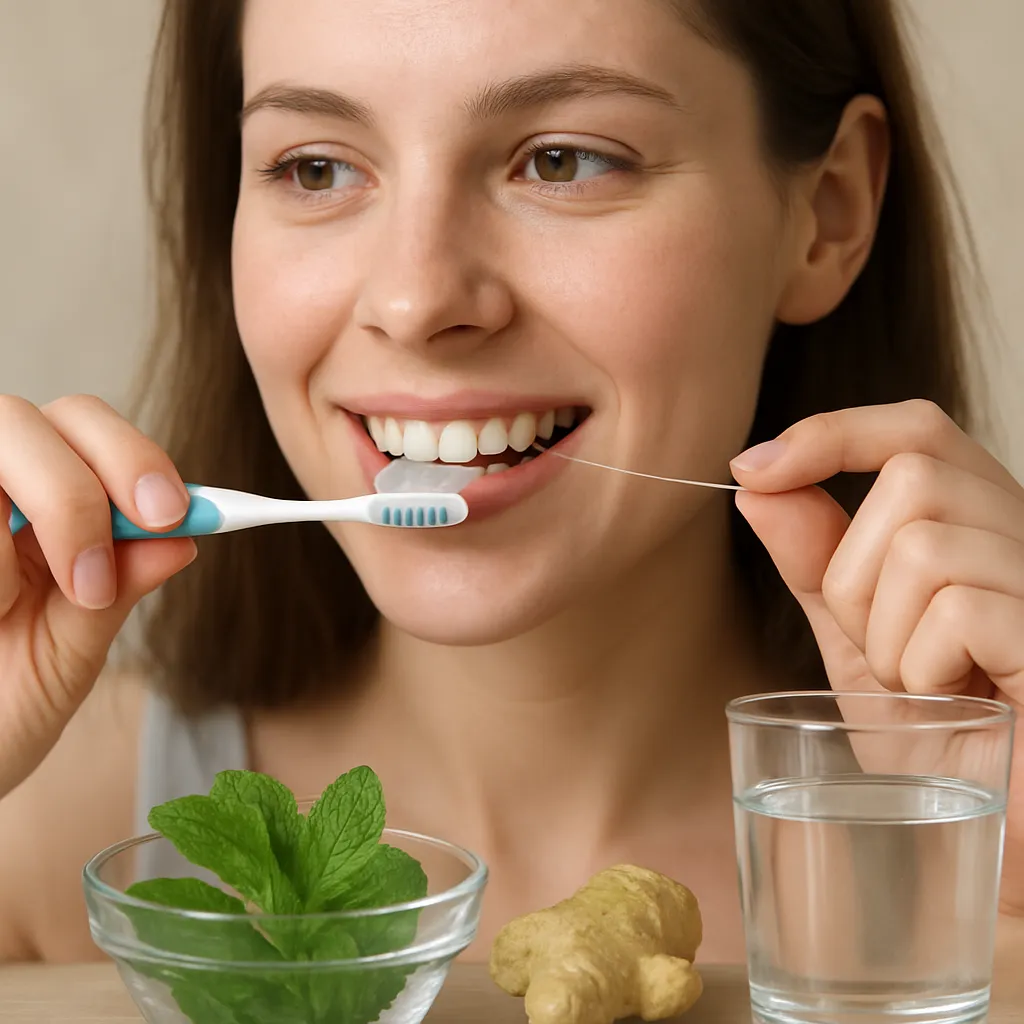
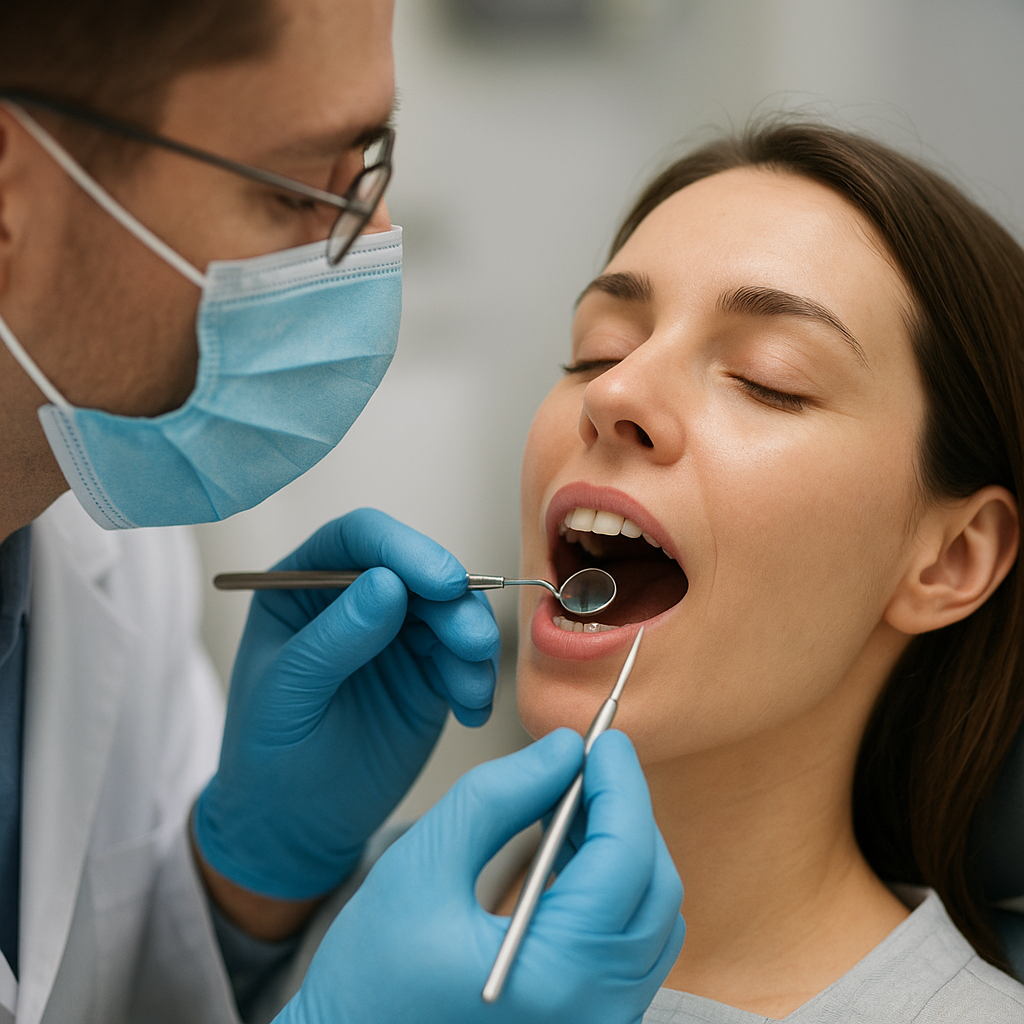
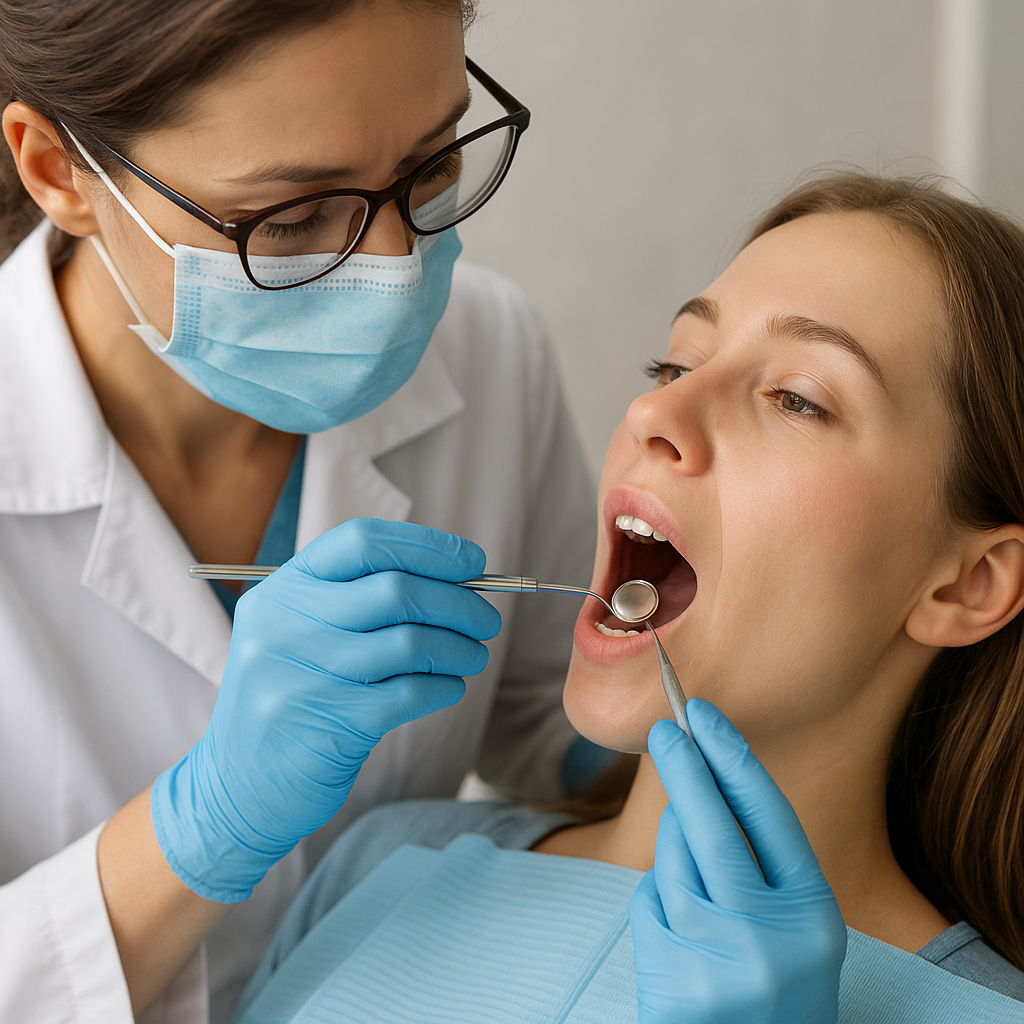
Regardless of the chosen replacement, maintenance is critical to ensure longevity and protect overall oral health. Regular dental check-ups allow the dentist to monitor supporting structures, detect early signs of complications, and perform professional cleanings. Patients should adopt a thorough home care regimen, including:
- Brushing twice daily with a fluoride toothpaste
- Daily flossing or use of interdental brushes around bridges and implants
- Rinsing with an antiseptic mouthwash
- Avoiding hard or sticky foods that can stress restorations
Implementing these practices not only preserves the replacement but also safeguards neighboring teeth and gum tissues.
Conclusion
Timely replacement of missing teeth is crucial for maintaining robust oral health, functional efficiency, and emotional wellbeing. Whether choosing implants, bridges, or dentures, patients can benefit from restored chewing capability, improved speech, and renewed self-esteem. By partnering with a qualified dental professional and embracing diligent care habits, individuals can enjoy lasting results that enhance both their quality of life and their radiant smile.