Protecting your dental health from the damaging effects of teeth grinding is crucial for maintaining a strong and comfortable smile. Bruxism, commonly known as **tooth grinding**, can lead to severe enamel wear, jaw pain, and complications involving the temporomandibular joint. By understanding the root causes, identifying the warning signs, and adopting effective preventive measures, you can safeguard your teeth and overall oral health.
Understanding the Causes of Bruxism
Teeth grinding is often misunderstood as merely a nighttime habit, but it can occur during the day as well. Recognizing why you clench or grind your teeth is the first step toward effective prevention. Various factors contribute to this condition, ranging from physical misalignments to psychological stressors.
Primary Factors
- Stress and anxiety: Heightened emotional tension can trigger involuntary jaw muscle contractions.
- Malocclusion: Misaligned teeth or an improper bite may force the jaw to shift into unnatural positions.
- Sleep disorders: Conditions such as sleep apnea often coexist with nocturnal grinding episodes.
- Neurological issues: Certain medications and medical conditions can increase the risk of bruxism.
While you may not immediately notice minor clenching, persistent bruxism gradually wears down the tooth enamel, leading to sensitivity and fractures. Over time, this compromise in tooth structure can contribute to cavities and gum recession.
Recognizing Signs and Symptoms
Identifying the presence of bruxism early can help prevent irreversible damage. Regular self-examination and awareness of bodily signals are key to catching grinding behaviors in their initial stages.
- Tooth sensitivity: Increased pain when consuming hot, cold, or sweet foods.
- Flattened, chipped, or cracked teeth visible during a dental check-up.
- Jaw discomfort: Persistent soreness or stiffness upon waking.
- Audible grinding sounds reported by a sleeping partner.
- Frequent headaches or earaches without an underlying medical cause.
Visiting your dentist for routine examinations allows professional detection of minute enamel defects and subtle wear patterns. Early diagnosis can significantly reduce the necessity for extensive restorative procedures.
Effective Prevention Strategies
Implementing a combination of at-home remedies and professional interventions can effectively minimize or eliminate grinding behaviors. Personalized approaches tailored to your unique needs yield the best outcomes.
At-Home Techniques
- Stress management: Incorporate relaxation exercises such as deep breathing, progressive muscle relaxation, or meditation into your daily routine.
- Jaw muscle therapy: Perform gentle stretching and massage of facial muscles before bed.
- Avoid stimulating substances: Reduce intake of caffeine and alcohol, especially in the evening hours.
- Establish a calming pre-sleep ritual: Engage in soothing activities like reading or listening to soft music.
Professional Interventions
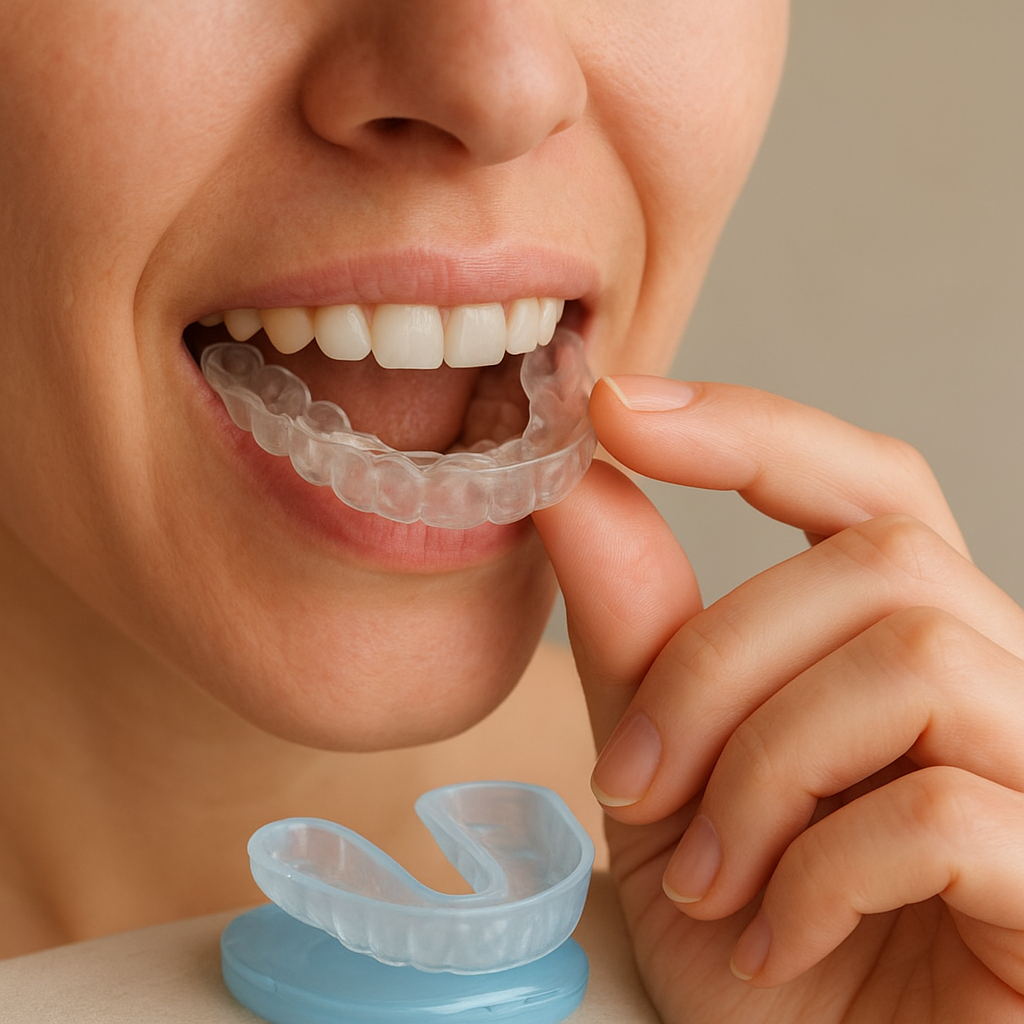
- Custom-fitted nightguard: A durable, comfortable appliance that cushions your teeth and redistributes bite forces.
- Occlusal adjustment: Minor reshaping of tooth surfaces by your dentist to correct occlusion and reduce grinding.
- Physical therapy: Targeted exercises and manual techniques to relieve tension in the jaw and neck.
- Orthodontic treatment: Realigning teeth and jaws to establish a balanced bite and prevent stress on the TMJ.
Wearing a professionally designed splint or mouthguard during sleep is often the most immediate and effective defense. These devices protect the enamel from abrasion while allowing muscles to relax.
When to Seek Professional Help
Despite consistent home efforts, some individuals require advanced medical attention. Persistent or worsening symptoms indicate that self-care alone may not suffice.
- Continual increase in tooth sensitivity and pain.
- Noticeable changes in bite or jaw alignment.
- Chronic headaches or ear pain that interfere with daily activities.
- Failure of at-home remedies to reduce grinding episodes.
Consulting a dental professional specializing in occlusion and TMJ disorders ensures an accurate diagnosis and tailored treatment plan. Advanced imaging and diagnostic tools can reveal subtle joint abnormalities and guide appropriate interventions.
Maintaining Long-Term Oral Health
Prevention and treatment of teeth grinding represent an ongoing commitment to oral care. By routinely monitoring your habits and collaborating closely with your dentist, you can preserve strong, healthy teeth free from the wear and tear of bruxism.
- Schedule biannual dental check-ups for monitoring enamel integrity and appliance fit.
- Maintain consistent stress-reduction practices to alleviate contributing factors.
- Replace nightguards as recommended to ensure optimal protection.
- Report any new symptoms promptly to adjust your care plan.
Proactive management of bruxism not only protects your smile but also enhances overall well-being by reducing pain and preventing costly restorative treatments. With vigilance and professional guidance, you can control grinding habits and enjoy lasting dental health.