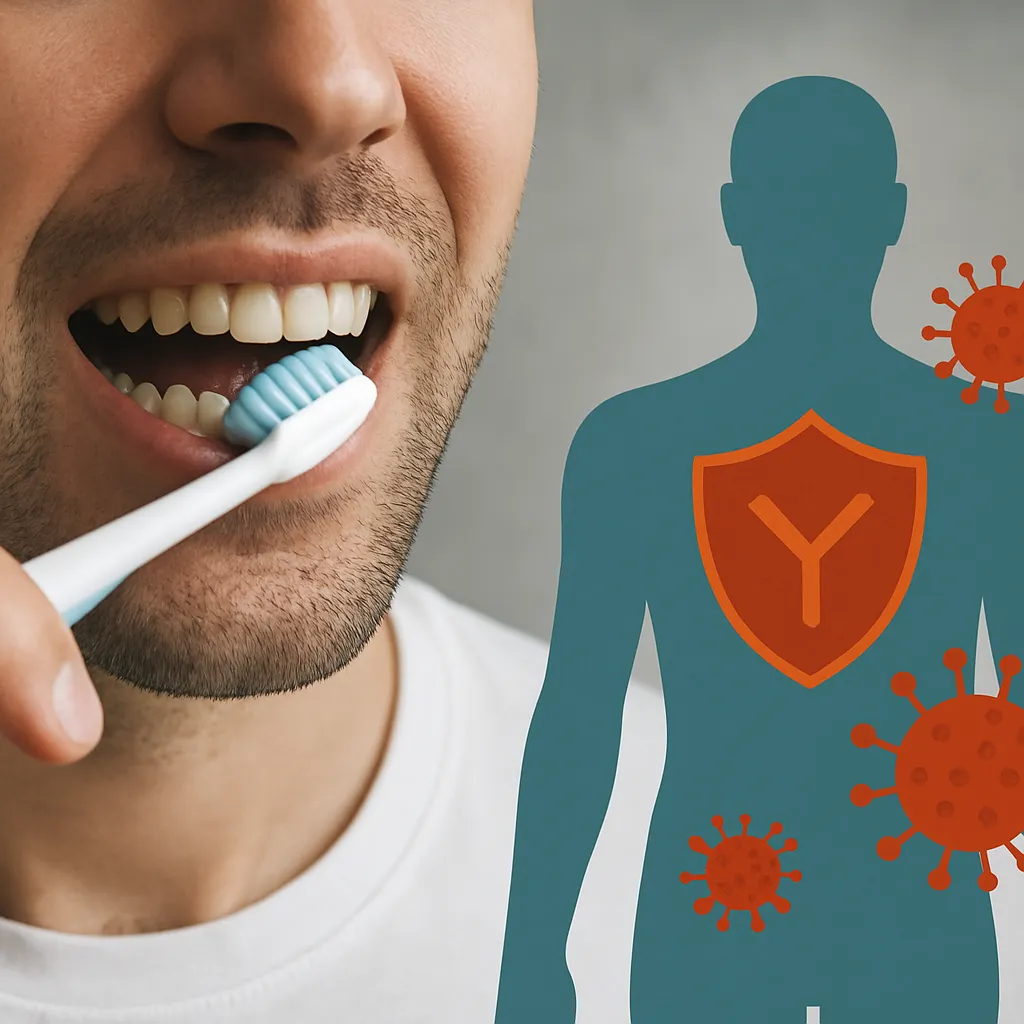
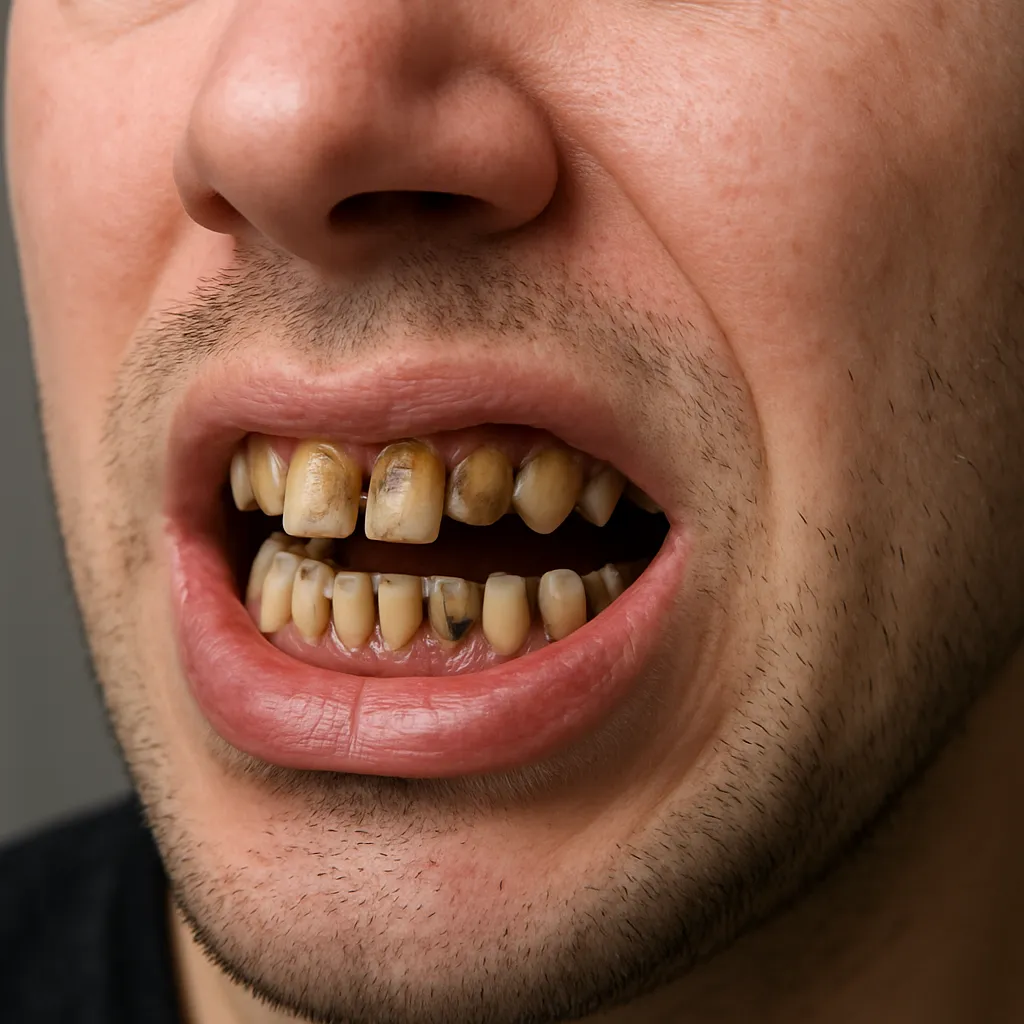
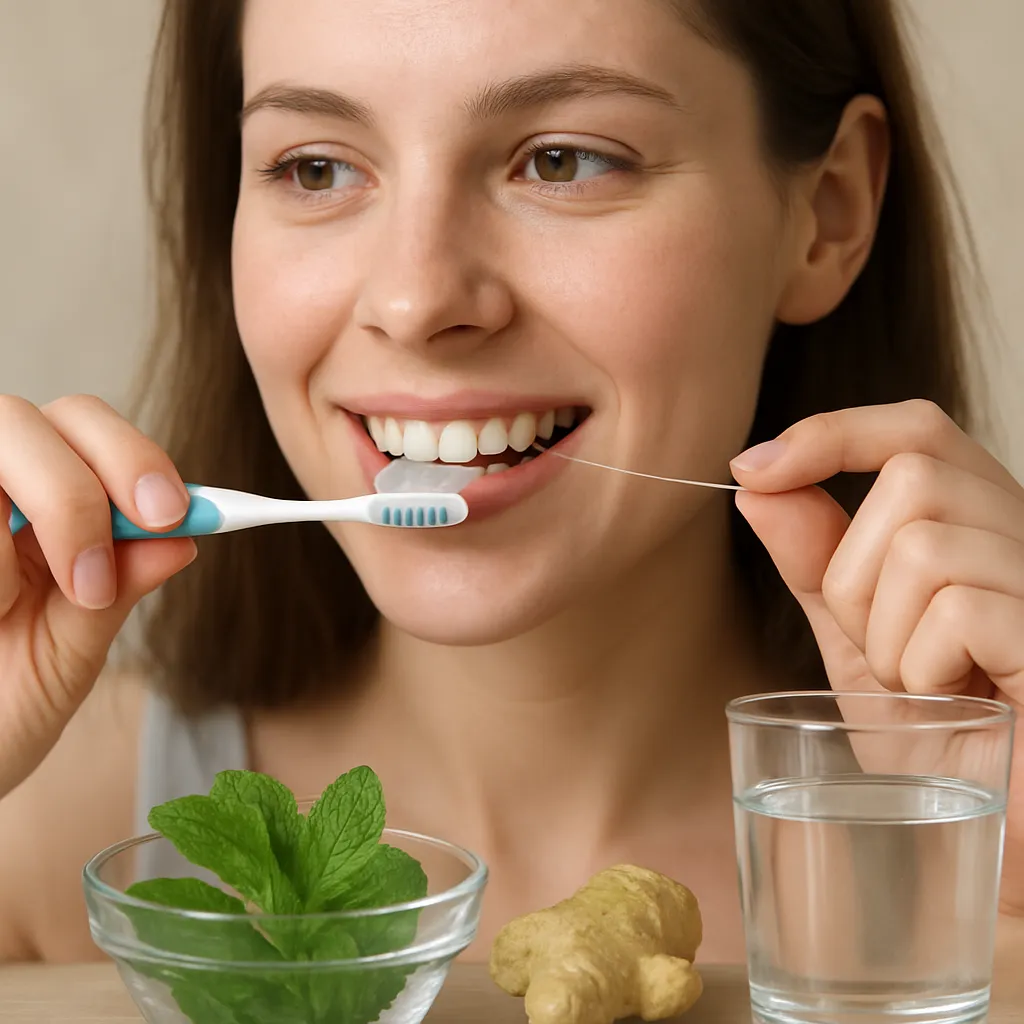
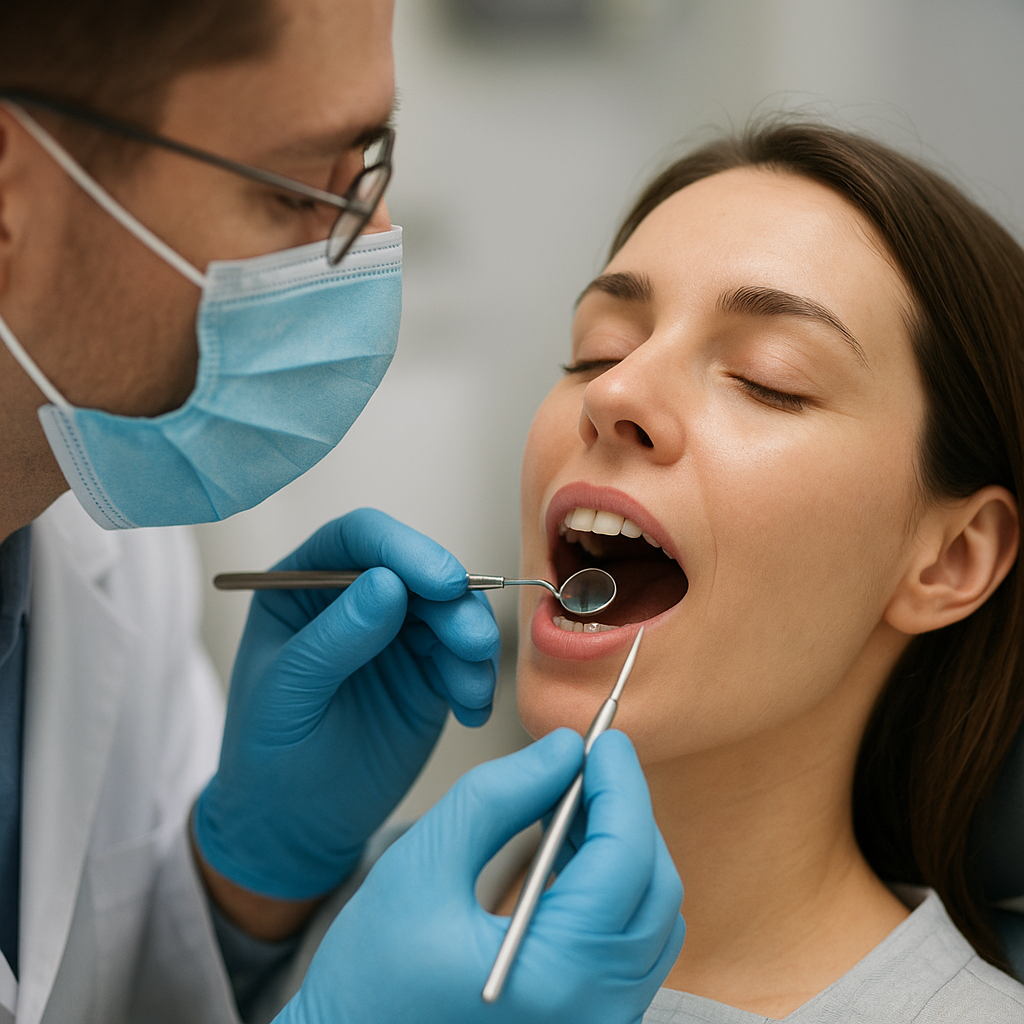
The role of probiotics in promoting optimal oral health has become a focal point for many dentists and researchers. Exploring how beneficial microorganisms interact with the oral cavity opens new avenues for preventing dental caries, managing periodontitis, and maintaining a balanced microbiome. This article delves into the mechanisms behind probiotic action, clinical applications in dentistry, key bacterial strains, and future directions that may revolutionize everyday dental care.
Mechanisms by Which Probiotics Influence Oral Ecosystems
Balancing the Oral Microbiome
Homeostasis within the mouth relies on a stable consortium of microbial species. Disruptions lead to dysbiosis, favoring pathogenic bacteria that trigger tooth decay and gum disease. Probiotics exert a corrective influence by competing for adhesion sites on oral tissues and producing substances that suppress harmful microbes. For example, Lactobacillus species can colonize the tongue, cheek, and dental surfaces, effectively reducing populations of cariogenic Streptococcus mutans.
Antimicrobial Substance Production
- Organic acids (lactic and acetic) lower pH levels and inhibit acid-sensitive pathogens.
- Bacteriocins: Proteinaceous toxins specifically targeting related or competing bacterial strains.
- Hydrogen peroxide: Produced by some probiotic species, creating an unfavorable environment for anaerobic invaders.
These metabolic byproducts not only curb the growth of opportunistic pathogens but also promote enamel remineralization by influencing salivary properties and calcium-phosphate equilibrium.
Immunomodulation and Anti-Inflammatory Effects
Chronic inflammation of periodontal tissues arises from an overactive immune response to microbial insults. Probiotics can modulate host immunity by stimulating regulatory T cells and promoting anti-inflammatory cytokine release (e.g., IL-10). This reduces tissue destruction and fosters a healing microenvironment. In vitro studies demonstrate that specific strains downregulate pro-inflammatory mediators like TNF-α and IL-6, key drivers of periodontal breakdown.
Clinical Applications in Preventive and Therapeutic Dentistry
Probiotic Lozenges and Chewing Gum
Delivery systems that ensure sustained contact between probiotics and oral surfaces are critical. Lozenges, gummies, and chewing gum formulations encompass strains such as Streptococcus salivarius K12, which together with daily oral hygiene can reduce halitosis and plaque accumulation. Clinical trials report up to a 50% reduction in volatile sulfur compounds after four weeks of consistent usage.
Toothpaste and Mouthwash Additives
Incorporating live bacteria into toothpaste or mouthwash poses formulation challenges, such as viability under storage conditions. However, emerging encapsulation technologies protect probiotic cells until release in the oral cavity. Pilot studies reveal that toothpaste fortified with Bifidobacterium species significantly decreases plaque index scores and bleeding on probing after six weeks compared to standard fluoride formulations.
Support for Periodontal Therapy
Adjunctive probiotic therapy alongside scaling and root planing demonstrates enhanced clinical outcomes in periodontitis management. Patients receiving probiotic supplements exhibit greater pocket depth reduction and clinical attachment gain versus controls. Benefits are particularly notable in smokers and patients with systemic conditions compromising gingival healing, suggesting a versatile role for microbial therapeutics.
Prominent Probiotic Strains in Dental Research
Lactobacillus reuteri
One of the most extensively studied species, Lactobacillus reuteri produces reuterin, a broad-spectrum antimicrobial compound. Its application in subgingival gels has been linked to significant reductions in gingival inflammation and probing depth. Moreover, its ability to adhere strongly to epithelial cells ensures prolonged activity after administration.
Streptococcus salivarius K12 and M18
These strains colonize the dorsum of the tongue and oropharynx, competing with pathogens like Porphyromonas gingivalis and Fusobacterium nucleatum. Supplementation with K12 has been associated with decreased incidence of streptococcal pharyngitis and improved breath quality, while M18 shows promise in caries prevention through sustained production of bacteriocins targeting Streptococcus mutans.
Bifidobacterium animalis subsp. lactis
Available in probiotic yogurts and capsules, this subspecies modulates salivary flow and buffer capacity, indirectly protecting tooth enamel. Randomized trials indicate fewer white spot lesions in orthodontic patients using a B. lactis mouth rinse, underscoring its preventive potential during fixed appliance therapy.
Challenges and Future Directions in Dental Probiotic Research
Strain-Specific Effects and Standardization
Not all probiotic species yield identical benefits; efficacy depends on strain-specific traits, dosage, and administration frequency. Standardizing clinical protocols and establishing regulatory guidelines are essential for integrating probiotics into mainstream dental practice. Ongoing genome sequencing efforts aim to identify genetic markers of safety and functional properties.
Delivery Systems and Formulation Stability
Ensuring viability of live microorganisms in consumer products remains a technical hurdle. Microencapsulation, freeze-drying, and biofilm-inspired carriers are under investigation to extend shelf life and release probiotics at target sites. Innovations such as mucoadhesive nanoparticles could optimize retention on gingival tissues.
Integration with Personalized Dentistry
Advances in salivary diagnostics and oral metagenomics enable individualized probiotic regimens tailored to a patient’s unique microbial profile. Artificial intelligence algorithms may soon predict probiotic-host interactions, guiding clinicians toward precision therapies that promote long-term oral homeostasis.