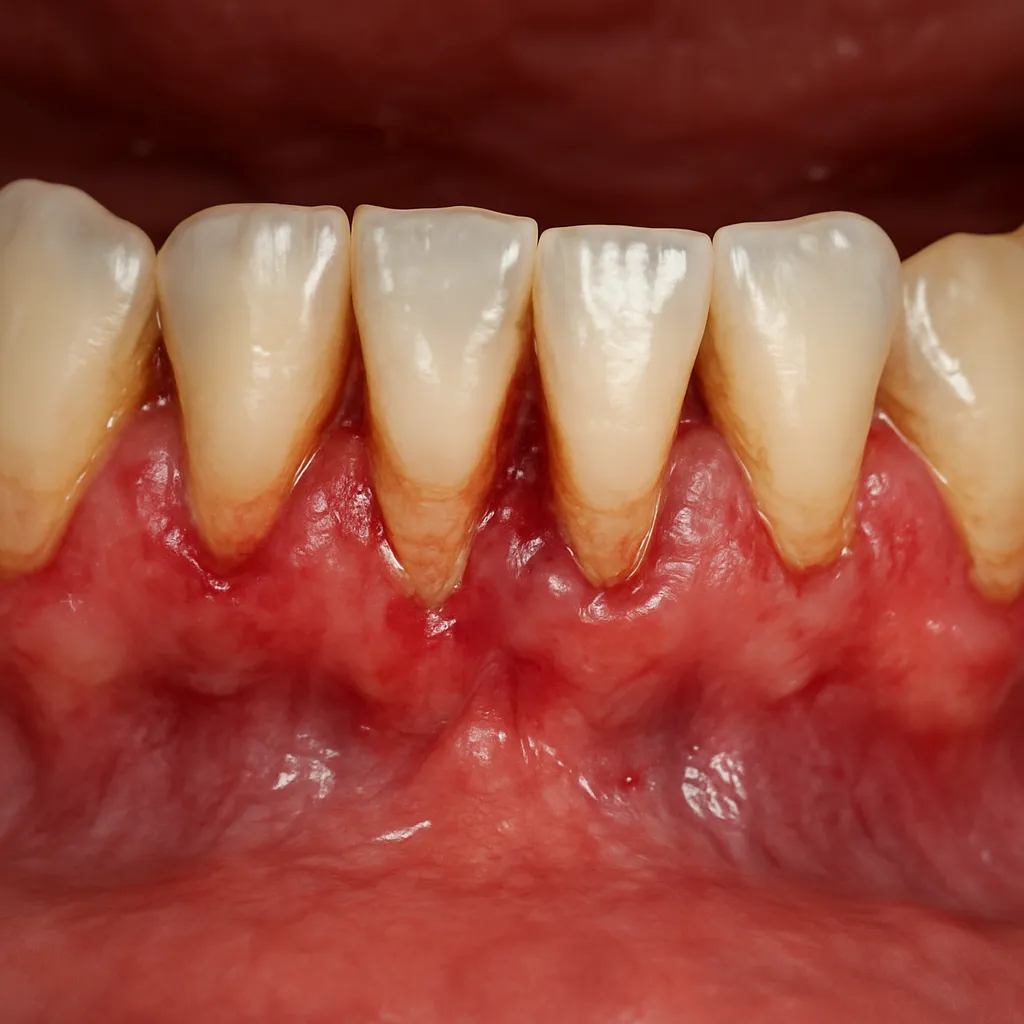
Maintaining a healthy smile goes beyond cosmetic appeal; it’s essential for overall well-being. Persistent buildup of plaque can lead to tooth decay, gum inflammation, and more serious oral health challenges. By understanding how plaque forms and adopting proven prevention strategies, you can safeguard your teeth and gums. This article explores key aspects of plaque control, offering actionable advice backed by dental expertise.
Understanding the Mechanism of Plaque Formation
Plaque is a sticky film composed primarily of bacteria, food particles, and saliva. This biofilm adheres to tooth surfaces and gum lines, creating an ideal environment for acid production. When acids attack the tooth’s outer layer, or enamel, they erode minerals and weaken the structure. Over time, untreated plaque cementates into tartar, which can only be removed by a dentist or dental hygienist.
Biofilm Development Stages
- Initial Attachment: Salivary proteins coat the tooth surface, forming a pellicle.
- Colonization: Early colonizers such as Streptococcus mutans latch onto the pellicle.
- Growth and Maturation: Additional bacterial species join the community, creating complex layers.
- Mineralization: Calcium and phosphate from saliva harden the biofilm into tartar.
Factors Influencing Plaque Accumulation
Several variables can accelerate plaque buildup:
- Diet: Frequent sugar or acid intake fuels bacterial proliferation.
- Oral Hygiene Habits: Inadequate or infrequent brushing and flossing leave behind residues.
- Saliva Composition: Reduced saliva flow diminishes natural cleansing action.
- Surface Irregularities: Dental restorations or crowded teeth create hard-to-clean areas.
Effective Daily Oral Hygiene Techniques
Preventing plaque requires a multi-faceted routine that targets all surfaces of the teeth and surrounding gums. By combining mechanical and chemical approaches, you optimize protection against plaque formation.
Optimal Brushing Strategy
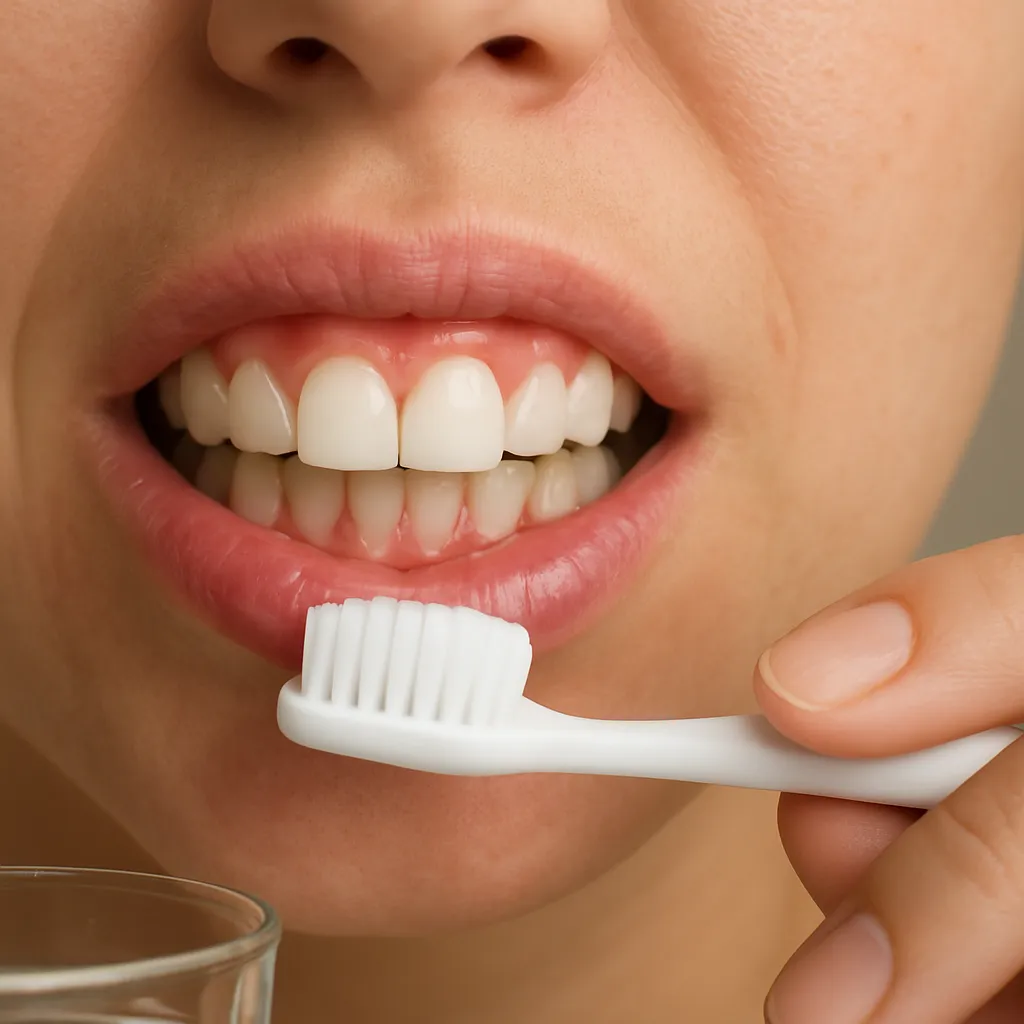
- Use a soft-bristled toothbrush and a fluoride toothpaste. Fluoride helps remineralize enamel and inhibit bacterial acids.
- Hold the brush at a 45-degree angle toward the gum line. Employ gentle, circular motions rather than harsh back-and-forth scrubbing.
- Brush for at least two minutes twice daily, covering outer, inner, and chewing surfaces.
- Replace your toothbrush or brush head every three months or sooner if bristles appear frayed.
The Importance of Flossing
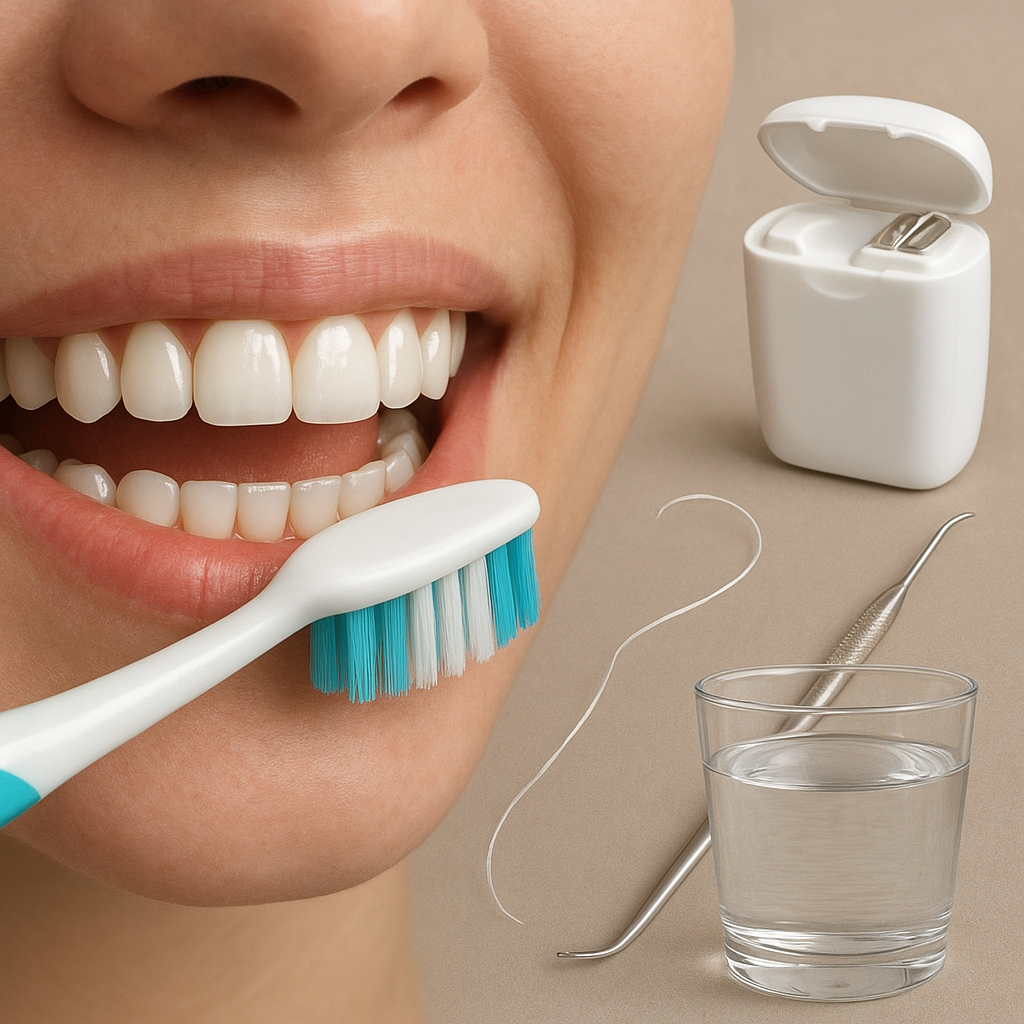
Brushing alone cannot reach interdental spaces where plaque accumulates. Incorporating flossing into your routine disrupts biofilms between teeth and under the gum margin.
- Use roughly 18 inches of floss, winding most around each middle finger and leaving 1–2 inches to work with.
- Gently slide floss between teeth, hugging the side of each tooth in a C-shape and moving up and down.
- Avoid snapping floss, which can damage delicate gum tissue.
- Consider interdental brushes or water flossers if standard floss is challenging to maneuver.
Adjunctive Oral Care Products
Certain products complement mechanical cleaning by offering targeted antimicrobial or remineralizing effects:
- Antiseptic Mouthwash: Reduces bacterial load and freshens breath.
- Fluoride Rinse: Provides extra mineral support for enamel.
- pH-Balancing Sprays: Neutralize acids in the mouth after meals.
- Enzymatic Toothpaste: Contains enzymes that disrupt bacterial cell walls.
Role of Professional Dental Care
While diligent home care is critical, regular visits to a dentist ensure that hardened deposits and emerging issues are promptly addressed. A collaborative approach between patient and clinician yields the best outcomes.
Routine Dental Cleanings
- Scaling and Polishing: Dental professionals use specialized instruments to remove tartar and deep-seated plaque.
- Probing and Examination: Early detection of gum inflammation or cavities prevents progression.
- Oral Cancer Screening: A thorough check can identify unusual lesions or tissue changes.
Customized Preventive Plans
Every individual’s oral environment is unique. A dentist can tailor recommendations based on risk factors, including:
- High cavity rate or rapid plaque accumulation.
- Orthodontic appliances or prosthetic devices requiring special care.
- Medical conditions like diabetes that affect gum health.
- Medication use that alters saliva flow or composition.
Advanced Treatments
When plaque-related issues advance, more intensive interventions may be necessary:
- Deep Periodontal Therapy: For moderate to severe gum disease, scaling and root planing go beneath the gum line.
- Sealants: Protective coatings applied to chewing surfaces of molars to block bacterial infiltration.
- Fluoride Varnish: Concentrated treatment that strengthens enamel and thwart decay.
Impact of Diet and Lifestyle on Plaque Control
Your daily choices exert profound effects on oral ecology. By optimizing nutrition and habits, you can minimize the substrates available for bacterial growth.
Nutrition Strategies
- Limit Sugary Snacks: Frequent exposure to sugars encourages acid production.
- Choose Crunchy Fruits and Vegetables: Items like apples and carrots stimulate saliva and mechanically clean teeth.
- Incorporate Dairy or Calcium-Rich Foods: Milk, cheese, and yogurt support enamel health.
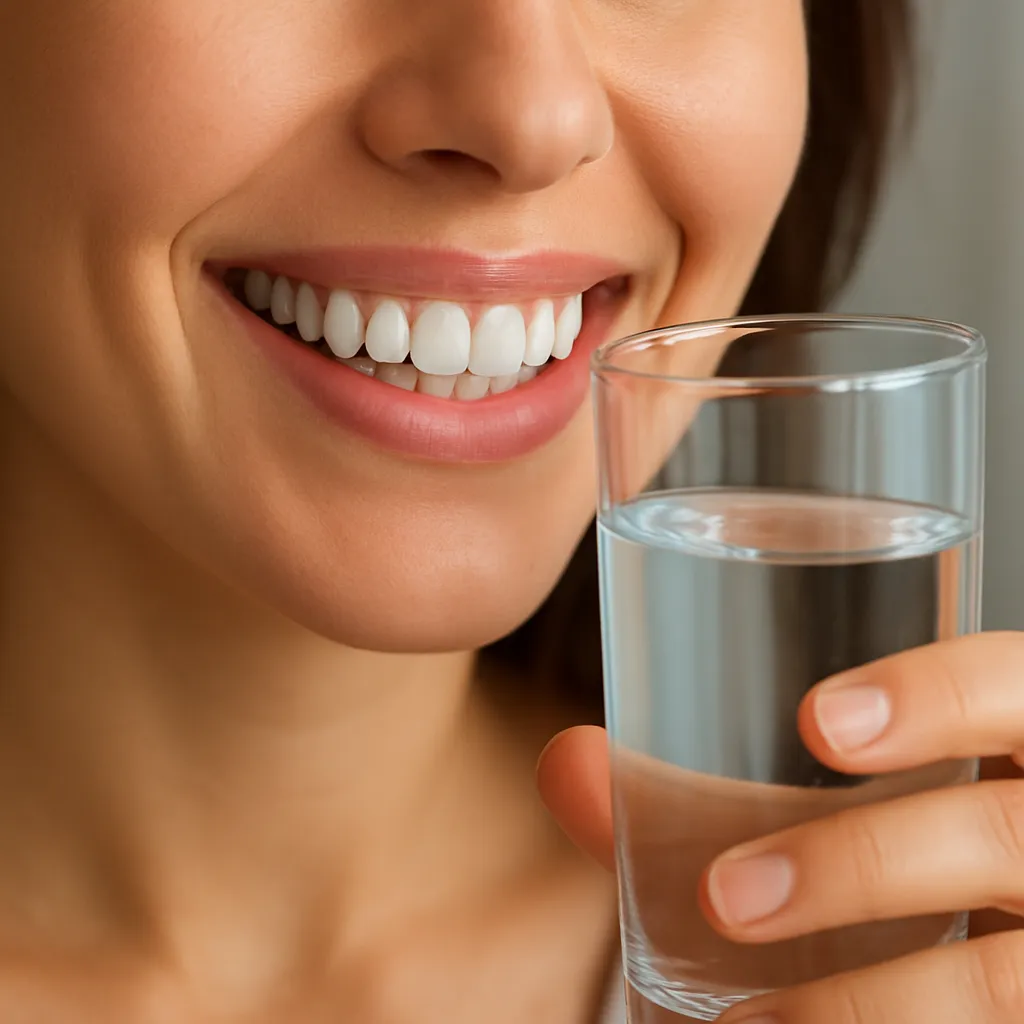
- Stay Hydrated: Water dilutes acids, washes away debris, and promotes saliva flow.
Healthy Lifestyle Habits
- Avoid Tobacco: Smoking or chewing tobacco exacerbates gum disease and hinders healing.
- Manage Stress: Chronic stress can reduce saliva production and impair immune defense.
- Limit Alcohol: Excessive consumption may dry oral tissues and lower resistance to infection.
- Regular Physical Activity: Enhanced circulation supports gum tissue health.
Creating Consistency
Long-term success hinges on integrating oral care into daily routines. Consider these tips:
- Set Reminders: Use phone alerts or habit-tracking apps for brushing and flossing.
- Keep Supplies Visible: Store your toothbrush and floss where you’ll see them.
- Involve Family: Encourage shared oral care sessions to foster accountability.
- Educate Yourself: Understanding the science behind plaque formation motivates compliance.
Emerging Technologies in Plaque Prevention
Innovations in dental science continue to expand our arsenal against plaque. Staying informed about new tools can enhance daily care routines.
Smart Toothbrushes
- Bluetooth Connectivity: Monitors brushing time and technique, offering real-time feedback.
- Pressure Sensors: Alert users when applying excessive force that could damage gums.
- Multiple Cleaning Modes: Tailor settings for sensitive teeth, whitening, or deep clean.
Probiotic Oral Supplements
Balancing the oral microbiome with beneficial bacterial strains shows promise in reducing harmful plaque-formers. Consult a dental professional before starting any supplement regimen.
Customized At-Home Kits
- Saliva Testing Devices: Identify pH levels and bacterial counts for personalized care plans.
- 3D-Printed Oral Appliances: Designed to deliver targeted medication or improve cleaning efficacy in hard-to-reach areas.
By combining informed dietary choices, consistent home routines, and regular professional care, you can effectively minimize plaque accumulation. Embracing modern tools alongside traditional methods ensures that your oral environment remains balanced, your teeth stay strong, and your smile radiates health.