The relationship between strong teeth and adequate levels of vitamin D is gaining increasing attention in the field of dental health. A growing body of evidence highlights the critical role this nutrient plays in mineral homeostasis, immune modulation, and the proper development of oral structures. Dental professionals are uniquely positioned to identify patients at risk of deficiency and to implement strategies that optimize oral and systemic well‐being. This article explores the underlying physiology, clinical applications, dietary sources, and future directions for research on vitamin D in dentistry.
Physiology of Vitamin D and Dental Integrity
Metabolic Pathways and Mechanisms
Vitamin D undergoes two hydroxylation steps to become active. After conversion in the liver and kidneys, the hormonally active form binds to receptors in various tissues, including the cells responsible for dentin and enamel formation. By regulating calcium and phosphate balance, active vitamin D facilitates the mineralization process essential for robust dental structures. An adequate level ensures proper absorption of dietary minerals, providing the foundation for sound tooth architecture.
Role in Enamel and Dentin Formation
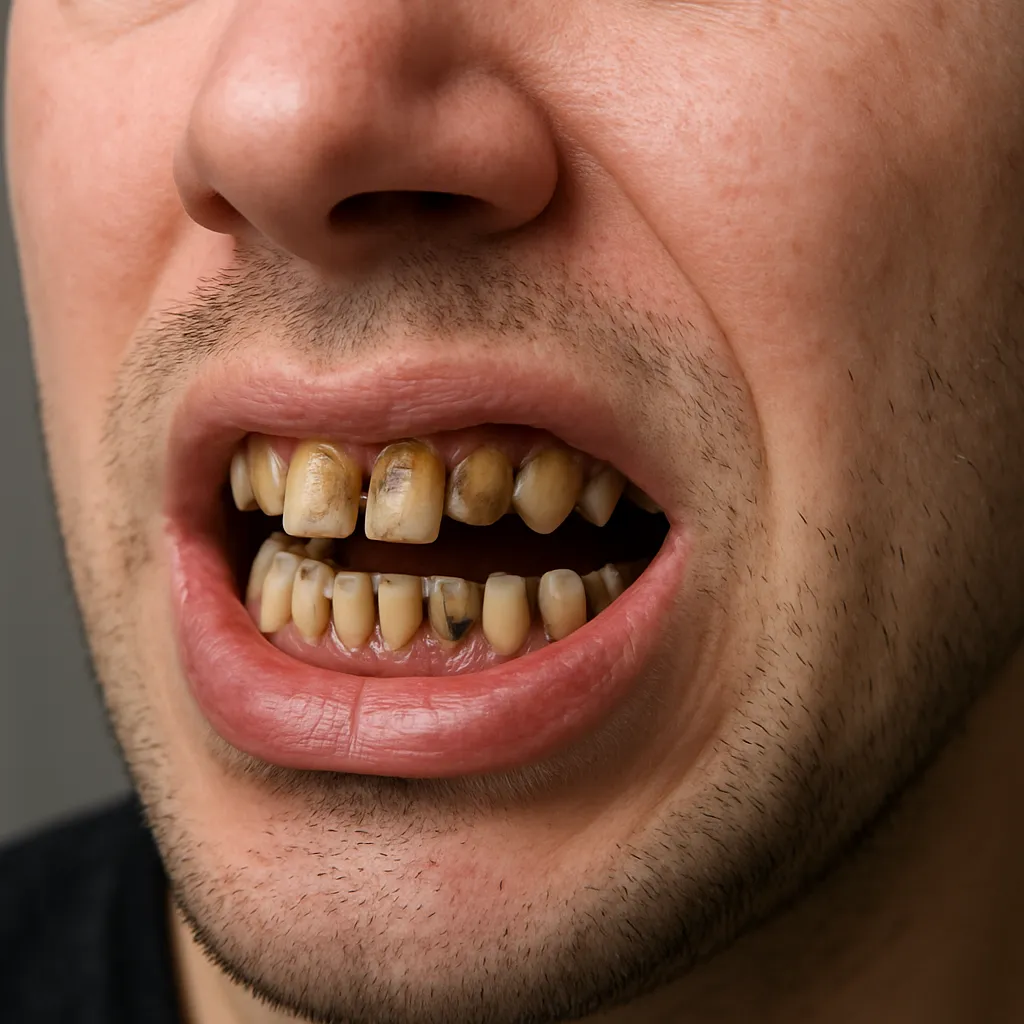
The inner layer of the tooth, dentin, and the protective outer layer, enamel, require a well‐orchestrated supply of minerals during odontogenesis. Insufficient vitamin D interrupts the cascade that deposits hydroxyapatite crystals, potentially leading to hypomineralized enamel, increased caries risk, and structural weaknesses. In pediatric patients, this may manifest as enamel hypoplasia or delayed tooth eruption, generating long‐term clinical challenges.
Immunomodulation and Periodontal Health
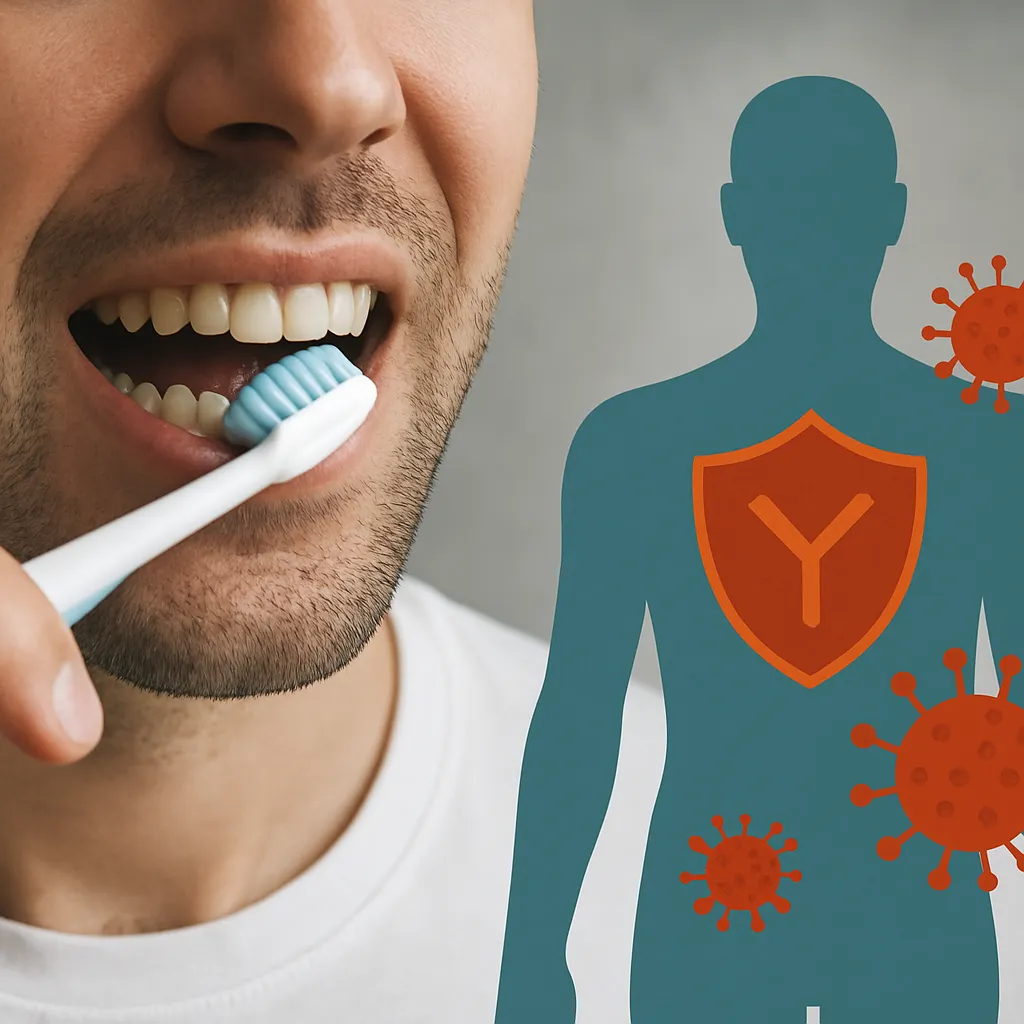
Beyond mineral balance, vitamin D contributes to innate and adaptive immunity. Oral mucosal defenses rely on antimicrobial peptides whose expression is upregulated by vitamin D. By strengthening the epithelial barrier and modulating inflammatory cytokines, this nutrient can help prevent periodontitis and support a balanced oral microbiome. The interplay between vitamin D and the immune system underscores its dual importance in both preventive and therapeutic dentistry.
Clinical Implications for Dental Practitioners
Screening and Risk Assessment
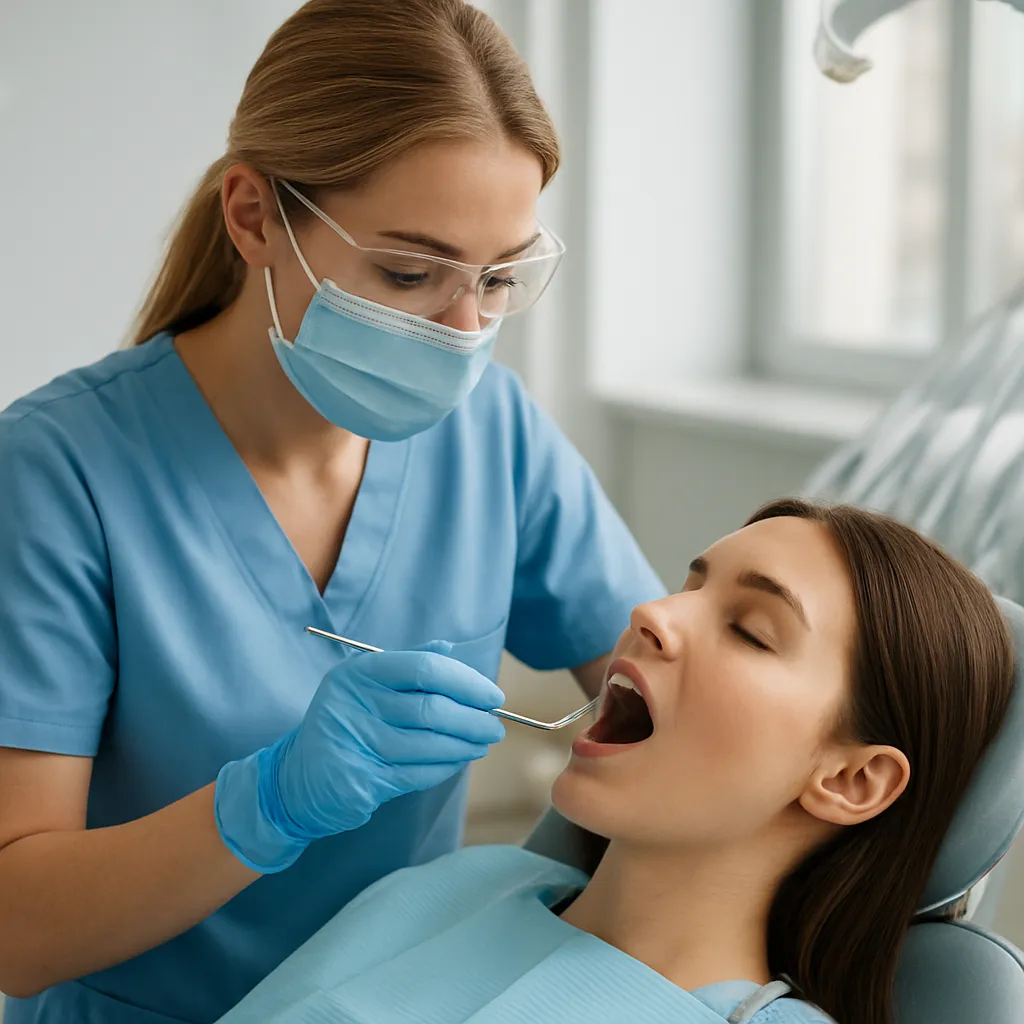
Dental professionals should consider integrating vitamin D status into routine evaluations, particularly for patients presenting with early enamel lesions, thin cortical bone on radiographs, or extensive periodontal breakdown. By inquiring about risk factors such as limited sun exposure, dietary restrictions, or malabsorption syndromes, the practitioner can identify candidates for serum 25(OH)D testing and interprofessional collaboration.
Management Strategies in Practice
- Educate patients on the link between vitamin D, calcium, and dental structure—emphasize preventive benefits.
- Coordinate with primary care or endocrinology colleagues for confirmed deficiency and safe supplementation.
- Recommend dietary modifications and lifestyle changes to enhance natural synthesis.
- Monitor oral health outcomes, tracking changes in enamel integrity, bone density, and periodontal status.
Adjunctive Benefits for Specific Procedures
Optimizing vitamin D levels may improve outcomes in implant dentistry, bone grafting, and orthodontic treatments. Enhanced mineralization fosters osseointegration, while immunomodulatory effects can reduce postoperative inflammation. A well‐nourished patient is more likely to achieve predictable healing and maintain long‐term stability.
Sources and Recommendations for Optimal Intake
Ensuring sufficient vitamin D requires a multifaceted approach. The main avenues to achieve recommended daily allowances involve endogenously synthesized hormone precursors, diet, and supplementation.
Sunlight and Endogenous Synthesis
Ultraviolet B radiation catalyzes the conversion of 7-dehydrocholesterol in the skin into pre-vitamin D3. Factors affecting this process include latitude, season, skin pigmentation, and sunscreen use. Tailored guidance—such as short, regular intervals of moderate sun exposure—can facilitate endogenous production while minimizing photodamage risks.
Dietary Sources
- Fatty fish: salmon, mackerel, sardines
- Fortified dairy: milk, yogurt, cheese
- Fortified plant alternatives: soy milk, almond milk
- Egg yolks and liver products
- Mushrooms exposed to ultraviolet light
While food alone may not meet all requirements, it contributes to overall status, especially when combined with safe sunlight practices and supplements.
Supplementation and Safety Considerations
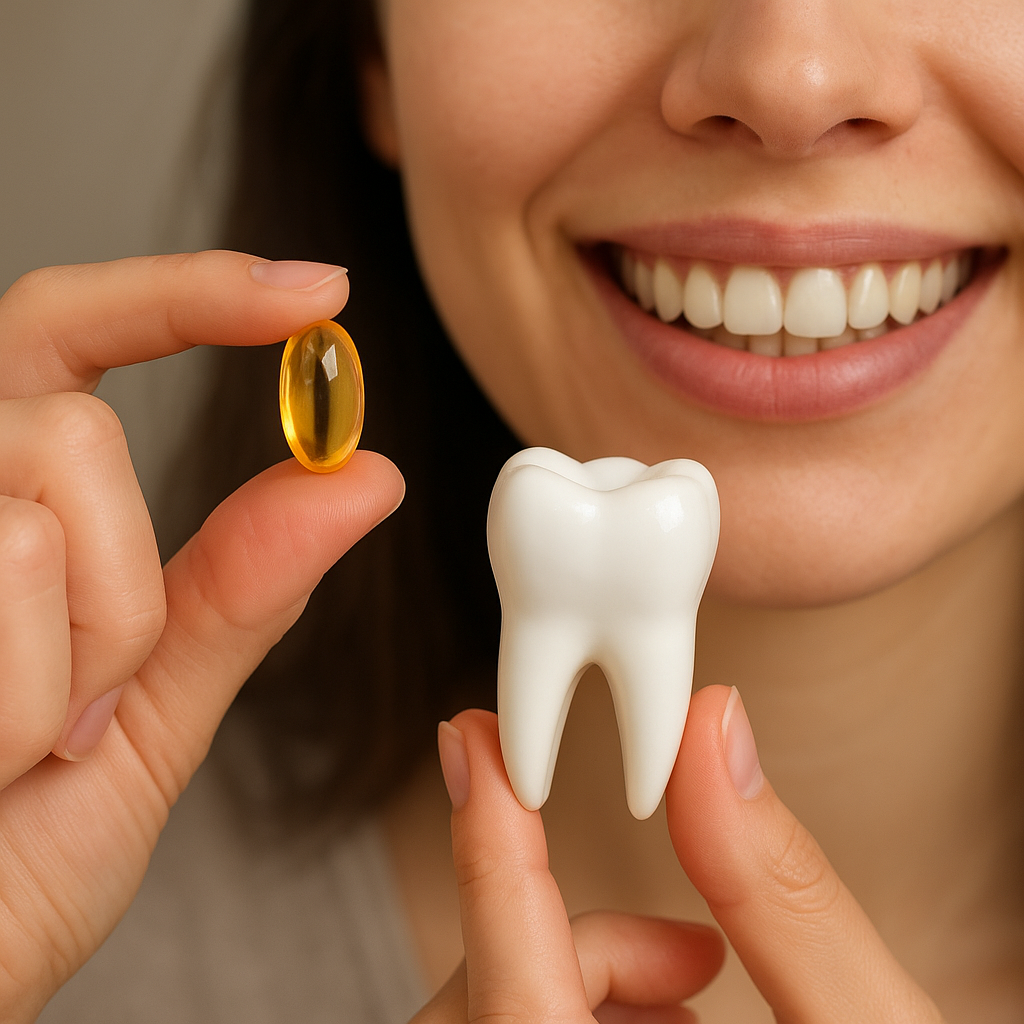
Oral vitamin D3 is preferred for raising serum levels. Current guidelines often recommend 600–800 IU daily for adults, though higher doses may be necessary to correct documented deficiency. Dental clinicians should discuss potential interactions and ensure monitoring of serum calcium to prevent hypercalcemia. Collaboration with medical colleagues helps establish individualized regimens, balancing efficacy and safety.
Future Research and Innovations
Genetic Factors and Personalization
Polymorphisms in vitamin D receptors and enzymes may influence individual responses. As precision medicine advances, genomic profiling could guide personalized supplementation strategies, optimizing oral outcomes and minimizing adverse effects.
Novel Delivery Systems
Emerging technologies include vitamin D–enriched dental materials and slow-release films designed to locally enhance mineralization. These innovations hold promise for targeted therapeutic approaches, directly benefiting enamel and bone regeneration.
Interdisciplinary Collaborations
Synergies between dentistry, nutrition, endocrinology, and public health are critical. By forging partnerships, researchers and clinicians can develop comprehensive protocols that integrate dietary education, sun exposure guidance, and clinical monitoring, reinforcing the role of vitamin D in holistic care.