The concept of swishing oil in the mouth to promote dental wellness has captivated both laypeople and professionals. Oil pulling, an ancient Ayurvedic practice, involves rinsing the oral cavity with edible oil for a designated period. Despite its historical roots, modern **dentists** and researchers continue to evaluate its **efficacy**, scrutinizing claims about plaque reduction, toxin removal, and gum health. This article explores the science, clinical evidence, practical considerations, and safety of oil pulling, offering an informed perspective for dental professionals and patients alike.
The Science Behind Oil Pulling
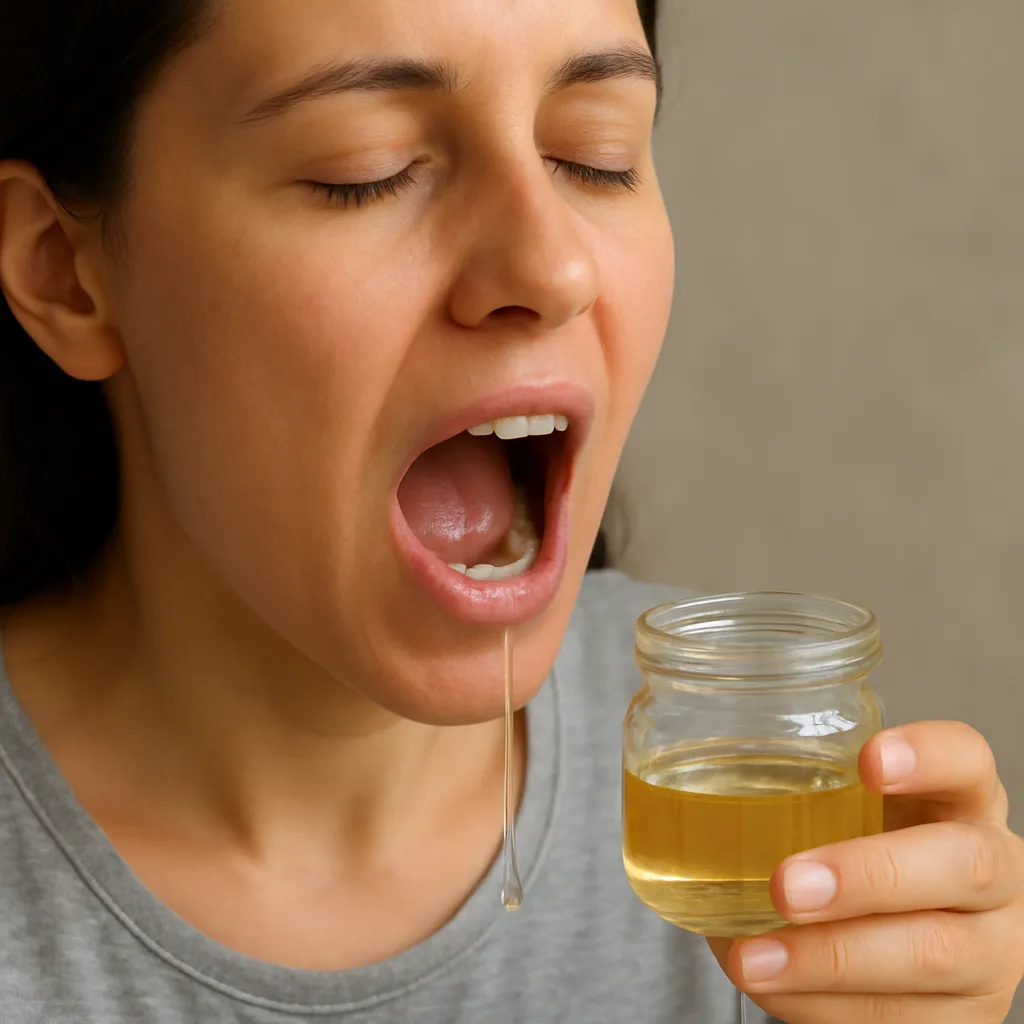
At its core, oil pulling hinges on the ability of certain edible oils to interact with oral fluids, bacteria, and debris. The practice typically involves swishing 10–15 milliliters of oil—commonly **coconut**, sesame, or sunflower—around the mouth for 10–20 minutes before expelling it. Proponents assert that the oil’s **lipid** molecules bind to lipophilic bacterial cell walls, effectively emulsifying microbial colonies and **biofilm**.
Mechanisms of Action
- Emulsification: Viscous oils disperse in saliva, trapping suspended particles and microorganisms.
- Hydrophobic Interaction: Many oral pathogens have lipid-rich cell envelopes, which attract and adhere to the oil’s nonpolar molecules.
- Mechanical Cleansing: The act of swishing dislodges debris and bacteria through shear forces.
Impact on Oral Microbiome
While traditional mouthwashes employ **antimicrobial** agents like chlorhexidine or essential oils, oil pulling leverages a physicochemical approach. Preliminary in vitro studies suggest oil pulling can reduce colony-forming units of Streptococcus mutans and Candida albicans. However, the overall effect on the complex **oral microbiome** remains under investigation. Maintaining a balanced microbial ecosystem is vital, and indiscriminate eradication of both harmful and beneficial bacteria could inadvertently impair oral defense mechanisms.
Clinical Evidence and Research Findings
Rigorous clinical trials on oil pulling are limited, but several small-scale studies offer insights:
- In a randomized controlled trial, participants who practiced oil pulling with sesame oil for 40 days exhibited a statistically significant decrease in **plaque index** and **gingival index**, comparable to those using chlorhexidine mouthwash.
- Another study involving coconut oil demonstrated a reduction in oral microbial counts after two weeks, though the sample size was under 30 subjects.
- Case reports describe improvements in **halitosis**, with patients noting fresher breath after regular oil pulling sessions. Yet these observations often rely on subjective measures.
Limitations of Current Research
- Small sample sizes and varying protocols make cross-study comparisons difficult.
- Often, the control groups use water or no intervention, rather than standard-of-care mouthwashes.
- Follow-up durations are typically short, raising questions about long-term benefits or drawbacks.
Potential Benefits and Limitations
Reported Advantages
- Plaque Control: Some participants show decreased plaque accumulation on buccal and lingual surfaces.
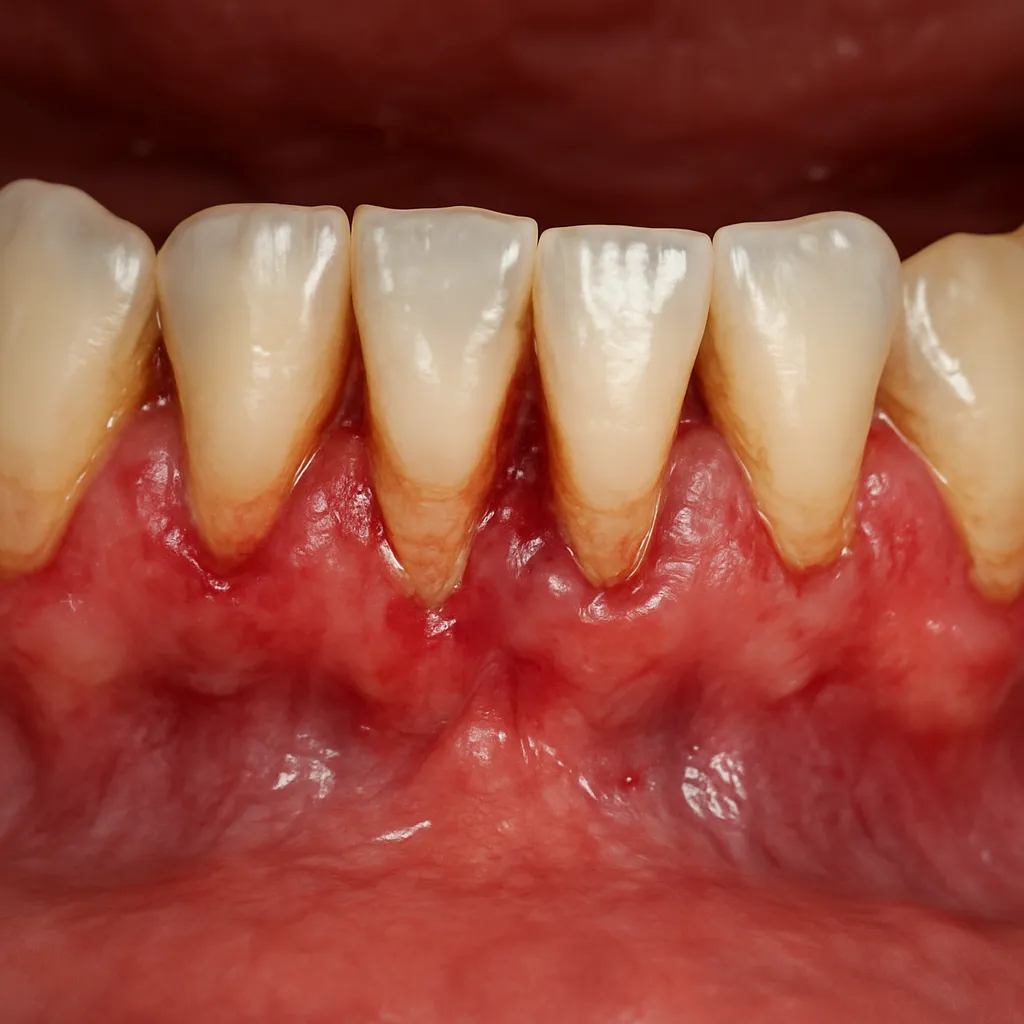
- Gum Health: Lower gingival inflammation and bleeding scores have been observed.
- Breath Freshness: Reduction in volatile sulfur compounds (VSCs) contributes to improved **halitosis** management.
- Natural Alternative: Appeals to patients seeking holistic or **chemical-free** regimens.
Key Limitations
- Time Commitment: A 15–20 minute swishing session may discourage adherence.
- Adverse Effects: Extended swishing can cause jaw fatigue, **salivary** gland soreness, or nausea if oil is swallowed inadvertently.
- Risk of Lipid Pneumonia: Rare but serious, aspiration of oil droplets into the lungs can lead to lipoid pneumonia, particularly in patients with swallowing disorders.
- Variable Efficacy: Response depends on oil type, swishing duration, and individual oral conditions.
Practical Guidelines for Dental Professionals
When patients inquire about incorporating oil pulling into their oral hygiene routine, dentists can provide balanced guidance:
Recommended Protocol
- Select a high-quality, cold-pressed edible oil—coconut oil for its lauric acid content or sesame oil for its antioxidant properties.
- Advise rinsing or gently swishing for no more than 15 minutes to minimize jaw strain and absorption risks.
- Encourage patients to spit the oil into a trash receptacle rather than the sink, to prevent plumbing issues.
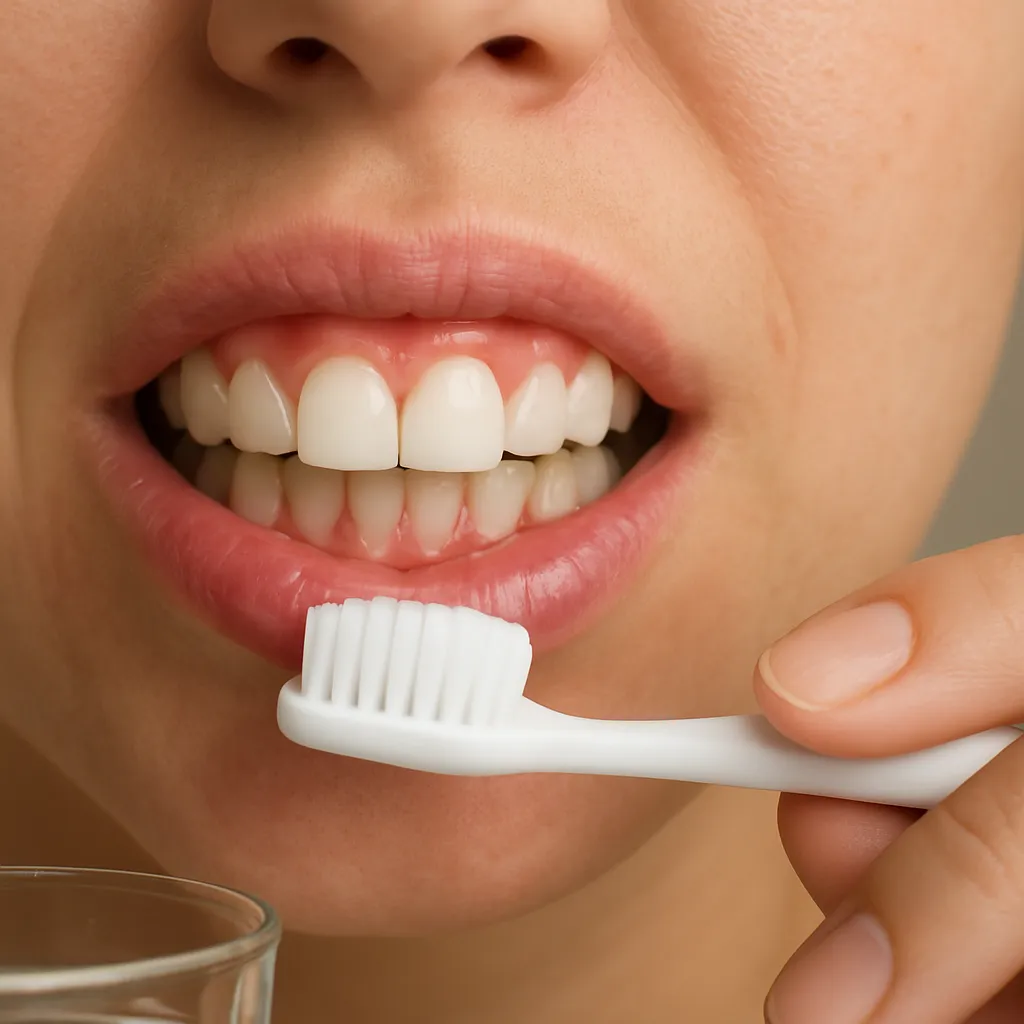
- Emphasize continuation of standard care: brushing twice daily with fluoride toothpaste, flossing, and routine dental check-ups.
Patient Education Points
- Oil pulling is an adjunct, not a replacement, for evidence-based practices like professional cleanings and fluoride treatments.
- Discontinue if adverse symptoms occur: excessive dryness, oral irritation, or persistent nausea.
- Monitor outcomes: schedule follow-ups to assess plaque index, gingival status, and patient satisfaction.
- Consider contraindications: individuals with uncontrolled gag reflex, impaired swallowing, or respiratory conditions may be at higher risk for complications.
Integrating Oil Pulling into Holistic Dentistry
Holistic dental practitioners often view oil pulling as part of a comprehensive wellness strategy. When combined with dietary counseling, stress management, and targeted **nutraceuticals**, oil pulling may contribute to an integrated approach. However, it remains crucial to base all recommendations on current scientific evidence and individual patient needs.
Collaborative Care Approach
- Work with nutritionists to identify foods rich in vitamins C, D, and K2 for optimal periodontal support.
- Incorporate stress management techniques—such as guided relaxation—to reduce bruxism and dry mouth.
- Evaluate systemic factors: diabetes control, smoking cessation efforts, and cardiovascular health all intersect with oral inflammation.
Future Research Directions
To solidify the role of oil pulling in dentistry, larger, placebo-controlled trials are needed. Researchers should standardize oil type, swishing duration, and outcome metrics. Investigations into effects on **tooth sensitivity**, enamel integrity, and long-term microbial shifts could clarify clinical relevance.
Conclusion Without Conclusion Heading
Oil pulling presents a **natural**, low-cost adjunctive method for oral hygiene. While some evidence supports its benefits in reducing plaque, gingivitis, and halitosis, limitations in study design and potential risks warrant caution. Dental professionals can guide patients toward safe practice, emphasizing that oil pulling complements—but does not replace—conventional preventive and therapeutic modalities.