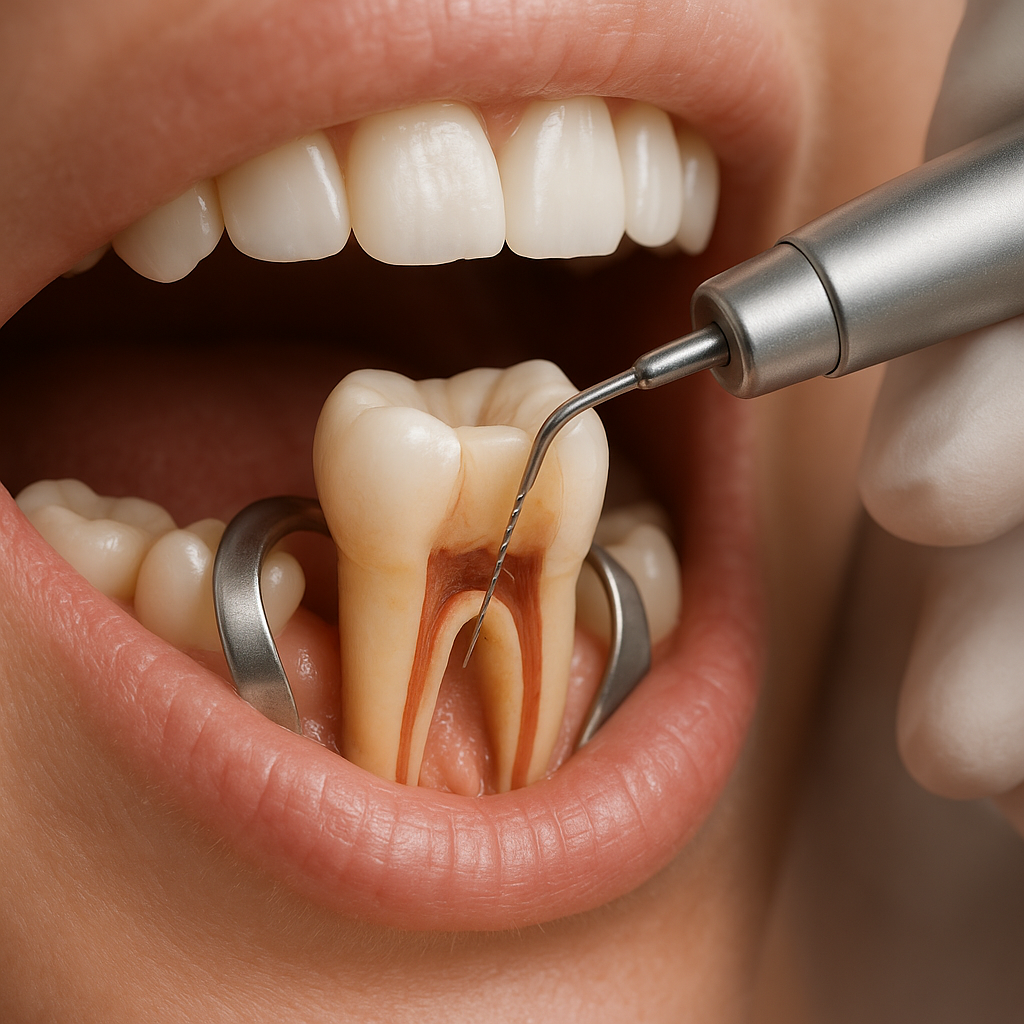
Root canal therapy is a specialized dental procedure aimed at saving a tooth that would otherwise be extracted. By targeting the pulp chamber, dentists eliminate harmful infection while preserving natural tooth structure. Patients often imagine discomfort, but modern techniques and local anesthesia ensure a pain-free experience. Understanding the details can relieve anxiety and prepare individuals for a successful outcome.
Understanding Root Canal Therapy
Inside each tooth lies the soft tissue known as the dental pulp, which contains nerves, blood vessels and connective tissue. When this area becomes inflamed or infected—often due to deep decay, repeated dental procedures or a cracked tooth—bacteria can spread and cause intense pain or even abscess formation. Rather than resorting to extraction, a root canal procedure allows the dentist to remove the compromised pulp, disinfect the canal system and seal the space to prevent reinfection.
Anatomy and Function
- Enamel: the hard outer layer protecting the tooth structure.
- Dentin: a porous layer beneath enamel transmitting sensations.
- Pulp: the innermost soft core housing nerves and blood supply.
- Root canals: narrow channels extending from the pulp chamber to the tooth’s roots.
Keeping the root canal system sterile is crucial. Any residual bacteria can lead to persistent infection or treatment failure. By using a combination of chemical disinfectants and precision instruments, dentists work to establish a sterile environment before filling and restoring the tooth.
Procedural Steps
Each root canal treatment follows a series of well-defined stages to ensure thorough cleaning and optimal healing. The process is typically completed in one to three appointments, depending on the complexity of the case.
1. Initial Examination and Imaging
- A detailed clinical exam assesses tooth sensitivity and gum health.
- Radiographs (X-rays) reveal the extent of decay, root anatomy and any surrounding bone damage.
- A treatment plan is formulated, taking into account the number of canals and any existing restorations.
2. Administering Local Anesthesia
The dentist injects a local anesthetic to numb the tooth and surrounding tissues. Modern anesthetics work quickly and last long enough to keep the procedure pain-free. Patients typically report little to no discomfort from the injection itself.
3. Isolation with Dental Dam
A thin, flexible sheet called a dental dam is placed around the treated tooth. This barrier keeps saliva and bacteria out while preventing instruments from slipping into the mouth. Isolation is key to maintaining a sterile working field.
4. Access and Debridement
- The dentist creates a small opening in the crown to reach the pulp chamber.
- Specialized files are used to remove diseased pulp tissue and shape the canal system.
- Irrigation solutions flush out debris and disinfect the canals.
5. Obturation (Filling the Canals)
Once cleaning and shaping are complete, the canals are dried and filled with a biocompatible material called gutta-percha. This material, often used in combination with a sealer, fills irregularities and creates a tight seal. Proper obturation prevents bacterial re-entry and promotes healing.
6. Final Restoration
After the root canal is sealed, the tooth must be restored to full function. Depending on the amount of remaining tooth structure, the dentist may place a permanent filling or prepare the tooth for a crown. A crown protects against fracture and helps restore normal chewing forces.
Post-Treatment Care and Maintenance
Following root canal treatment, most patients experience mild soreness or sensitivity for a few days. Proper aftercare helps ensure a successful outcome and preserves the treated tooth for the long haul.
Pain Management
- Over-the-counter analgesics such as ibuprofen can alleviate discomfort.
- Avoid chewing on the treated side until full restoration is placed.
- Apply a cold compress to reduce facial swelling if needed.
Oral Hygiene Practices
Maintaining excellent oral hygiene is vital. Brushing twice daily, flossing once a day and using an antiseptic mouthwash reduce the risk of new decay around the treated tooth. Scheduling regular dental checkups allows early detection of any issues.
Follow-Up Appointments
The dentist will monitor healing through periodic X-rays and clinical exams. A well-executed root canal, combined with a proper restoration, typically offers over long-term success rates above 90%.
Dispelling Common Myths
Despite its reputation, root canal therapy is no more painful than receiving a routine filling. In fact, resolving an active infection often translates to more comfort compared to living with an abscessed tooth. Below are some frequent misconceptions:
- Myth: Root canals cause illness. Reality: Removing infection improves health.
- Myth: Extraction is easier. Reality: Saving a natural tooth preserves jawbone integrity.
- Myth: The procedure is unbearably painful. Reality: Modern techniques ensure a pain-free experience.
Empowered with accurate information and under the hands of a skilled endodontist or general dentist, patients can confidently undergo root canal therapy to eliminate pain, eradicate infection and maintain their natural smile.