Regular visits to your dental professional are more than just a pathway to a dazzling smile—they are a cornerstone of lifelong oral health and overall well-being. By scheduling consistent appointments, you benefit from preventive care that identifies potential issues early, reduces the risk of costly procedures, and promotes a confident, healthy mouth.
Understanding the Essential Role of Professional Cleanings
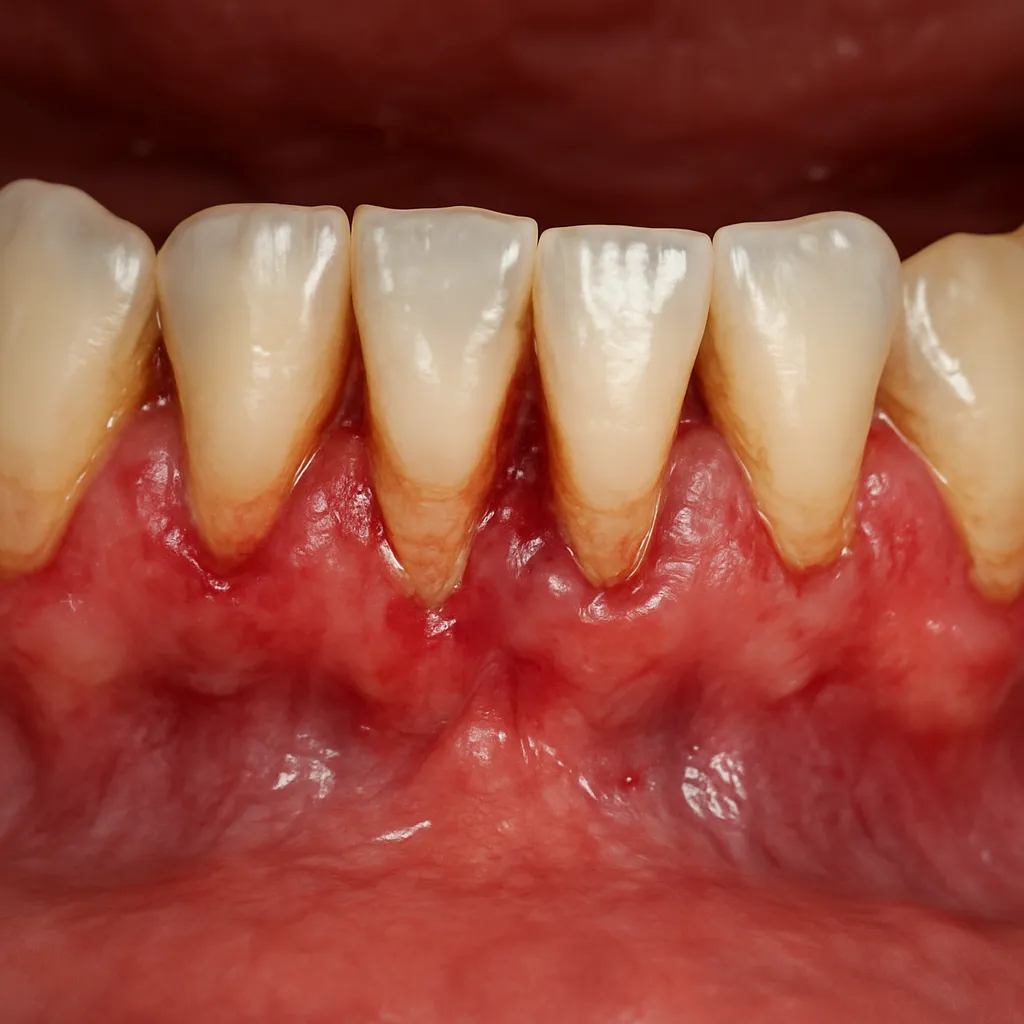
Every day, deposits of plaque—a sticky film loaded with food particles and bacteria—accumulate on your teeth and gumline. When left unchecked, this plaque hardens into tartar, creating safe havens for harmful microbes. Only a trained dentist or hygienist has the tools and expertise to remove these stubborn buildups below and above the gumline.
- Plaque and Tartar Removal: Professional instruments gently but effectively scrape away debris that brushing and flossing alone cannot eliminate.
- Early Detection: Regular exams allow for the prompt identification of decay, chips, cracks, and signs of gum disease.
- Customized Advice: Clinicians tailor recommendations on brushing techniques, diet, and habit adjustments to your unique needs.
Skipping these visits can allow issues to escalate, turning minor irritations into invasive treatments like root canals or extractions.
Health Benefits Beyond a Bright Smile
While a polishing session leaves your teeth gleaming, the advantages of routine cleanings extend much deeper:
- Reduced Risk of Systemic Conditions: Studies link untreated gum inflammation to heart disease, diabetes complications, and respiratory infections.
- Enhanced Digestion: Proper chewing depends on healthy teeth and gums; compromised oral structures can impair breakdown of food.
- Improved Self-Confidence: Fresh breath and a clean mouth boost social interactions and professional performance.
By focusing on prevention, these cleanings help you avoid discomfort, cut long-term expenses, and maintain stronger overall health.
What to Expect During Your Cleaning Appointment
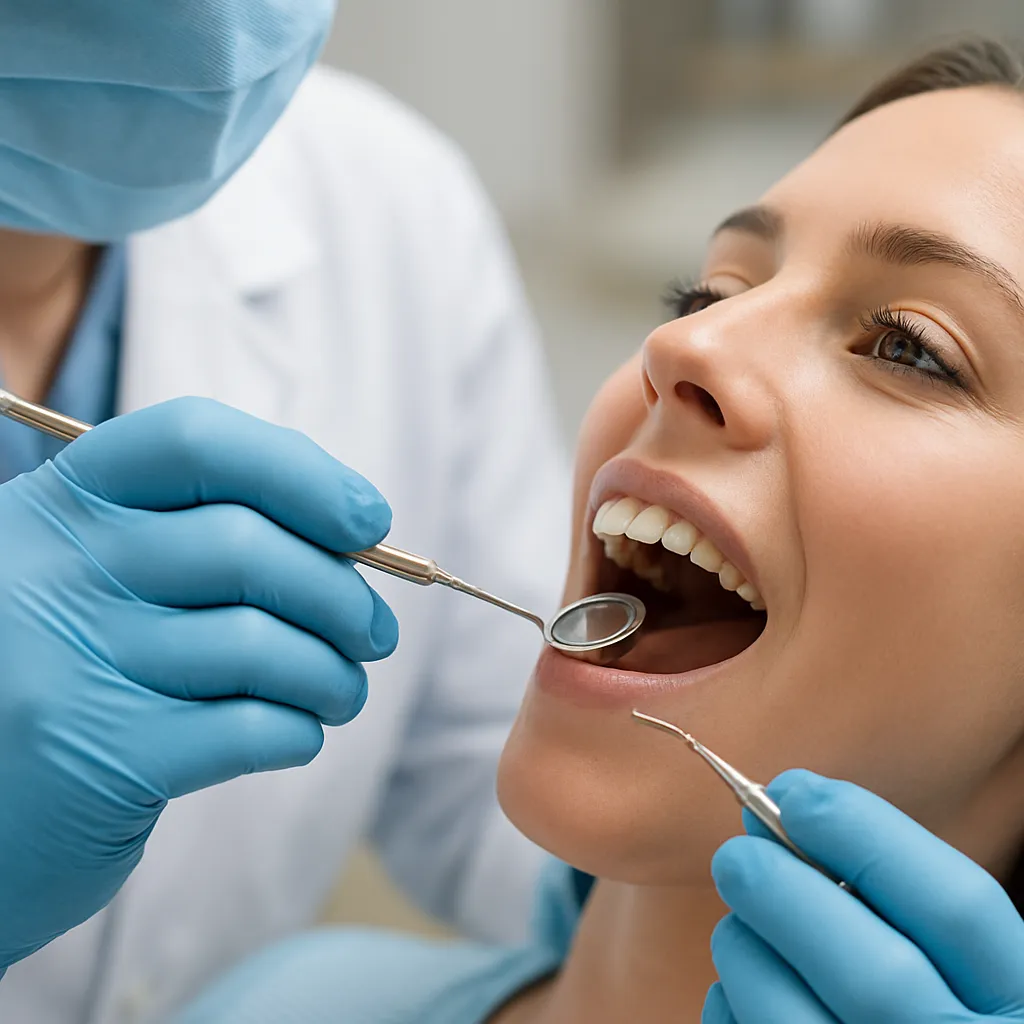
Understanding the flow of a typical visit can ease any anxiety and ensure you’re fully engaged in the process.
1. Comprehensive Examination
- X-rays may be taken to check for hidden decay, bone loss, or impacted teeth.
- The hygienist evaluates your gum health, measuring pocket depths and looking for signs of inflammation.
2. Professional Debridement
- Using specialized instruments, the hygienist removes tartar from the tooth surfaces and beneath the gumline.
- Ultrasonic tools may be utilized for efficient scaling, followed by hand instruments for precision.
3. Polishing and Flossing
- After scaling, a gritty toothpaste paste buffed at high speed removes surface stains and plaque remnants.
- Final flossing cleans between teeth, ensuring no debris remains.
4. Fluoride Treatment (Optional)
- A concentrated fluoride varnish or gel can be applied to strengthen enamel and deter future cavities.
Throughout the visit, feel free to ask questions about any discomfort or the techniques being used. Open dialogue promotes a collaborative approach to your prevention plan.
Choosing the Right Interval for Visits
While the standard recommendation is every six months, individual needs may vary. Factors influencing visit frequency include:
- History of gum disease or aggressive cavity formation
- Use of tobacco products, which increase the risk of periodontal issues
- Systemic health conditions like diabetes or heart disease
- Orthodontic appliances that make cleaning more challenging
Your dentist will assess these risks and may recommend quarterly, triannual, or annual visits accordingly to ensure optimal protection.
Daily Habits to Support Your Dental Care
Between professional appointments, cultivating strong oral hygiene practices is essential to maintain the gains achieved in the dental chair.
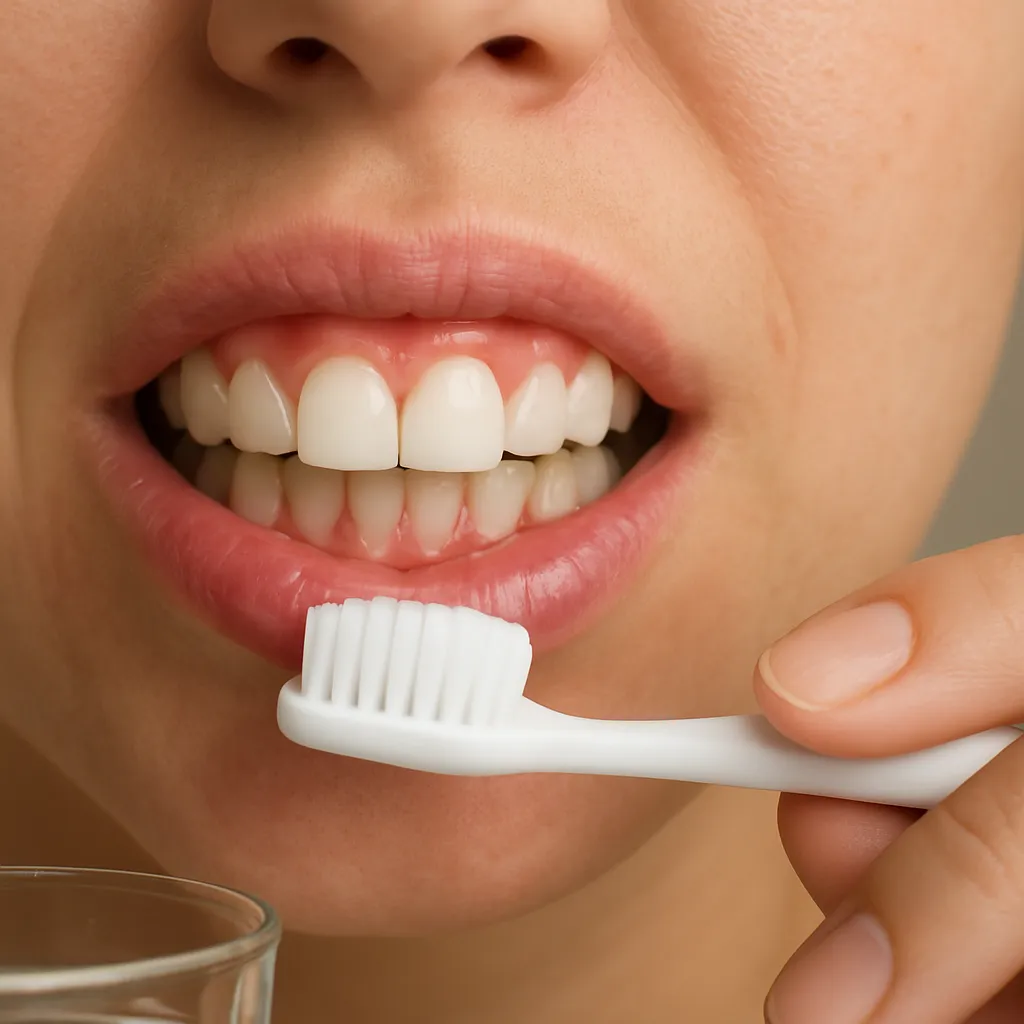
- Brushing Technique: Use a soft-bristled brush at a 45-degree angle to the gumline, moving gently in circular motions for at least two minutes.
- Effective Flossing: Glide floss between teeth and curve it around each tooth to dislodge plaque below the gumline.
- Mouthwash Use: An antiseptic rinse can reduce bacterial levels and freshen breath before bed.
- Dietary Choices: Limit sugary and acidic foods, opting instead for crunchy fruits and vegetables that naturally clean teeth.
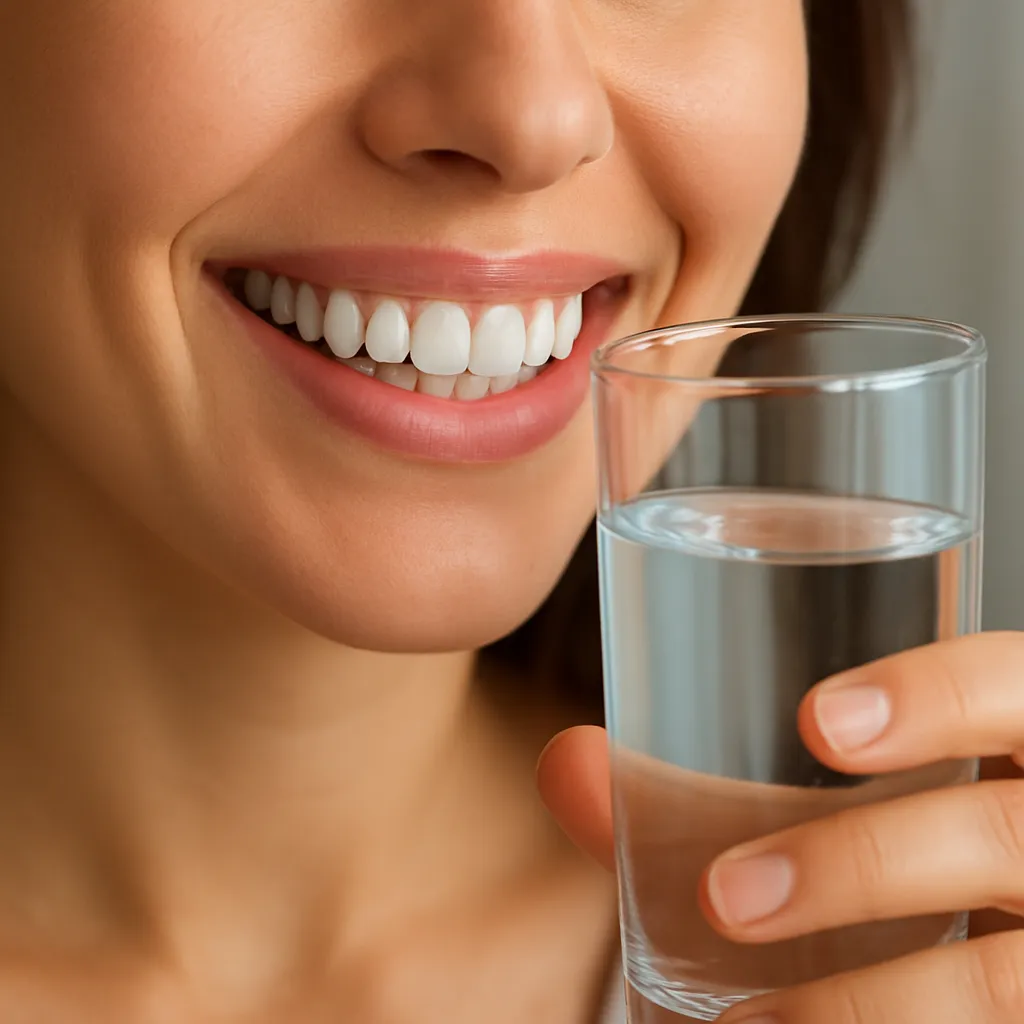
- Hydration: Drinking plenty of water helps flush away debris and supports saliva production, which neutralizes acids.
The Long-Term Impact of Consistent Care
Investing in routine cleanings pays dividends over a lifetime. By keeping bacteria levels under control, preventing enamel erosion, and monitoring oral tissues for early warning signs, you build a resilient foundation for:
- Preserving natural teeth well into advanced age
- Avoiding advanced periodontal treatments or surgical interventions
- Maintaining the confidence that comes with a bright, healthy smile
Regular professional cleanings are an indispensable part of a comprehensive health plan. Collaborate closely with your dental care team to design a schedule and home care routine tailored to your specific situation. This proactive approach maximizes both the longevity and appearance of your teeth, ensuring that your smile remains a source of health and happiness throughout your life.