Many individuals harbor deep-seated reservations about undergoing a root canal treatment, often fueled by outdated anecdotes and sensationalized stories. While this procedure has helped millions retain their natural teeth, a cloud of unfounded beliefs continues to undermine its reputation. By examining these persistent myths through the lens of modern dentistry, we can shed light on how contemporary techniques delivered by skilled dentists ensure both comfort and long-term oral health. Below, we explore several of the most common misconceptions and present evidence-based clarifications.
Perceived pain and fear
Myth: Root canals are extremely painful
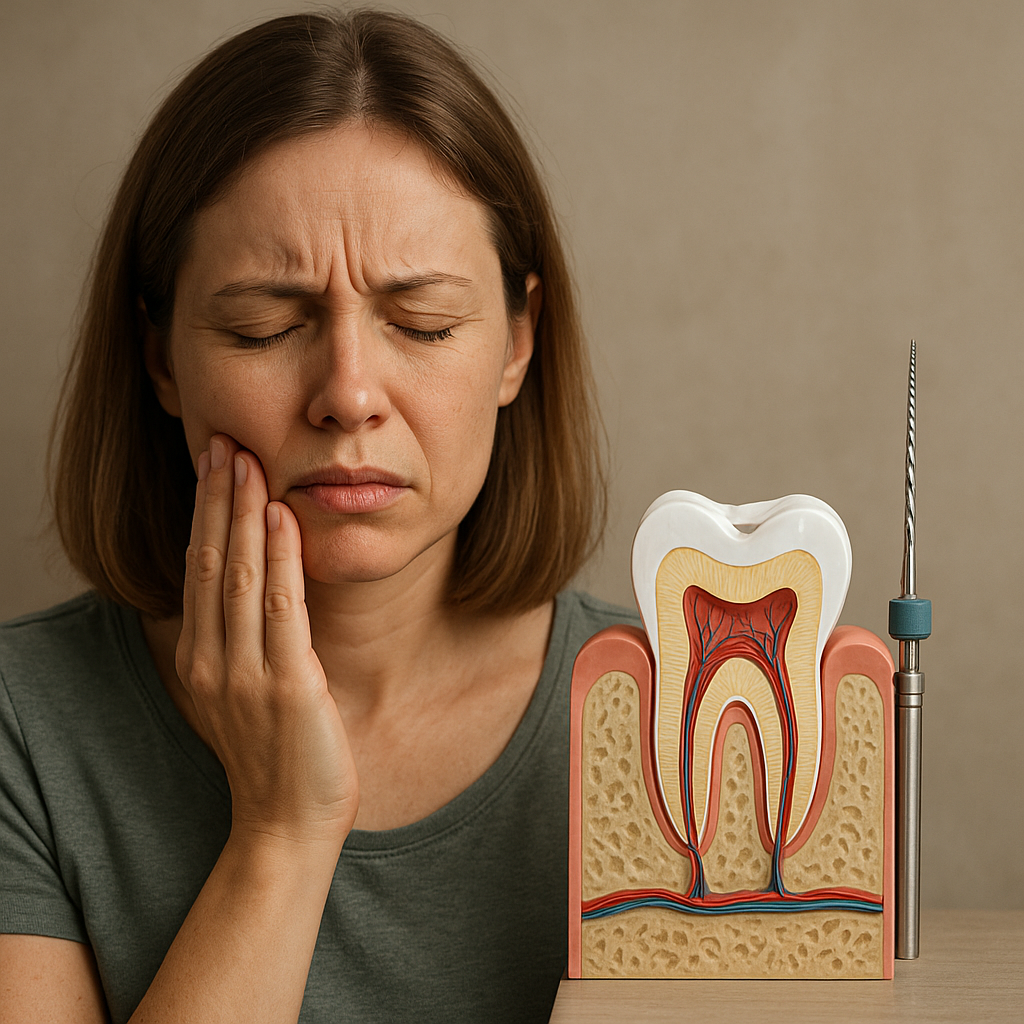
One of the most pervasive myths is that a root canal procedure ranks among the most excruciating dental experiences. Advances in local anesthesia, sedation protocols and instrument design have transformed endodontic visits into relatively pain-free encounters. Patients typically report discomfort comparable to or less than that of a standard dental filling. Postoperative soreness, when present, is managed easily with over-the-counter medications and rarely disrupts daily activities.
Myth: Nerve damage risk is high
Concerns about accidental nerve trauma during treatment often stem from confusion between proximity to nerve pathways and actual injury. Modern imaging techniques, including digital radiographs and three-dimensional scans, allow practitioners to identify nerve locations accurately before any instrumentation. With careful planning and gentle technique, the chance of inadvertent nerve damage is exceedingly low.
Health risks and systemic disease
Myth: Root canals cause or contribute to cancer
This misconception originated in early 20th-century theories lacking scientific rigor. Decades of research have found no credible link between endodontic therapy and malignant conditions. On the contrary, retaining a tooth with a treated and properly sealed root canal often prevents chronic infections that could pose systemic threats.
Myth: Harmful bacteria remain in treated teeth
Critics argue residual microorganisms persist in microscopic tubules after cleaning. In reality, thorough debridement and the use of biocompatible sealers eliminate nearly all bacterial colonies. Additional technologies such as ultrasonic activation and antimicrobial irrigants fortify the disinfection process. When successful, a properly performed root canal eradicates the infectious source, preventing the spread of pathogens to adjacent structures.
Treatment choices: extraction versus preservation
Myth: Extraction is a simpler solution
Removing a damaged tooth might appear straightforward, but it creates new challenges. Missing teeth can lead to adjacent tooth movement, bite collapse and increased load on opposing teeth. Restorative replacements—such as bridges or implants—entail additional surgery, longer healing times and higher cumulative costs. In contrast, a successful root canal followed by a crown typically preserves natural function and aesthetics with less overall intervention.
Myth: Implants are always superior to natural teeth
Dental implants represent a remarkable innovation, yet they are not a universal panacea. The placement procedure carries risks like sinus perforation, nerve impingement and bone resorption. Furthermore, implants demand sufficient bone volume and meticulous hygiene. Whenever feasible, retaining a natural tooth through conservative root canal therapy offers resilience against forces that implants may not perfectly mimic.
Misconceptions about success rates and alternatives
- Myth: Antibiotics alone can resolve a tooth infection
- Myth: Home remedies can replace endodontic treatment
- Myth: Root canal failures are common and inevitable
Prescribing systemic antibiotics without addressing the infected pulpal tissue merely suppresses symptoms temporarily. The necrotic core remains intact, fostering recurrent abscesses. Definitive endodontic intervention is required to eliminate the infection source and prevent antibiotic resistance.
Natural approaches like oil pulling, herbal rinses or dietary adjustments may soothe symptoms but cannot access the intricate root canal network. Only mechanical debridement and precise sealing can halt bacterial proliferation within the canal system.
While no treatment guarantees absolute permanence, modern techniques boast success rates exceeding 90 percent. When complications arise—such as persistent infection or complex canal anatomy—retreatment or adjunctive procedures like apical surgery often restore function without extraction.
Building confidence in modern care
Debunking these myths empowers patients to make informed decisions. With continued innovations—ranging from magnification loupes and operating microscopes to bioceramic sealers—root canal therapy stands as a reliable, conservative choice. Partnering with an experienced professional ensures a personalized plan that safeguards oral health and preserves the natural dentition for years to come.