Maintaining optimal oral health through natural methods empowers you to protect your smile without relying solely on synthetic products or aggressive treatments. By understanding the root causes of dental decay and adopting targeted dietary, hygiene, and lifestyle strategies, you can foster a balanced environment in your mouth where beneficial microorganisms thrive and harmful factors are kept at bay. Below, explore key approaches to preventing cavities naturally and boosting your overall dental resilience.
Understanding the Foundations of Tooth Decay
The process of cavity formation begins when acidic byproducts from bacteria interact with your tooth’s protective enamel. Over time, repeated acid attacks can erode this hard outer layer, exposing softer dentin beneath and eventually leading to cavities. Key elements in this process include:
- Plaque accumulation: A sticky biofilm of bacteria that adheres to tooth surfaces and gums.
- Fermentable sugars: Dietary carbohydrates broken down by bacteria, producing acids that weaken enamel.
- Saliva balance: Your natural defense against acid, providing important minerals for remineralization.
When the rate of demineralization outpaces remineralization, microscopic pits form in the enamel. Addressing these factors early—before they evolve into painful cavities—requires a combination of protective nutrition, thorough cleaning, and an oral environment that supports repair.
Harnessing Nutritional Power for Dental Resilience
What you eat plays a pivotal role in preventing cavities. A nutrient-rich diet can strengthen tooth structure, neutralize acids, and inhibit harmful bacterial growth. Consider the following strategies:
1. Emphasize Mineral-Rich Foods
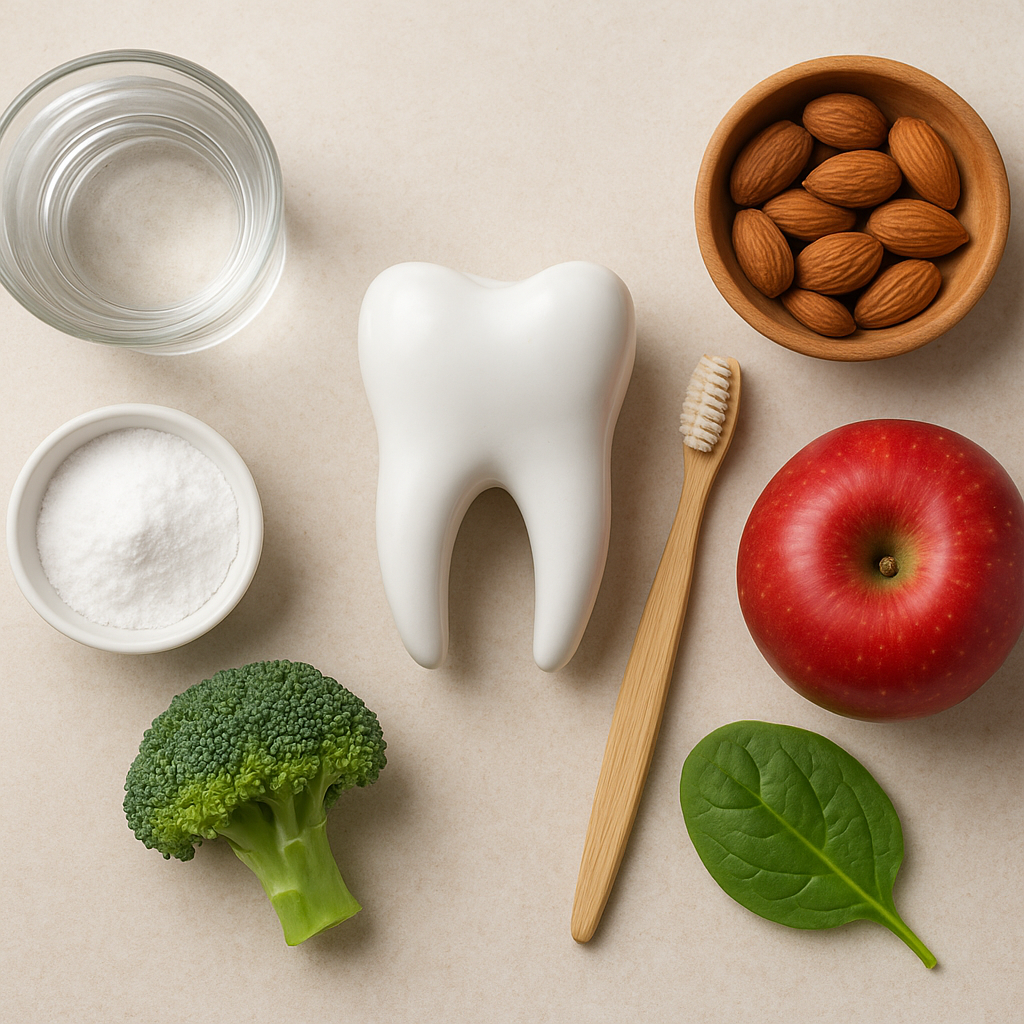
- Dairy products such as cheese and yogurt supply abundant calcium and phosphate, essential for remineralizing weakened enamel.
- Leafy greens like kale and spinach offer plant-based minerals and vitamins that support gum health and bone strength.
- Seeds and nuts provide magnesium and phosphorus, acting as co-factors in enamel repair.
2. Incorporate Fiber and Crunchy Produce
- Crisp fruits and vegetables—apples, carrots, celery—stimulate saliva flow, which buffers acids and supplies minerals back to enamel.
- High-fiber vegetables also mechanically scrub tooth surfaces, reducing plaque buildup between brushing sessions.
3. Choose Natural Sweeteners and Sugar Alternatives
- Xylitol, a sugar alcohol found in berries and birch bark, inhibits bacterial adhesion and acid production.
- Stevia and erythritol have minimal impact on oral pH and do not feed cavity-causing bacteria.
4. Maintain Proper Hydration
Water intake is crucial for sustaining healthy saliva production. Saliva not only dilutes acids but also transports calcium and phosphate to vulnerable enamel surfaces. Drinking fluoridated water can further enhance enamel resistance by incorporating trace amounts of fluoride during the remineralization process.
Optimizing Oral Hygiene with Natural Techniques
Beyond nutrition, daily hygiene routines create the frontline defense against cavity formation. Consider integrating these natural practices into your regimen:
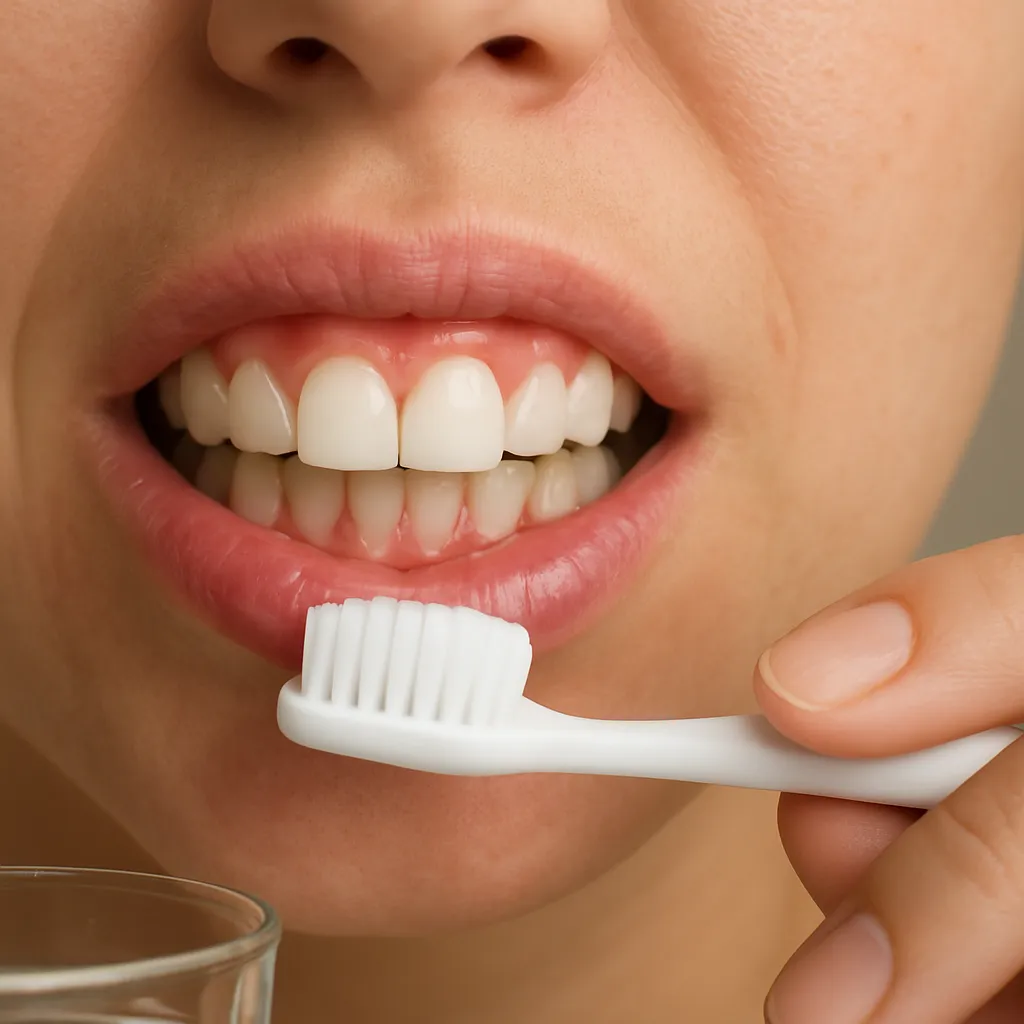
1. Gentle, Thorough Brushing
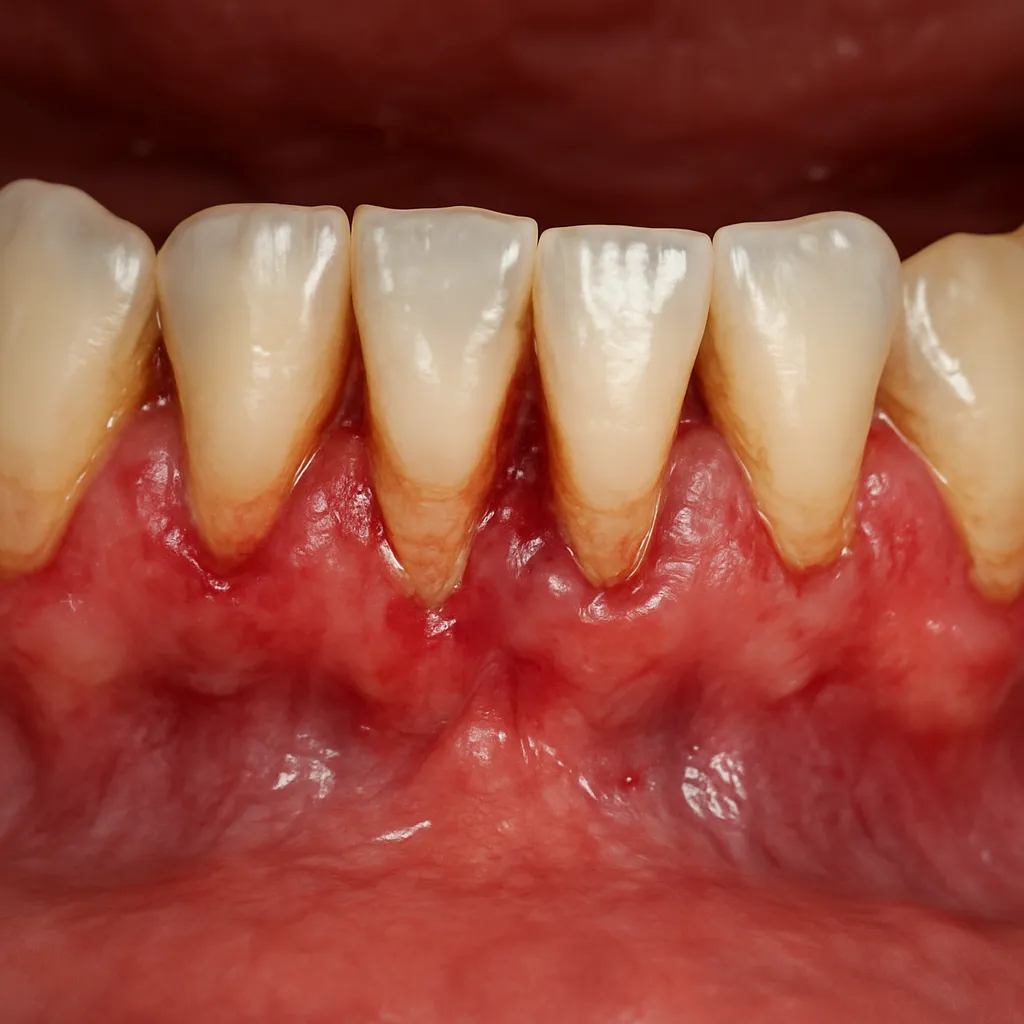
- Use a soft-bristled toothbrush to avoid gum recession and enamel abrasion.
- Opt for a non-toxic fluoride toothpaste or a herbal alternative that contains hydroxyapatite, mimicking tooth mineral structure.
- Brush for at least two minutes, covering all surfaces in a systematic pattern.
2. Flossing and Interdental Cleaning
- Daily interdental cleaning removes trapped food particles and disrupts plaque between teeth.
- Natural waxed floss or bamboo picks can slide gently between tight spaces without shredding.
3. Oil Pulling and Antimicrobial Rinses
- Swishing a tablespoon of cold-pressed coconut or sesame oil for 10–15 minutes can reduce bacterial load.
- Herbal mouth rinses containing neem, clove, or tea tree oil offer antimicrobial benefits without synthetic additives.
4. Probiotic Support
- Oral probiotics foster a balanced microbiome in the mouth, discouraging overgrowth of acid-producing species.
- Look for probiotic supplements designed specifically for oral health, containing strains like Streptococcus salivarius K12.
Lifestyle Factors and Professional Guidance
Natural cavity prevention also depends on broader habits and regular monitoring by dental professionals:
1. Manage Stress and Sleep
- Chronic stress can reduce saliva production, increasing susceptibility to decay.
- Quality sleep supports immune function, helping the body regulate oral bacteria.
2. Avoid Harmful Habits
- Tobacco use and excessive alcohol disrupt oral tissues and lower saliva flow.
- Frequent snacking on refined carbohydrates sustains acid challenges against enamel.
3. Regular Dental Check-ups
- Biannual exams allow early detection of enamel demineralization and hidden cavities.
- Professional cleanings remove hardened tartar that at-home brushing cannot reach.
- Dentists can recommend personalized natural adjuncts like topical fluoride varnishes or sealants when appropriate.
4. Customized Natural Interventions
A dental professional familiar with holistic care can tailor an oral health plan incorporating remineralization therapies, dietary assessments, and safe, plant-based products. This collaborative approach ensures your natural efforts align with clinical expertise, maximizing cavity prevention.