Senior oral care demands a multifaceted approach that combines daily routines, balanced nutrition, and regular professional support. This article delves into practical guidance, helping older adults preserve a bright smile and robust oral health well into their golden years.
Maintaining Effective Oral Hygiene
Choosing the Right Tools
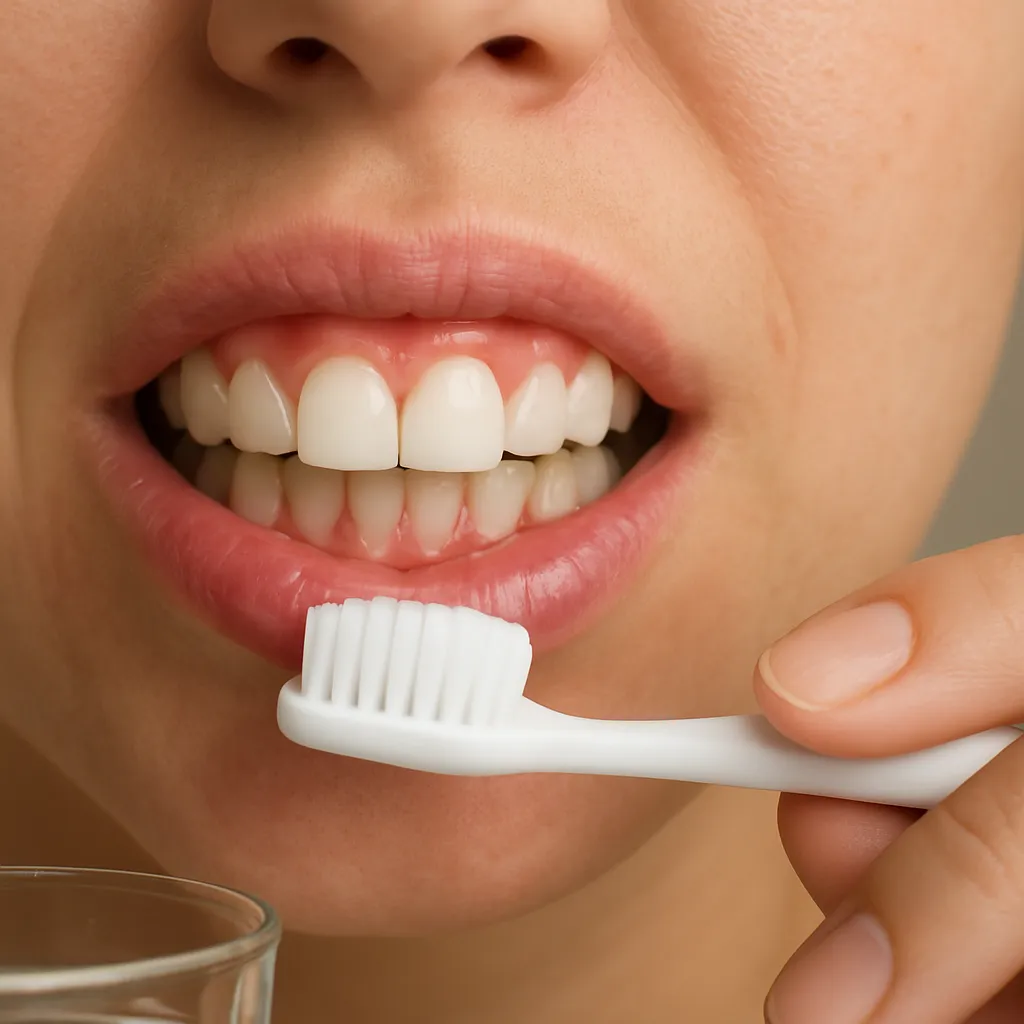
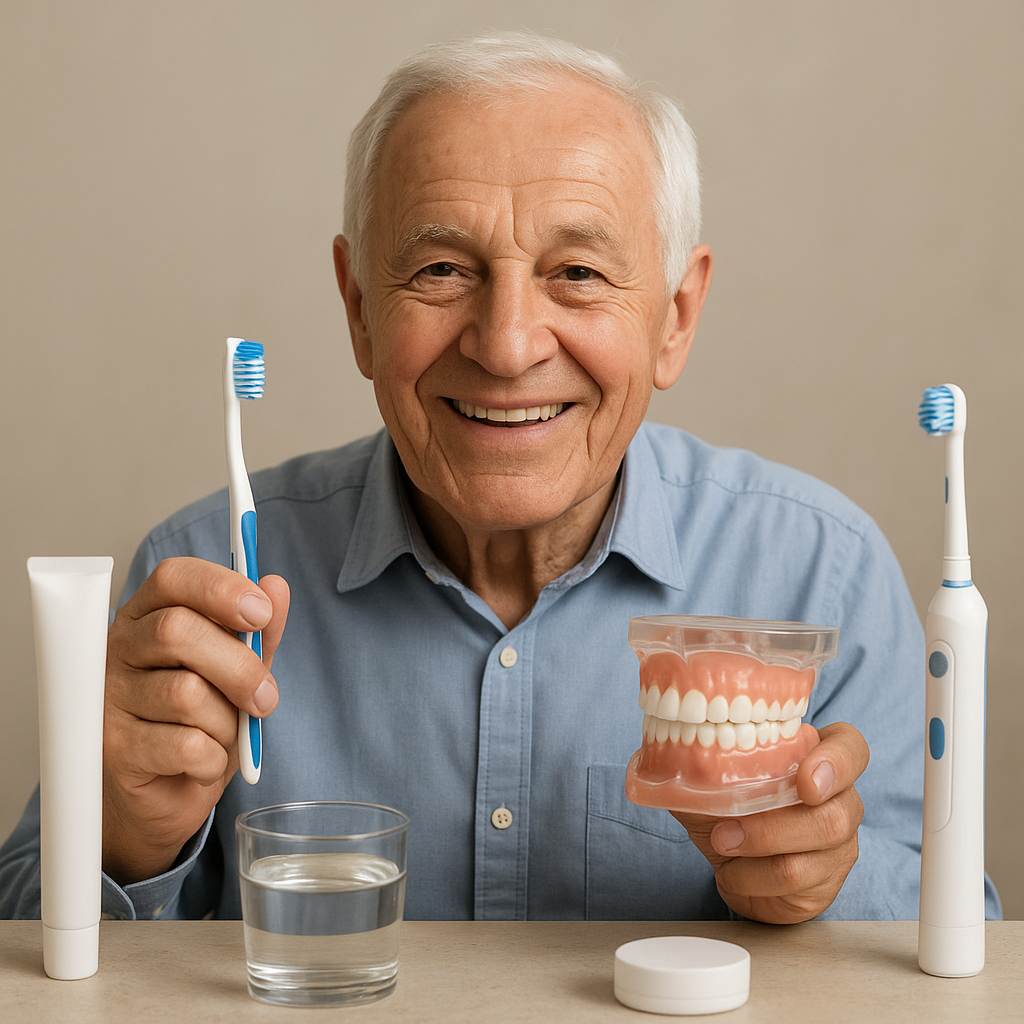
Selecting an appropriate toothbrush and toothpaste is the cornerstone of a successful hygiene regimen. Soft-bristled brushes reduce gum irritation and reach tight spaces, while electric brushes offer consistent pressure and motion. For those experiencing limited dexterity, adaptive handles and rechargeable models enhance control.
- plaque removal: Opt for brushes with angled bristles to target buildup along the gumline.
- Fluoride toothpaste: Strengthens enamel and combats sensitivity.
- Interdental aids: Floss or water irrigators to clear food debris between teeth.
Mastering Brushing and Flossing Techniques
Gentle, circular strokes protect gums from recession. Hold the brush at a 45-degree angle and spend at least two minutes covering all surfaces. Floss daily, guiding the strand underneath each contact point to prevent gingivitis. If traditional flossing proves challenging, consider floss picks or water flossers.
Nutritional Guidelines for a Healthy Mouth
What we eat directly influences oral tissues and systemic wellness. A balanced diet rich in vitamins, minerals, and ample hydration fosters stronger enamel and resilient gums.
Essential Nutrients
- Calcium and vitamin D: Milk, yogurt, and fortified cereals support enamel integrity.
- Vitamin C: Fresh fruits like oranges and strawberries bolster gum health and collagen formation.
- Phosphorus: Found in lean meats, fish, and nuts, it aids remineralization of teeth surfaces.
Hydration and Saliva Production
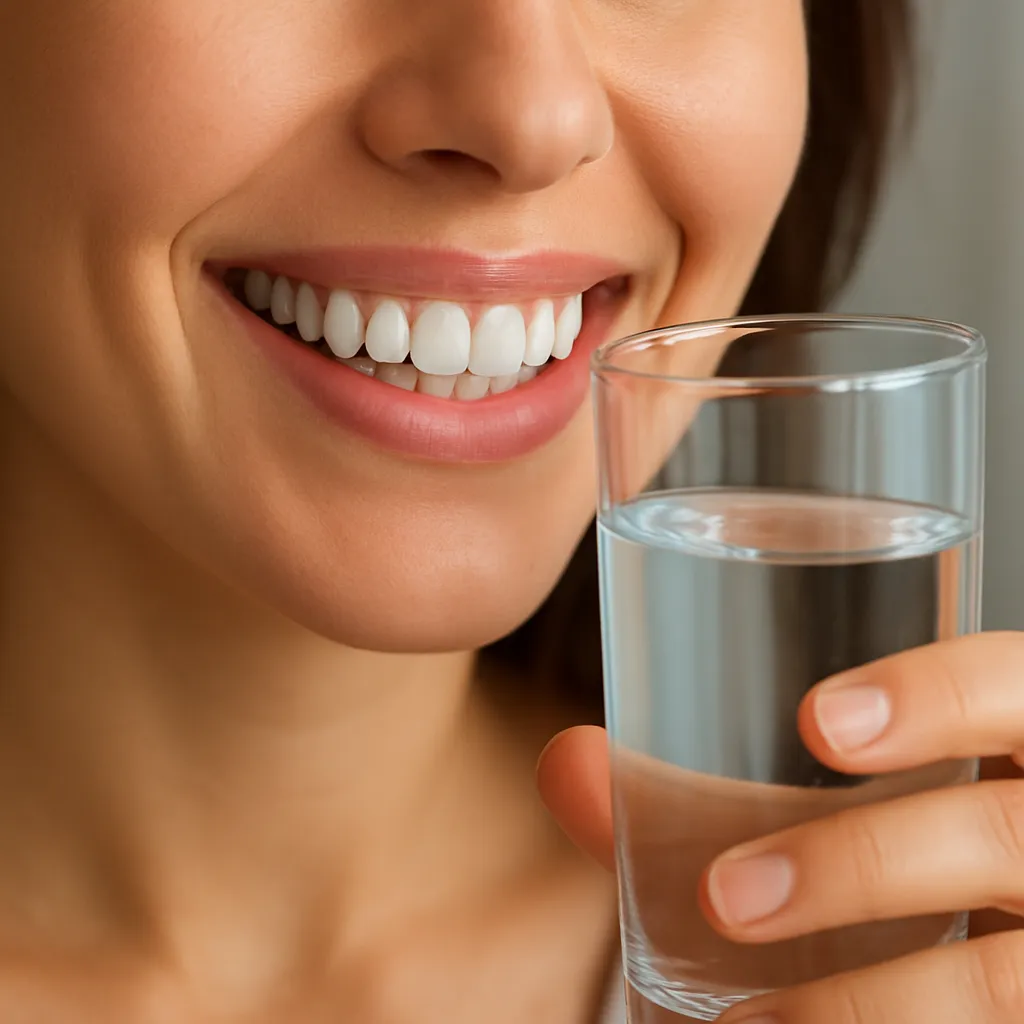
Reduced saliva flow often leads to a dry mouth, increasing risk of decay. Sipping water throughout the day helps wash away sugars and acids. Sugar-free gum or lozenges containing xylitol can stimulate natural saliva, providing a protective film over teeth.
Addressing Common Dental Issues and Solutions
Dry Mouth Management
Many medications and age-related gland changes cause xerostomia, raising susceptibility to cavities and oral infections. Strategies include:
- Using alcohol-free mouth rinses to prevent further dryness.
- Applying saliva substitutes available at pharmacies.
- Avoiding caffeine and tobacco, both of which exacerbate dehydration.
Treating Gum Disease
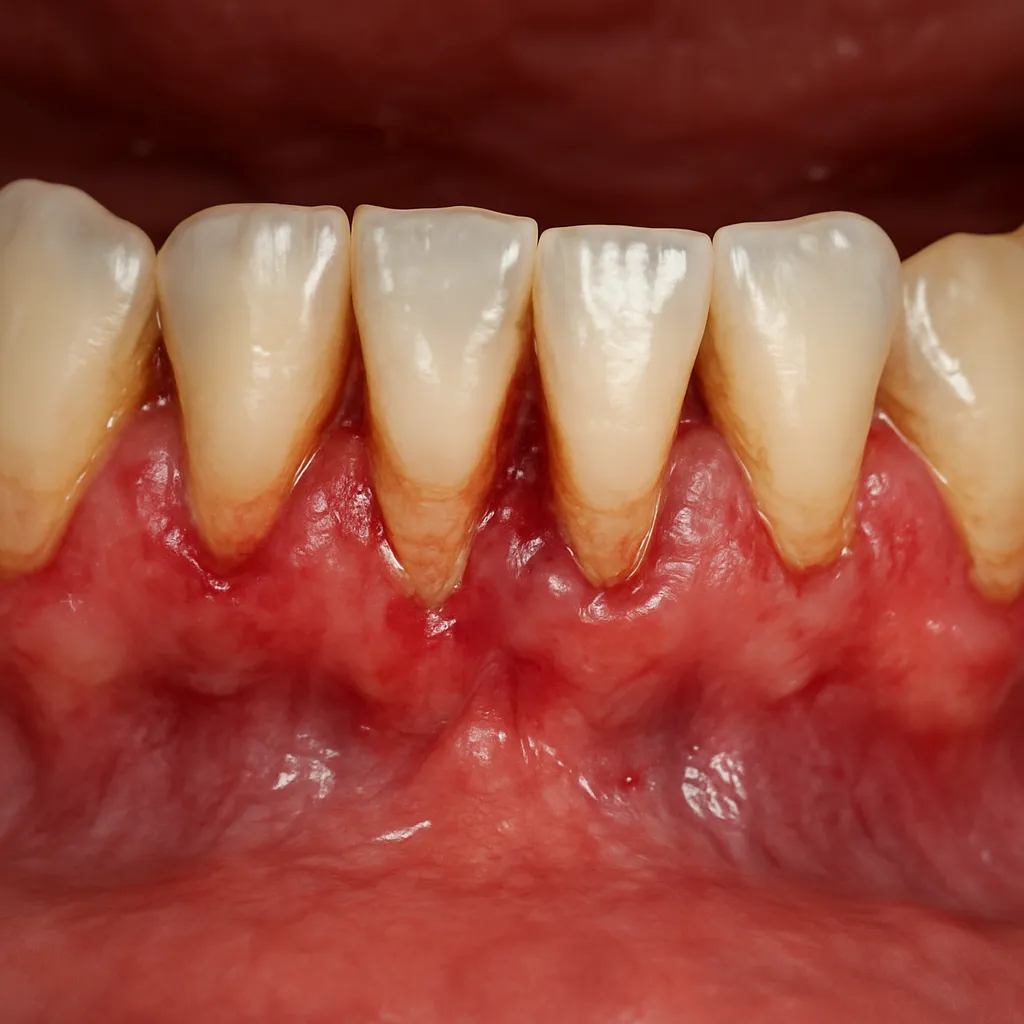
“Periodontal disease” progresses silently, leading to bone loss and tooth mobility. Early signs like bleeding or swelling require prompt care:
- Professional scaling and root planing to remove hardened tartar beneath the gumline.
- Antimicrobial rinses prescribed by a dentist to curb bacterial colonization.
- Consistent home care to maintain gingival health and prevent recurrence.
Managing Tooth Sensitivity
Sensitivity often accompanies enamel erosion or gum recession. Products containing fluoride or potassium nitrate can provide relief by occluding exposed tubules. Avoid acidic foods and extreme temperature beverages to minimize discomfort.
Professional Dental Visits and Advanced Treatments
Regular Checkups and Preventive Care
Semiannual dental visits allow early detection of decay, oral cancer screenings, and evaluation of prosthetic appliances. Your provider may recommend more frequent appointments based on risk factors.
Restorations and Prosthetics
As life unfolds, certain teeth may require crowns, bridges, or dentures. Modern materials deliver natural aesthetics and improved function.
- Implant-supported dentures: Enhance stability and preserve jawbone density.
- Removable partials: Cost-effective solutions to replace missing teeth and prevent shifting.
- Composite fillings: Tooth-colored resin that bonds directly to enamel, restoring form and strength.
Advanced Gum Therapies
For persistent periodontal pockets, minimally invasive procedures like laser-assisted debridement or localized antibiotic delivery can promote tissue reattachment and bone preservation.
Strategies for Long-Term Dental Well-Being
Behavioral Considerations
Smoking cessation dramatically reduces the risk of gum disease, oral cancer, and implant failure. Likewise, minimal alcohol consumption contributes to healthier oral tissues.
Lifelong Learning and Support
Staying informed about emerging techniques—electric toothbrushing advancements, probiotics for oral balance, and smart apps for tracking hygiene—empowers seniors to take charge of their care.
- Join local support groups or online forums to share experiences and tips.
- Consult hygienists for personalized home-care checklists.
- Leverage reminder systems for medication and appointment adherence.
By combining meticulous daily practices, nutrient-rich diets, and routine professional guidance, seniors can enjoy a lifetime of healthy smiles. Embrace preventive measures, stay proactive about emerging issues, and collaborate closely with your oral care team to sustain optimal dental wellness.