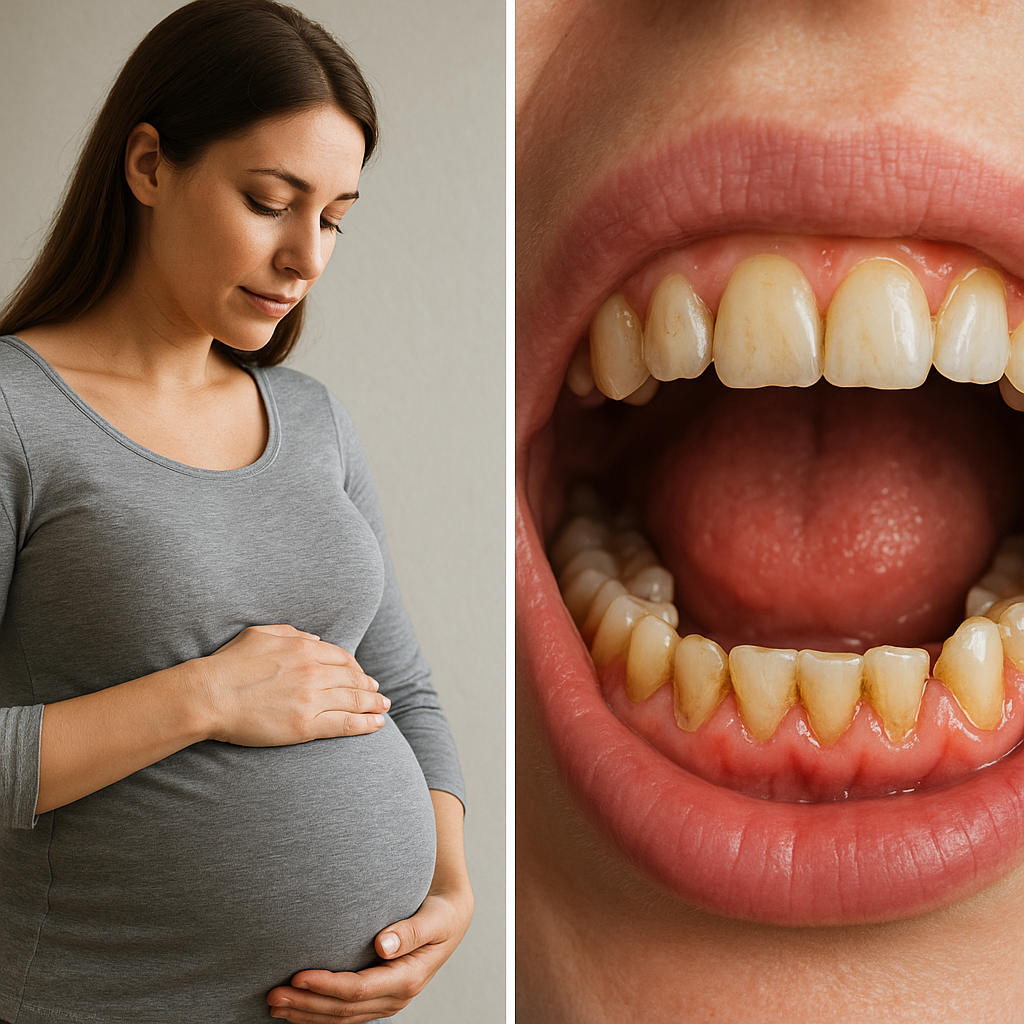
Pregnancy brings a cascade of physiological shifts that have a direct impact on your oral health. As the body adapts to nurture new life, fluctuating hormones can influence gum tissue, saliva composition, and even eating habits. Understanding these changes and adopting the right strategies is crucial for maintaining strong teeth, healthy gums, and overall wellness during this special period.
Hormonal Changes and Oral Health
During the course of pregnancy, rising levels of estrogen and progesterone can alter how gum tissue responds to bacterial plaque. Even if you maintain a stellar dental hygiene routine, you may notice:
- Increased gum sensitivity and bleeding when brushing
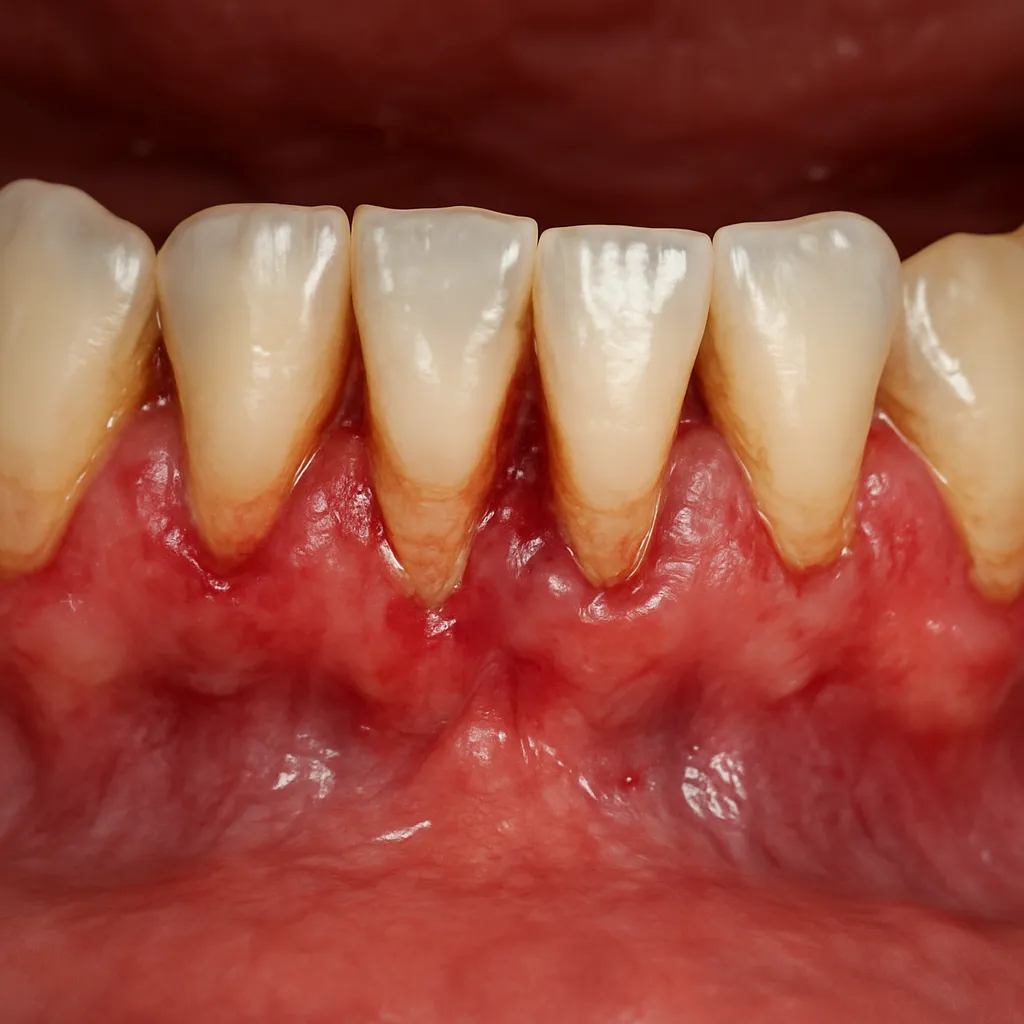
- Swollen or tender gums, often referred to as pregnancy gingivitis
- Heightened risk of developing gum infections due to immune modulation
These changes are most pronounced between the second and eighth months of gestation. If left unchecked, mild inflammation may progress into periodontitis, which can contribute to further complications.
Common Oral Conditions During Pregnancy
Several dental concerns can arise as a direct result of the body’s adaptation to pregnancy. Keeping an eye out for early warning signs and seeking prompt treatment helps prevent serious issues.
Pregnancy Gingivitis
Gingivitis is characterized by red, swollen gums that bleed easily. While this condition can affect anyone, pregnant individuals encounter a higher risk. Typical symptoms include:
- Gum tenderness around the teeth
- Persistent bad breath
- Light bleeding while flossing or brushing
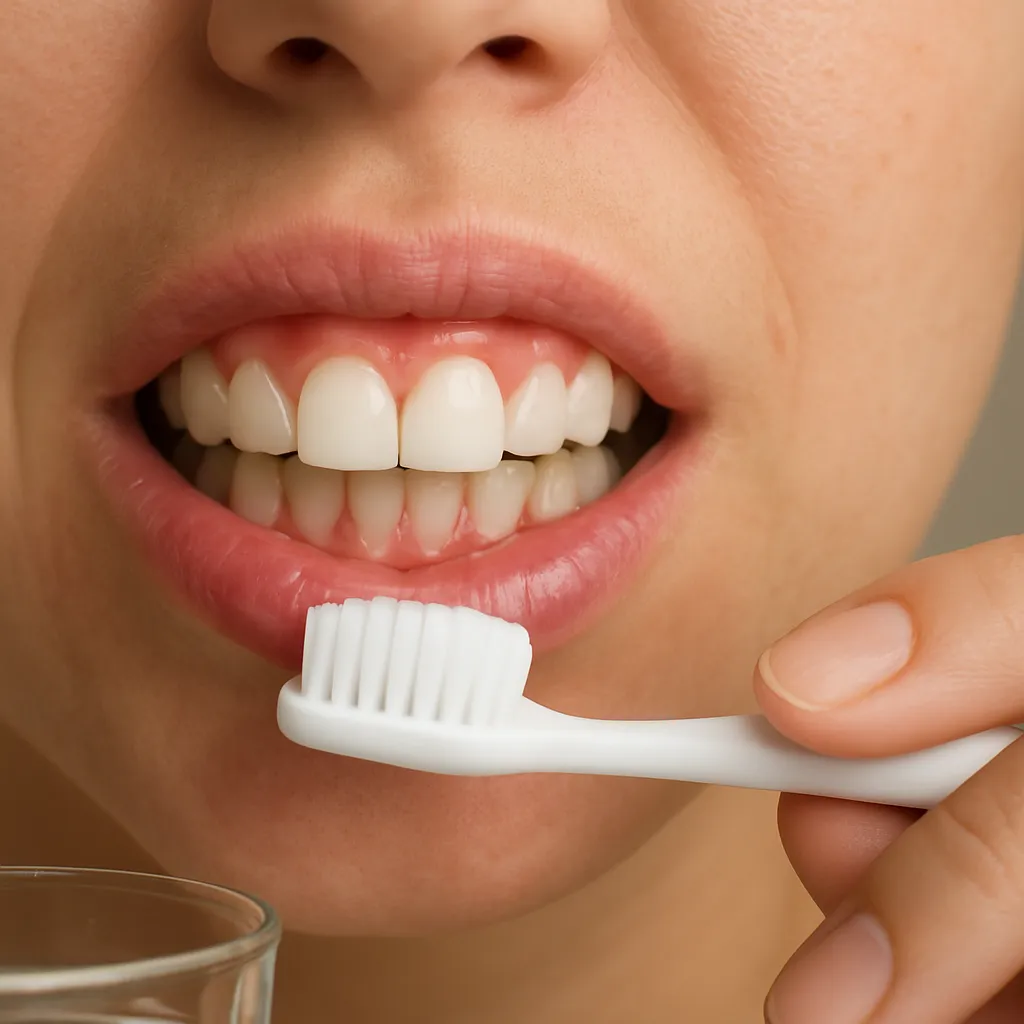
Proper daily care—brushing twice, flossing once, and using an antimicrobial mouthwash—can significantly reduce inflammation.
Pregnancy Tumors
Sometimes called “pregnancy tumors” or pyogenic granulomas, these are non-cancerous growths on the gums. They often develop between the second and eighth months and may appear as small, reddish-purple bumps. While they typically regress after childbirth, routine monitoring by a dentist is advised.
Enamel Erosion and Tooth Decay
Nausea and vomiting can expose tooth enamel to stomach acids, increasing the risk of tooth decay. Additionally, cravings for sugary or acidic snacks can feed harmful bacteria, leading to heightened plaque buildup. Protective measures include:
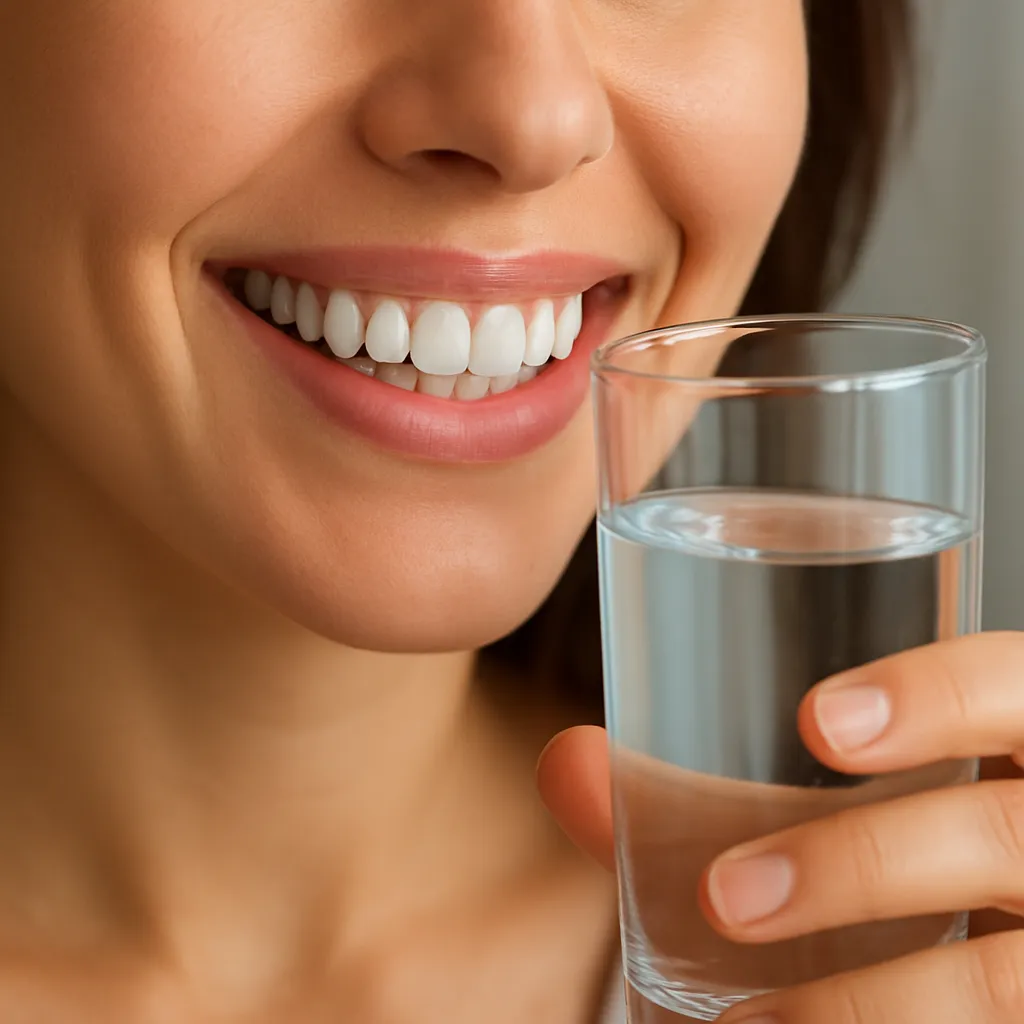
- Rinsing with water or a fluoride rinse after acid exposure
- Choosing nutritious snacks rich in calcium and phosphorus
- Maintaining routine checkups every trimester
Safe Dental Treatments During Pregnancy
Many pregnant individuals wonder about the safety of dental interventions. The American Dental Association affirms that routine cleanings and certain restorative procedures are safe throughout pregnancy, especially in the second trimester. Key considerations include:
- X-rays can be performed with proper shielding to minimize radiation.
- Local anesthetics without epinephrine are commonly used for fillings or extractions.
- Emergency treatments for abscesses or severe infections should never be postponed, as untreated infections pose risks to both mother and baby.
Elective procedures, such as cosmetic whitening, are typically deferred until after delivery to prioritize maternal and fetal safety.
Preventive Oral Care Strategies
Proactive measures form the cornerstone of a healthy smile during pregnancy. By reinforcing good habits and seeking professional guidance, you can safeguard your oral health and set the stage for long-term dental wellness.
Diet and Nutrition
Balancing cravings with nutrient-dense foods supports both maternal and dental health. Focus on:
- Calcium-rich dairy or fortified plant-based alternatives
- Fresh fruits and vegetables to stimulate saliva flow
- Whole grains and lean proteins to maintain stable blood sugar
Avoid frequent snacking on sticky sweets that cling to enamel and fuel bacterial growth.
Brushing and Flossing Techniques
Gentle yet thorough techniques can alleviate gum irritation:
- Use a soft-bristled brush angled at 45 degrees toward the gum line
- Brush for a full two minutes, covering all tooth surfaces
- Floss daily, guiding the thread carefully between teeth to remove hidden debris
Replacing your toothbrush every three months prevents frayed bristles and bacterial accumulation.
Professional Dental Visits
Scheduling dental appointments in the second trimester is ideal, as the risk of pregnancy-related complications is lower. At each visit, your dentist can provide:
- Thorough cleanings to remove hardened calculus
- Assessment for early signs of periodontitis
- Personalized advice on managing nausea-related erosion
Open communication about medical history and any discomfort ensures tailored care.
After Delivery: Oral Health Follow-Up
The postpartum period offers an opportunity to address any lingering concerns. Hormone levels normalize, often reducing gum inflammation. Nevertheless, it’s essential to:
- Continue regular brushing and flossing to prevent recurrence of gingivitis
- Resume or begin orthodontic or cosmetic treatments if desired
- Monitor wisdom teeth or other potential sources of infection
Scheduling a comprehensive evaluation within six months of delivery helps maintain momentum on your journey to optimal oral health.