Orthodontic treatments have evolved significantly over the years, offering more than just cosmetic enhancements. When addressing crooked or misaligned teeth, braces play a crucial part in promoting overall oral health. By guiding teeth into optimal positions, braces not only create appealing smiles but also support long-term dental well-being. Below, we explore how braces contribute to improved function, better hygiene, and stronger confidence.
Understanding the Role of Braces in Oral Health
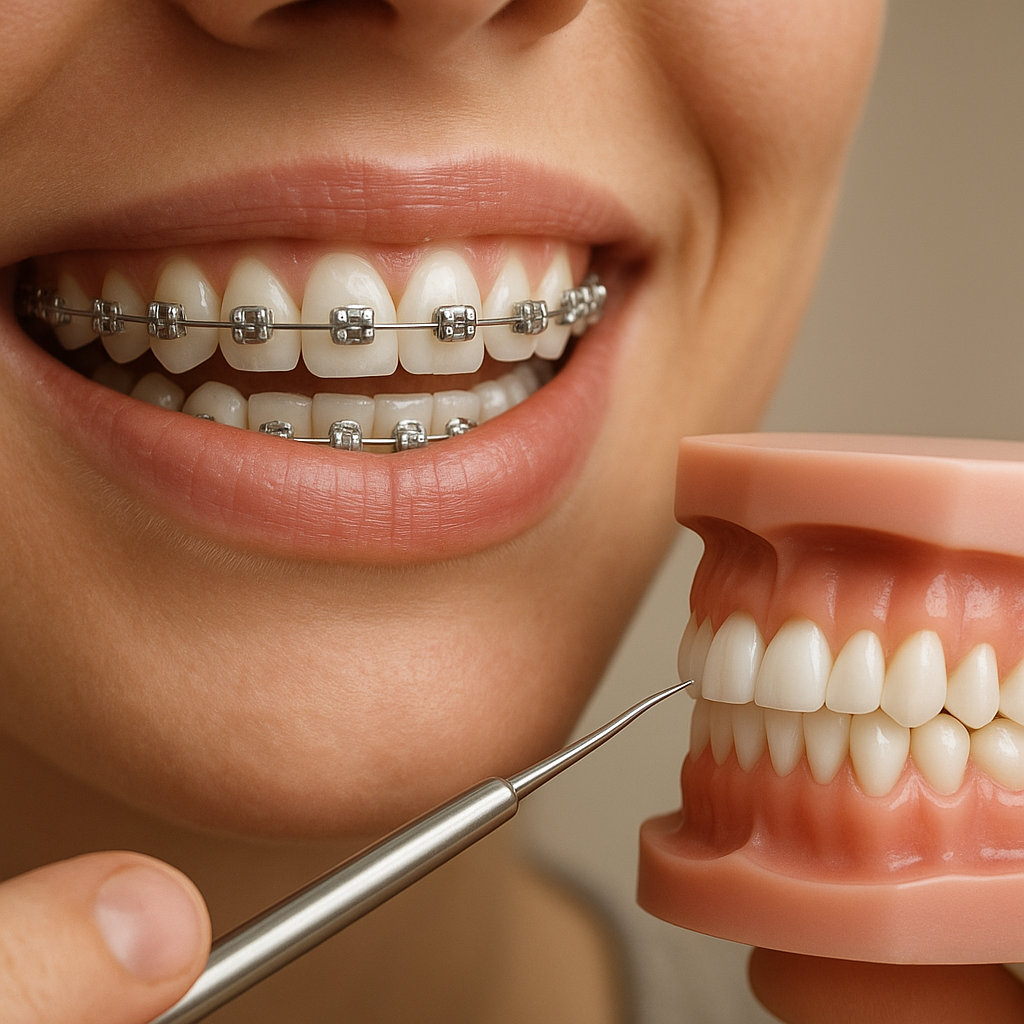
Braces are a cornerstone of modern orthodontics, combining wires, brackets, and sometimes elastics to apply controlled pressure on teeth. This gradual force encourages teeth to move into their ideal alignment. While most people associate braces with straightening teeth, the underlying benefits extend far beyond aesthetics. Key components of braces include:
- Metal or ceramic brackets bonded to tooth surfaces
- Archwires that connect the brackets and guide the direction of movement
- Elastics or springs to fine-tune pressures
- Optional advanced elements like self-ligating systems or clear aligners for discreet treatment
Mechanics of Movement
When a bracket and wire system exerts force, it initiates a cellular response within the bone surrounding each tooth. Osteoclasts break down bone tissue on one side, while osteoblasts build new bone on the other side. This coordinated activity allows the tooth to shift safely without causing damage. Proper monitoring by a dental professional ensures that the occlusion—the way upper and lower teeth meet—remains functional and pain-free.
Addressing Malocclusions
Common misalignment issues, known as malocclusions, include crowding, spacing, crossbites, overbites, and underbites. Each can impact jaw function and overall oral health:
- Crowding complicates brushing and flossing, increasing the risk of plaque buildup and bacteria proliferation.
- Spacing or gaps can trap food and debris, leading to localized areas of decay.
- Crossbites and overbites may cause uneven wear on tooth enamel, resulting in sensitivity or fractures.
Benefits Beyond Straight Teeth
While many seek braces for a cosmetic upgrade, the aesthetics of a straight smile are only the surface. Below are critical health advantages:
Improved Oral Hygiene
- Properly aligned teeth are easier to clean with brushing and flossing.
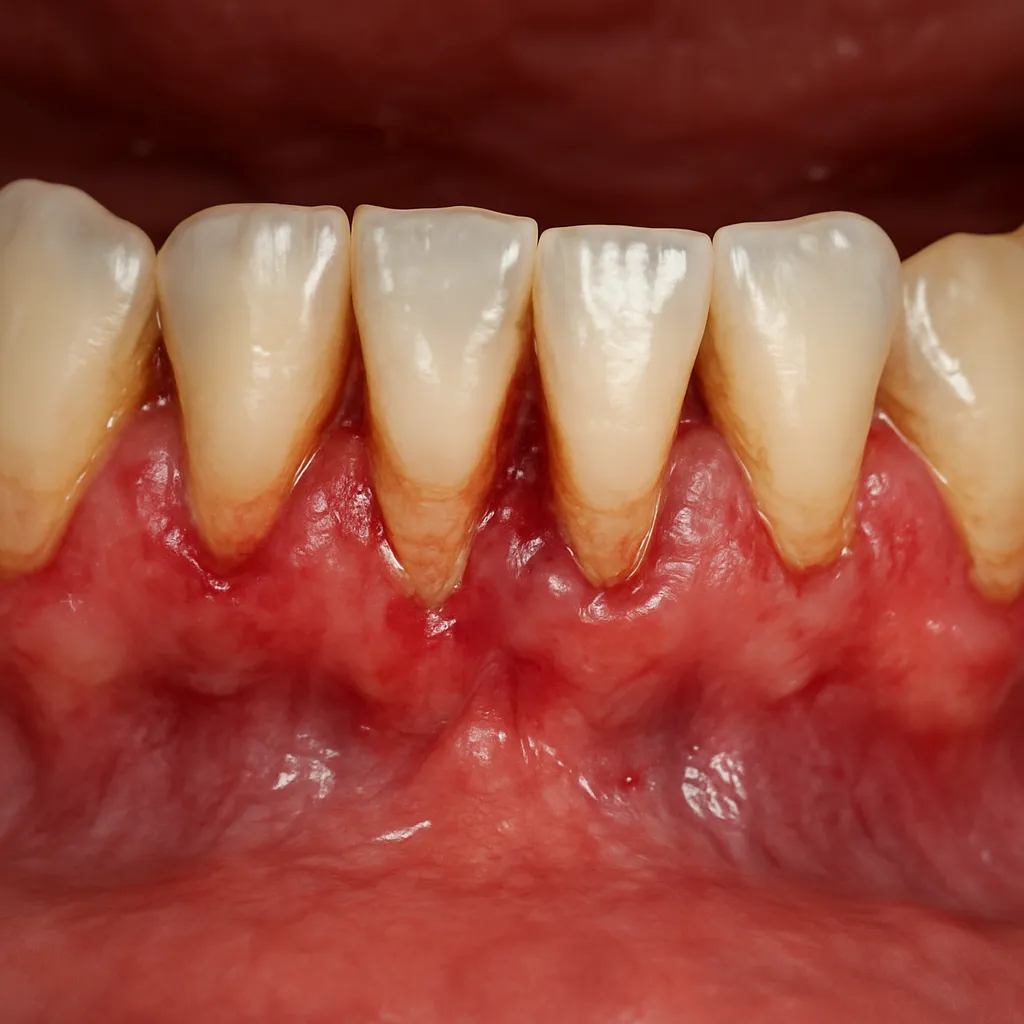
- Reduced plaque retention lowers the risk of periodontal (gum) disease.
- Better access to interdental spaces helps prevent cavities and tartar buildup.
Enhanced Chewing and Digestion
- Correct alignment ensures efficient biting and chewing.
- Improved mastication supports better food breakdown, aiding in nutrient absorption.
- Balanced forces on teeth reduce the likelihood of uneven wear and temporomandibular joint (TMJ) issues.
Strengthened Gum and Bone Health
- Evenly distributed forces stimulate healthy bone remodeling.
- Movement of teeth into proper positions prevents localized bone loss.
- Alignment supports a snug gingival fit, guarding against periodontal pockets where infection can start.
Boosted Self-Confidence
- A straight smile can dramatically raise self-esteem and social comfort.
- Many patients report increased willingness to speak and smile openly.
- Enhanced confidence may encourage better overall oral care habits.
Preventing Secondary Complications
Untreated malocclusions can bring about a cascade of issues, from chronic jaw pain to severe enamel erosion. By intervening early with braces, dental professionals can prevent these secondary complications. Patients who maintain regular check-ups often enjoy lasting benefits, including stable bite relationships and reduced likelihood of retreatment.
Long-term Maintenance and Care
The journey with braces doesn’t end when the hardware comes off. Effective follow-up care is essential to preserve the gains made during orthodontic treatment. Retainers, good oral hygiene, and routine check-ups are vital components of sustained success.
Retainers and Stability
Once braces guide teeth into their new positions, retainers help maintain alignment. There are two primary types:
- Fixed or bonded retainers: Thin wires adhered to the back of front teeth. They offer continuous support without patient compliance issues.
- Removable retainers: Hawley or clear plastic designs that patients wear according to a prescribed schedule. They allow for easier cleaning but require discipline.
Oral Hygiene Strategies
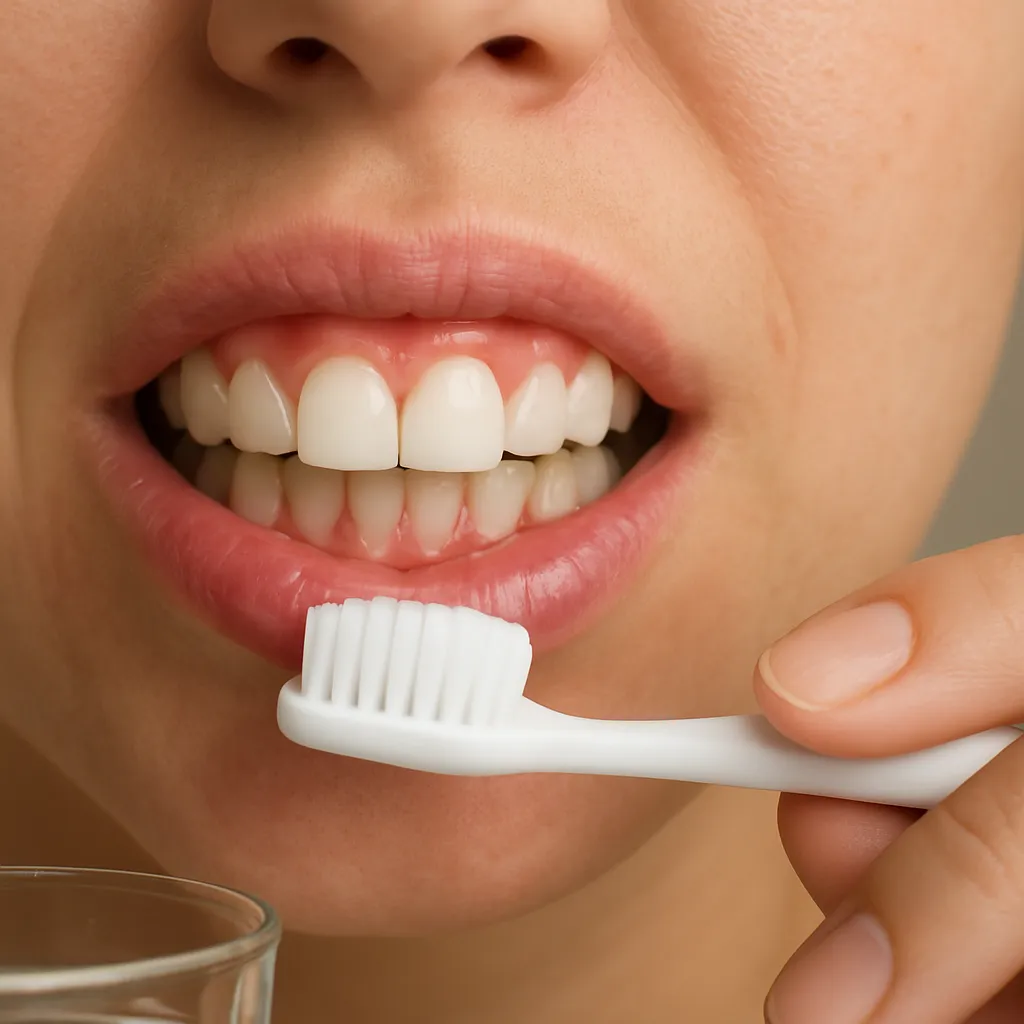
- Brush at least twice daily with a soft-bristled toothbrush and fluoride toothpaste.
- Incorporate interdental brushes or water flossers to clean between teeth and around retainer wires.
- Use antimicrobial mouth rinses to reduce plaque and bacterial growth.
- Attend professional cleanings every six months or as recommended by a dentist.
Regular Dental Visits
Routine examinations allow early identification of shifting teeth or other emerging concerns. A dental professional will evaluate your bite, check retainer integrity, and ensure gum health remains optimal. These visits often include:
- Professional cleanings to remove hardened debris
- Fluoride applications to strengthen enamel
- X-rays to monitor bone levels and tooth positioning
Dietary Considerations
During and after orthodontic treatment, certain dietary adjustments help protect your investment in oral health:
- Avoid hard, sticky, or overly sugary foods that can damage appliances or increase decay risk.
- Cut fruits and crunchy vegetables into bite-sized pieces to minimize pressure on retainers.
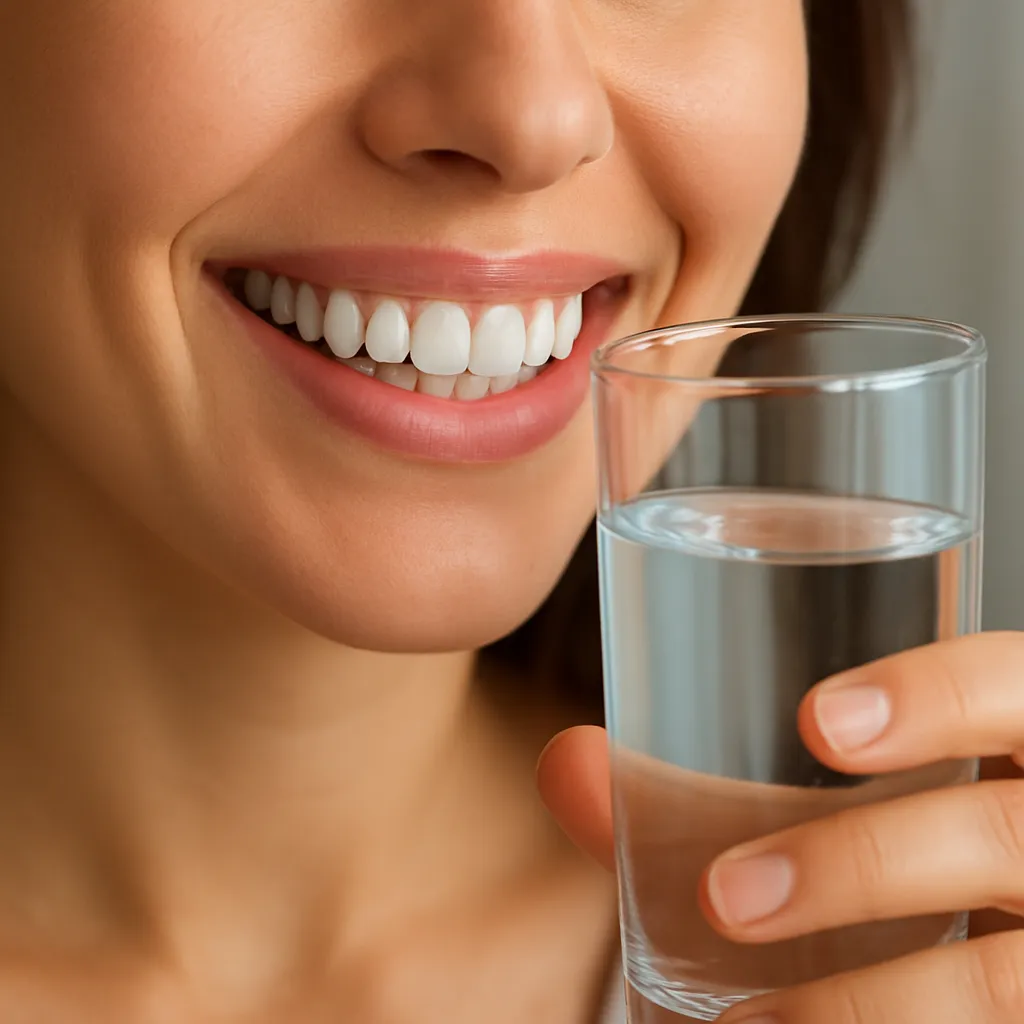
- Stay hydrated with water to support saliva production, which naturally buffers acids and aids in remineralization.
The Psychological Impact of a Healthy Smile
Beyond physical benefits, braces can deliver profound psychological rewards. A healthy, vibrant smile often leads to improved social interactions, career opportunities, and personal well-being. Patients who successfully complete orthodontic treatment describe a renewed sense of purpose in maintaining their oral health, recognizing the connection between a beautiful smile and overall quality of life.
Through meticulous planning and consistent care, braces provide a foundation for enhanced function, reduced disease risk, and elevated confidence. Embracing both the clinical and emotional advantages ensures that each patient enjoys lasting benefits long after the braces come off.