Maintaining a healthy smile goes far beyond aesthetics and confident grins. Emerging research shows that the state of your mouth can profoundly affect your entire body. Dentists, with their specialized training and preventive approaches, play a pivotal role in safeguarding not just teeth and gums but overall wellness.
Understanding the Mouth-Body Connection
Modern science reveals that the oral cavity is not an isolated ecosystem. Rather, it serves as a gateway to systemic health. Harmful bacteria, chronic infections, and unchecked inflammation in the gums can trigger or worsen conditions in distant organs. Recognizing this intricate relationship empowers both patients and professionals to adopt a more holistic model of care.
Oral Microbiome and Systemic Impact
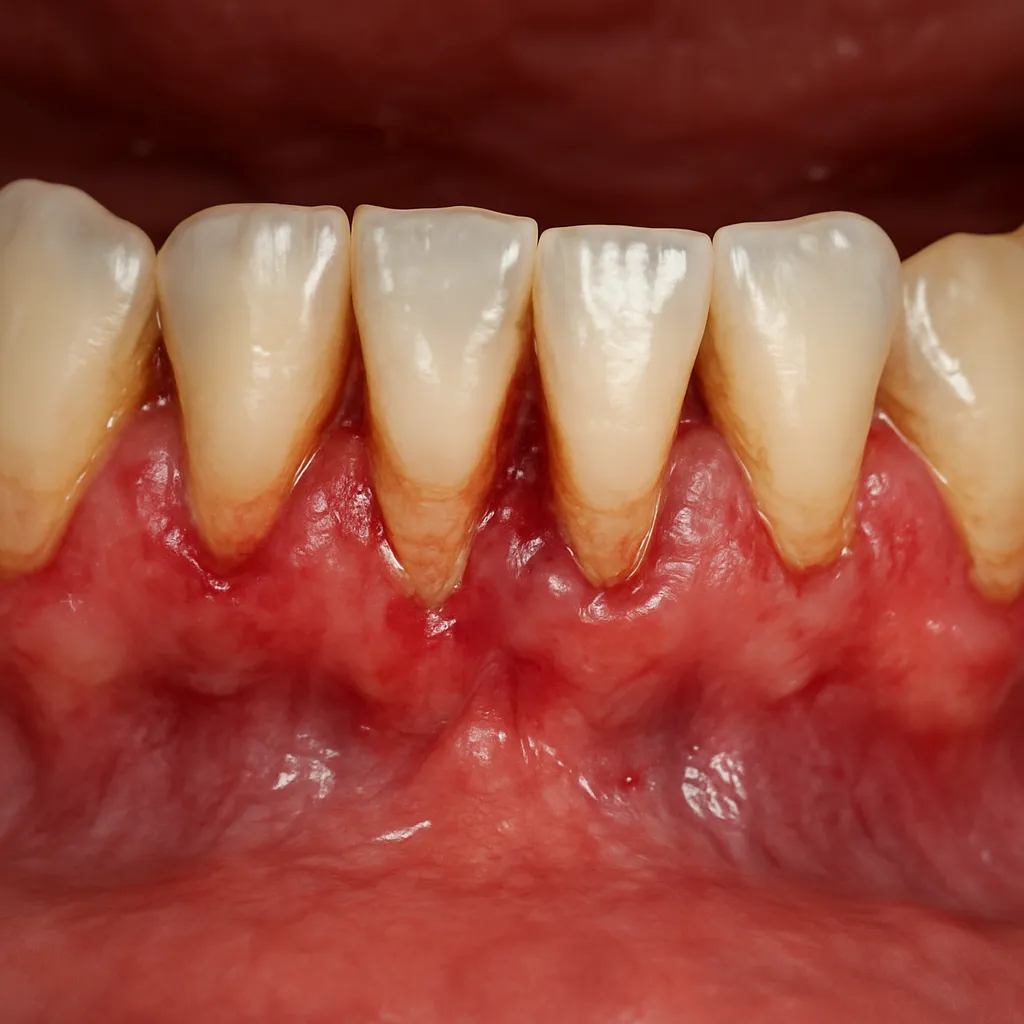
The mouth hosts a diverse community of microbes. While many species are benign or beneficial, some become pathogens under certain conditions. Poor oral hygiene allows these harmful bacteria to flourish, creating dental plaque and periodontal disease. Once the epithelial barrier of the gums is compromised, microbes can enter the bloodstream, potentially traveling to the heart, lungs, or joints.
Inflammation as a Common Denominator
Inflammation serves a protective purpose, but chronic inflammatory responses can damage tissues. Periodontitis, the advanced form of gum disease, generates inflammatory mediators that spill into circulation. Elevated levels of C-reactive protein (CRP) and interleukins link periodontal pockets with an increased risk of cardiovascular events, including heart attacks and strokes.
Mechanisms Linking Oral and Systemic Health
Understanding the pathways that connect oral conditions to overall wellness sheds light on why dental visits matter beyond cavity filling.
- Bacteremia and Endotoxemia: Daily activities like chewing or flossing can introduce bacteria into the bloodstream. In susceptible individuals, this transient bacteremia may seed distant sites, aggravating conditions such as infective endocarditis.
- Immune System Dysregulation: Persistent gum infections challenge immune defenses, promoting a state of chronic low-grade inflammation that contributes to insulin resistance and metabolic disturbances.
- Shared Risk Factors: Smoking, poor diet, and stress heighten susceptibility to both periodontal disease and ailments like diabetes, creating a vicious cycle that exacerbates each condition.
Preventive Strategies and the Dentist’s Role
Prevention lies at the heart of modern dentistry. By addressing risk factors and intervening early, dental professionals help patients ward off not only cavities but also systemic complications.
- Comprehensive Oral Exams: Beyond checking for decay, these evaluations include gum probing, oral cancer screening, and assessments of bite and jaw joint function. Early detection can mean the difference between conservative management and invasive treatment.
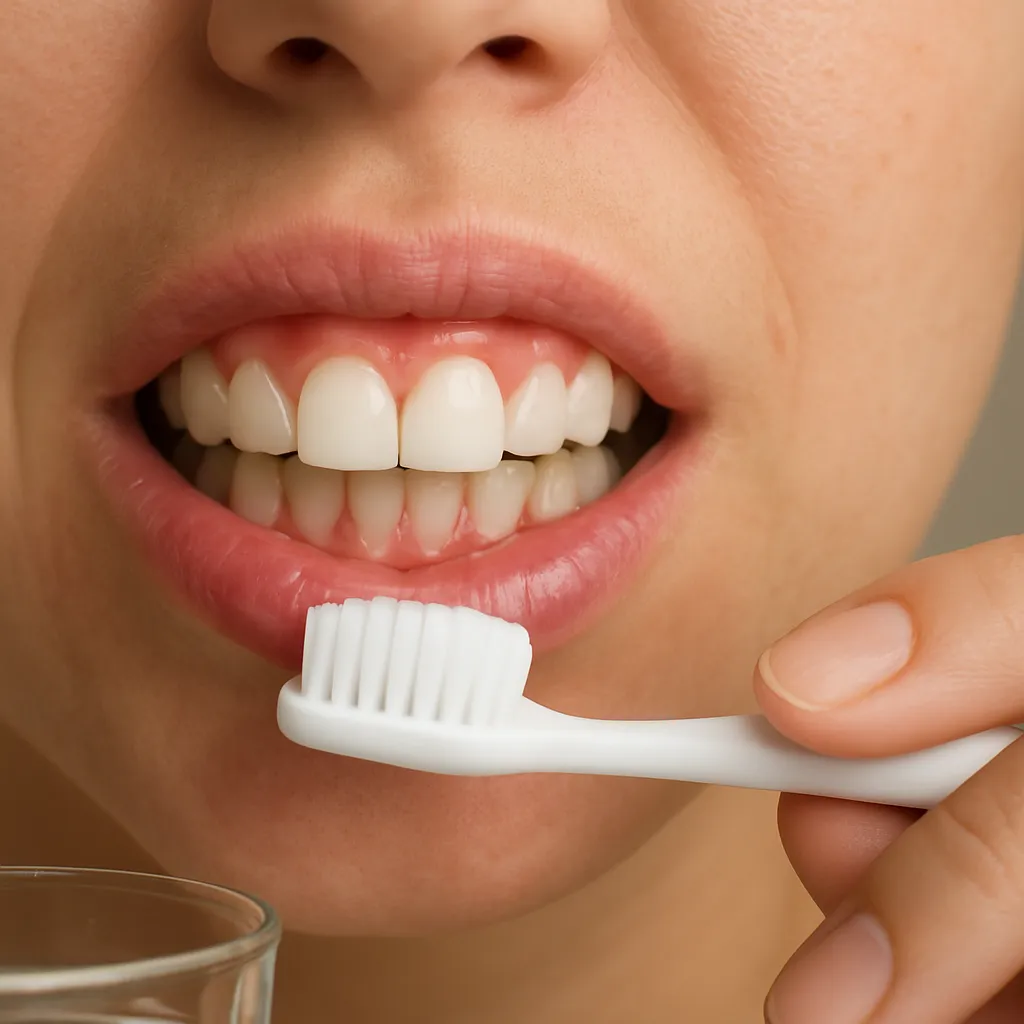
- Personalized Hygiene Plans: Dentists collaborate with patients to customize brushing techniques, recommend appropriate toothpaste and mouthwash, and advise on interdental cleaning tools. Mastery of effective oral hygiene reduces bacterial load and inflammatory markers.
- Behavioral Counseling: Coaching on tobacco cessation, dietary adjustments, and stress reduction supports oral and systemic health goals. Encouraging a balanced diet rich in vitamins and minerals preserves tooth structure and boosts immune resilience.
Interprofessional Collaboration
Integrating dental care with medical services enhances outcomes for patients with complex needs. For instance, a cardiologist may refer a patient with recurrent endocarditis for rigorous periodontal therapy. In turn, dentists may flag uncontrolled blood sugar during routine visits and recommend a diabetes workup. Such cooperation fosters early detection and more efficient management of chronic diseases.
Innovations and Future Directions
Technology and research continue to transform dentistry into a cornerstone of preventive medicine. Salivary diagnostics, for example, offer noninvasive screening for biomarkers of systemic diseases, from osteoporosis to certain cancers. Advanced imaging modalities, including 3D cone-beam computed tomography, allow for precise mapping of anatomical structures, improving both diagnosis and treatment planning.
Artificial intelligence platforms are emerging to analyze radiographs and chart data, flagging potential issues before they manifest clinically. Tele-dentistry expands access to care, particularly in remote or underserved areas, ensuring that patients receive timely advice and follow-up. As these tools become mainstream, the dentist’s role will expand further into predictive and personalized healthcare, reinforcing the link between oral health and total-body wellness.