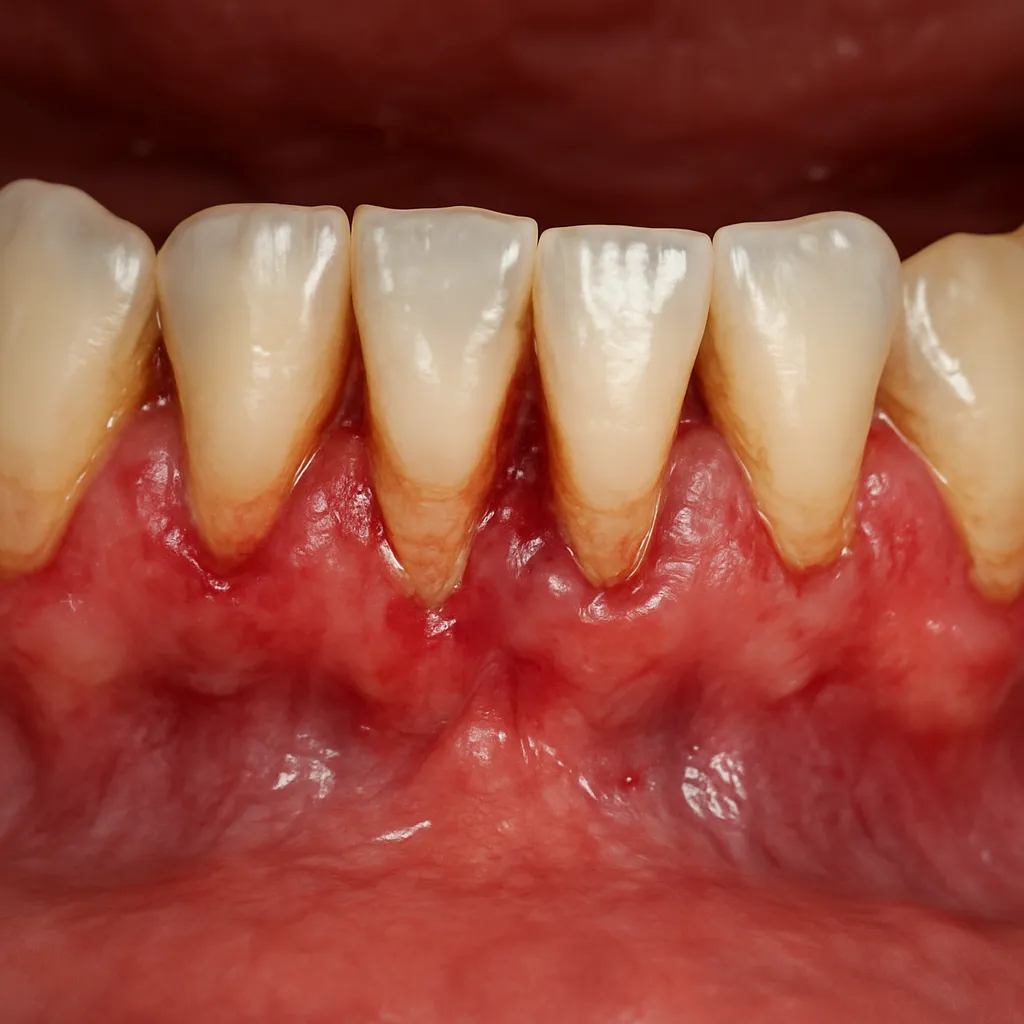
Ensuring your child’s smile remains bright and healthy involves more than occasional brushing. Early dental care sets the foundation for a lifetime of excellent oral health. By understanding core principles and building consistent routines, parents can help their little ones avoid common issues like plaque buildup and cavity formation.
Establishing a Consistent Brushing Routine
One of the first steps in caring for your child’s teeth is setting up a reliable daily routine. Starting as soon as the first tooth appears helps children become accustomed to gentle cleaning practices and reduces anxiety when visiting the dentist later on.
Choosing the Right Tools
- Use a soft-bristled, age-appropriate toothbrush to protect developing enamel.
- Select a fluoride toothpaste formulated for children, as fluoride strengthens the tooth surface and prevents decay.
- Consider character-themed brushes or timers to make brushing fun and engaging.
Brushing Techniques
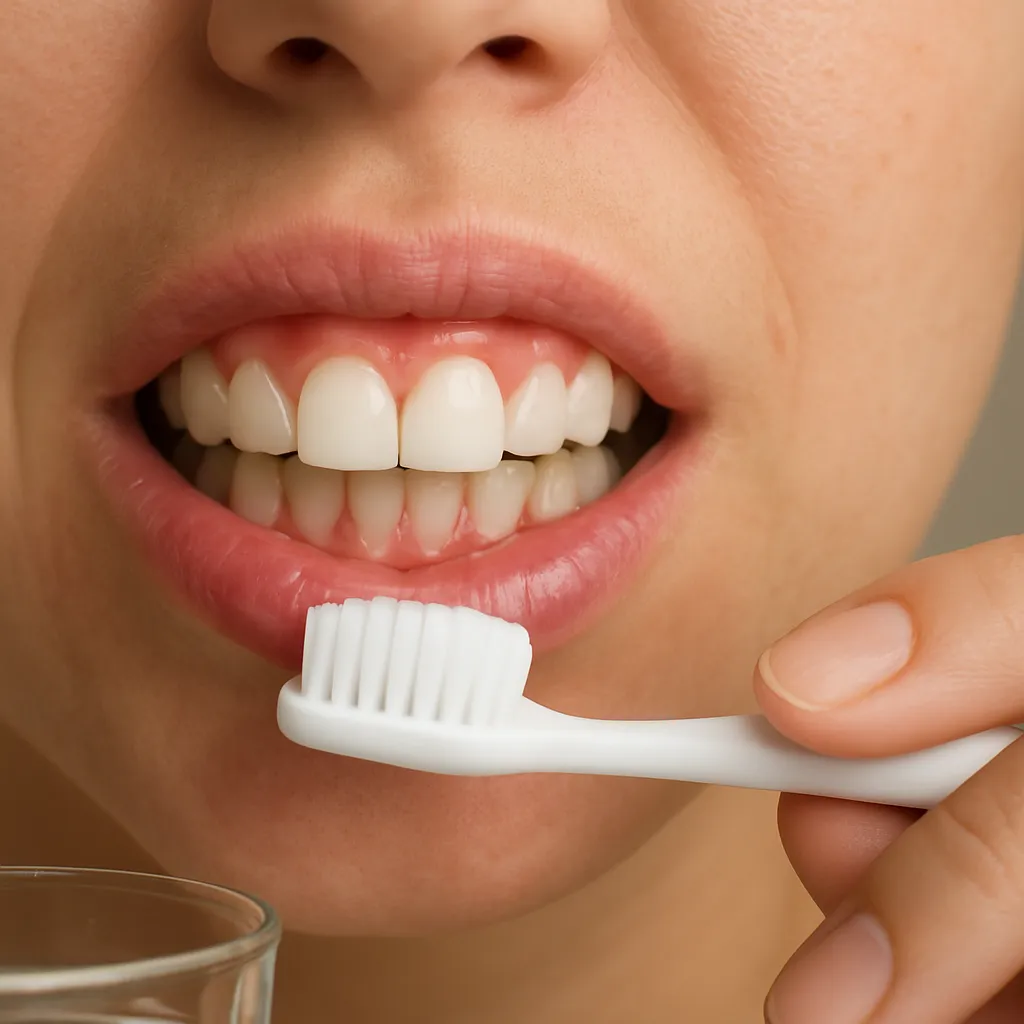
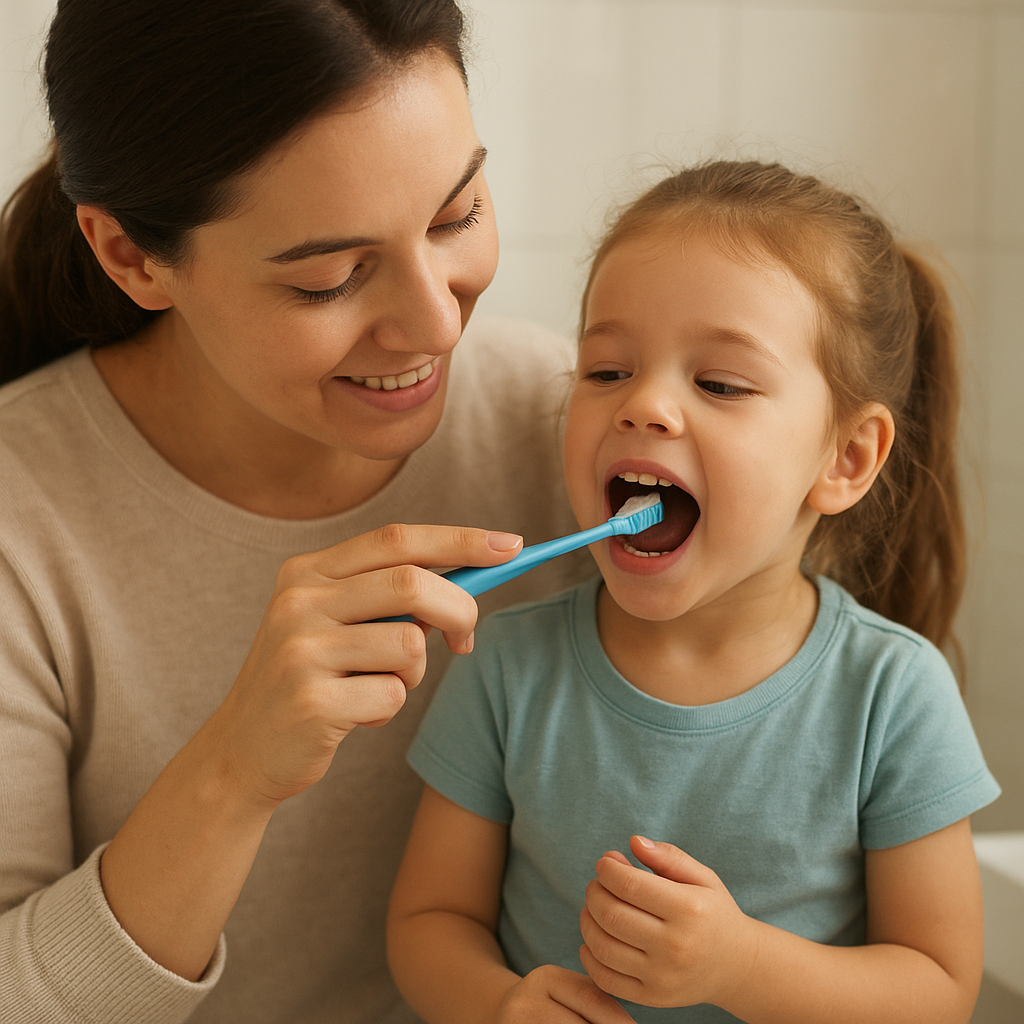
Proper technique is essential. Guide your child through circular, gentle strokes along the gumline and tooth surfaces for at least two minutes twice a day. Make sure to:
- Hold the brush at a 45-degree angle towards the gums.
- Cover all sides: inner, outer, and chewing surfaces.
- Don’t forget the tongue, where bacteria can accumulate.
Gradually teach your child to take more responsibility for brushing. Even as they master the skill, parental supervision is crucial until around the age of eight.
Nutrition and Its Impact on Dental Health
What your child eats and drinks directly influences their oral health. Frequent exposure to sugary snacks and beverages creates an environment where acid-producing bacteria thrive, leading to cavity development.
Healthy Snack Choices
- Fresh fruits and crunchy vegetables stimulate saliva flow and naturally clean teeth.
- Cheese and yogurt contain calcium and other minerals that support enamel remineralization.
- Nuts and seeds provide essential nutrients without excessive sugars.
Drinks to Encourage and Avoid
- Promote water as the primary drink. It helps wash away food particles and dilutes acids.
- Limit fruit juices and sodas, which can have high levels of sugar and acids.
- Offer milk or fortified non-dairy alternatives, supplying calcium for strong teeth.
Aside from food choices, timing matters. Encourage your child to have sugary treats during or immediately after meals, when saliva flow is higher, rather than between meals.
Regular Visits to a Pediatric Dentist
Regular dental check-ups form the backbone of effective prevention strategies. A pediatric dentist specializes in the unique needs of growing mouths, ensuring every visit builds comfort and trust.
First Dental Visit
The American Academy of Pediatric Dentistry recommends the first dental visit by the age of one or when the first tooth erupts. Early exams:
- Assess risk factors for decay.
- Provide guidance on home care routines.
- Offer simple treatments like fluoride varnish to strengthen newly emerged teeth.
Frequency of Visits
Most children should see their dentist every six months. However, if your child has a higher risk of decay—due to a previous history of cavities, special healthcare needs, or medication side effects—more frequent visits may be advised.
Preventive Treatments
- Fluoride applications to reinforce tooth structure and discourage bacterial growth.
- Dental sealants on molars to protect deep grooves where food particles often lodge.
- Professional cleaning to remove hardened plaque (tartar) that brushing alone cannot eliminate.
Handling Common Dental Emergencies
Despite the best care, accidents can happen. Knowing how to respond to dental emergencies ensures prompt relief and preservation of your child’s smile.
Knocked-Out Tooth
- Find the tooth and handle it by the crown (top), avoiding the root.
- Rinse gently under water—do not scrub or remove any tissue fragments.
- If it’s a permanent tooth, try to reinsert it in the socket and hold it in place, then seek immediate dental care.
Chipped or Fractured Tooth
Save any broken pieces and rinse the mouth with warm water. Apply a cold compress to reduce swelling, and arrange for a dental visit within 24 hours.
Toothache or Sensitivity
- Rinse the mouth to clear any trapped debris.
- Use a soft-bristled brush and gentle flossing to ensure cleanliness.
- Offer children’s pain relief medication as directed by your pediatrician or dentist, then schedule an appointment promptly.
Encouraging Lifelong Healthy Habits
Beyond early childhood, these foundational practices build the path toward sustained oral wellness. Reinforcement through positive feedback, creative tools, and family involvement strengthens habits. Consider:
- Using brushing charts or calendars to track progress.
- Engaging siblings or parents in brushing challenges.
- Reading age-appropriate books about dental care to demystify visits to the dentist.
By combining thoughtful nutrition, consistent hygiene, and professional support, you empower your child to maintain a bright smile well into adolescence and beyond.