Bleeding gums can be more than a nuisance—this common symptom often signals underlying oral health problems that require prompt attention. Recognizing early warning signs and adopting effective strategies can help maintain a strong smile and prevent complications. Below you’ll find an in-depth exploration of causes, preventive measures, professional treatments, and special considerations when dealing with bleeding gums.
Understanding Bleeding Gums
Physiology Behind the Bleed
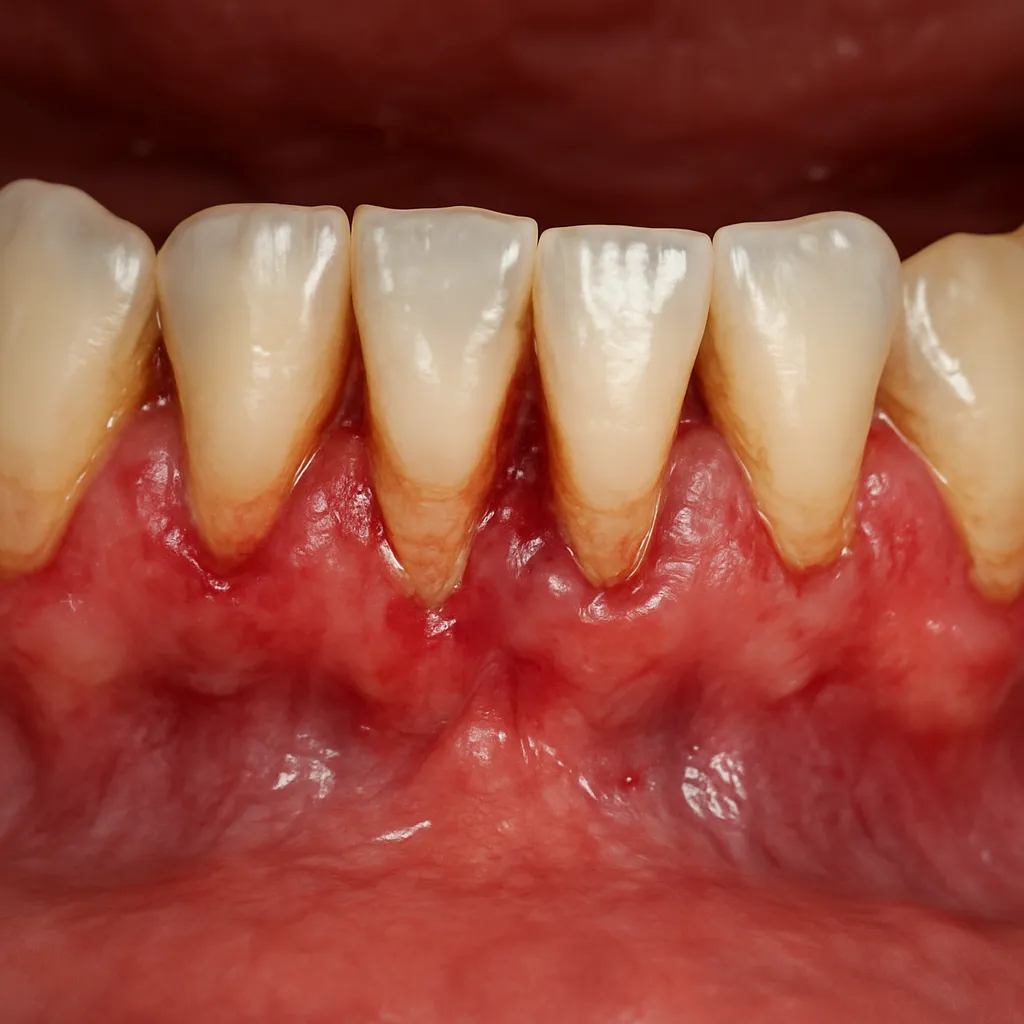
Healthy gum tissue forms a tight seal around the teeth, protecting the roots and bone. When this barrier is compromised, microscopic blood vessels may break easily during routine activities such as chewing or brushing. Early-stage gum inflammation often leads to redness, tenderness, and bleeding, especially during oral care.
Common Symptoms to Watch For
- Gums that appear red, swollen, or inflamed
- Bleeding during or after flossing and brushing
- Persistent bad breath despite regular cleaning
- Receding gum lines exposing more of the tooth
- Sensitivity to hot or cold foods
Common Causes and Risk Factors
- Plaque buildup: A sticky film of bacteria that irritates gum tissue.
- Poor oral hygiene: Inconsistent or improper brushing and flossing routines.
- Early-stage gingivitis: The reversible form of gum disease marked by mild bleeding.
- Advanced periodontitis: A more severe, chronic condition that can lead to tooth loss.
- Hormonal changes: Pregnancy, puberty, and menopause often increase gum sensitivity.
- Vitamin deficiencies, especially low vitamin C: Impairs tissue repair and immune response.
- Medications: Blood thinners and certain prescription drugs may raise bleeding risk.
- Systemic conditions: Diabetes and blood disorders can manifest as oral bleeding.
- Smoking and tobacco use: Restricts blood flow and masks early signs of disease.
Prevention and Home Care Strategies
Effective home care can halt bleeding gums at the source and support professional treatments. Consistency and technique matter when cleaning your teeth.
Proper Brushing Technique
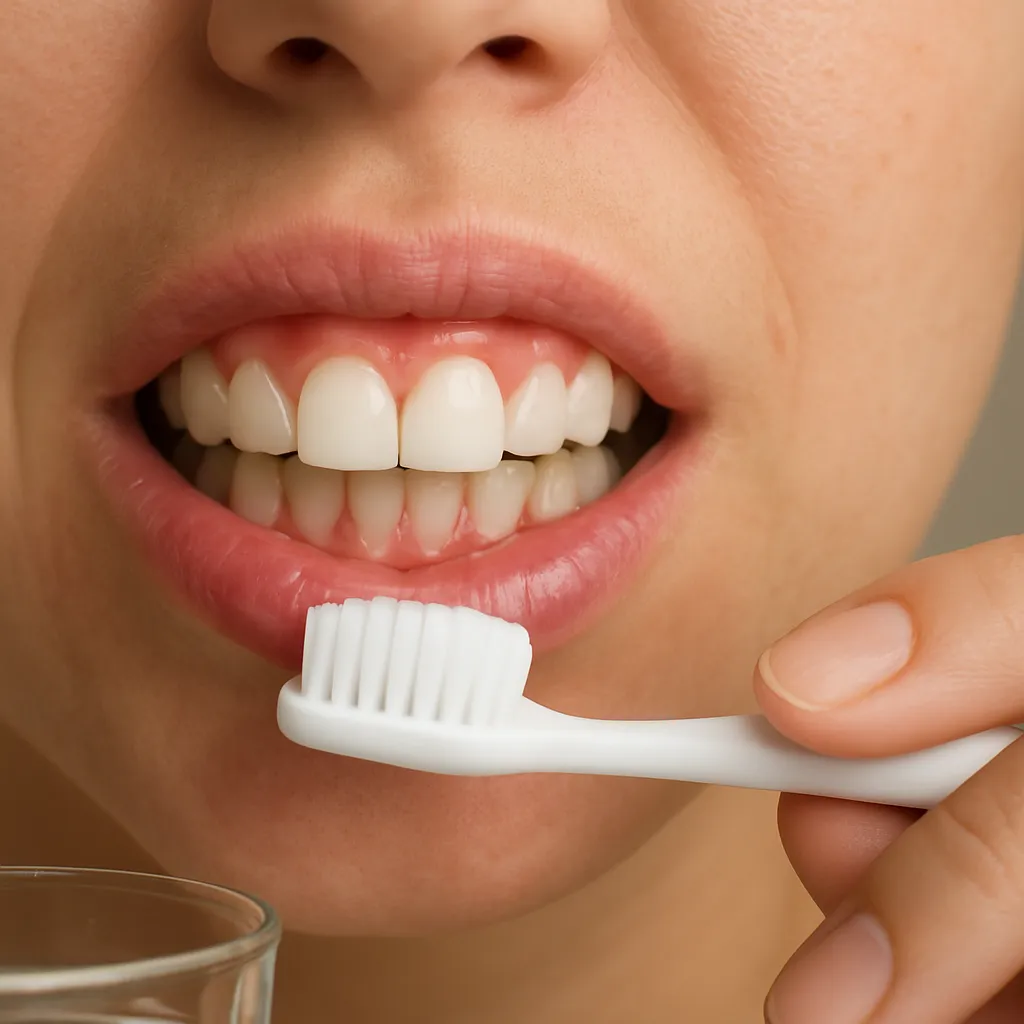
- Use a soft-bristled toothbrush to avoid damaging delicate gum tissue.
- Hold the brush at a 45° angle to the gum line and move in gentle circles.
- Spend at least two minutes, covering all surfaces of each tooth.
- Replace your brush every three months or sooner if bristles fray.
Effective Flossing Habits
- Gently slide floss between teeth, curving it into a C-shape against each tooth.
- Avoid snapping the floss harshly—doing so can aggravate gums.
- Floss daily to remove debris and plaque hidden beneath the gum line.
Antimicrobial and Nutritional Support
- Rinse with an antimicrobial mouthwash to reduce bacterial load.
- Incorporate foods rich in vitamin C, such as strawberries and broccoli, to enhance healing.
- Drink plenty of water to flush out food particles and maintain saliva flow.
- Limit sugary snacks and acidic beverages that fuel bacterial growth.
Professional Treatments and When to Visit a dentist
Even the best home care routine cannot replace the expertise of a qualified dental professional. Scheduling regular check-ups can catch issues before they escalate.
Scaling and Root Planing
This deep-cleaning procedure removes hardened plaque and tartar from below the gum line. It smooths root surfaces, discouraging further bacterial colonization and promoting gum reattachment.
Antibiotic Therapy
For more aggressive infections, your dentist may prescribe localized or systemic antibiotics. These medications help reduce harmful bacteria and inflammation.
Laser Gum Therapy
Advanced lasers can target diseased tissue with precision, minimizing discomfort and accelerating recovery. Laser therapy often reduces bleeding and swelling more effectively than traditional methods.
Gum Surgery
- Flap surgery to access deep pockets of infection
- Graft procedures to restore receded gums
- Bone regeneration techniques for severe periodontitis
Regular Maintenance Visits
After initial treatment, painless recall appointments every three to six months ensure continued gum health. During these visits, your dental team performs preventive cleanings and monitors healing progress.
Advanced Considerations and Special Cases
Pregnancy-Related Gingivitis
Hormonal fluctuations during pregnancy can exacerbate gum sensitivity. Expectant mothers should inform their dentist of their condition and maintain gentle yet thorough cleaning routines.
Impact of Systemic Diseases
Chronic conditions like diabetes compromise the body’s ability to fight infection. Patients with such diseases must coordinate care between their physician and dental professional to manage risks effectively.
Behavioral and Lifestyle Factors
- Stress can weaken immune response and increase inflammation.
- Lack of sleep impairs tissue regeneration and healing.
- Substance abuse, including tobacco and alcohol, magnifies gum deterioration.
When to Seek Emergency Care
- Uncontrolled bleeding that lasts longer than 15 minutes
- Severe pain accompanied by swelling or fever
- Difficulty eating or speaking due to gum discomfort