Exploring the world of dental veneers reveals a fascinating blend of art and science. These ultra-thin shells, crafted from porcelain or composite resin, are designed to enhance the appearance of teeth. Many people seek veneers to achieve a flawless smile, but this cosmetic solution involves more than meets the eye. Understanding the advantages and disadvantages, as well as patient eligibility, is crucial for anyone considering this transformative treatment.
Benefits of Dental Veneers
Enhanced Aesthetics and Smiles
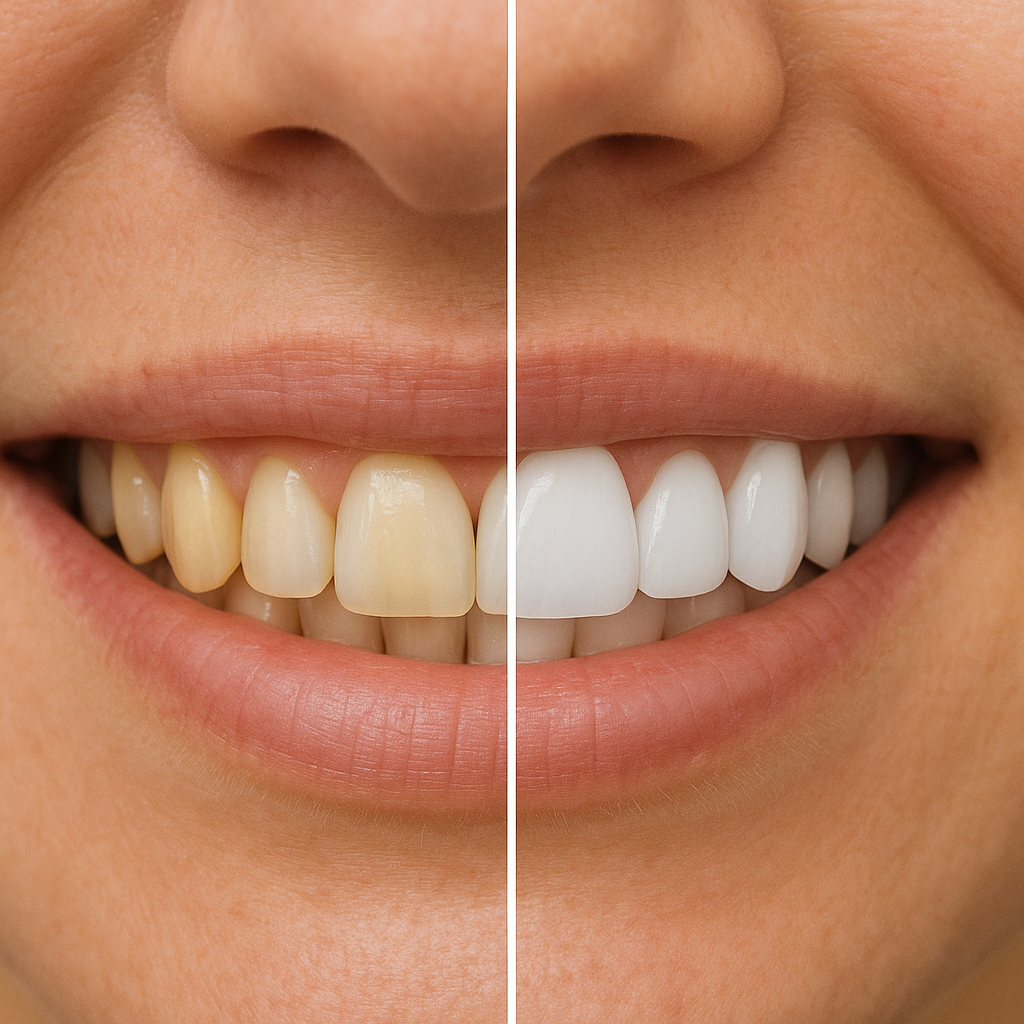
One of the primary reasons individuals opt for veneers is their exceptional ability to improve smile esthetics. Veneers can mask discoloration, close gaps, and correct minor misalignments. The result is a uniformly white and bright smile that boosts confidence and self-esteem.
Longevity and Durability
Porcelain veneers are highly resistant to staining from coffee, tea, and tobacco, making them a popular choice for long-term results. With proper care, porcelain veneers can last well over a decade, while composite resin veneers may need replacement after 5–7 years. The durability of veneers ensures patients enjoy a radiant smile for years to come.
Minimal Tooth Preparation
Compared to crowns, veneers require less removal of natural tooth structure. Only a thin layer of enamel is gently shaved away to accommodate the veneer’s thickness. This conservative technique preserves more of the original tooth, maintaining overall dental health.
Color and Shape Customization
Every veneer is tailored to match the patient’s desired shade and tooth shape. By collaborating with a skilled dental laboratory, dentists can create a truly personalized result. This customization allows for subtle adjustments, ensuring that veneers blend seamlessly with natural teeth for an authentic appearance.
Drawbacks and Considerations
Irreversible Alteration of Enamel
The process of placing veneers involves permanently removing a small portion of the tooth’s enamel. Once enamel is altered, the procedure cannot be reversed, and the tooth will always require protection with a veneer or other restoration. Patients must commit to long-term care and maintenance once enamel integrity has been compromised.
Financial Investment
Veneers represent a significant financial commitment. Porcelain veneers can cost between $900 and $2,500 per tooth, depending on location and expertise of the dentist. While the transformative results are often well worth the expense, prospective patients should weigh the costs against other cosmetic alternatives.
Possible Sensitivity
After enamel removal, teeth may become more sensitive to hot or cold temperatures. This sensitivity typically subsides within a few weeks, but some individuals may experience lingering discomfort. It’s essential to discuss this risk with your dentist during the consultation phase.
Maintenance and Repairs
Even though veneers are strong, they are not indestructible. Patients must avoid biting into very hard objects like ice or nuts, which could chip or crack the veneer. Routine dental check-ups are vital to monitor the integrity of the veneers and ensure any minor issues are addressed promptly.
Choosing the Right Candidate
Comprehensive Oral Health Assessment
An ideal veneer candidate has healthy gums and sufficient tooth enamel. Any underlying issues—such as cavities, gum disease, or bruxism—must be treated before veneer placement. A thorough dental exam, including X-rays and bite analysis, helps determine whether veneers are appropriate or if alternative treatments should be pursued.
Exploring Alternatives
Not every aesthetic concern requires veneers. Teeth whitening, bonding, orthodontic aligners, and crowns may provide effective solutions for certain cases. Discussing these options with a dentist ensures that patients choose the most suitable approach based on their dental needs and budget.
Long-Term Maintenance and Oral Hygiene
Maintaining veneers demands excellent oral hygiene habits. Brushing twice daily with a non-abrasive toothpaste and flossing are essential to prevent decay and gum issues around the veneer margins. Regular professional cleanings and examinations help extend the lifespan of veneers and protect natural tooth structure.
Realistic Expectations
While veneers offer remarkable cosmetic improvements, they do not correct severe bite problems or extensive tooth damage. Setting realistic expectations and understanding the scope of what veneers can achieve ensures patient satisfaction. Consulting with a skilled cosmetic dentist provides clarity on goals, potential outcomes, and any limitations of the procedure.