Selecting the right toothpaste may seem straightforward, but an informed choice can dramatically impact your oral health and overall wellness. Dentists emphasize that toothpaste is more than just a minty gel—it’s a carefully crafted formula designed to tackle various dental challenges, from strengthening enamel to combating plaque and addressing sensitivity. This article explores the key factors to consider when choosing toothpaste, helping you make a confident and effective selection.
Understanding Toothpaste Formulations
Toothpaste comprises several critical components, each serving a distinct purpose. Recognizing these elements helps you match a product to your specific needs.
Fluoride: The Foundation of Cavity Prevention
Fluoride is widely regarded as the most valuable ingredient in toothpaste for its ability to:
- Strengthen enamel and make teeth more resistant to decay
- Remineralize early spots of demineralization
- Inhibit harmful bacteria growth
Look for toothpastes containing sodium fluoride or stannous fluoride. The American Dental Association (ADA) Seal of Acceptance often indicates effective fluoride levels.
Abrasives: Balancing Cleanliness and Safety
Abrasive agents remove stains and surface buildup. Common abrasives include silica, calcium carbonate, and aluminum hydroxide. While higher abrasive levels yield more whitening power, they can also wear down enamel if overused. For daily brushing, opt for a toothpaste with a moderate RDA (Relative Dentin Abrasivity) value, typically below 250.
Humectants, Binders, and Detergents
These supportive ingredients keep toothpaste smooth, prevent drying, and create foam:
- Glycerin or sorbitol (humectants) retain moisture
- Cellulose or carrageenan (binders) maintain consistency
- Sodium lauryl sulfate or cocamidopropyl betaine (detergents) foam and dislodge debris
While generally safe, some individuals may experience irritation from detergents; if so, consider a detergent-free alternative.
Tailoring Toothpaste to Specific Dental Needs
Different oral concerns require specialized formulations. Consider your unique dental profile when browsing toothpaste options.
Sensitivity Relief
Tooth sensitivity affects millions, often due to exposed dentin or weakened enamel. Desensitizing toothpastes contain:
- Potassium nitrate, which calms nerve endings
- Strontium chloride, which blocks tubular openings
Use these toothpastes twice daily to achieve optimal results. Patience is key, as it may take several weeks before sensitivity significantly diminishes.
Whitening and Stain Removal
For a brighter smile, whitening toothpastes include mild abrasives, chemical agents like hydrogen peroxide, or enzymes. Note that overuse can lead to increased abrasion and sensitivity. A balanced whitening toothpaste should effectively remove extrinsic stains without compromising enamel.
Gum Health and Anti-Plaque Action
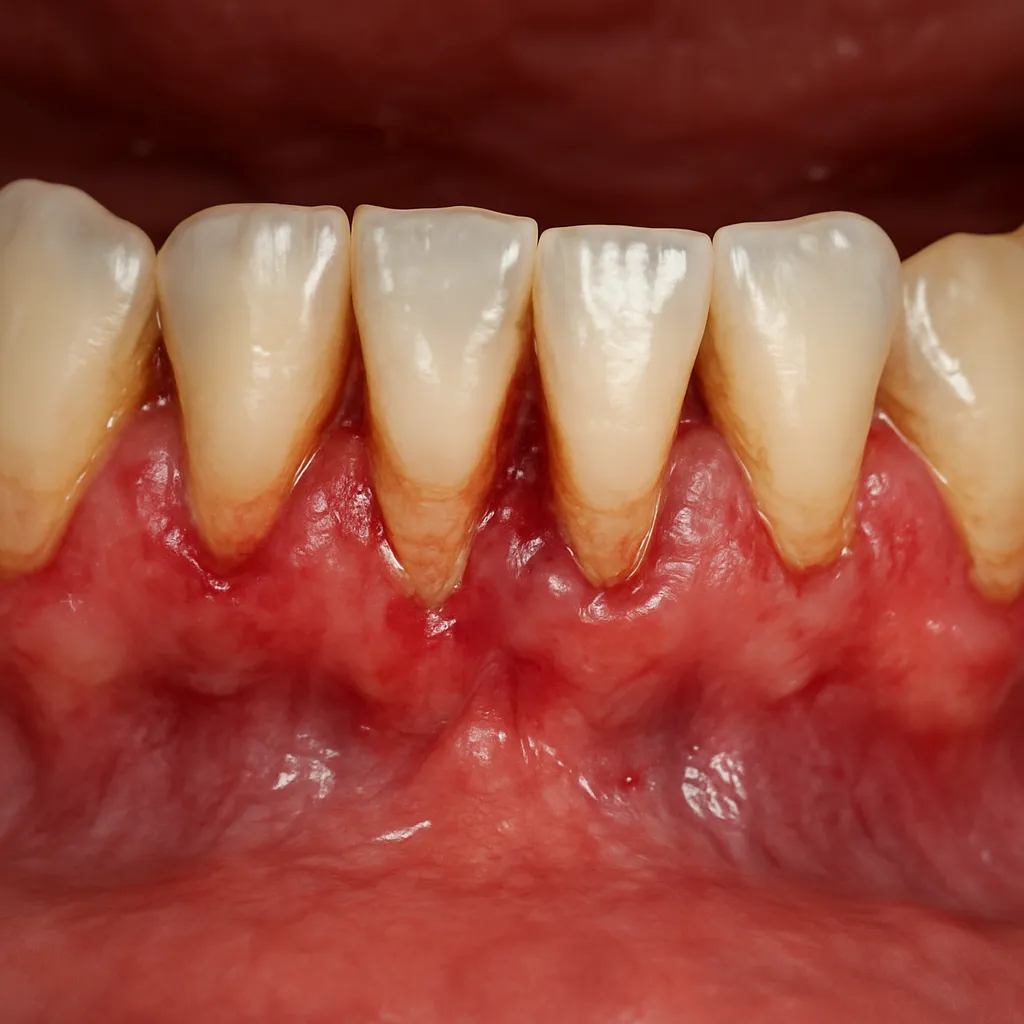
Gingivitis and gum disease are often driven by bacterial plaque. Look for formulations containing:
- Triclosan combined with a copolymer to reduce plaque and gingivitis
- Stannous fluoride for both cavity prevention and antimicrobial action
- Essential oils such as eucalyptol, menthol, or thymol
Regular use can support gingival health and decrease bleeding or inflammation.
Natural and Herbal Formulations
Many consumers prefer natural ingredients for a milder approach. These formulas often include:
- Aloe vera or tea tree oil for soothing and antimicrobial properties
- Herbal extracts such as neem or echinacea
- Baking soda for gentle whitening and odor control
Though appealing, natural toothpastes may lack fluoride, so consider supplemental fluoride use if needed.
Evaluating Additional Ingredients and Flavors
The unique combination of additional actives and flavorings can greatly influence compliance and enjoyment.
Flavor Profiles and Freshness
Mint is the most popular flavor, but alternatives like cinnamon, fruit blends, or herbal mint provide mild tastes for those sensitive to strong flavors. A pleasant taste encourages thorough brushing, enhancing efficacy.
pH Levels and Oral Environment
A toothpaste’s pH affects mouth acidity. Low pH (acidic) can erode enamel over time, while neutral to slightly alkaline formulations help neutralize acids produced by bacteria. Seek a toothpaste with a pH between 7 and 8 for a balanced oral environment.
Allergens and Dietary Preferences
Always read labels for potential allergens. Common culprits include:
- Propylene glycol (in humectants)
- Stevia or saccharin (sweeteners)
- Flavoring oils with nut derivatives
For vegan or cruelty-free options, look for certified logos from reputable organizations and ensure the absence of animal-derived glycerin or colorants.
Tips for Effective Toothpaste Use
Even the most advanced toothpaste yields limited benefits without proper brushing techniques and habits.
Brushing Technique and Duration
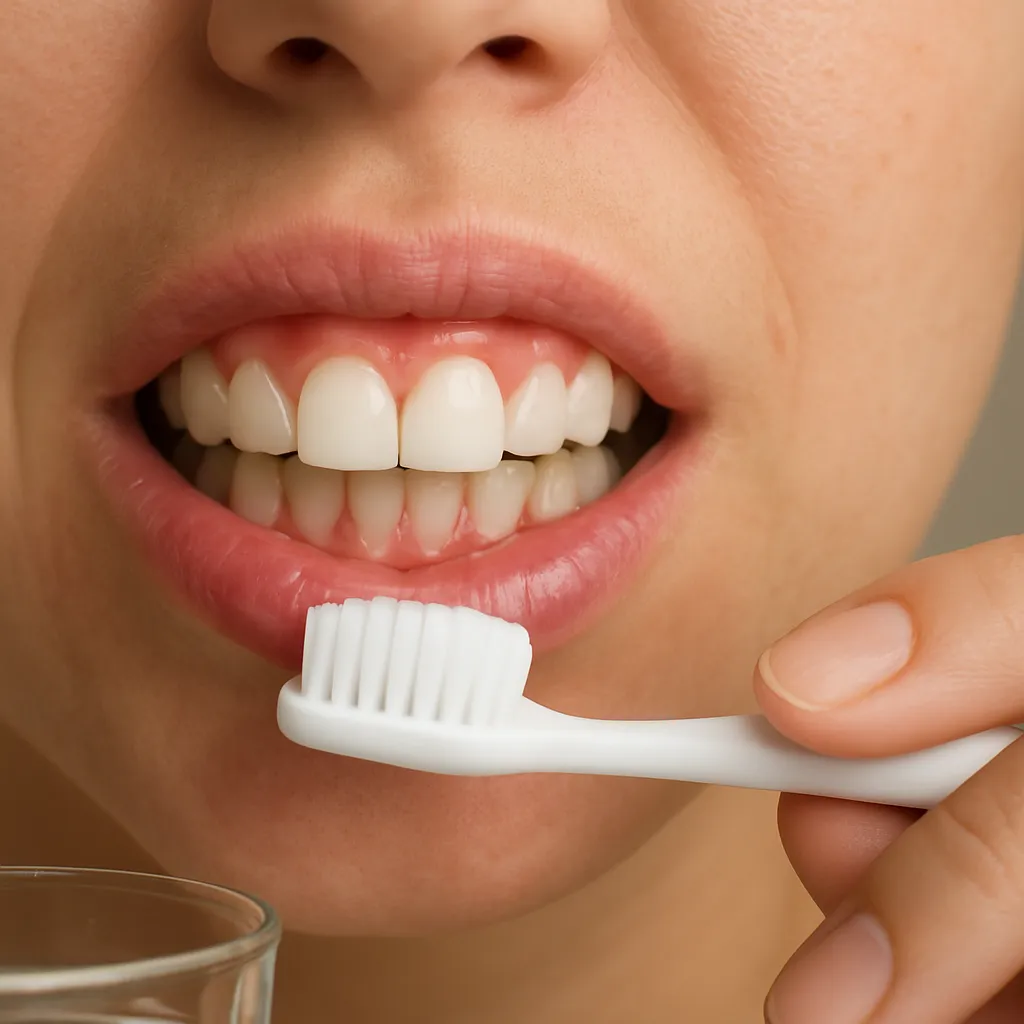
Use a pea-sized amount of toothpaste and brush with gentle, circular motions for two minutes. Overly aggressive scrubbing can damage enamel and aggravate gums. Consider using an electric toothbrush with a two-minute timer to maintain consistency.
Frequency of Brushing
Brush at least twice daily—once in the morning and once before bed. Rinsing with water after brushing can wash away residual fluoride; instead, spit out excess and leave a thin layer of toothpaste to further protect teeth.
Complementary Practices
- Floss daily to remove interdental plaque and debris
- Use mouthwash for additional antimicrobial and fluoride benefits
- Replace your toothbrush every three months or when bristles show wear
- Schedule regular dental checkups to address potential issues early
Combining a suitable toothpaste with comprehensive oral hygiene practices ensures optimal protection against decay, sensitivity, and gum disease.