Maintaining a consistent dental care routine is more than a simple chore—it plays a pivotal role in preserving your oral health and overall well-being. Skipping appointments might seem harmless at first, but it can lead to a cascade of issues ranging from mild discomfort to serious systemic complications. This article explores the far-reaching effects of missed dental visits and offers practical advice on staying on track with your dental schedule.
The Importance of Regular Checkups
Routine dental examinations are crucial because they allow your dentist to catch potential issues in their earliest stages. Early intervention maximizes the effectiveness of any prevention strategy, whether it’s a simple filling or a minor gum treatment. Neglected problems often progress silently, resulting in more invasive and costly procedures down the line.
During a typical checkup, your dentist assesses:
- Enamel integrity, spotting tiny lesions before they grow into cavities
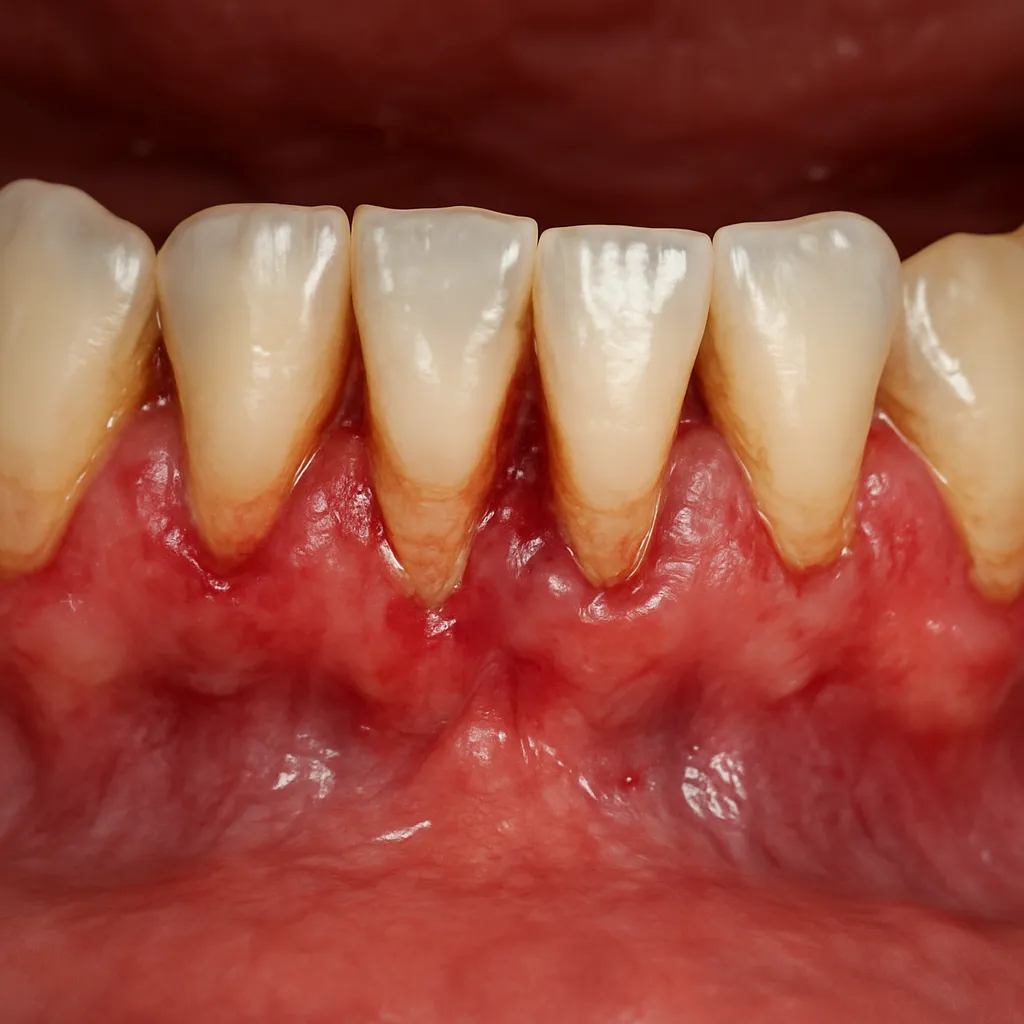
- Gum condition, detecting signs of gum disease such as bleeding or recession
- Tooth alignment and bite patterns, which can affect chewing and jaw health
- Oral hygiene habits and the need for professional cleaning to remove plaque and tartar
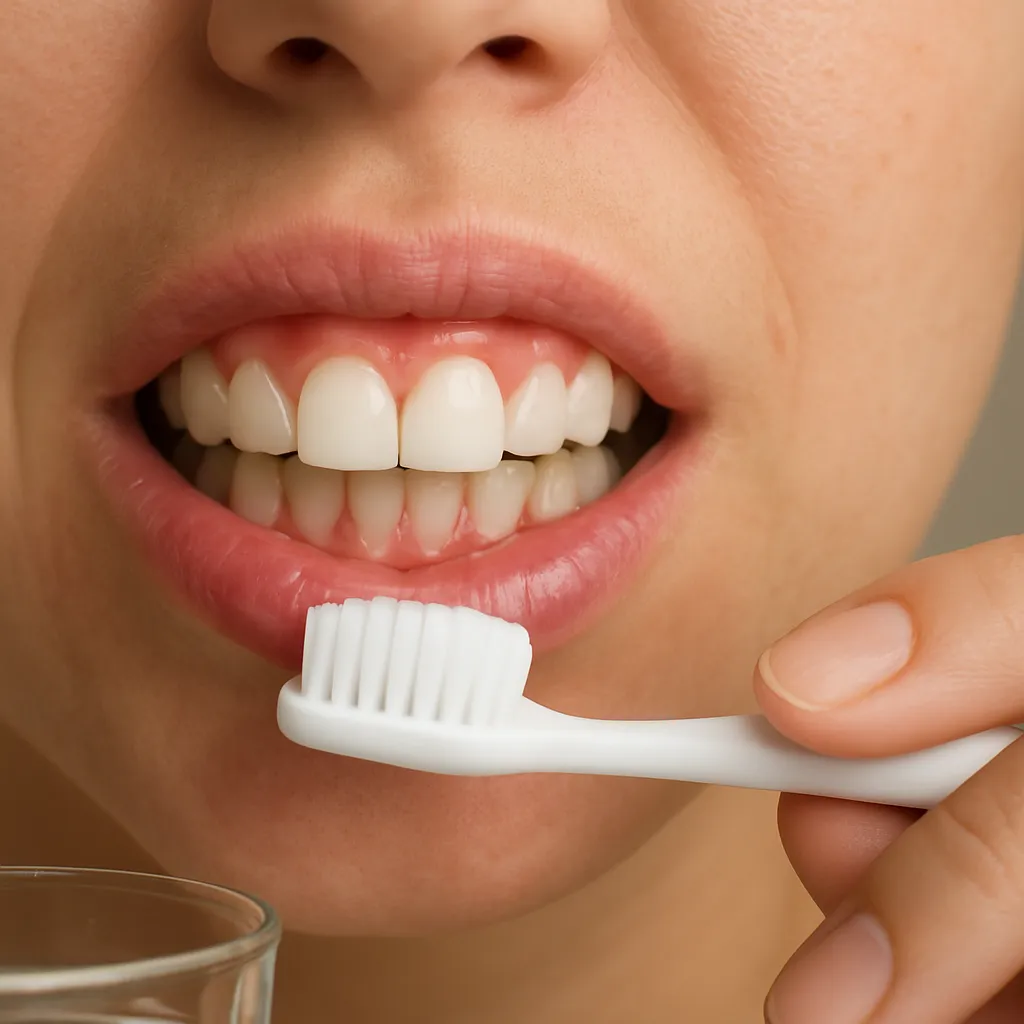
Beyond examinations, checkups reinforce the importance of sound home care. Your dentist or hygienist will demonstrate proper brushing and flossing techniques, recommend products tailored to your needs, and offer dietary advice. This collaborative approach empowers you to take ownership of your oral health.
Consequences of Skipping Dental Visits
Regular appointments serve as a safety net. When you skip them, you remove that critical line of defense. Problems that remain unchecked will worsen, leading to pain, infection, and a potential need for extensive procedures.
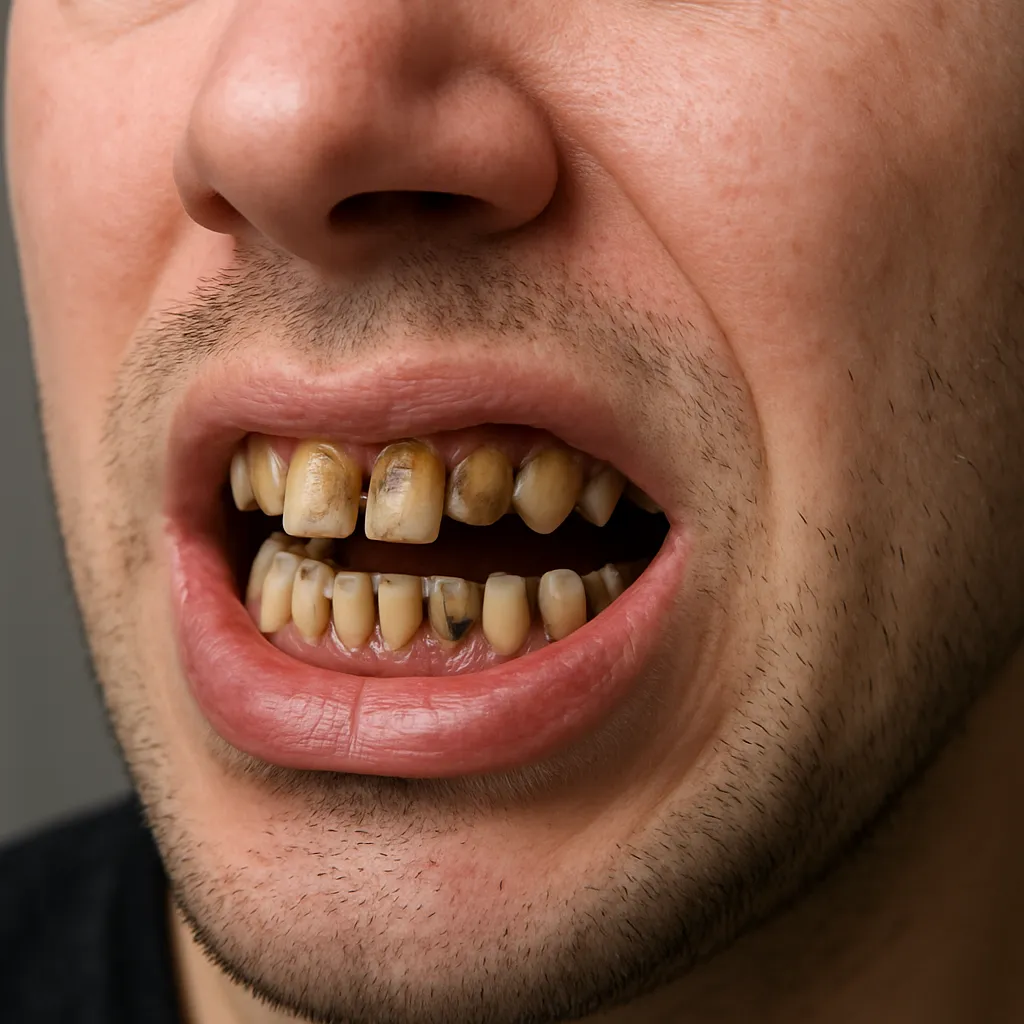
- Cavities: Small areas of decay expand quickly, turning into larger cavities that may require root canals or extractions.
- Gum Disease: Gingivitis can advance to periodontitis, damaging bone structure and risking tooth loss.
- Tartar Buildup: Hardened deposits form under and above the gum line, harboring harmful bacteria.
- Bad Breath: Persistent halitosis can be embarrassing and socially isolating.
- Treatments Become Costly: Minor fixes escalate into major restorative work like crowns, bridges, or implants.
Consider a small crack in a tooth. If left untreated, bacteria invade, causing pain and swelling. What might have been repaired with a simple filling could require a root canal and a crown when discovered late. Skipping routine cleanings ensures plaque hardens into tartar, making flossing and brushing far less effective. The cycle of neglect accelerates, and you end up facing both dental and financial hardship.
Psychological and Systemic Health Impacts
Consistent dental neglect doesn’t only harm your mouth—it can affect your mind and body. People who avoid appointments often experience heightened anxiety around dental visits, which intensifies over time. This dental phobia can lead to further avoidance, creating a self-perpetuating cycle of fear and decay.
Beyond mental health, research links poor oral hygiene to systemic conditions:
- Cardiovascular Disease: Inflammatory markers from chronic gum infections may increase the risk of heart attacks and strokes.
- Diabetes: Gum disease makes blood sugar harder to control, while high glucose levels encourage bacterial growth in the mouth.
- Respiratory Issues: Aspiration of oral bacteria can contribute to pneumonia and chronic lung conditions.
- Adverse Pregnancy Outcomes: Pregnant women with severe periodontal disease may face higher chances of preterm birth and low birth weight.
Failing to address oral infections allows bacteria to enter the bloodstream, triggering inflammation throughout the body. Over time, this can compromise organ function and worsen chronic illnesses. Therefore, skipping dental visits is not merely a cosmetic concern but a legitimate threat to comprehensive health.
Strategies to Maintain a Healthy Appointment Schedule
Preventing the negative fallout of missed visits begins with good planning. Establish a reliable system to book and remember your dental appointments. Use these practical tactics:
- Digital reminders: Sync appointment notifications with your smartphone calendar or use specialized apps that prompt you days in advance.
- Pre-Book Multiple Visits: At the end of each appointment, schedule the next two or three cleaning sessions to secure prime timeslots.
- Flexible Hours: If traditional work hours pose a challenge, ask your dental office about early morning, evening, or weekend openings.
- Accountability Partners: Coordinate with a friend or family member who also needs routine checkups, turning your visits into a shared commitment.
- Transparent communication: Inform your dental team about any financial, transportation, or time constraints—often they can suggest solutions like payment plans or ride-share referrals.
Maintaining an open dialogue with your dentist ensures that barriers to care are addressed swiftly. If you’re experiencing anxiety, discuss sedation options or shorter acclimation visits to build comfort. Always reschedule canceled appointments promptly rather than letting them slip indefinitely. By prioritizing your oral health, you safeguard not only your smile but also your overall quality of life.