Toothaches can disrupt daily life, making it difficult to eat, speak, or even concentrate. Fortunately, a variety of home remedies and simple practices can offer temporary relief until professional care is available. This guide explores several natural and practical methods aimed at alleviating toothache discomfort, addresses safety precautions, and outlines when it’s crucial to consult a dentist.
Natural Ingredients to Soothe Pain
Using common kitchen staples, you can create effective mixtures that target bacterial growth, reduce inflammation, and numb sensitive areas.
Saltwater Rinse
A saltwater rinse is one of the easiest and most reliable remedies. Salt acts as a gentle antiseptic that can cleanse the mouth and minimize swelling.
- Mix one teaspoon of non-iodized salt with 8 ounces of warm water.
- Swish thoroughly around the affected tooth for 30–60 seconds.
- Spit out the solution and repeat up to three times daily.
Clove Oil Application
Clove contains eugenol, a natural compound known for its anesthetic and antibacterial properties.
- Soak a small cotton ball in clove oil and place it on the sore area.
- Avoid direct contact with gums to prevent irritation.
- Use sparingly—once or twice a day—to prevent tissue damage.
Garlic Poultice
Garlic offers both analgesic and antimicrobial benefits due to its potent allicin content.
- Crush one clove of garlic into a paste.
- Apply directly to the aching tooth or mix with a pinch of salt.
- Leave on for 5–10 minutes, then rinse with water.
Peppermint Tea Compress
Peppermint tea bags provide a cooling effect and mild numbing, which can relieve minor discomfort.
- Brew a peppermint tea bag in hot water for 2–3 minutes.
- Allow it to cool slightly before applying to the painful area.
- Hold in place for 15 minutes; repeat as needed.
Home Practices to Reduce Discomfort
Beyond topical treatments, certain physical practices can help manage pain and promote healing.
Cold Compress
Applying a cold pack externally can constrict blood vessels and reduce inflammation around the jaw.
- Wrap ice cubes or a cold gel pack in a thin cloth.
- Press gently against the cheek for 10–15 minutes.
- Take 5-minute breaks and repeat up to 4 times daily.
Warm Compress
If a cold compress feels too intense, a warm compress can soothe muscle tension and improve circulation.
- Soak a clean cloth in warm water.
- Wring out excess water and place on the jaw area.
- Maintain for 10–15 minutes, repeating as necessary.
Head Elevation and Rest
Elevating the head while lying down can prevent blood from pooling around the nerves in the face, reducing throbbing pain.
- Use an extra pillow when sleeping or napping.
- Avoid strenuous activities that may increase discomfort.
Complementary Techniques and Lifestyle Adjustments
Incorporating daily habits can support oral health and extend the relief achieved by more direct remedies.
Oil Pulling
This ancient practice involves swishing edible oils to remove bacteria and reduce plaque buildup.
- Swish one tablespoon of coconut or sesame oil in your mouth for 10–15 minutes.
- Spit the oil into a trash can to prevent plumbing issues.
- Rinse with warm water and brush gently afterward.
Usage of Essential Oils
Certain essential oils like tea tree and lavender have antimicrobial qualities.
- Add one drop of tea tree oil to half a cup of water for a mild rinse.
- Mix lavender oil with a carrier (e.g., coconut oil) and apply externally around the jawline.
Over-the-Counter Analgesics
Non-prescription pain relievers can complement natural methods when used properly.
- Follow dosing instructions for ibuprofen or acetaminophen.
- Avoid placing pills directly on the gums to prevent chemical burns.
- Consult packaging guidelines if you have underlying health conditions.
Precautions and When to Seek Professional Care
While many home remedies can offer short-term relief, certain warning signs indicate the need for immediate professional attention.
Red Flags:
- Persistent bleeding or severe swelling around the tooth
- High fever or chills accompanying the pain
- Difficulty swallowing or breathing
- Intense throbbing that disrupts sleep and daily activities
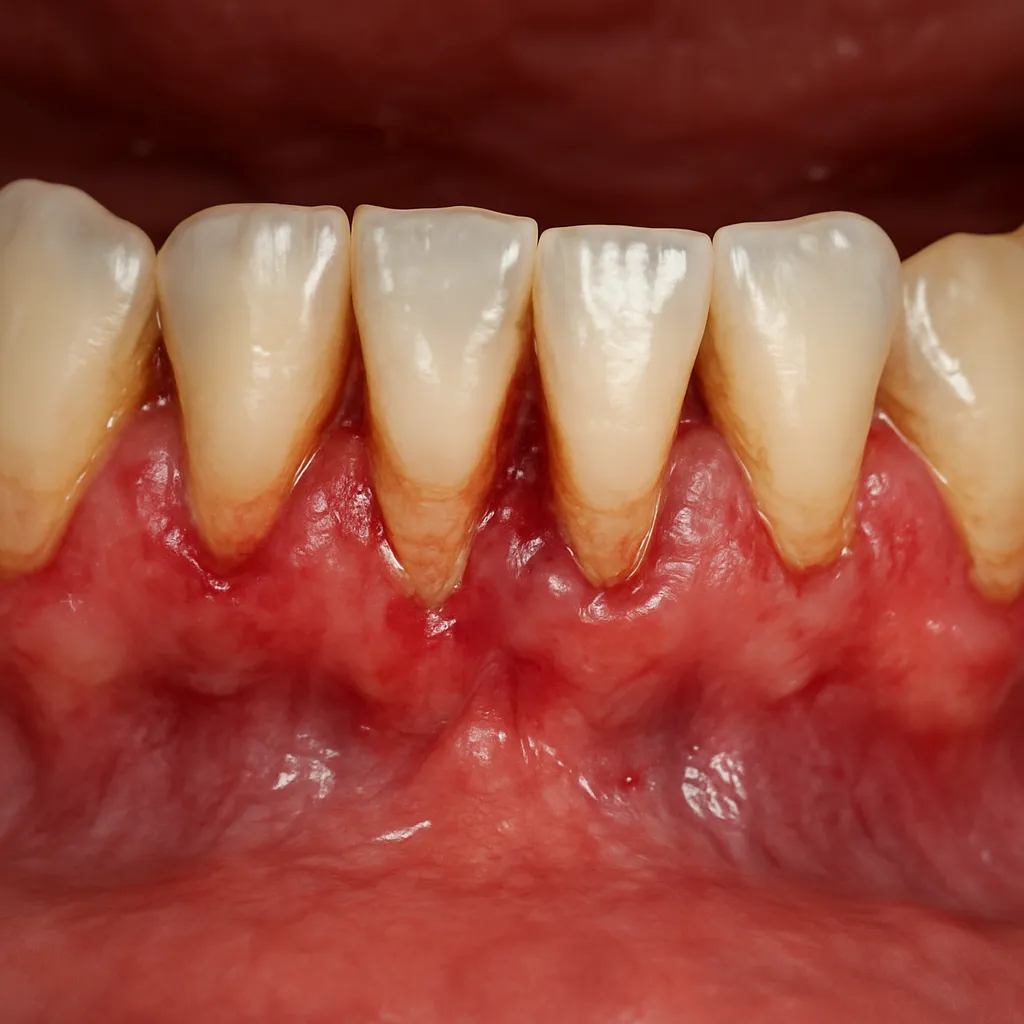
- Visible abscess or pus discharge near the gum line
If any of these symptoms occur, or if relief remains minimal after 48 hours of conservative care, it’s critical to visit a dentist. Early intervention can prevent more serious complications, such as tooth loss or systemic infection.
By combining practical remedies and mindful lifestyle adjustments, you can effectively manage mild to moderate toothache until professional evaluation is possible. Always prioritize safety and consult your dental provider for persistent or severe issues.