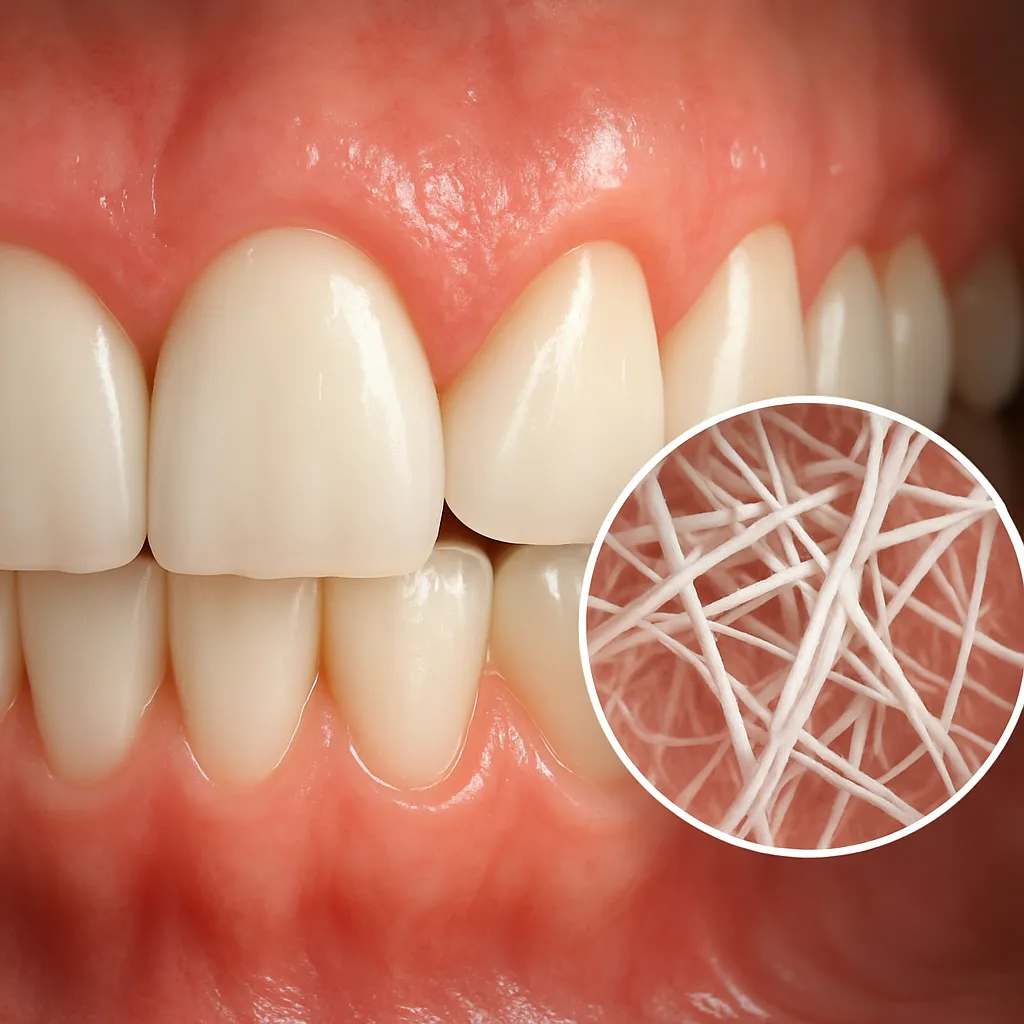
Gum disease is more than a simple dental concern; it represents a progressive condition driven by harmful bacteria and persistent inflammation that can have serious consequences if left unchecked. This article explores the cascade of events—from early gum irritation to advanced periodontitis—and highlights why timely intervention is essential for preserving both oral and overall health.
Understanding the Pathophysiology of Untreated Gum Disease
Gum disease, also known as periodontal disease, typically begins with plaque buildup along the gumline. When plaque is not regularly removed through proper brushing and flossing, it mineralizes into tartar. The presence of tartar creates a habitat where bacteria flourish, releasing toxins that irritate gum tissues.
- Gingivitis: The earliest and reversible stage, characterized by red, swollen gums that may bleed during brushing.
- Periodontitis: An advanced stage in which pockets form between teeth and gums, allowing more bacteria to invade deeper tissues.
- Advanced Periodontitis: Marked by significant bone loss around teeth, leading to mobility and potential tooth loss.
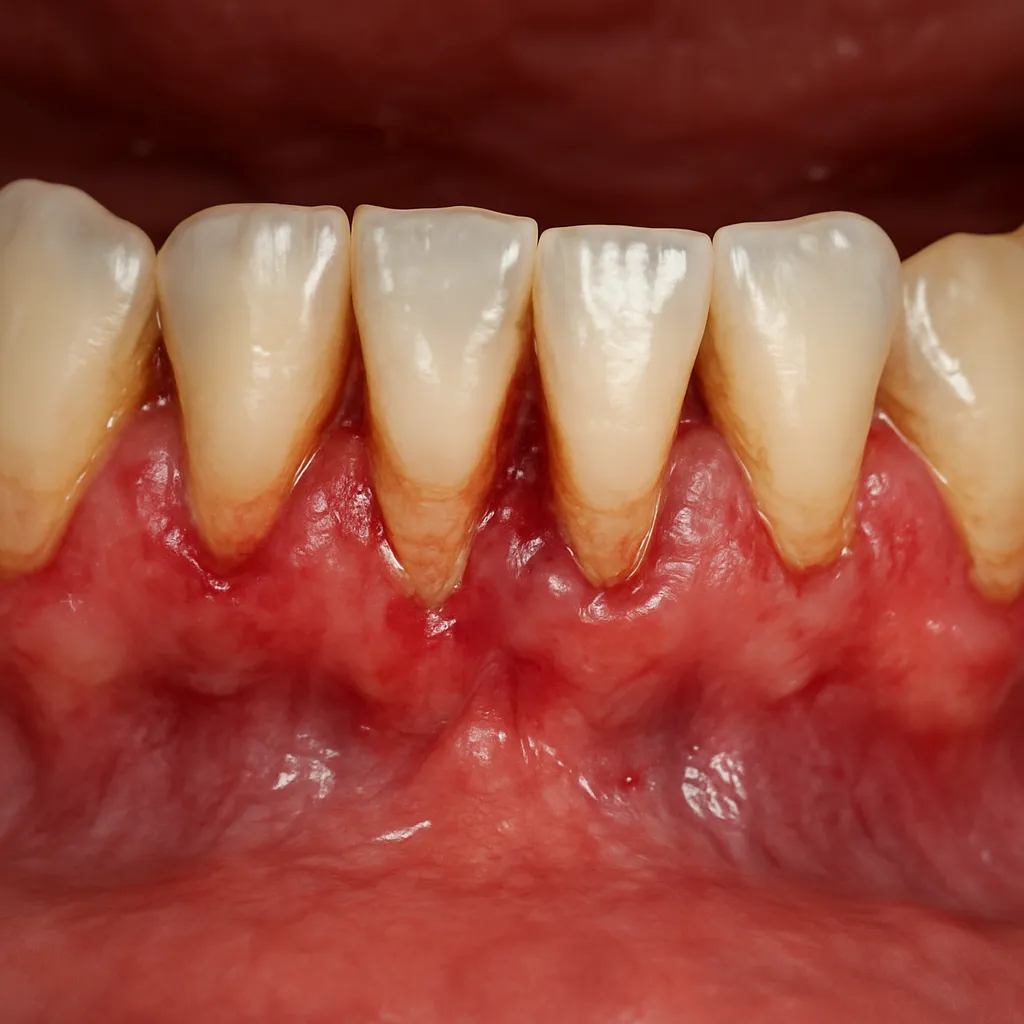
Left unchecked, the inflammatory response can degrade the connective tissues and the jawbone itself. This process is driven by the body’s own defense mechanisms, which, while attempting to eradicate infection, inadvertently damage surrounding structures. Over time, the gums may start receding, exposing tooth roots and increasing sensitivity.
Oral Consequences of Neglecting Gum Health
Ignoring early signs of gum disease sets the stage for a series of increasingly severe oral problems. The following consequences emphasize why early detection and management are vital:
- Tooth Loss: As supporting structures weaken, teeth may shift or loosen, ultimately requiring extraction.
- Receding Gums: Gum margins pull away from teeth, creating pockets where debris and bacteria accumulate, worsening infection.
- Halitosis: Chronic bad breath becomes persistent as bacteria thrive in periodontal pockets.
- Pain and Discomfort: Chewing, speaking, or even brushing can become painful as infection deepens.
- Compromised Aesthetics: Gaps between teeth and exposed roots can affect smile appearance and self-confidence.
In severe cases, residual tooth roots may become infected, leading to abscesses that cause intense pain and require emergency care. Tooth mobility disrupts normal chewing function, forcing dietary changes that can affect nutrition and quality of life.
Systemic Health Implications
Emerging research has established links between untreated gum disease and various systemic conditions. Bacteria and inflammatory mediators from infected gums can enter the bloodstream, triggering or exacerbating health issues elsewhere in the body.
- Cardiovascular Disease: Studies suggest that periodontal inflammation contributes to arterial plaque formation, increasing the risk of heart attack and stroke.
- Diabetes: Gum disease can make blood sugar harder to control, while high blood sugar exacerbates periodontal breakdown in a two-way interaction.
- Respiratory Infections: Aspiration of periodontal bacteria can lead to pneumonia or worsen chronic respiratory diseases.
- Pregnancy Complications: Women with severe periodontitis face higher risks of preterm birth and low birth weight.
- Rheumatoid Arthritis: Systemic inflammation originating in the gums may trigger or worsen autoimmune joint inflammation.
These connections underscore the importance of maintaining optimal oral health not just for the mouth, but for the entire body. Collaboration between dentists and medical professionals is often necessary to manage patients with both gum disease and systemic conditions effectively.
Prevention, Early Intervention, and Urgency of Treatment
Preventing gum disease or halting its progression hinges on consistent oral hygiene and regular dental visits. Key preventive measures include:
- Brushing twice daily with fluoride toothpaste to disrupt bacterial biofilm.
- Daily flossing or use of interdental brushes to clean between teeth.
- Routine professional cleanings every six months, or more frequently for high-risk patients.
- Smoking cessation, as tobacco use significantly elevates periodontal risk.
- A balanced diet rich in vitamins C and D to support gum tissue health.
At the first signs of gum irritation—bleeding, swelling, or tenderness—seeking professional evaluation is critical. Early treatment options such as scaling and root planing can reverse gingivitis and prevent irreversible damage. In advanced cases, surgical procedures may be required to reduce pocket depths and regenerate lost bone and tissue.
Understanding the severe consequences of untreated gum disease, from local destructive effects to systemic health threats, reinforces why proactive care and timely treatment are non-negotiable. Addressing gum disease in its earliest stages preserves not only your smile but also your overall well-being.