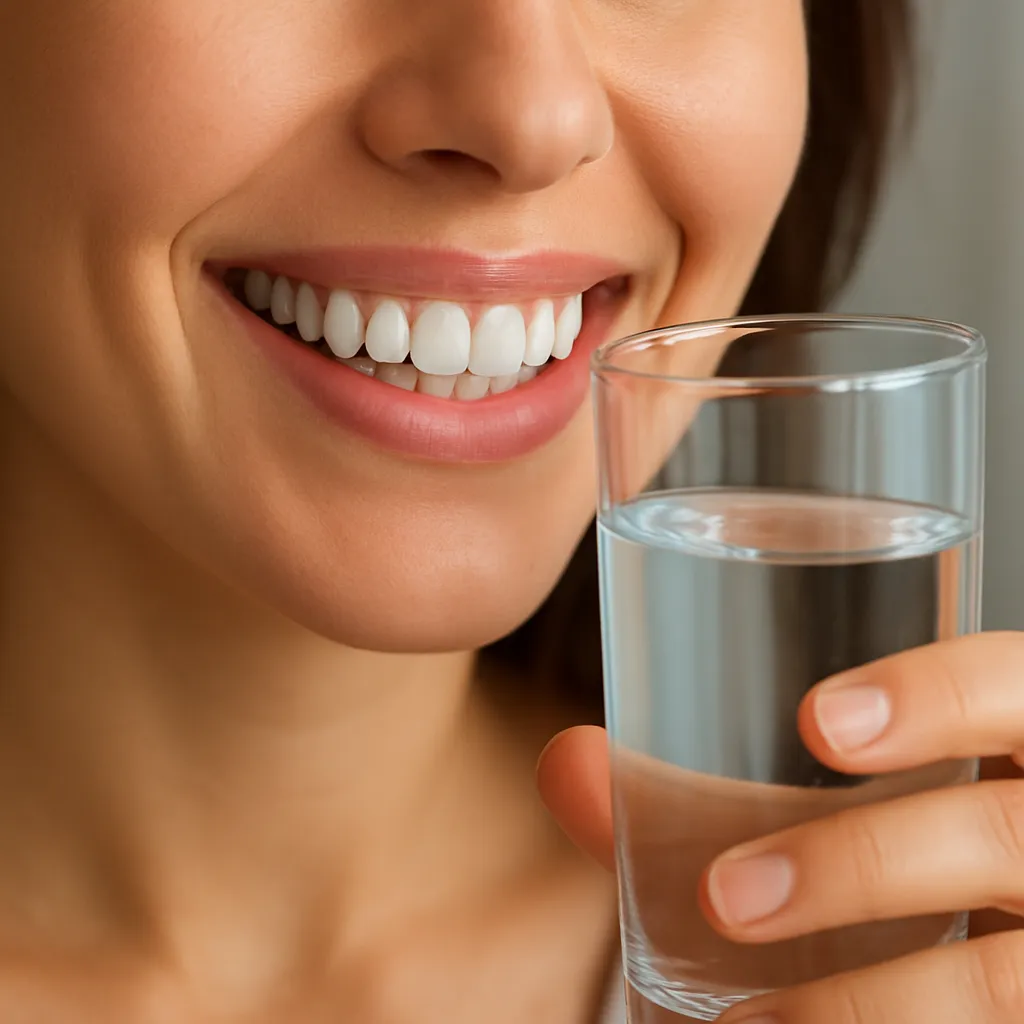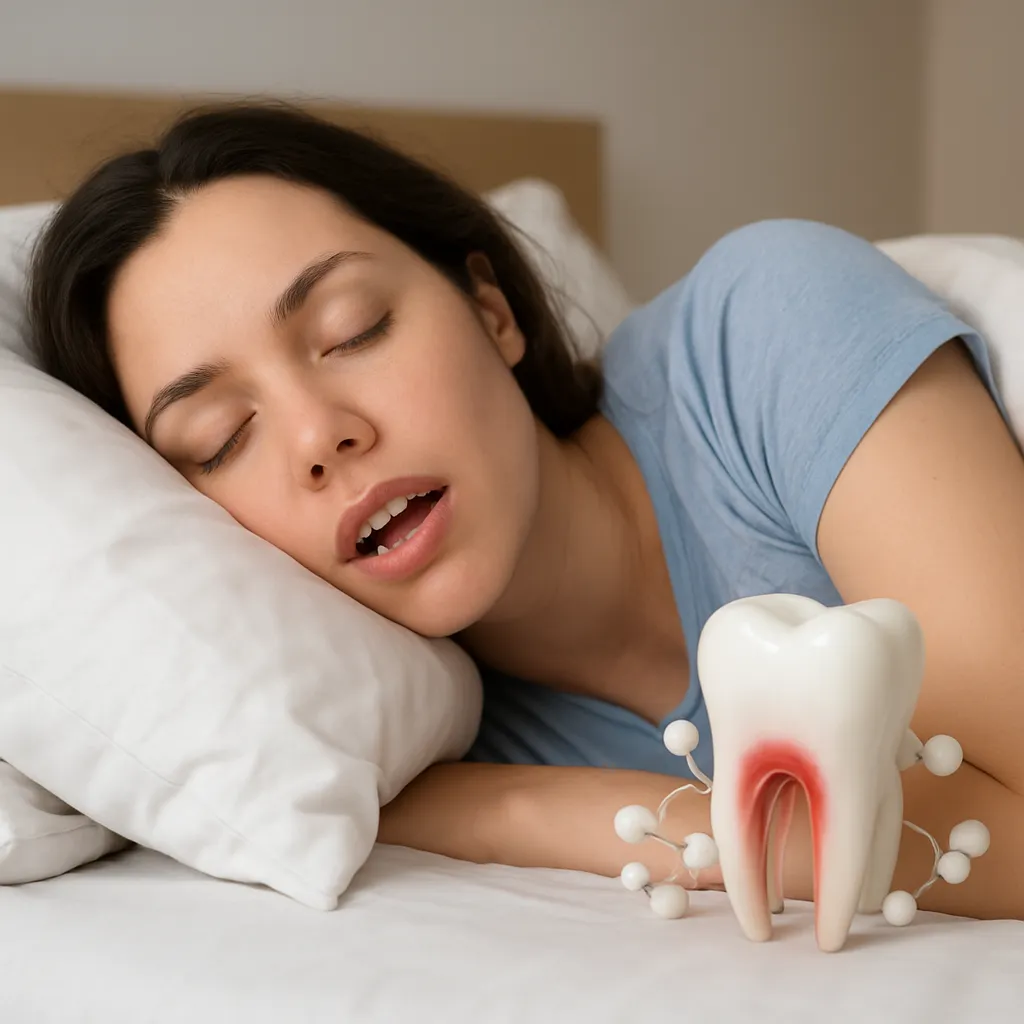
Understanding the intricate relationship between sleep and oral health uncovers vital insights for both patients and practitioners in the field of dentistry. Adequate rest isn’t just crucial for mental and physical well-being; it also sets the stage for maintaining a healthy mouth. This article delves into the underlying mechanisms linking night-time physiology with dental outcomes, explores common sleep-related oral disorders, and offers practical strategies to optimize restorative rest while safeguarding oral structures.
Role of Saliva and Night-time Physiology
During sleep, the body transitions into a phase of reduced metabolic activity. One significant change is a dramatic decrease in salivary flow rate. Saliva performs multiple protective functions, including mechanical cleansing, buffering of acids, and antimicrobial action. A drop in salivary secretion sets the stage for increased bacteria accumulation and acid attacks on enamel.
Salivary Composition and Protective Factors
- Saliva contains enzymes like lysozyme and lactoferrin, which inhibit bacterial growth.
- Mucins in saliva form a protective coating that reduces friction and shields oral tissues.
- Bicarbonate ions buffer acids produced by plaque microorganisms, preventing demineralization.
When these factors diminish during sleep, the risk of plaque maturation and acid-mediated enamel demineralization increases. Over time, this dynamic can contribute to higher rates of caries and gingival irritation.
Common Sleep-Related Oral Conditions
Several conditions arise or worsen overnight, posing challenges for both patients and dentists. Identifying these issues is crucial for early intervention and preventive measures.
Obstructive Sleep Apnea (OSA) and Periodontal Disease
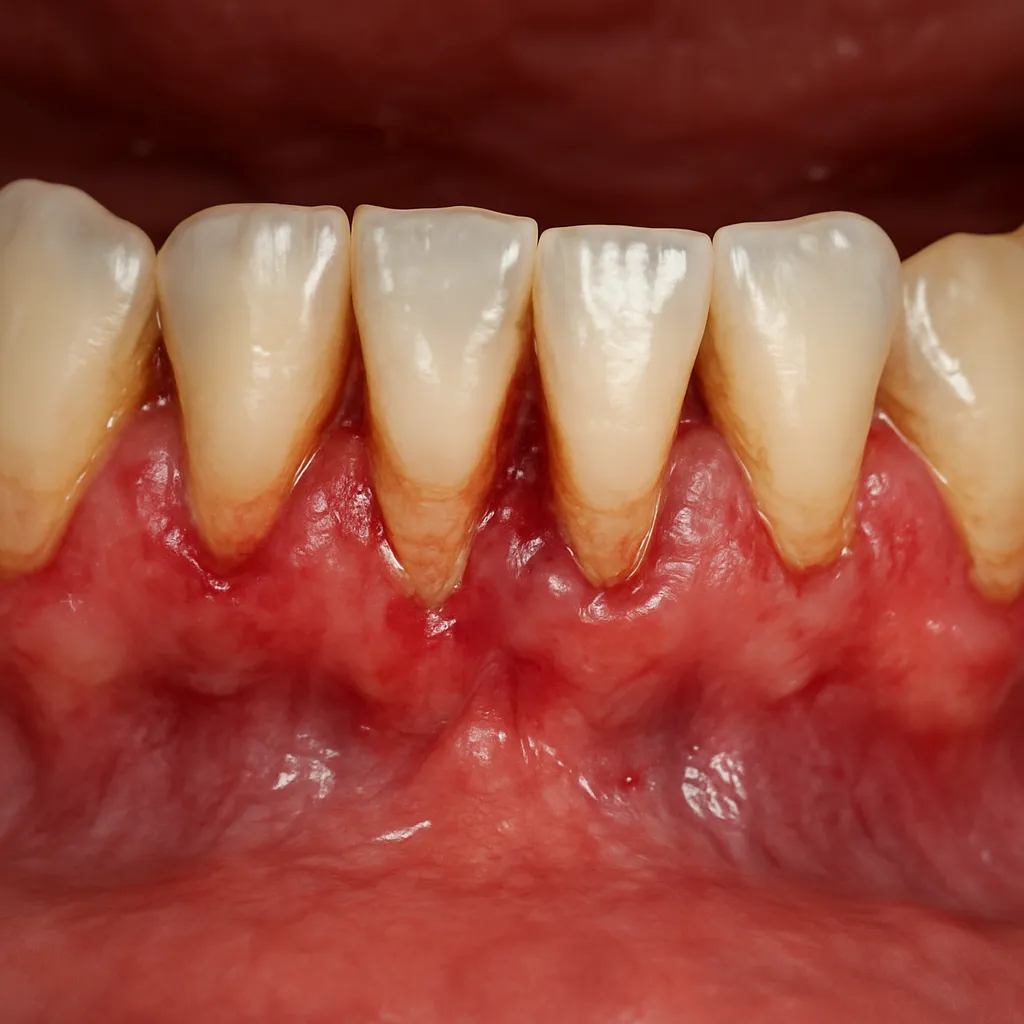
Obstructive Sleep Apnea involves repeated airway collapse during sleep, leading to intermittent hypoxia and fragmented rest. OSA can exacerbate inflammatory pathways, elevating levels of C-reactive protein and cytokines in the bloodstream. Chronic systemic inflammation is a known risk factor for periodontitis. Moreover, mouth breathing common in OSA patients promotes a dry mouth environment, further compromising the mucosal barrier.
Bruxism and Tooth Wear
Bruxism is the involuntary clenching or grinding of teeth during sleep. It exerts tremendous forces on dental hard tissues and supporting structures, leading to:
- Attrition and enamel loss
- Cracks in tooth structure
- Temporomandibular joint discomfort
Left untreated, bruxism can result in restorative failures and increased sensitivity due to exposed dentin.
Nocturnal Dry Mouth and Caries Risk
Dry mouth (xerostomia) at night encourages acidogenic bacteria to thrive, as the cleansing action of saliva is absent. Reduced buffering capacity allows pH levels to fall, facilitating enamel demineralization and fostering bacteria like Streptococcus mutans. This scenario dramatically increases the likelihood of new carious lesions developing between dental checkups.
Impact on the Immune Response and Tissue Repair
Restorative sleep is vital for systemic and oral immune competence. During deep sleep phases, growth hormone secretion and cellular repair processes are maximized. The immune response in gingival tissues relies on this nightly regeneration. Disrupted or insufficient sleep can impair neutrophil function, diminishing the mouth’s ability to fight off invading pathogens.
- Delayed wound healing after extractions or periodontal surgery
- Increased susceptibility to oral infections
- Persistent gingival inflammation
Ensuring patients obtain sufficient sleep is, therefore, a key factor in postoperative recovery and long-term tissue health.
Strategies for Improving Sleep and Oral Outcomes
Addressing sleep quality not only benefits general health but directly translates to stronger oral defenses. Dentists can collaborate with patients and interdisciplinary colleagues to implement the following measures:
Behavioral and Environmental Adjustments
- Establish a consistent bedtime routine to cue the body into rest mode.
- Reduce exposure to screens at least one hour before sleep to limit blue light interference.
- Maintain a cool, dark bedroom environment that supports uninterrupted sleep cycles.
Oral Appliances and Devices
- Mandibular advancement splints for mild to moderate OSA can help maintain an open airway and reduce snoring.
- Occlusal guards customized for bruxism protect enamel surfaces and distribute bite forces more evenly.
- Night-time fluoride gels or varnishes to counteract high caries risk associated with dry mouth.
Professional Collaboration and Referrals
- Coordinate with sleep specialists or ENT physicians when OSA is suspected.
- Refer patients for polysomnography to quantify sleep disturbances.
- Integrate nutritionists to advise on diets that minimize acids and sugars in the evening.
By combining behavioral strategies, dental interventions, and interdisciplinary care, practitioners can bolster the mouth’s natural defenses against inflammation and decay tied to poor sleep.
Patient Education and Daily Oral Hygiene
Empowering patients with knowledge is fundamental. Dentists should:
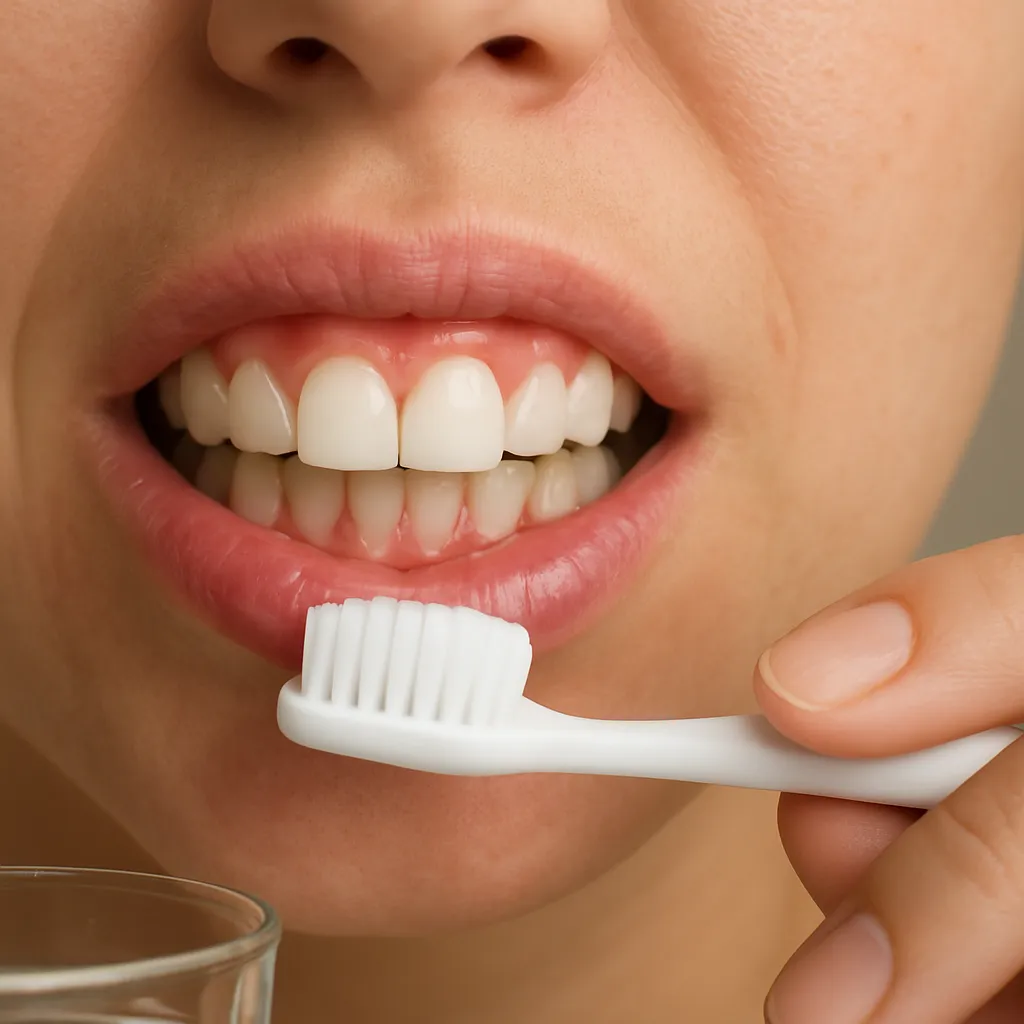
- Highlight the importance of brushing thoroughly before bed to remove food debris that fuels nocturnal bacterial growth.
- Demonstrate proper flossing techniques to eliminate interproximal plaque.
- Discuss the role of alcohol and tobacco in disrupting sleep architecture and impairing salivary function.
Regular six-month checkups can be enhanced by reviewing patients’ sleep habits, identifying risk factors early, and reinforcing home care practices.