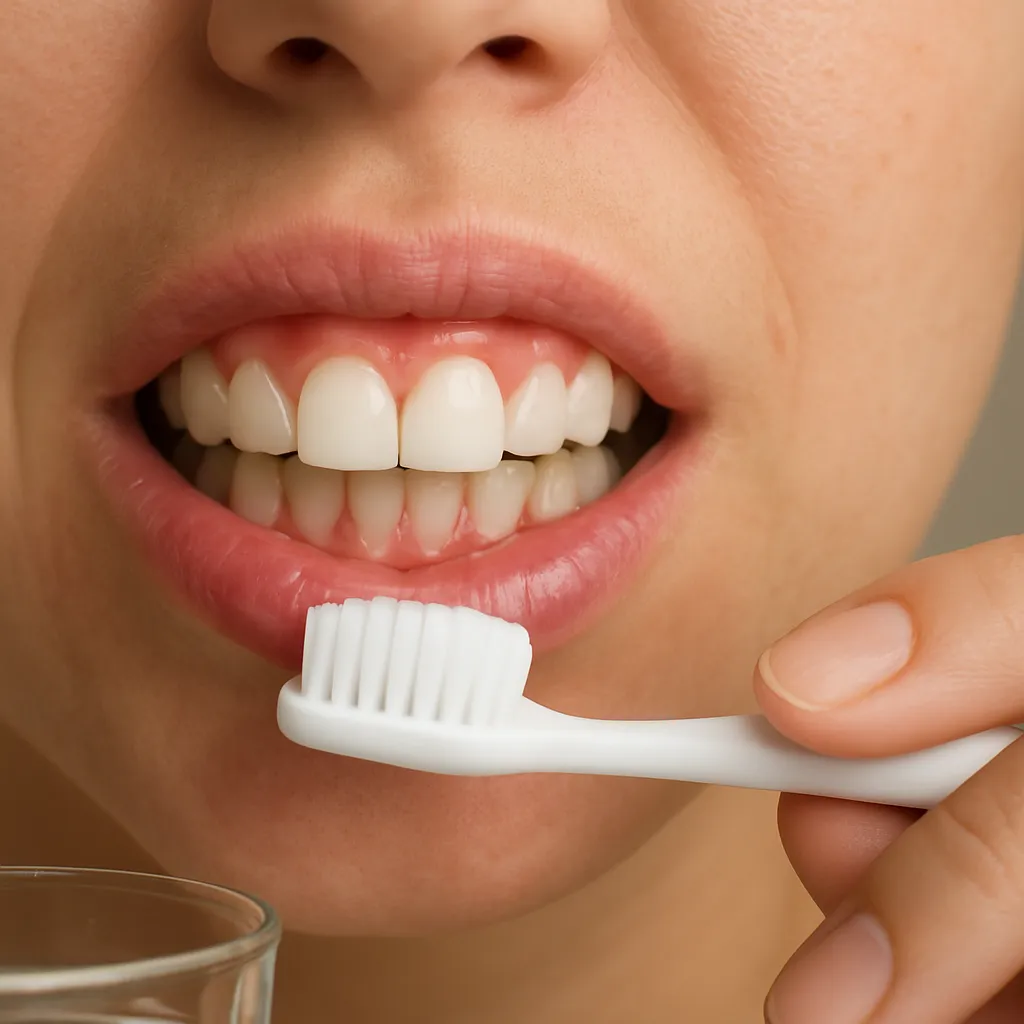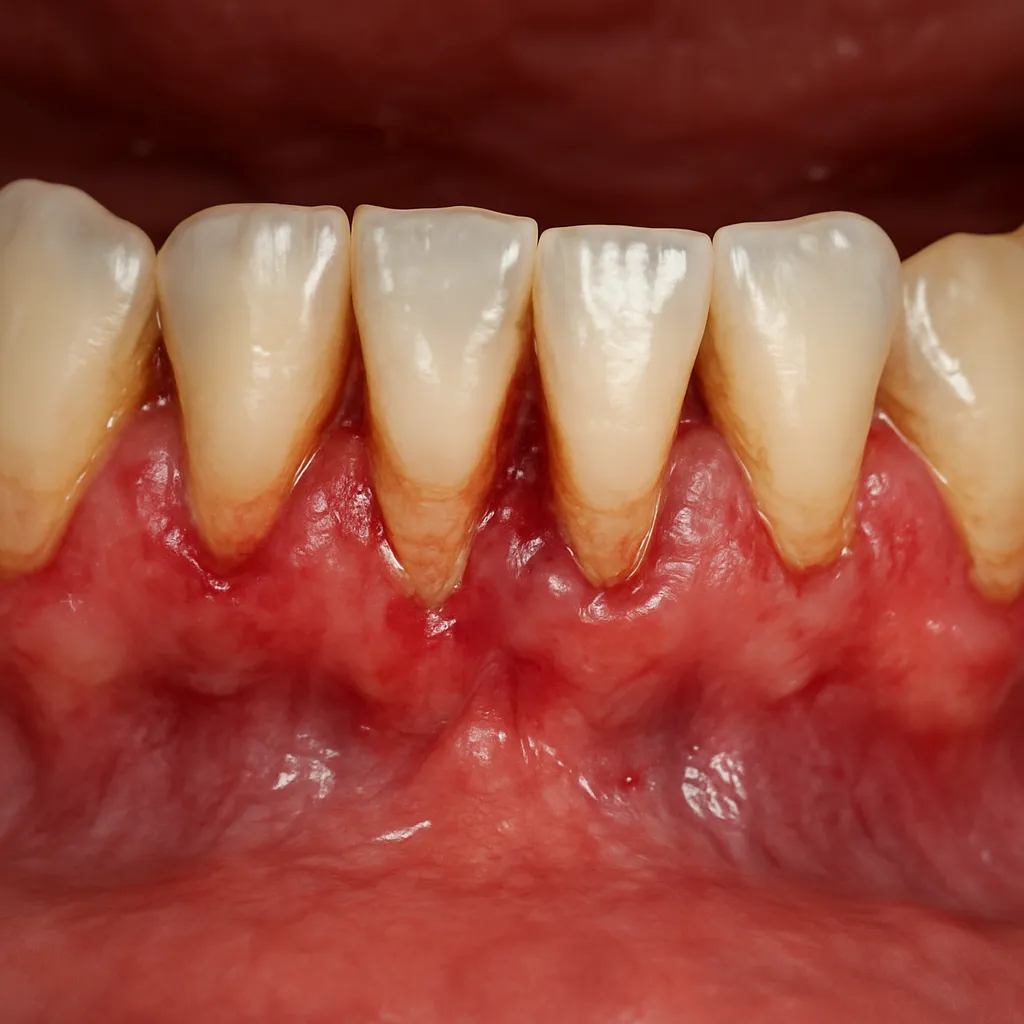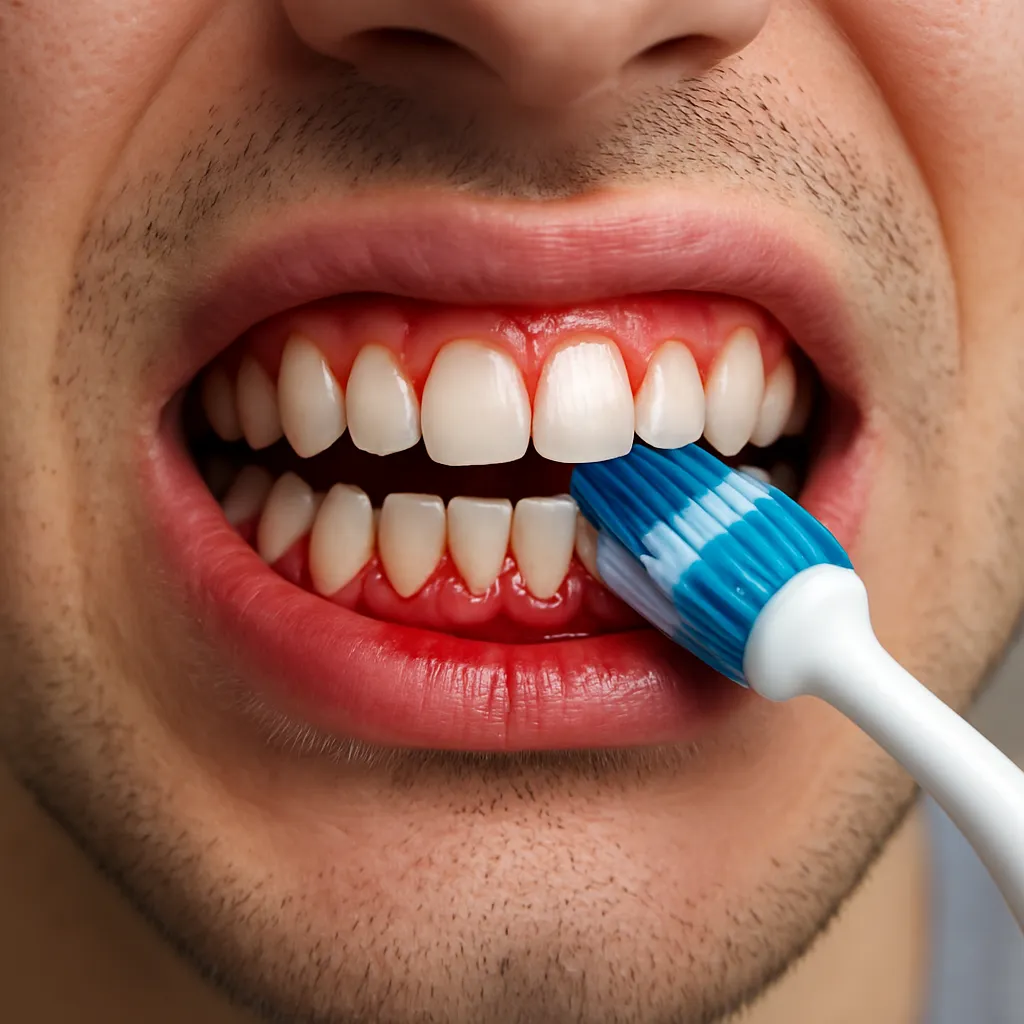
Bleeding while cleaning your teeth can be more than just an occasional nuisance; it often signals an underlying issue within your oral cavity. Regular brushing should leave your mouth feeling fresh and healthy, but if you notice dark pink or red specks in the sink, it’s time to pay attention. This introductory overview explores why bleeding occurs, what it might mean, and how you can restore harmony to your smile.
Understanding the Basics of Gum Health
Your gums are the foundation that holds your teeth firmly in place. Healthy gums should be firm, pale pink, and fit snugly around each tooth. When you maintain a consistent dental routine, you reduce the risk of irritation and damage. However, despite careful care, certain factors can trigger unpleasant symptoms, including redness, tenderness, and bleeding.
Role of Plaque and Bacteria
One of the primary culprits behind gum problems is the accumulation of dental plaque. Plaque is a sticky film of food debris and bacteria that adheres to tooth surfaces and along the gum line. If not removed daily, plaque hardens into tartar, creating a rough surface that further traps more bacteria. As these microorganisms proliferate, they release toxins that irritate the delicate gum tissue, leading to swelling and inflammation.
Early Signs of Gingivitis
Gingivitis represents the initial stage of gum disease. At this point, you may notice minor bleeding especially during flossing or brushing. Often, there is minimal pain, so it can go unnoticed until the bleeding becomes more pronounced. Addressing gingivitis early is crucial to prevent progression into more severe conditions that can threaten tooth stability.
Common Causes of Bleeding During Brushing
Identifying the root cause allows for targeted intervention. Below is a detailed list of frequent triggers for bleeding gums:
- Inadequate Brushing Technique: Using excessive force or a worn-out toothbrush can damage gum tissue and lead to bleeding. Soft-bristle brushes and gentle strokes are key.
- Insufficient Flossing: Skipping daily floss can allow plaque to build up between teeth, aggravating the gum surface.
- Hormonal Changes: Pregnancy, menstruation, or the use of oral contraceptives can increase gum sensitivity and bleeding tendencies.
- Medications: Blood thinners and certain anticonvulsants can make gums more prone to bleeding.
- Nutritional Deficiencies: A lack of vitamin C or K in your diet may impair gum repair and clotting mechanisms.
- Ill-Fitting Dental Appliances: Braces, crowns, or ill-fitted dentures can rub against gums, causing chronic irritation.
- Systemic Conditions: Diabetes and blood disorders sometimes present early symptoms in the form of gum bleeding.
Effective Prevention and Home Care Strategies
Maintaining gum health demands more than occasional brushing. Implement these strategies consistently to reduce the risk of bleeding:
- Choose the Right Tools: Invest in a high-quality, soft-bristle toothbrush and replace it every three months.
- Master the Technique: Angle the brush at 45 degrees toward the gum line. Use gentle, circular motions rather than aggressive back-and-forth scrubbing.
- Floss Daily: Clean between teeth to remove hidden plaque and food particles.
- Use Antimicrobial Rinses: Mouthwashes containing chlorhexidine or essential oils can limit bacterial growth.
- Balance Your Diet: Consume foods rich in vitamin C, such as citrus fruits, and green leafy vegetables for adequate nutrient intake.
- Stay Hydrated: Saliva helps neutralize acids and remineralize tooth enamel, playing a protective role.
- Quit Tobacco: Smoking or using smokeless tobacco significantly worsens gum disease.
Professional Interventions and When to Seek Help
If bleeding persists despite excellent home care, it’s important to schedule a dental evaluation. Professional cleaning can remove stubborn tartar and reveal underlying issues. Depending on the diagnosis, your dentist may recommend:
- Scaling and Root Planing: A deep cleaning process that removes plaque below the gum line and smooths root surfaces to promote reattachment.
- Antibiotic Therapy: Gel or microsphere antibiotics may be applied directly into gum pockets to combat infection.
- Regular Monitoring: Advanced gum disease might require quarterly or even more frequent check-ups to monitor progress.
- Referral to a Periodontist: For severe cases, a specialist in gum disorders can provide targeted surgical or regenerative treatments.
Long-Term Oral Health Maintenance
Preventing recurrence of gum bleeding revolves around sustaining healthy lifestyle choices and clinical support. By combining effective daily care with periodic dental visits, you can protect your smile and preserve tooth structure. Remember that bleeding gums are often an early warning sign—addressing them promptly averts more complex dental concerns and secures lasting prevention.