Experiencing persistent dental discomfort can be unsettling, especially when you can’t schedule an immediate appointment with a dentist. While professional care is essential, there are effective strategies to manage pain and prevent the situation from worsening. This article explores practical techniques and remedies to provide relief until you can see an oral health professional.
Understanding Types of Dental Pain and Their Causes
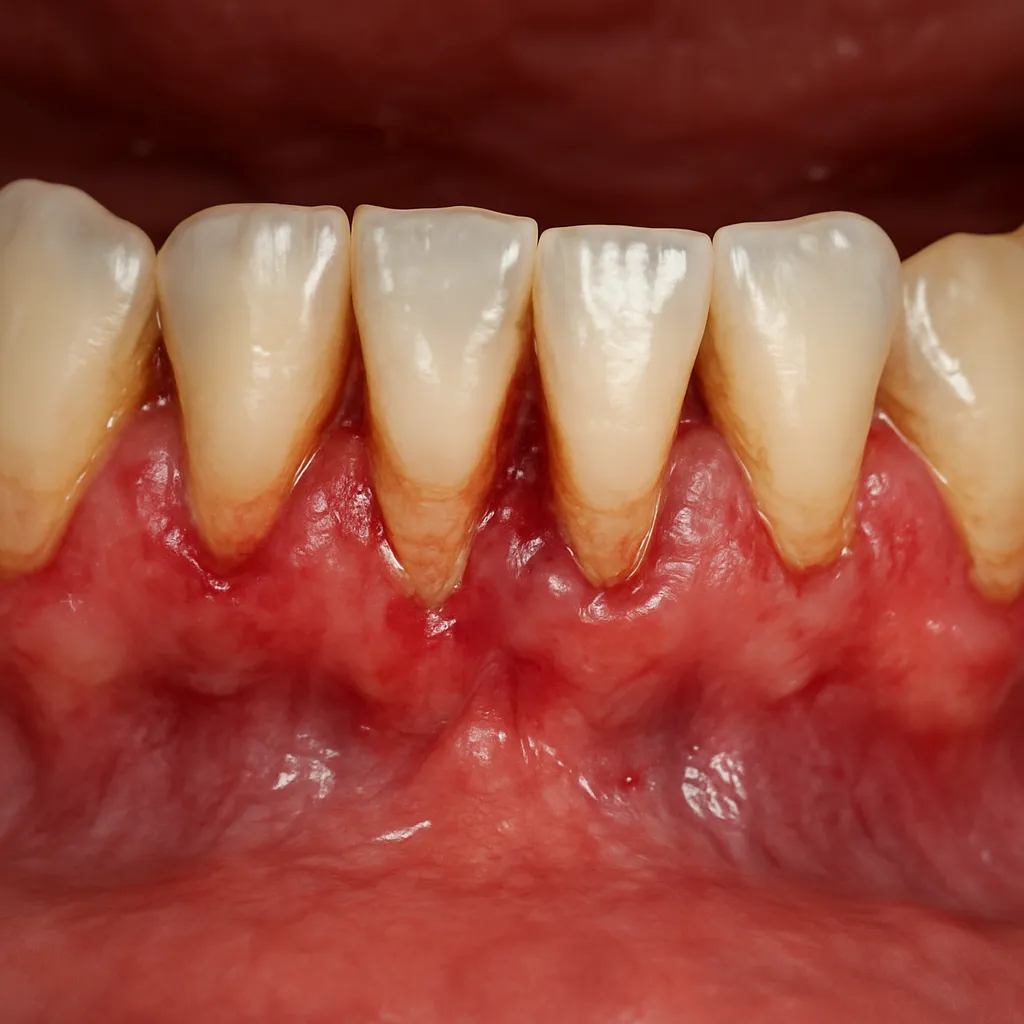
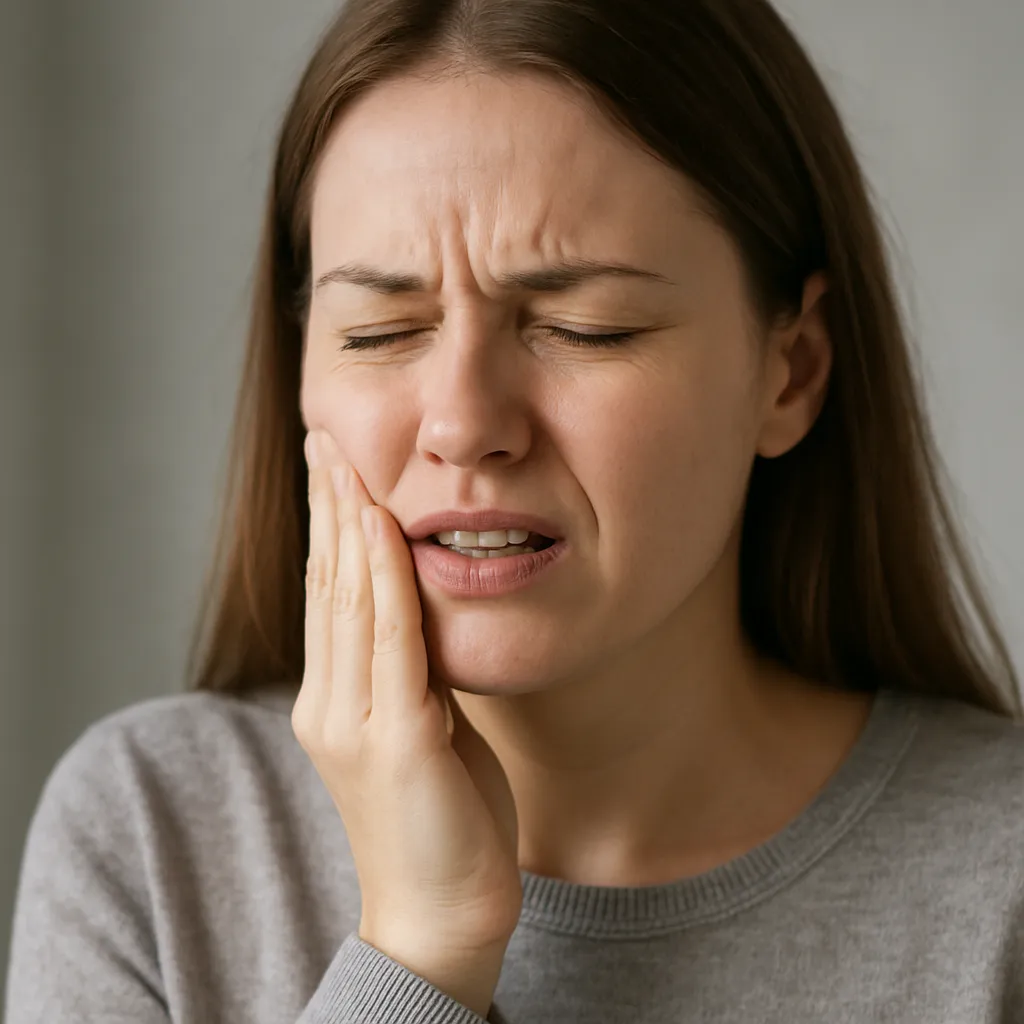
Dental pain manifests in various forms, and identifying its type helps choose the right interim solution. Common sources include cavities, gum disease, cracked teeth, or sensitivity.
Sharp, sudden pain
- Often signals a toothache caused by deep decay or exposed dentin.
- Triggered by hot, cold, or sweet stimuli.
Dull, throbbing ache
- May indicate an abscess or infection where pus builds up.
- Accompanied by swelling or a feeling of pressure.
Intermittent pain when biting
- Suggests a crack or fracture allowing food particles to irritate the inner pulp.
- Can worsen if left untreated.
Understanding whether your pain is inflammatory or due to structural damage guides your choice of home care measures.
Immediate Pain Relief Strategies
Over-the-Counter Medications
- Non-prescription analgesic tablets such as ibuprofen help reduce swelling and discomfort.
- Aspirin should not be placed directly on the gums, as its acidity can harm soft tissue.
- Follow recommended dosages to avoid complications.
Topical Applications
- Gels containing benzocaine numb the affected area; apply sparingly to avoid irritation.
- Clove oil contains eugenol, a natural anti-inflammatory and keeps bacteria at bay. Dab with a cotton swab on the painful site.
- Avoid oils with high alcohol content, which can worsen sensitivity.
Home Remedies You Can Rely On
Saltwater Rinse
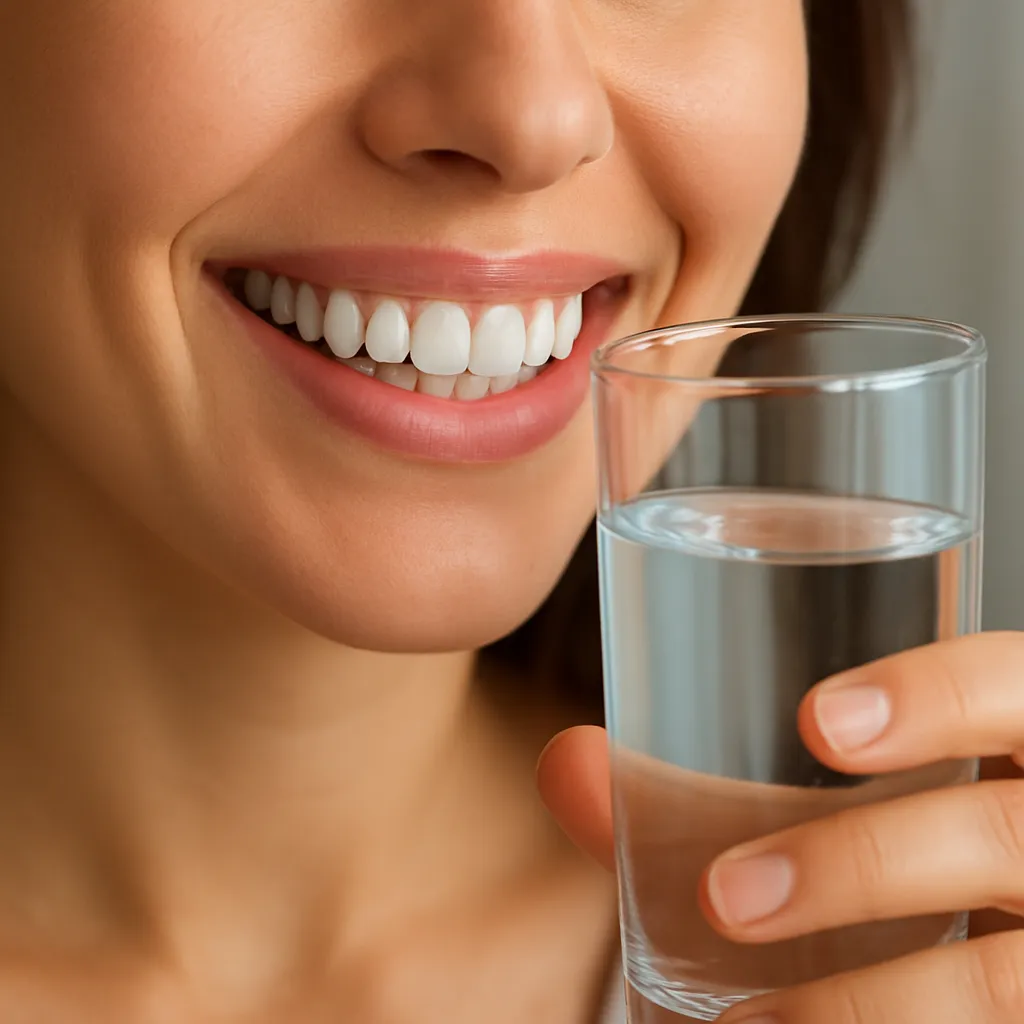
A warm saline solution creates a mild antiseptic environment, helping to clear debris and reduce swelling:
- Mix one teaspoon of salt in a glass of warm water.
- Swish gently for 30 seconds, then spit out. Repeat 2–3 times a day.
Cold Compress
External cooling can alleviate pain and control inflammation:
- Wrap ice cubes in a thin cloth or use a frozen pack.
- Apply to the cheek near the painful area for 15–20 minutes.
- Take breaks to avoid skin damage from prolonged exposure.
Hydrogen Peroxide Rinse
A diluted bacterium-fighting rinse helps if an infection is suspected:
- Combine equal parts 3% hydrogen peroxide and water.
- Swish for up to 30 seconds; never swallow the solution.
- Use once daily to minimize tissue irritation.
Dietary Adjustments and Hydration
Food choices directly impact dental discomfort. Softer textures and proper fluid intake can ease symptoms until definitive care is available.
- Avoid extremely hot, cold, or sharp foods that may trigger pain.
- Opt for smoothies, broths, and mashed vegetables to minimize chewing pressure.
- Maintain hydration to support saliva production, which neutralizes acids and washes away bacteria.
Protecting the Affected Tooth
Temporary coverings can shield an exposed pulp or cracked enamel:
- Dental wax, available at pharmacies, can be molded over broken edges.
- Temporary filling kits create a barrier against irritants, following package instructions.
- Avoid adhesive products not designed for oral care.
When to Seek Emergency Care
While home management is helpful, certain signs require prompt professional attention to prevent complications:
- Severe swelling around the jaw or neck, suggesting a spreading infection.
- High fever or difficulty breathing and swallowing.
- Uncontrolled bleeding following trauma or invasive procedures.
If any of these occur, visit an emergency department or dental clinic immediately rather than relying solely on temporary measures.
Preventive Practices to Reduce Future Pain
Adopting consistent oral hygiene and lifestyle habits not only lowers the risk of recurrence but also enhances overall dental health.
Daily Oral Care Routine
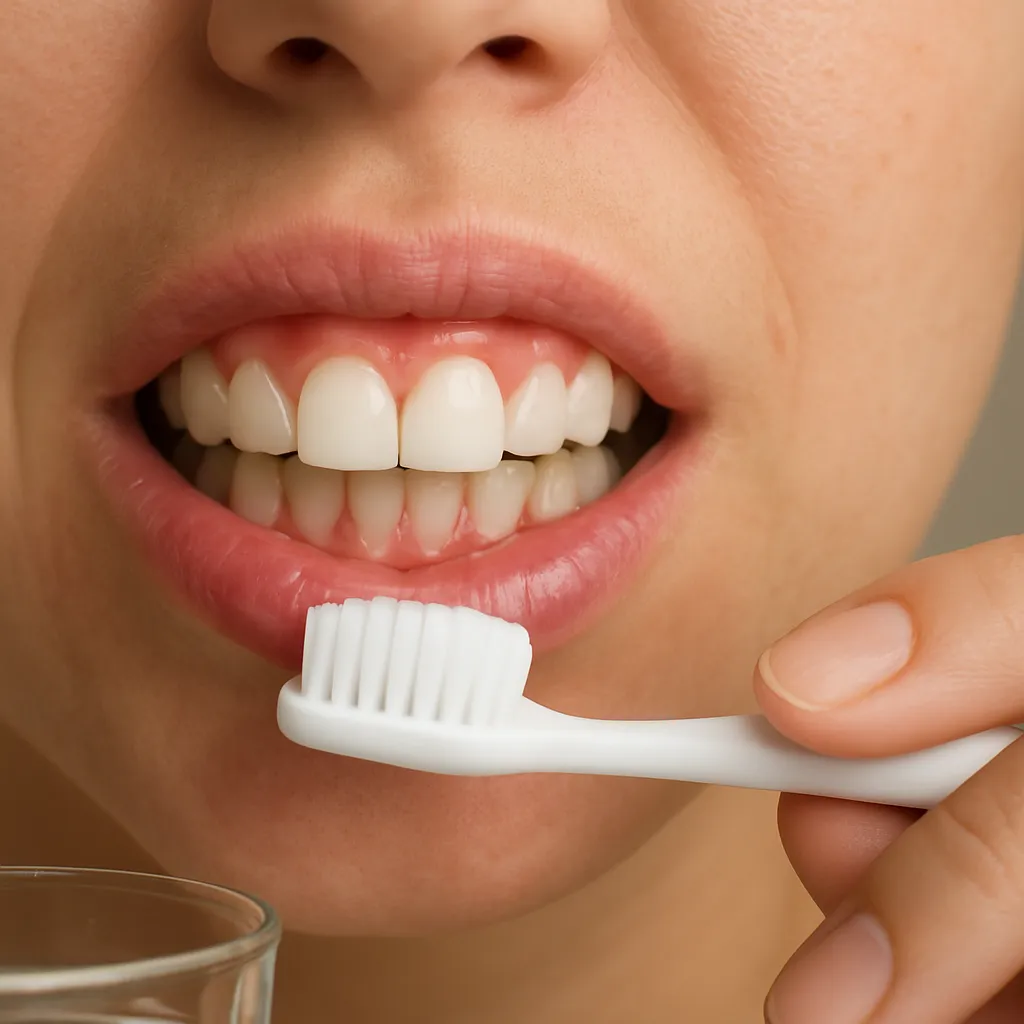
- Brush teeth twice daily with fluoride toothpaste, paying attention to gum lines and back molars.
- Floss gently once a day to remove trapped food particles.
- Consider using an antibacterial mouthwash for extra protection.
Regular Professional Checkups
Biannual visits allow dentists to catch early signs of decay or gum disease. Routine cleanings remove plaque and tartar that home brushing can’t reach.
Healthy Lifestyle Choices
- Limit sugary snacks and acidic beverages, which erode enamel over time.
- Wear a mouthguard during sports to prevent cracks or chips.
- Avoid tobacco products, as they impede healing and increase infection risk.
Understanding the Science Behind Pain Management
Effective relief relies on interrupting pain signals or reducing inflammation:
- Analgesic medications block pain receptors in the nervous system.
- Anti-inflammatory agents decrease the release of chemicals that cause swelling.
- Topical treatments deliver active ingredients directly to damaged tissues.
- Proper technique ensures molecules reach the target area without harming surrounding gums.
Key Takeaways
While these methods offer valuable short-term relief, they do not replace professional dental care. Promptly arranging a dentist appointment ensures accurate diagnosis and definitive treatment, helping you avoid prolonged discomfort and potential complications.