The importance of dental hygiene education extends far beyond the confines of a dental clinic. By focusing on comprehensive training and awareness programs, dental professionals can foster lifelong habits that contribute to overall health and wellness. Through targeted initiatives, innovative strategies, and collaborative efforts, the field of dentistry is well-positioned to empower individuals and communities to achieve lasting oral health.
Building a Strong Foundation Through Dental Hygiene Education
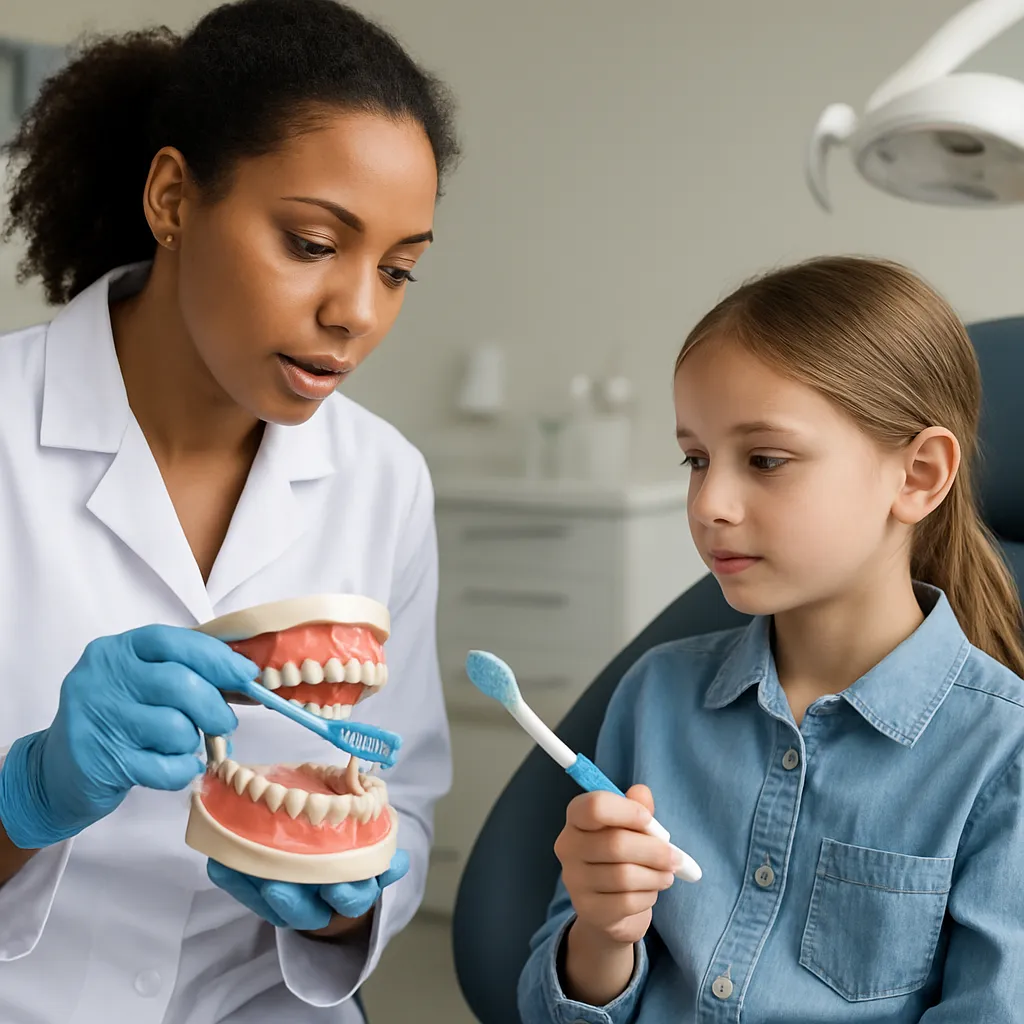
Effective education in dental hygiene starts early, instilling good habits in children and reinforcing them in adults. Teaching proper brushing and flossing methods, combined with regular professional check-ups, forms the bedrock of preventive care. Dental professionals emphasize the value of:
- Oral health screenings to detect issues such as cavities, gum disease, and enamel erosion before they become serious problems.
- Instruction on abrasion-free brushing, selecting the right toothbrush, and using dental floss or interdental cleansers.
- Guidance on nutrition and its impact on dental well-being, highlighting the effects of sugar, acidic foods, and balanced diets.
These fundamental principles serve as the framework for more advanced modules, such as the management of special patient populations—elderly individuals, pregnant women, and those with chronic conditions like diabetes or heart disease. By emphasizing awareness of risk factors and early warning signs, dental hygienists can help patients recognize when to seek prompt professional care.
Integrating Modern Techniques and Community Outreach
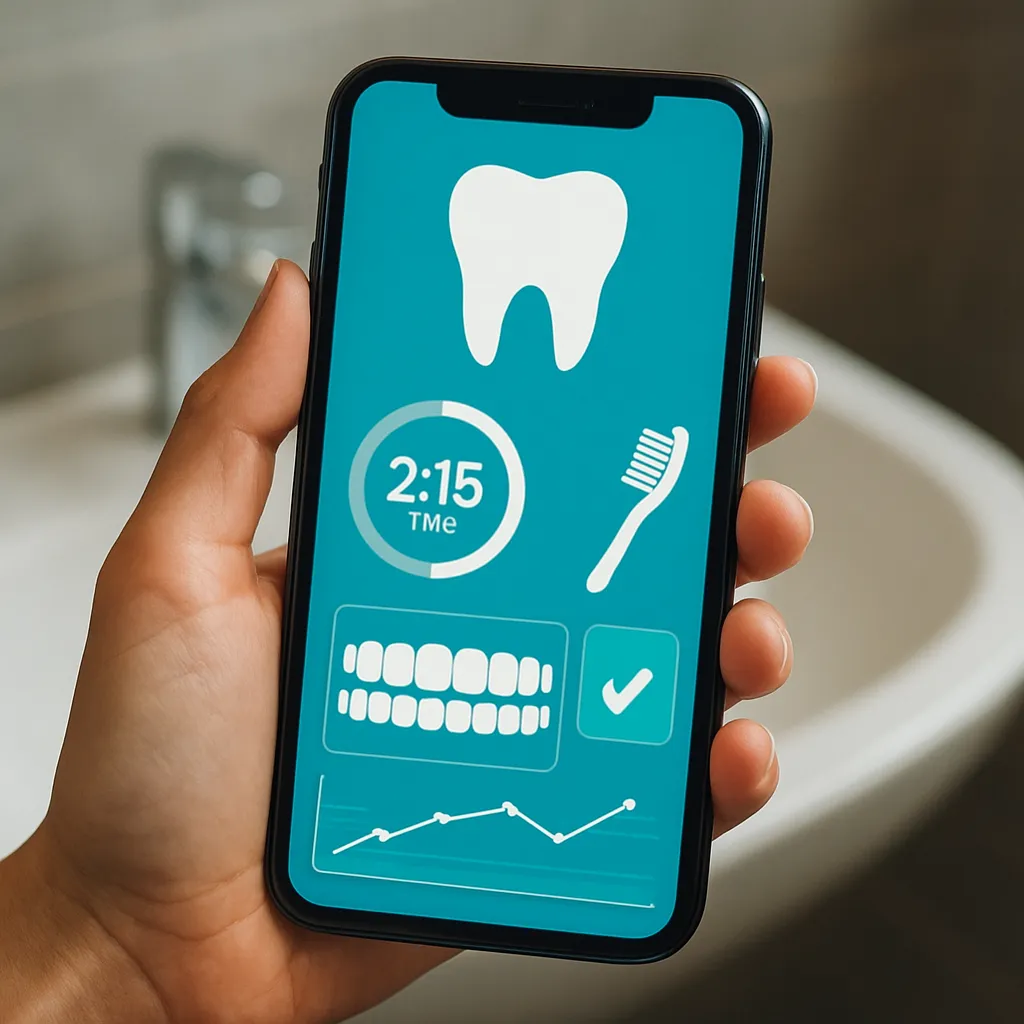
Modern dental hygiene education leverages technology and multimedia learning to enhance knowledge retention and patient engagement. Virtual demonstrations, interactive apps, and online workshops support a flexible, patient-centered approach. Incorporating these tools into daily practice allows dental teams to stay at the forefront of innovation.
Innovative Learning Platforms
- Video tutorials depicting correct brushing angles and tongue cleaning methods.
- Mobile applications that send reminders for dental appointments and home care routines.
- Telehealth consultations that maintain continuity of care during periods of limited access to clinics.
Community outreach programs play a crucial role in extending dental hygiene services to underserved populations. Collaborative partnerships between schools, local health departments, and nonprofit organizations ensure wider access to preventive care. Key strategies include:
- Free dental screening camps offering basic treatments and referrals.
- Workshops in community centers that bring empowerment through hands-on practice and educational materials.
- School-based sealant initiatives that reduce the incidence of caries among children.
By fostering a sense of shared responsibility, dental professionals can nurture healthier communities and reduce the burden of oral diseases at a societal level.
Challenges and Future Directions in Oral Health Education
Despite advances in techniques and outreach, significant obstacles persist. Socioeconomic disparities, cultural barriers, and limited resources can hamper the delivery of quality dental hygiene education. Addressing these issues requires a multifaceted approach grounded in ongoing research and policy advocacy.
Overcoming Barriers:
- Implementing sliding-scale fee structures and insurance reforms to improve affordability.
- Developing culturally sensitive materials in multiple languages to bridge communication gaps.
- Training dental personnel to recognize and adapt to diverse patient needs.
Looking ahead, dental hygiene education must evolve in tandem with emerging trends and scientific discoveries. Exciting directions include:
- Advanced biomaterials for more effective plaque control and remineralization.
- Personalized oral care regimens based on genetic profiles and individual microbiomes.
- Integration of artificial intelligence in early detection of periodontal disease and caries risk assessment.
Such innovations have the potential to transform patient outcomes and elevate the role of dental hygienists as key contributors to interdisciplinary health teams. By championing continuous learning and embracing future possibilities, the profession can reinforce its commitment to excellence in patient education and care.