Scaling and root planing stand among the most effective non-surgical treatments for patients battling gum disease. This comprehensive procedure targets harmful bacteria below the gum line, promoting healthier tissues and stronger tooth support. By diving into the principles, advantages, and best practices surrounding these techniques, dental professionals and patients can appreciate their transformative impact on oral health.
Understanding Scaling and Root Planing
What Is Scaling?
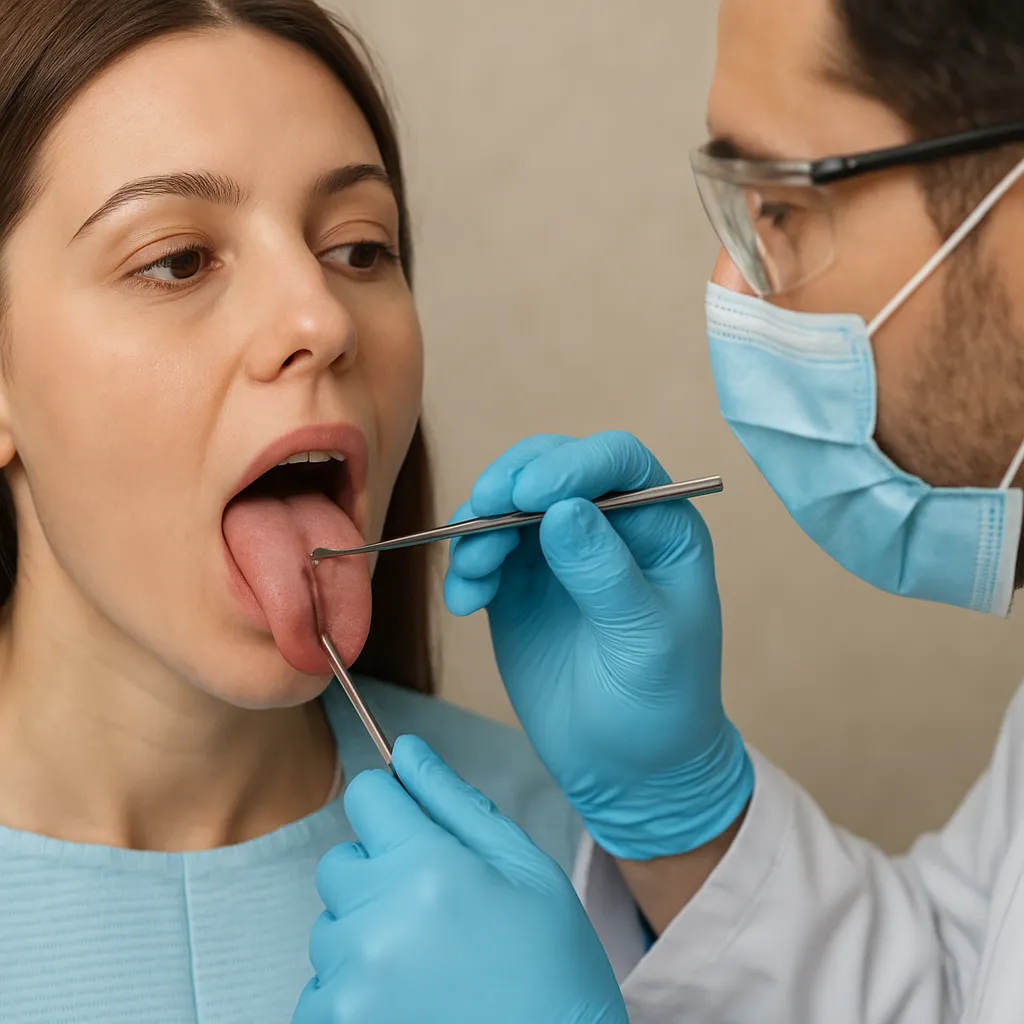
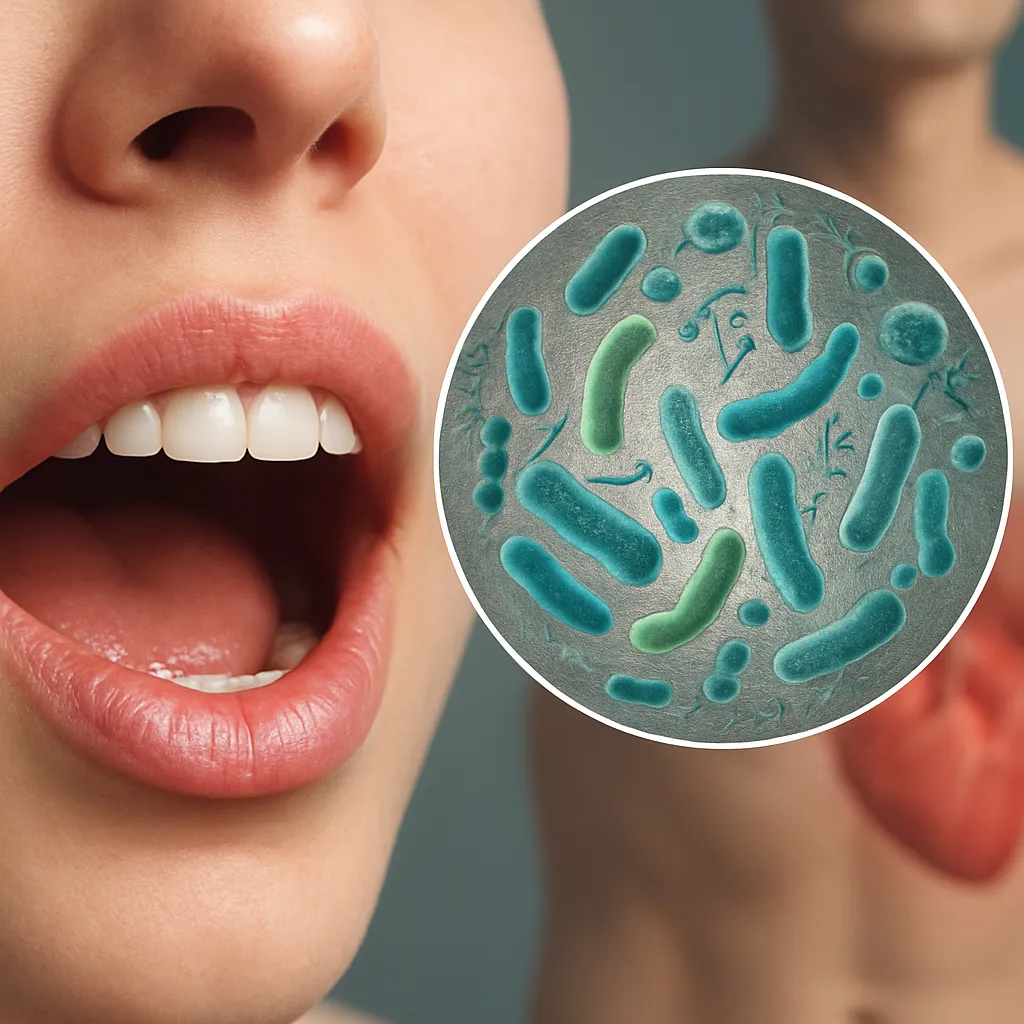
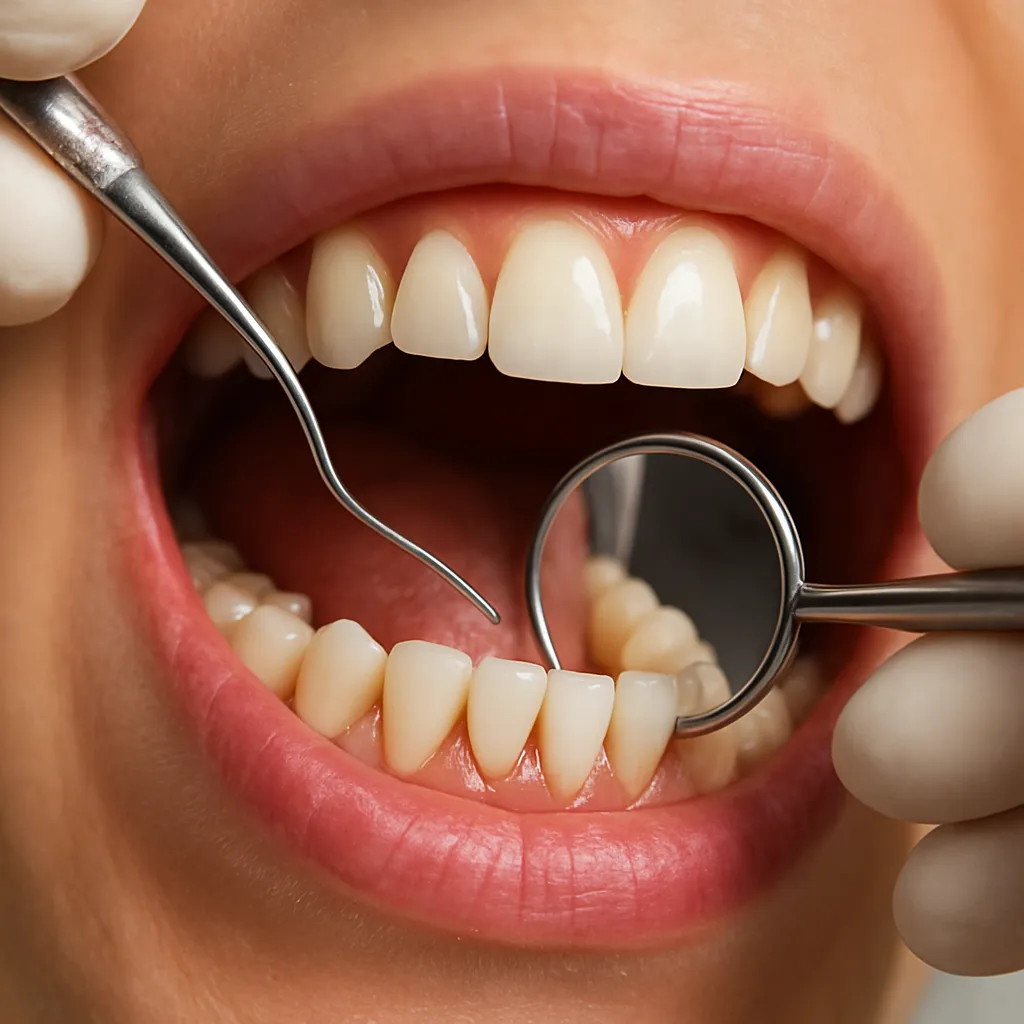
Scaling involves the meticulous removal of plaque and calculus (tartar) deposits that adhere to tooth surfaces above and below the gum line. Using specialized instruments—either manual curettes or ultrasonic scalers—dentists and hygienists dislodge hardened deposits that regular brushing cannot eliminate. The procedure reduces bacterial load and paves the way for healthier gum attachment.
The Process of Root Planing
Following scaling, root planing smooths the root surfaces of the teeth. Smooth roots discourage future bacterial colonization and allow the gum tissue to reattach to the tooth structure. During root planing, clinicians remove residual toxins embedded in the tooth roots, diminishing pocket depths and facilitating tissue healing.
Key Benefits of Scaling and Root Planing
- Reduction of Gingival Inflammation: Effective removal of bacterial irritants leads to decreased inflammation, alleviating redness and swelling of the gums.
- Prevention of Periodontitis: Early intervention through scaling and root planing can halt the progression from mild gingivitis to severe periodontitis.
- Elimination of Periodontal Pockets: By disrupting biofilm, the procedure helps reduce pocket depths, making daily oral hygiene more efficient and effective.
- Decreased Risk of Tooth Loss: Maintaining healthy periodontal tissues significantly lowers the chance of teeth becoming mobile or requiring extraction.
- Improved Systemic Health: Emerging research links periodontal disease to systemic conditions such as cardiovascular disease and diabetes; controlling oral infection can improve overall health outcomes.
- Enhanced Aesthetic Appearance: Cleaner tooth surfaces and healthier gums contribute to a more attractive smile.
Clinical Outcomes and Patient Care
Long-Term Periodontal Health
Multiple clinical studies demonstrate that patients undergoing scaling and root planing experience sustained improvements in periodontal parameters, including reduced pocket depths and gains in clinical attachment levels. Within six months to one year, many individuals show stabilization of their periodontal status, preventing further bone loss and preserving natural teeth.
Pain Management and Comfort
Advances in local anesthesia and patient comfort techniques have made scaling and root planing more tolerable than ever. Topical anesthetics and precise numbing agents ensure that most patients report minimal discomfort. Post-procedure soreness can be managed with over-the-counter analgesics, warm salt-water rinses, and cold compresses.
Adjunctive Therapies and Innovations
Antimicrobial Agents
In conjunction with debridement, dentists may apply antimicrobial gels or irrigations into periodontal pockets. These agents help suppress residual bacteria, reduce infection risk, and support tissue recovery. Common antimicrobials include chlorhexidine chips and doxycycline gels.
Host Modulation Therapy
By modulating the body’s inflammatory response, host modulation therapies aim to minimize tissue destruction and promote repair. Non-steroidal anti-inflammatory drugs (NSAIDs) and sub-antimicrobial-dose doxycycline regimens help to balance collagen breakdown, reinforcing the benefits of mechanical debridement.
Patient Education and Home Care
Successful periodontal therapy extends beyond the dental office. Patients must adopt rigorous oral hygiene practices to maintain results. Education on effective brushing techniques, proper use of interdental brushes, and daily flossing is crucial. Additionally, lifestyle factors such as smoking cessation and a balanced diet high in vitamins and antioxidants support periodontal health.
Best Practices for Dental Professionals
- Conduct a thorough periodontal assessment, including charting pocket depths and evaluating gum recession.
- Use high-powered magnification and adequate illumination to ensure complete removal of deposits.
- Incorporate ultrasonic instruments with varying tip designs for precise access to deep pockets.
- Schedule maintenance visits every three to four months for re-evaluation and reinforcement of home care.
- Document clinical findings meticulously to track patient progress over time.
Special Considerations
Managing Medically Complex Patients
Patients with cardiovascular conditions, diabetes, or immune compromises require tailored approaches. Collaboration with medical providers ensures safe anesthesia use and minimized risks of bacteremia. Glycemic control in diabetic patients, for instance, enhances healing outcomes post-procedure.
Pediatric and Adolescent Populations
Although aggressive periodontitis is less common in young patients, early intervention sets a precedent for lifelong oral well-being. Gentle techniques and clear communication help pediatric patients cooperate, reducing anxiety and fostering positive dental experiences.
Emerging Trends and Future Directions
Researchers are exploring novel biomaterials and growth factors to accelerate tissue regeneration following scaling and root planing. Platelet-rich fibrin (PRF) and enamel matrix derivatives show promise in enhancing attachment levels and bone fill. Furthermore, laser-assisted periodontal therapy offers minimally invasive options with potential bactericidal effects.
Scaling and root planing remain indispensable tools in modern dentistry. When combined with patient-centered education, adjunctive therapies, and regular maintenance, these procedures deliver profound benefits. They not only restore periodontal health but also empower patients to take control of their oral and overall well-being.