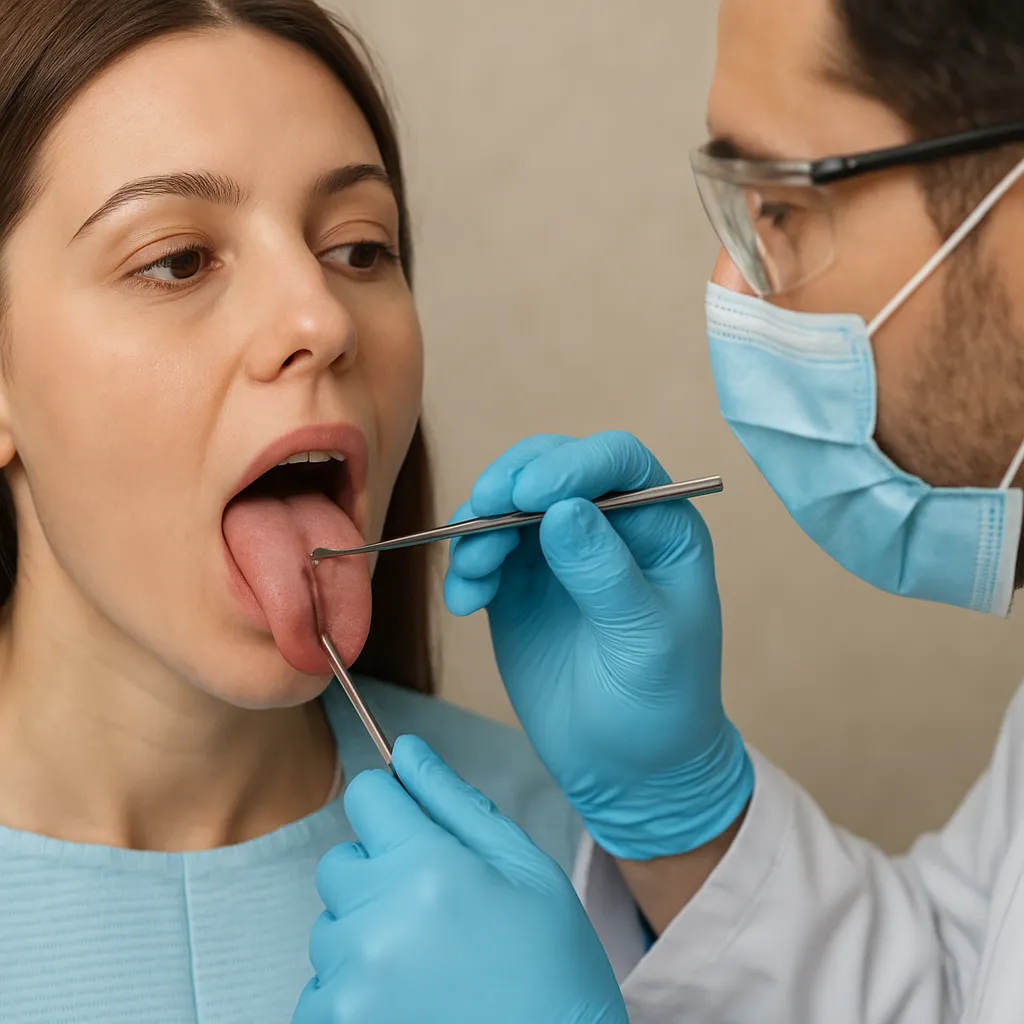
Your dentist pays close attention to your tongue during every check-up, and for good reason. This often-overlooked organ can reveal signs of inflammation, bacteria overgrowth, nutritional deficiencies, and even certain systemic diseases. By examining your tongue’s color, texture, and movement, your dental professional gains valuable insight into your oral and overall health. In the following sections, you’ll discover why this simple inspection is so critical, what warning signals to watch for, and how to maintain a clean, healthy tongue.
Examining the Anatomy and Function of the Tongue
The tongue is a muscular organ essential for chewing, swallowing, and speaking. Covered with thousands of microscopic bumps called papillae, it hosts taste buds that send signals to the brain. Underneath its surface lie a network of blood vessels and nerves. A comprehensive tongue exam helps your dentist assess:
- Color: A normal tongue appears pink with a thin white coating. Deviations may indicate underlying issues.
- Texture: Smooth, bumpy, or patchy areas can signal infections or deficiencies.
- Movement and Strength: Proper mobility confirms healthy muscle and nerve function.
Structural Components
Understanding the tongue’s layers clarifies why abnormalities arise. The mucosal surface protects deeper tissues, while papillae contain taste sensors. Beneath lies a layer of connective tissue rich in blood vessels. Any change—swelling, ulceration, or discoloration—prompts a closer look.
Role in Oral Defense
The tongue helps clear food debris and bacteria from the mouth. Its constant movement prevents microbial buildup on teeth and gums. However, when hygiene is inadequate, bacteria can colonize the tongue’s surface, contributing to bad breath and gum disease.
Your Tongue as a Window to Oral Diseases
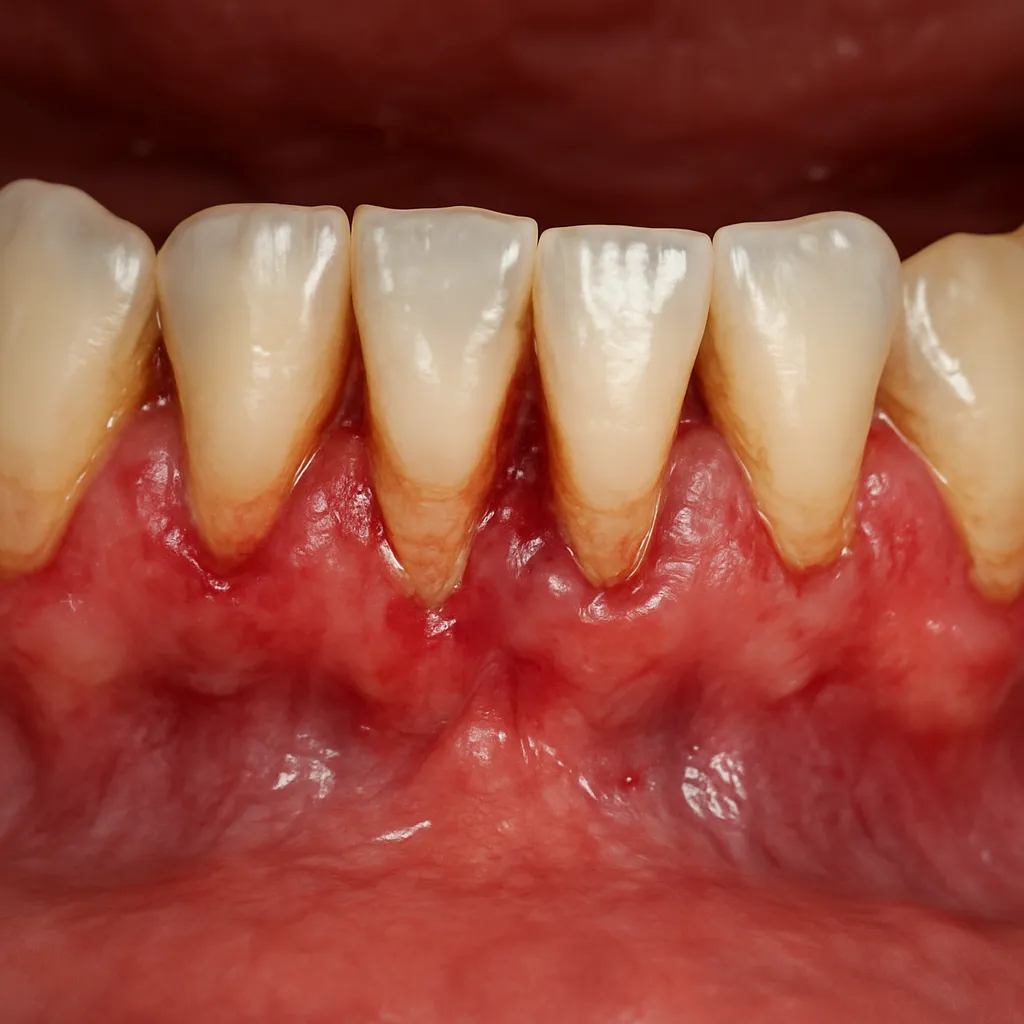
Beyond routine hygiene, the tongue can manifest early signs of oral health issues. Dentists pay attention to specific patterns that might otherwise go unnoticed.
Oral Thrush
This fungal infection, often seen as a thick white coating, can extend from the tongue to the inner cheeks and throat. Risk factors include antibiotic use, weakened immune response, and diabetes.
Leukoplakia and Erythroplakia
White or red patches that cannot be scraped off may indicate these precancerous conditions. Tobacco use, alcohol consumption, and mechanical irritation are common triggers. Early detection through visual screening allows for timely diagnosis and biopsy if necessary.
Geographic Tongue
Characterized by irregular, map-like red patches with white borders, this benign condition may cause sensitivity. Although harmless, it’s important for your dentist to confirm the diagnosis and rule out more serious disorders.
- Signs to report: sudden white patches, persistent redness, unexplained soreness.
- Follow-up: regular monitoring every dental visit, possible biopsy if changes persist.
Detecting Systemic Conditions through Tongue Observation
Some systemic diseases manifest in the mouth before other symptoms appear. Your dentist’s keen eye can catch these early indicators and recommend medical evaluation.
Nutritional Deficiencies
A smooth, glossy tongue may signal a lack of vitamin B12, iron, or folic acid. Your dentist will note changes and suggest dietary adjustments or blood tests to confirm the deficiency.
Diabetes Indicators
Diabetic patients often have dry mouth and increased risk of candidiasis. A red, inflamed tongue or frequent fungal patches prompts a glucose screening referral.
Cardiovascular and Gastrointestinal Links
Persistent dryness or swollen taste buds could correlate with certain heart conditions or digestive disorders. Dentists collaborate with physicians to ensure a comprehensive approach to health.
- Dry mouth management: saliva substitutes, lower caffeine intake.
- Swelling control: anti-inflammatory mouth rinses, dietary tweaks.
Essential Tips for Proper Tongue Hygiene
Maintaining a clean tongue reduces bacteria levels, improves breath, and enhances overall oral hygiene. Follow these simple steps:
- Use a tongue scraper daily to remove debris and coating.
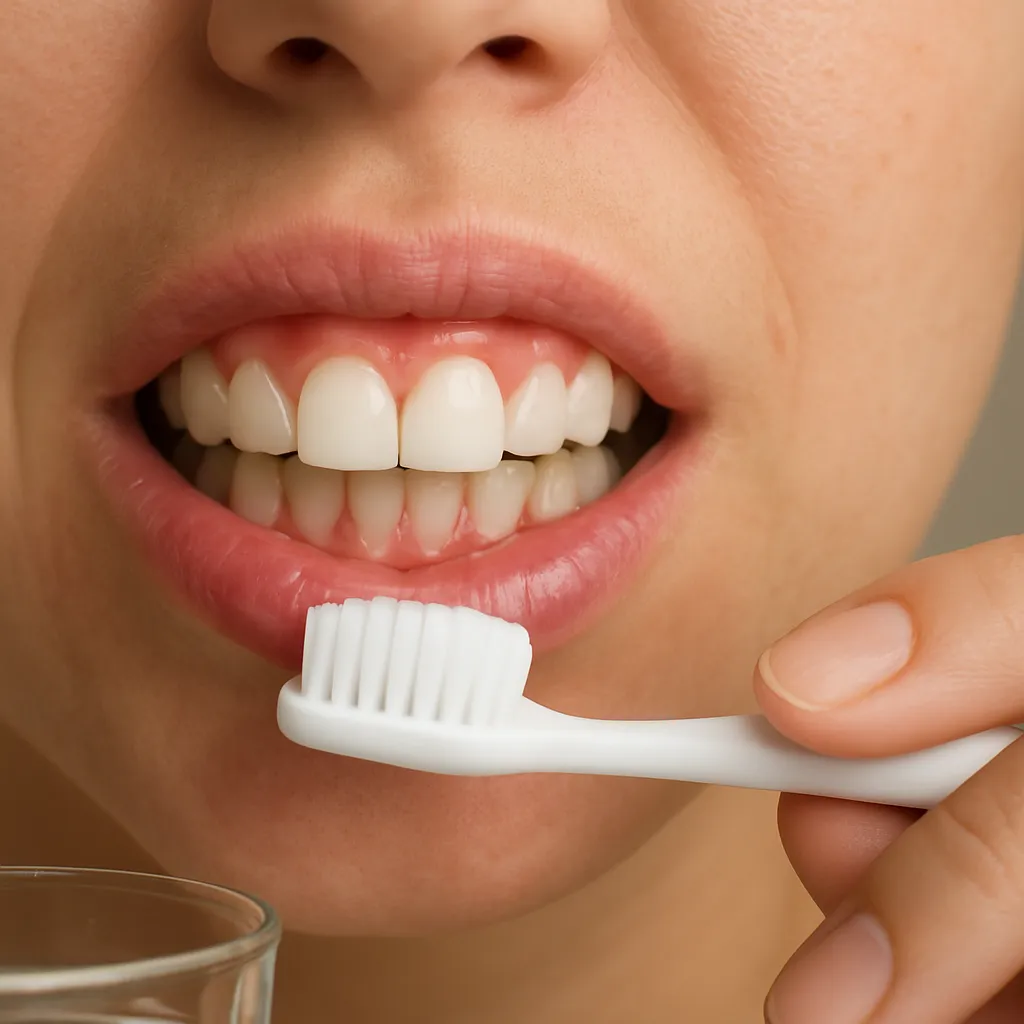
- Brush your tongue gently with a soft-bristled toothbrush.
- Rinse with an antiseptic or fluoride mouthwash to reach hidden areas.
- Stay hydrated to maintain saliva flow and prevent dry mouth.
- Avoid tobacco and limit alcohol, which can irritate tongue tissues.
- Include fresh fruits and vegetables in your diet for natural cleansing action.
Regular application of these practices, combined with routine dental check-ups, ensures your tongue remains a reliable barometer of health. By understanding the significance of this vital organ and staying proactive, you’ll enhance both your oral comfort and your overall wellbeing.