Ensuring the healthy development of your infant’s teeth is a vital aspect of overall well-being. Baby bottle tooth decay can lead to pain, infection, and premature tooth loss, affecting speech development and self-esteem. By understanding the causes and implementing effective strategies, parents can protect their child’s smile from the earliest months of life.
Understanding the Roots of Baby Bottle Tooth Decay
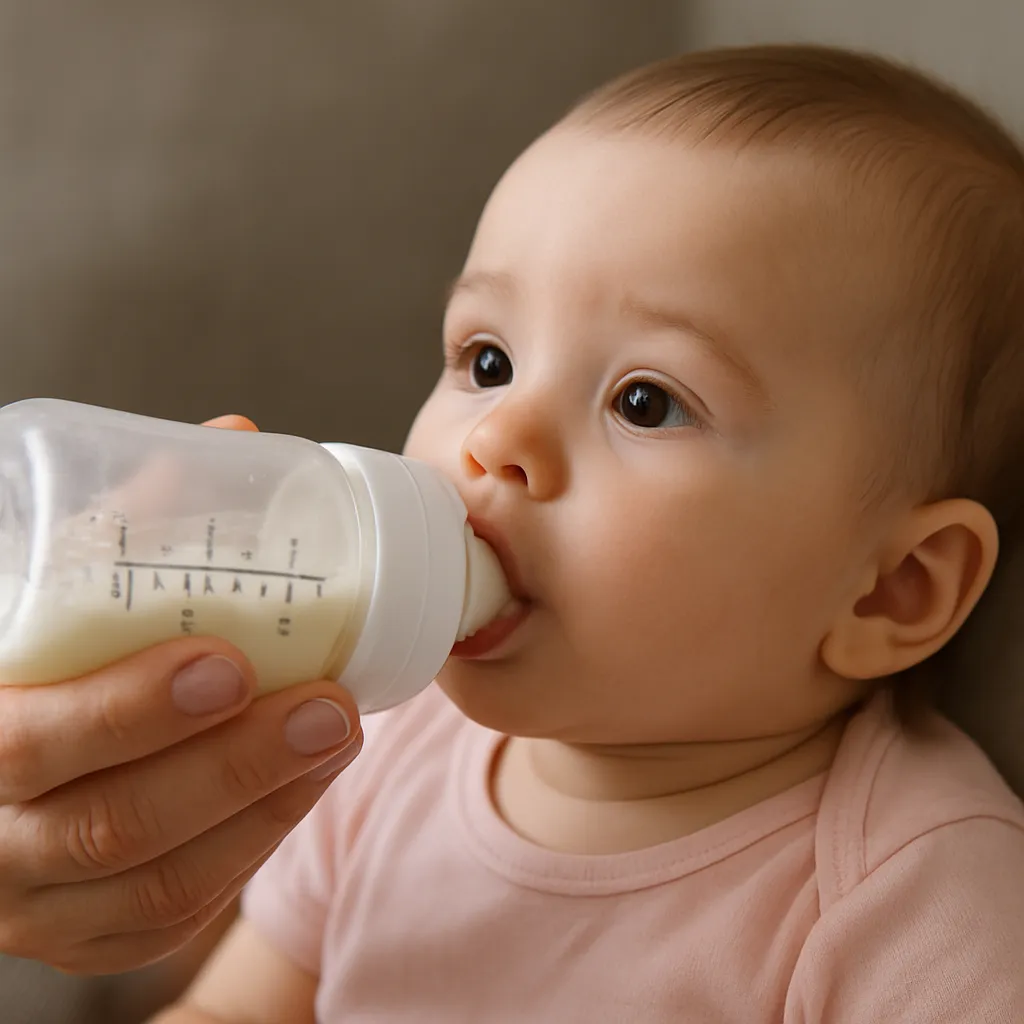
Early childhood caries, often called bottle decay or nursing caries, is a pattern of rapid decay in an infant’s primary teeth. This condition typically affects the maxillary incisors but can spread, damaging the enamel and dentin layers. Despite popular belief, decay doesn’t onset only with solid foods—prolonged exposure to sugary liquids played through a bottle can foster harmful bacteria growth.
Key Contributing Factors
- Frequent or prolonged feeding with milk, formula, or juice at bedtime
- Allowing a bottle to rest in the infant’s mouth for extended periods
- Introducing sweetened pacifiers or dipping nipples in sweet substances
- Inadequate oral hygiene routines for gums and emerging teeth
- Lack of early consultation with a pediatric dental professional
Signs and Early Warning Signals
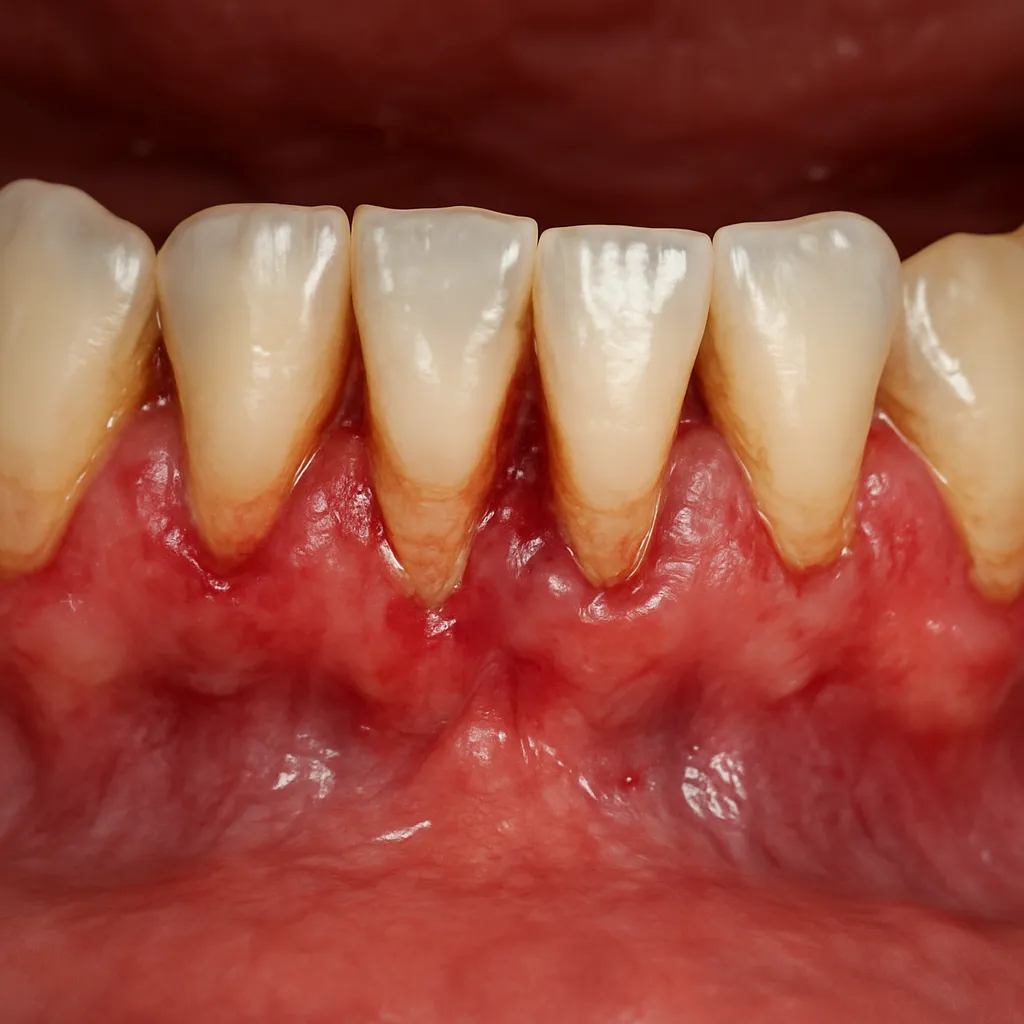
Vigilance can lead to prompt intervention. Watch for chalky white spots on the front teeth, darkening enamel, or sensitivity when your child bites. In advanced cases, cavities, swelling, or pus may develop around affected teeth. Early detection allows for more conservative treatment options.
Implementing Essential Oral Hygiene Practices
Building a foundation of oral hygiene from day one reduces the risk of decay. Although infants lack a full set of teeth, their gums harbor bacteria that can colonize once teeth break through.
Cleaning Gums and Emerging Teeth
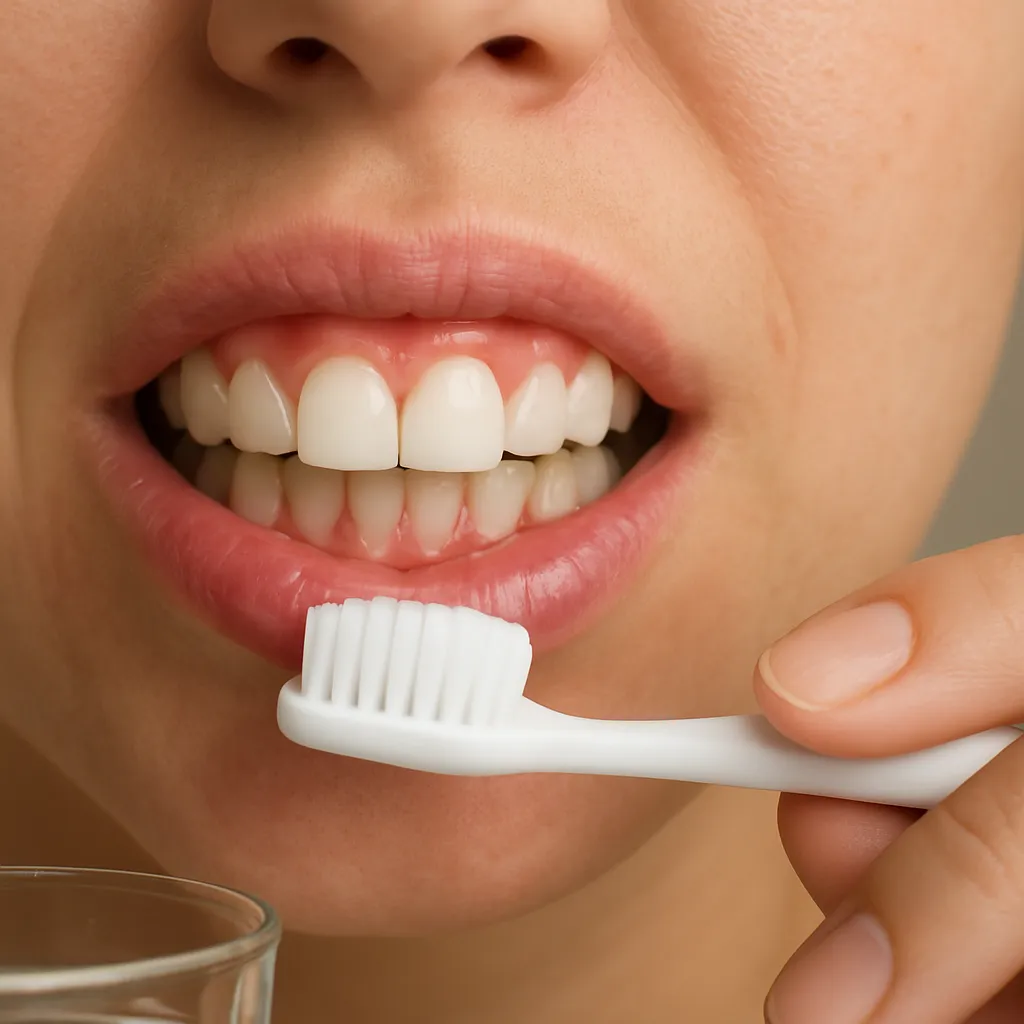
- Before the first tooth appears, wipe gums with a soft, damp cloth after feeding.
- Once teeth emerge, switch to a soft infant toothbrush with a smear of fluoride toothpaste (about the size of a grain of rice).
- Brush gently twice daily—morning and night—ensuring all surfaces of the tooth are cleaned.
- Rinse the brush thoroughly and replace every three months or sooner if bristles fray.
Introducing Fluoride Safely
Fluoride strengthens enamel and helps prevent bacterial acid attacks. While guidelines vary, a rice-sized smear of fluoride toothpaste is generally recommended once your child’s first tooth erupts. Always spit out excess paste—never swallow—and supervise brushing until at least age six.
Optimizing Feeding Habits to Prevent Decay
The way and timing you feed your infant greatly influences their dental health. Implement these strategies to reduce decay risk:
- Avoid putting your baby to bed with a bottle filled with milk, formula, juice, or sweetened liquid. If needed, use plain water for nighttime soothing.
- Encourage cup drinking around 6–9 months of age to limit bottle reliance.
- Offer sweetened foods and drinks sparingly—reserve juices for meal times and dilute them to reduce sugar concentration.
- Clean the bottle nipple thoroughly after each use—never let residual milk sit and ferment.
- Discourage the habit of “grazing” throughout the day. Schedule distinct meal and snack times instead of constant snacking.
Weaning from the Bottle
Experts recommend weaning from the bottle by 12 to 14 months of age. Gradually introduce a training cup and reduce the number of bottle feeds. Praise and positive reinforcement will help your child accept the change.
Dietary Choices That Support Dental Health
A balanced diet rich in nutrients fosters strong teeth and bones.
- Include calcium-rich foods like plain yogurt, cheese, and fortified cereals to support enamel formation.
- Offer crunchy fruits and vegetables—if age-appropriate—to stimulate saliva production and gently cleanse tooth surfaces.
- Limit starchy snacks that adhere to teeth, such as crackers or chips. If served, ensure thorough cleaning afterward.
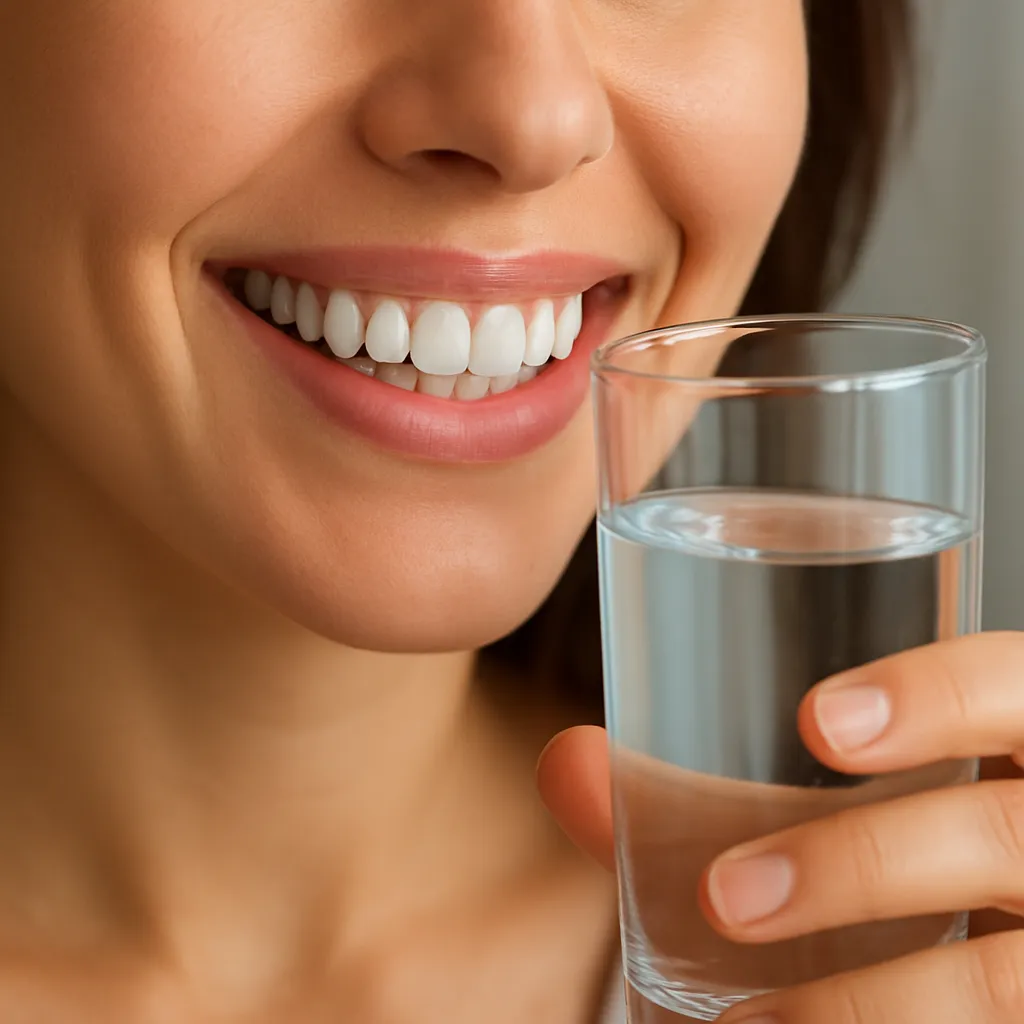
- Encourage water drinking throughout the day to wash away food particles and neutralize acids.
The Role of the Pediatric Dental Professional
Early visits to a pediatric dental office set the stage for lifelong oral health.
First Dental Appointment
The American Academy of Pediatric Dentistry recommends the first dental visit by age one or within six months of the first tooth’s eruption. This appointment allows the dentist to:
- Assess oral tissues and tooth development
- Demonstrate proper brushing techniques for caregivers
- Discuss dietary and feeding strategies
- Apply fluoride varnish if indicated
Ongoing Preventive Care
Regular check-ups every six months help maintain vigilance against early lesions. Professional fluoride applications, dental sealants (when appropriate), and personalized counseling on hygiene and nutrition all contribute to decay prevention.
Addressing Common Questions and Concerns
Many parents wonder about the safety and timing of dental interventions. Here are answers to frequently asked questions:
- Is fluoride varnish safe for infants? Yes. Applied topically by a professional, fluoride varnish is painless and bioavailable, strengthening enamel without systemic exposure.
- Can thumb sucking cause decay? Thumb or pacifier habits themselves do not directly cause decay unless the pacifier is dipped in sweet substances. However, prolonged habits can affect tooth alignment.
- Are sugar substitutes an option? Non-nutritive sweeteners like xylitol may reduce bacterial adhesion, but they are not a substitute for good brushing and limiting sugary liquids.
- How do I handle resistance to brushing? Make brushing fun with songs, colorful toothbrushes, and positive praise. Start early to build a routine and involve siblings or caregivers for support.