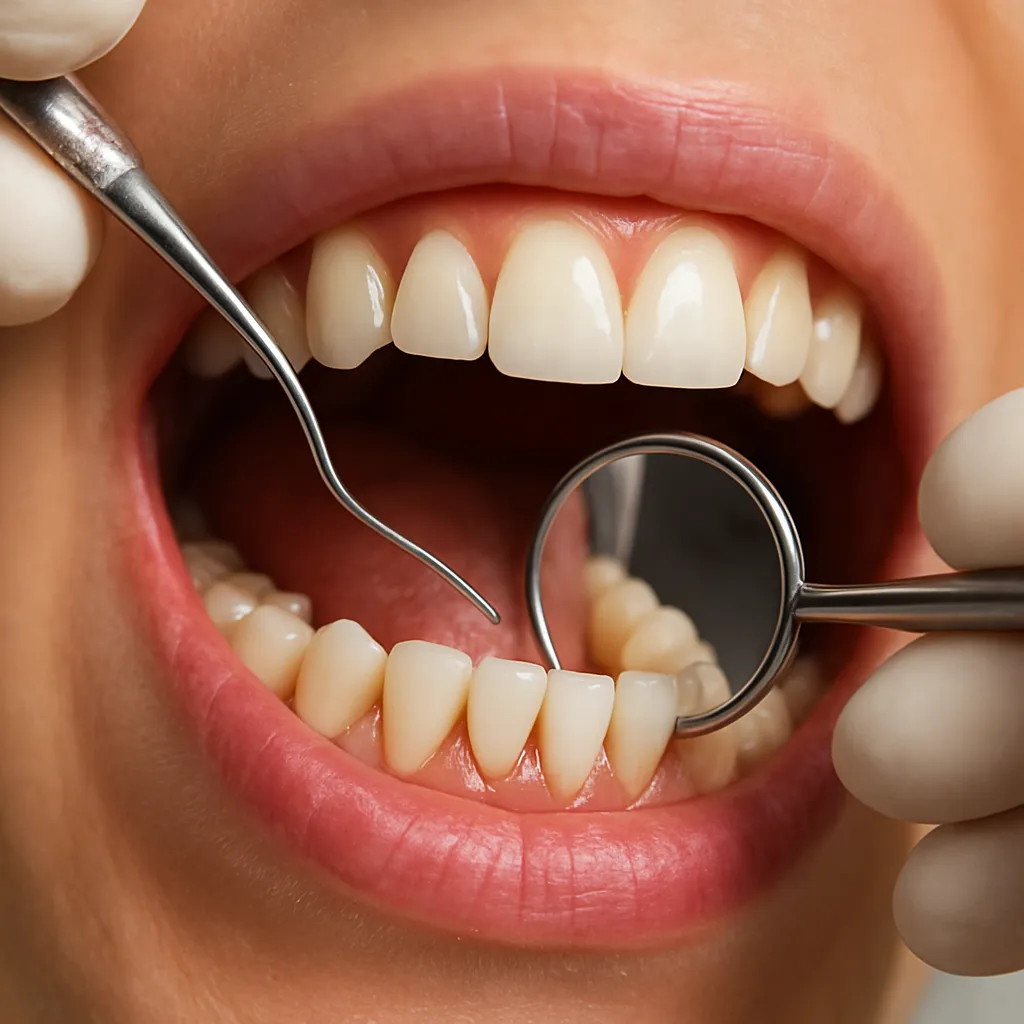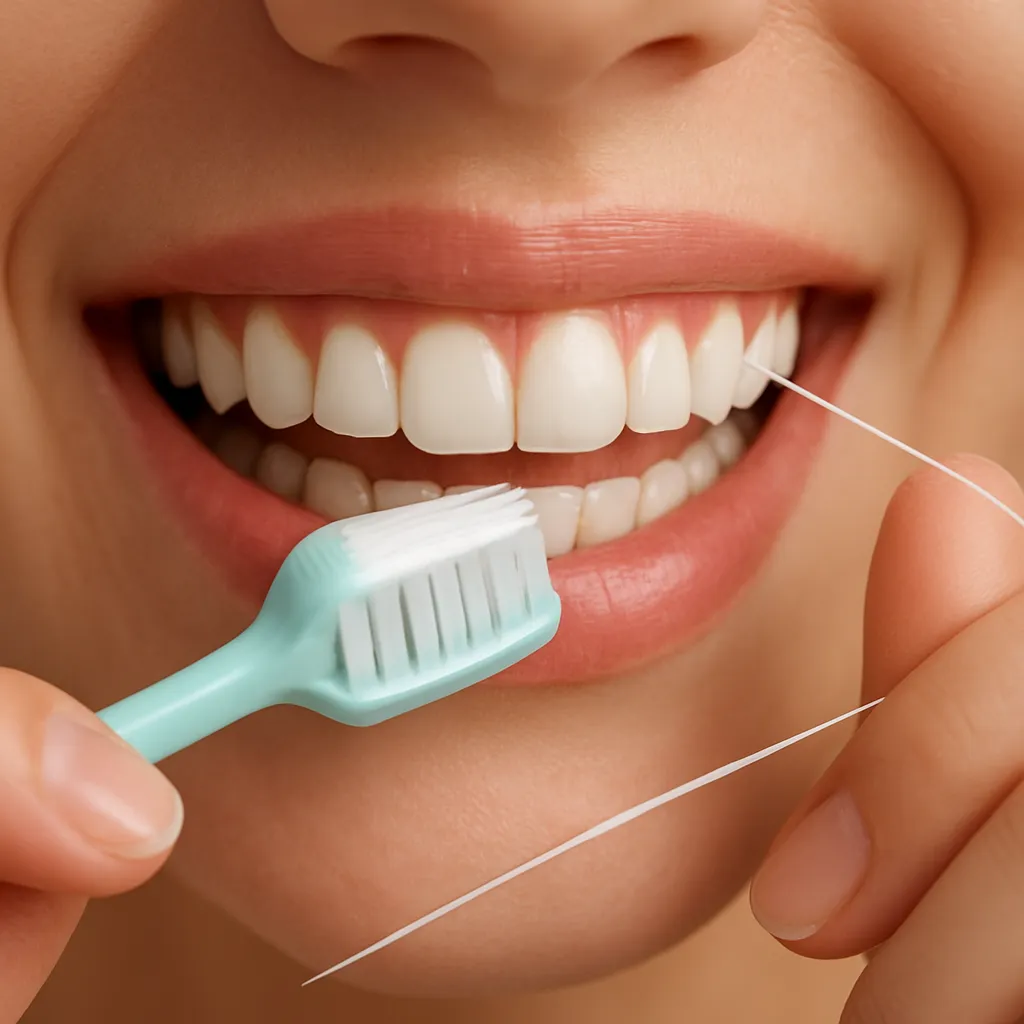
Maintaining healthy gums at home is a vital part of overall oral care. Neglecting gum health can lead to discomfort, bleeding, and long-term issues such as gum disease or tooth loss. By adopting simple daily practices, monitoring changes, and choosing the right tools, anyone can support strong, pain-free gums and a bright smile.
Understanding the Foundations of Gum Health
Healthy gums form the protective barrier around your teeth and play a key role in preventing infections. Each gum line consists of soft tissue that attaches to the tooth surface, sealing out harmful microorganisms. When that barrier weakens, bacteria accumulate, leading to plaque buildup, which irritates tissue and triggers inflammation. Without proper attention, this process can escalate into gingivitis, then periodontitis, affecting bone support and overall well-being.
Anatomy of the Gum Tissue
The gum tissue (gingiva) consists of:
- Keratinized tissue that resists mechanical stress
- Attached gingiva closely bound to bone, providing stability
- Free gingiva forming the margin around each tooth
- Interdental papillae filling spaces between teeth
When these structures remain intact, they block pathogens and support healthy teeth alignment.
Daily Oral Hygiene Practices
Consistency is the cornerstone of gum care. A thorough home regimen disrupts harmful biofilm and minimizes the risk of gum disease. Focus on techniques, tools, and proper timing to optimize results.
Effective Brushing Techniques
Proper brushing removes plaque without damaging delicate gum tissue. Follow these steps:
- Choose a soft-bristle brush or an electric toothbrush with a gentle setting.
- Hold the brush at a 45-degree angle toward the gum line.
- Use small circular or elliptical motions, covering all tooth surfaces.
- Spend at least two minutes, dedicating equal time to each quadrant.
- Rinse the brush thoroughly and replace it every three months.
Mastering Interdental Cleaning
Between the teeth is where most food particles hide, fueling bacteria growth and plaque development. Incorporate one of these methods:
- Flossing with waxed or unwaxed dental floss, gently sliding it up and down each side.
- Water flossers or oral irrigators to flush out debris with pulsating water.
- Interdental brushes sized to fit the spaces between your teeth.
Daily removal of trapped particles reduces gum irritation and keeps tissues healthy.
Choosing Effective Mouthrinses
Antimicrobial rinses complement mechanical cleaning, helping to control inflammation and freshen breath. Look for mouthwashes containing:
- Essential oils (e.g., thymol, eucalyptol)
- Chlorhexidine (short-term prescription use)
- Fluoride to strengthen enamel
Use according to product guidelines—typically twice daily after brushing and flossing.
Nutrition and Lifestyle for Resilient Gums
What you eat and how you live can either support or undermine your gum health. Adopting a balanced diet, staying active, and managing habits are essential pillars of oral wellness.
Key Nutrients for Gum Strength
- Vitamin C promotes collagen formation, aiding tissue repair.
- Calcium and vitamin D support bone density around teeth.
- Antioxidants (found in berries, leafy greens) neutralize free radicals that can damage gum cells.
- Omega-3 fatty acids (in fatty fish, flaxseed) have anti-inflammatory properties.
Incorporate colorful fruits and vegetables, lean proteins, nuts, and dairy or fortified alternatives to create a nutrient-rich plan.
Hydration and Oral Environment
Drinking water not only keeps you hydrated but also helps maintain saliva flow. Saliva is a natural defense against bacteria, flushing away debris and buffering acids. Aim for at least eight glasses of water daily, reducing sugary beverage intake to prevent enamel erosion and gum irritation.
Avoiding Harmful Habits
- Tobacco increases risk of gum recession, disease, and oral cancer.
- Excessive alcohol consumption can dry tissues and promote inflammation.
- Frequent snacking on high-sugar foods feeds harmful oral microorganisms.
- Teeth grinding (bruxism) can traumatize gums—consider nightguards if recommended by a dentist.
Monitoring Changes and Seeking Professional Care
Home care is crucial, but regular dental visits ensure early detection and management of emerging issues. Keep an eye on your gums and schedule appointments as needed.
Recognizing Warning Signs
- Persistent redness or swelling around the gum line.
- Bleeding during or after flossing and brushing.
- Receding gums exposing more of the tooth.
- Chronic bad breath (halitosis) or a bad taste in the mouth.
- Loose or shifting teeth, indicating bone loss.
If you notice any of these symptoms for more than a week, reach out to your dental professional promptly.
Professional Cleanings and Treatments
Routine visits—typically every six months—allow dental hygienists to perform:
- Scaling and root planing to remove hardened plaque (tartar) below the gum line.
- Polishing to eliminate surface stains and smooth tooth enamel.
- Oral exams that detect early signs of gum disease, cavities, or other concerns.
In advanced cases, your dentist may recommend deep cleaning sessions, antibiotic therapies, or referral to a periodontist for specialized care.
Establishing a Sustainable Gum Care Routine
Consistency turns good habits into lifelong protection. Building a personalized schedule ensures you never miss key steps:
- Morning: Brush for two minutes, floss, and rinse with mouthwash.
- Midday: Drink water, chew sugar-free gum if brushing isn’t possible.
- Evening: Repeat brushing and flossing, focusing on hard-to-reach areas.
- Weekly: Inspect for any unusual changes—redness, bleeding, or tenderness.
- Monthly: Replace your toothbrush or brush head, and restock floss or interdental tools.
By making gum care part of your daily routine, you invest in long-term oral health and overall confidence.