Maintaining optimal oral health requires more than daily brushing and flossing. Your dentist may suggest additional strategies, including the professional application of fluoride varnish, to reduce the risk of tooth decay. This sticky, nutrient-rich formula adheres to tooth surfaces, delivering a potent dose of fluoride ions to help combat bacteria and reinforce weakened enamel. Understanding why and when your dentist recommends this procedure can empower you to make informed decisions about your smile.
Understanding Fluoride Varnish: Composition and Mechanism
Fluoride varnish is a highly concentrated topical agent, typically containing between 2.26% and 5% sodium fluoride. When painted onto teeth, it forms a thin, transparent coating that gradually releases fluoride over several hours. This sustained release allows for deeper penetration into enamel microstructures, encouraging remineralization and helping to reverse early decay.
The chemical action begins as the varnish dissolves in saliva, creating a supersaturated fluoride environment around teeth. Fluoride ions replace hydroxide ions in hydroxyapatite, forming fluorapatite—a more acid-resistant variant of tooth mineral. This process not only strengthens existing enamel but also inhibits bacterial metabolism by disrupting acid production in cariogenic microbes. As a result, the varnish serves a dual role in both protective shield development and bacterial prevention.
Unlike fluoride rinses or gels, varnish remains in place longer, making it especially effective for patients who struggle with compliance. Its sticky consistency reduces the risk of dilution or early washout, ensuring a measured dose of fluoride over time. Additionally, varnish often contains flavor enhancers that improve patient experience, whether mint, bubblegum, or fruit flavors, particularly helpful for younger individuals.
Clinical Benefits: Fighting Dental Caries and Strengthening Enamel
Many clinical trials confirm that fluoride varnish can reduce caries incidence by up to 43% in primary teeth and 37% in permanent teeth when applied regularly. Dentists recommend varnish for patients displaying early signs of demineralization, such as white spots, or for those with a history of cavities. The key benefit lies in its ability to:
- Enhance enamel resilience against acidic attacks
- Promote mineral uptake in weakened areas
- Suppress cariogenic bacterial activity
- Offer a fast, convenient preventive treatment
High-risk groups, such as patients with xerostomia (dry mouth), orthodontic appliances, or developmental enamel defects, gain significant protection from varnish applications. Individuals undergoing head and neck radiation therapy also benefit from enhanced fluoride delivery to mitigate therapy-induced caries.
Research indicates that integrating varnish into routine professional cleanings, typically every three to six months, creates a cumulative protective effect. Over time, consistent applications can shift the oral ecosystem toward a less cariogenic balance, reducing the need for restorative treatments.
Application Protocol: What to Expect During Treatment
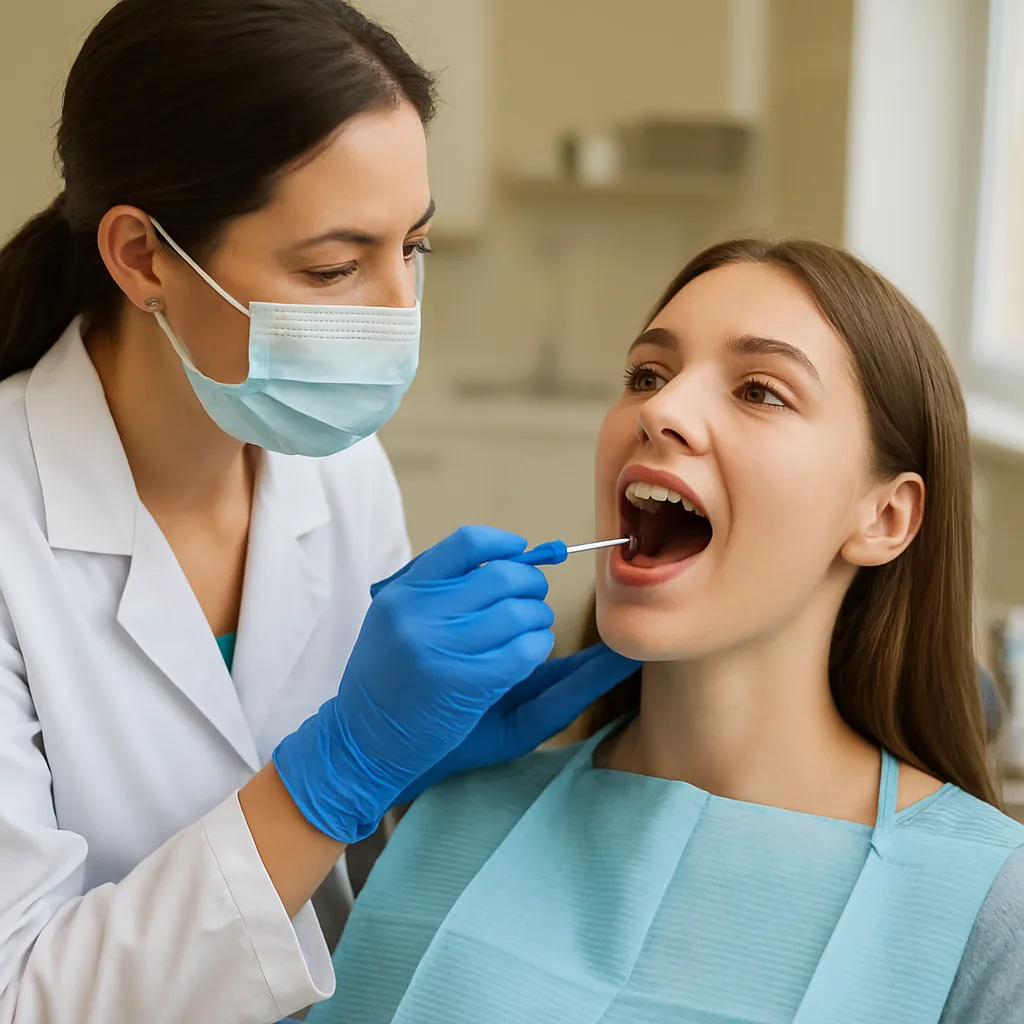
Applying fluoride varnish is a quick, painless procedure, generally completed within minutes. After a standard prophylaxis—scaling and polishing—your dentist or hygienist isolates the teeth with cotton rolls or gauze to ensure a dry field. Using a small brush, the varnish is delicately painted onto all tooth surfaces.
Once applied, patients receive instructions to avoid eating crunchy or hot foods and to refrain from brushing or flossing for at least four to six hours. During this period, saliva gently dissolves the varnish, slowly releasing fluoride. The varnish hardens on contact with saliva, forming a protective film that feels smooth and barely noticeable.
Post-treatment sensitivity is rare. Some patients may notice a temporary sticky sensation or slight change in tooth color, which usually resolves within hours. The dentist will advise on any dietary adjustments and schedule follow-up visits to assess varnish retention and overall oral health.
Safety Profile and Recommended Populations
Fluoride varnish boasts an excellent safety record when used as directed. Systemic ingestion is minimal due to its localized application and rapid hardening. To further reduce ingestion risk, children are instructed to spit out any excess saliva and not to swallow the material.
The American Dental Association endorses varnish applications for children as young as six months, particularly when primary teeth begin to emerge. Adults with dry mouth, frequent snacking habits, or a history of extensive dental work also receive benefits. Pregnant and breastfeeding patients may safely undergo varnish treatments, as systemic absorption remains negligible.
Allergic reactions are extremely uncommon. If a patient reports a history of sensitivity to ingredients—such as colophony (rosin)—alternative fluoride therapies can be explored. Dentists weigh the risk-benefit profile for each individual, ensuring that varnish remains a safe and effective option.
Fluoride Varnish in Preventive Dentistry Strategies
In modern dental practice, fluoride varnish is a cornerstone of a comprehensive caries management plan. It complements other measures, such as sealants, xylitol chewing gums, and community water fluoridation. When integrated into personalized care routines, varnish applications help maintain a stable, healthy oral environment.
Behavioral counseling on diet, oral hygiene techniques, and risk factor modification further amplifies varnish benefits. Dentists work collaboratively with patients to establish achievable goals: reducing sugar intake, adopting interdental cleaning, and scheduling regular preventive visits. Over time, this multifaceted approach fosters stronger enamel, fewer restorative procedures, and reduced dental anxiety.
Whether you’re a parent seeking added protection for your child’s emerging teeth or an adult looking to preserve lifelong oral health, fluoride varnish remains a proven ally. By understanding its mechanisms, benefits, and safety profile, you can appreciate why your dentist frequently recommends this simple yet powerful treatment.