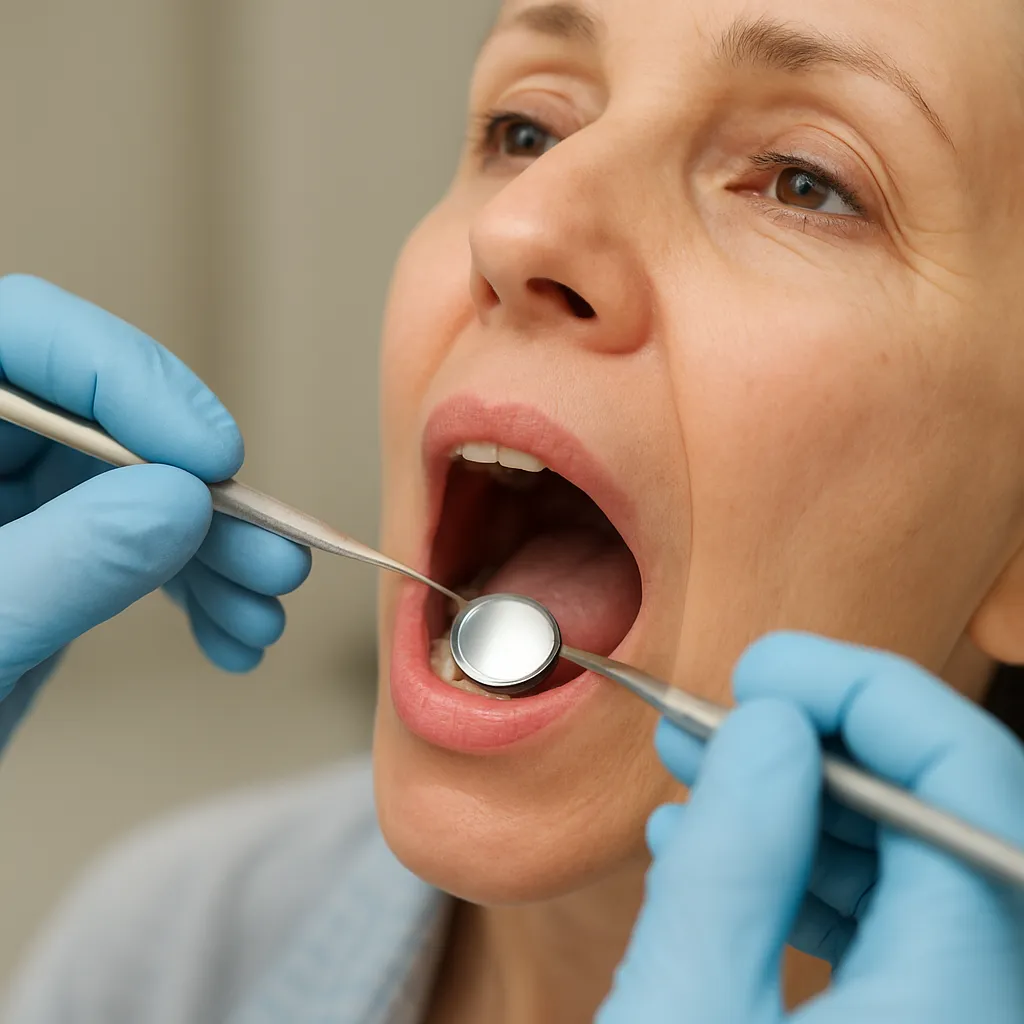
A seemingly minor cavity can evolve into a serious health issue if left unaddressed. Dental professionals warn that neglecting early signs of tooth decay may trigger a cascade of complications affecting not only oral health but overall well-being. Understanding the progression, potential dangers, and effective strategies for management is essential for anyone seeking to maintain a healthy smile and protect against broader medical risks.
Early Signs and Progression of Tooth Decay
The journey from a small pit in the enamel to a full-blown abscess begins with colonization by acid-producing bacteria. Plaque accumulates along the gum line and between teeth, where acids erode the mineral structure. This process, known as demineralization, gradually compromises enamel integrity.
Initial Lesion Formation
- White or brown spots on the enamel surface
- Slight sensitivity to sweet or cold foods
- Microscopic cracks that allow deeper penetration of acids
At this stage, professional fluoride treatments and dietary adjustments can often reverse early tooth decay. However, if the lesion is left untreated, the cavity enlarges, reaching the dentin layer where nerve endings amplify discomfort.
Advanced Cavity Development
- Persistent pain when biting or chewing
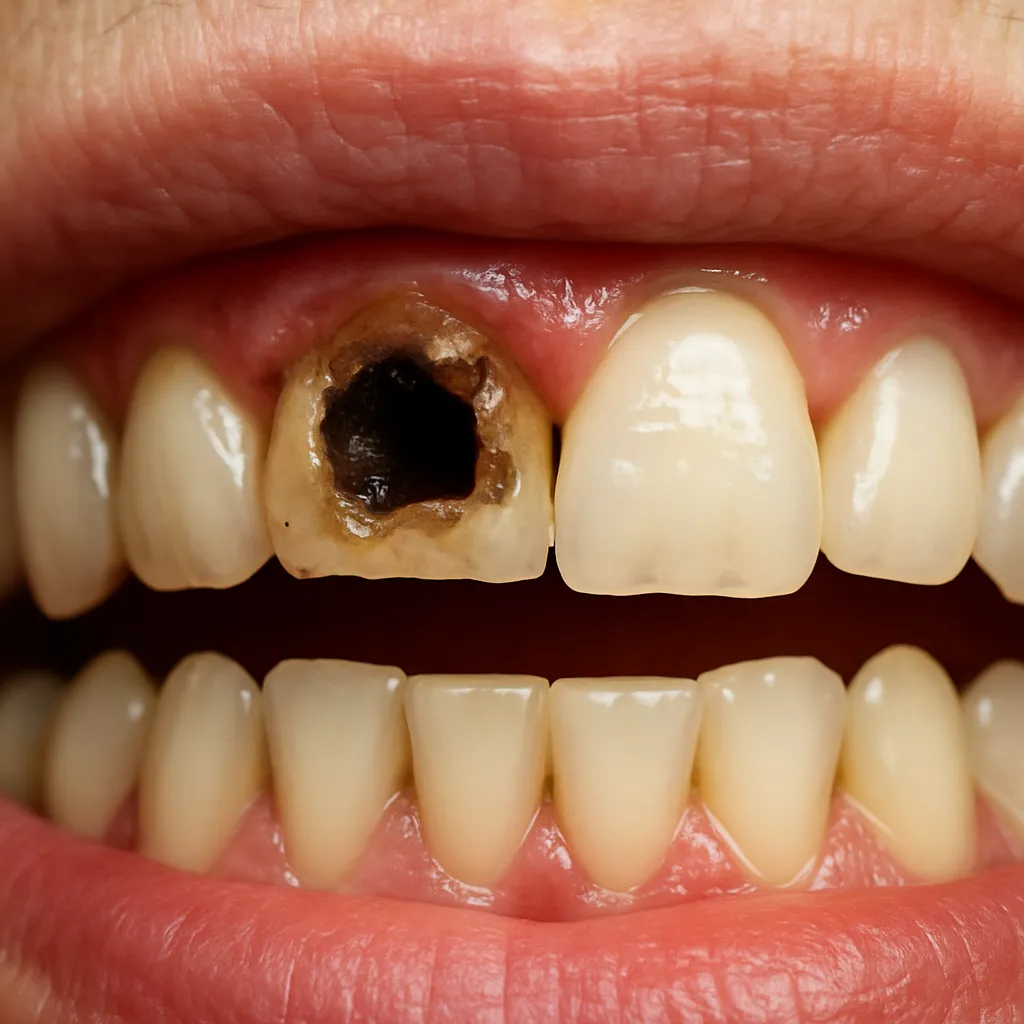
- Visible holes or pits in the tooth surface
- Dark staining around edges of a filling
Once decay breaches the enamel, bacterial acids accelerate the breakdown of dentin. The pulp chamber becomes exposed, leading to intense inflammation and potential nerve damage. At this point, conservative approaches may no longer suffice, and restorative interventions become necessary.
Systemic Complications of Neglected Cavities
Oral health is intricately linked to general physiology. Untreated cavities can pave the way for local and distant complications, turning a simple dental problem into a medical emergency.
Local Infections and Abscess Formation
- Pocket of pus (dental abscess) causing severe throbbing
- Swelling of gums and adjacent soft tissues
- Potential spread to jawbone, leading to osteomyelitis
An untreated abscess can erode bone, compromise neighboring teeth, and induce facial swelling. Immediate drainage and root canal therapy or extraction are crucial to halt further damage.
Impact on Gum Health
- Increased risk of gum disease (gingivitis and periodontitis)
- Receding gums exposing root surfaces
- Chronic bad breath and bleeding gums
Bacteria from deep cavities can infiltrate periodontal tissues, fueling chronic inflammation. As pockets deepen around the tooth root, collagen fibers break down and bone loss ensues, often culminating in tooth mobility and loss.
Systemic Health Risks
Unchecked oral infections may enter the bloodstream, posing threats far beyond the mouth. Several studies have documented links between dental decay and conditions such as:
- Cardiovascular complications: Bacteria and inflammatory mediators can contribute to arterial plaque formation and endocarditis.
- Diabetes management difficulties: Chronic periodontal inflammation impairs glycemic control, creating a vicious cycle.
- Respiratory infections: Aspirated pathogens from the oral cavity can lead to pneumonia, especially in vulnerable populations.
- Pregnancy complications: Maternal oral infections are associated with preterm birth and low birth weight.
The concept of systemic involvement underscores why early intervention is critical. Preventing or treating cavities promptly can reduce the risk of multi-organ impacts.
Comprehensive Prevention and Treatment Strategies
Maintaining oral health requires a multifaceted approach combining professional care, daily habits, and lifestyle choices. A proactive stance minimizes the need for invasive procedures and protects against long-term sequelae.
Regular Professional Care
- Biannual dental checkups for early detection
- Professional cleanings to remove hardened plaque (calculus)
- Sealants on molars to block food particles and bacteria
- Customized fluoride applications to strengthen enamel
Effective Home Care Practices
- Brushing twice daily with fluoride toothpaste
- Daily flossing to reach interproximal areas
- Antiseptic mouth rinses to reduce microbial load
- Chewing sugar-free gum to stimulate saliva flow
Dietary and Lifestyle Modifications
- Limiting sugary and acidic foods and beverages
- Choosing whole fruits over juices
- Drinking water with meals to rinse away debris
- Avoiding tobacco and excessive alcohol use
Proper nutrition and habits bolster the body’s ability to remineralize enamel and combat harmful organisms. Encouraging children to adopt these behaviors early sets the foundation for lifelong prevention.
Advanced Treatment Options for Severe Decay
When cavities advance beyond repair with simple fillings, dentists may recommend one of several restorative or surgical procedures to resolve the problem and preserve oral health.
Root Canal Therapy
- Removal of infected pulp tissue
- Disinfection of the root canal system
- Sealing with gutta-percha to prevent reinfection
- Restoration with a crown for structural support
Root canal therapy eradicates deep infection while retaining the natural tooth. Modern techniques offer high success rates, minimizing post-treatment discomfort.
Tooth Extraction and Replacement
- Extraction indicated for non-restorable teeth
- Options for replacement include implants, bridges, or partial dentures
- Bone grafting may be required to prepare the site
- Timely replacement prevents shifting of adjacent teeth
While extraction resolves the infection, tooth loss carries its own risks, such as altered bite patterns and increased load on remaining teeth.
Antibiotic and Pain Management
- Prescribed antibiotics for acute spreading infections
- Analgesics and anti-inflammatory medications to control pain and swelling
- Follow-up appointments to monitor healing
Medications serve as adjuncts to definitive interventions rather than substitutes for proper dental care.