Maintaining a beautiful and healthy smile while wearing braces requires dedicated care and attention. By following the right techniques, patients can ensure that their orthodontic treatment progresses smoothly and delivers the desired results. This article outlines essential practices to protect your teeth, gums, and orthodontic appliances throughout your journey.
Importance of Proper Braces Care
Effective care for your braces not only helps you avoid complications but also minimizes treatment time and enhances overall outcomes. Orthodontic appliances create small spaces where food particles can lodge, leading to an increased risk of plaque accumulation and gum problems. A neglected bracket or wire can break, causing discomfort and potentially delaying your next adjustment appointment with your orthodontist.
Understanding the fundamentals of orthodontic hygiene sets the stage for a successful treatment plan:
- Prevention of decalcification marks on tooth enamel.
- Reduction in gum inflammation and bleeding.
- Minimizing emergency visits to repair broken brackets or wires.
- Enhancing the efficiency of your braces, leading to shorter treatment times.
Daily Oral Hygiene with Braces
Consistent and thorough cleaning is paramount. Without it, trapped food debris can lead to cavities, gum disease, and unpleasant odors. Below is a step-by-step guide to maintain impeccable oral hygiene throughout your orthodontic treatment:
Brushing Techniques
- Use a soft-bristled toothbrush or an electric brush designed for braces.
- Brush at a 45-degree angle to the gum line and around each wire and bracket.
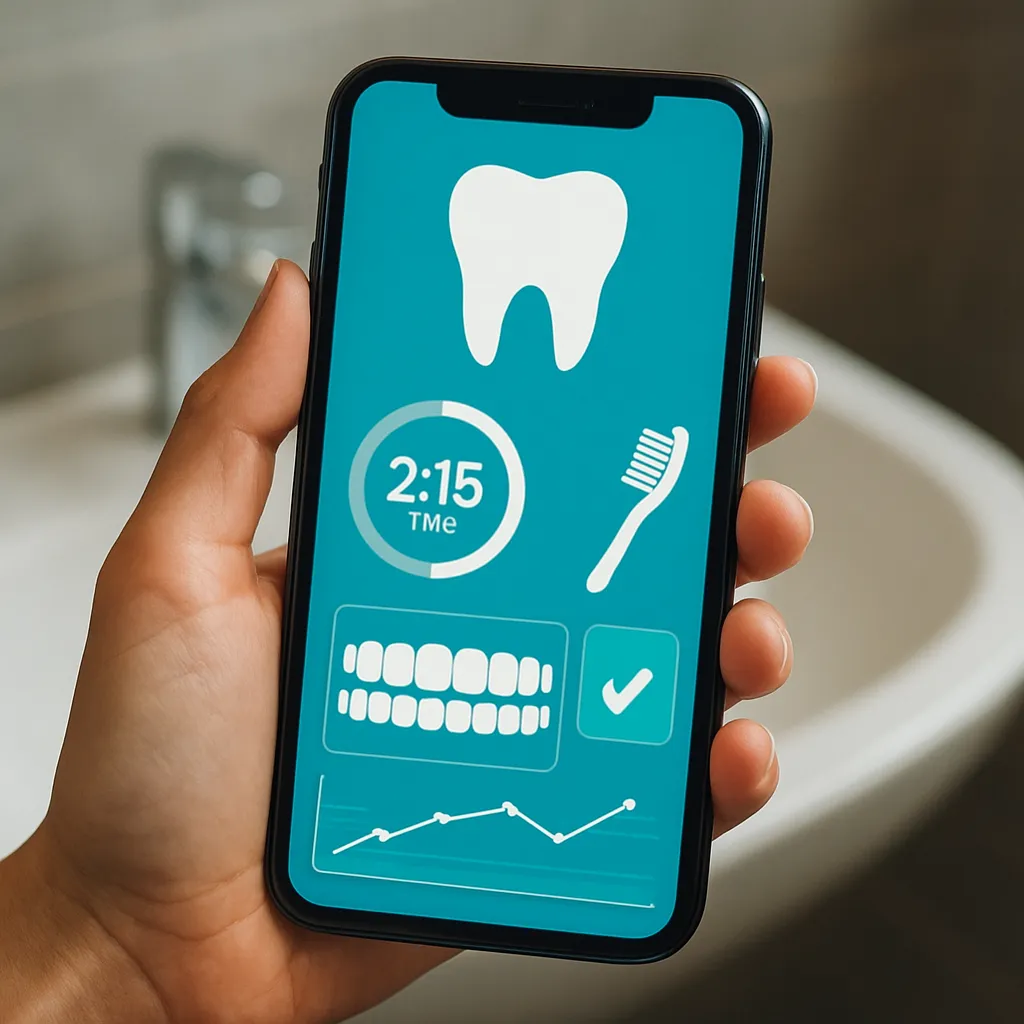
- Dedicate at least two minutes to brushing: divide into quadrants for maximum coverage.
- Replace your brush every 3 months or sooner if bristles are frayed.
Interdental Cleaning
- Employ flossing threaders or orthodontic floss picks to slide under wires.
- Gently glide the floss between each pair of teeth to remove trapped particles.
- Consider using an interdental brush for hard-to-reach spaces.
Rinsing and Additional Tools
- Rinse with an antimicrobial mouthwash to reduce bacterial growth.
- An oral irrigator (water flosser) can help flush out debris in tight spots.
- Use fluoride rinses to strengthen your tooth enamel and prevent cavities.
Dietary Considerations and Lifestyle Tips
Choosing the right foods and habits enables you to protect your braces from damage while supporting overall oral health. Certain items pose threats to wires and brackets, leading to potential discomfort and delays in treatment progress.
Foods to Avoid
- Hard candies, nuts, and ice: can break wires or loosen brackets.
- Chewy or sticky sweets like caramel and taffy: can adhere to orthodontic components.
- Popcorn and crunchy chips: kernels can become trapped and cause damage.
Brace-Friendly Alternatives
- Soft fruits: bananas, berries, and grapes are gentle on braces.
- Cooked vegetables: steamed or boiled for easier chewing.
- Dairy products: yogurt and soft cheeses provide calcium for stronger teeth.
- Lean proteins: eggs, fish, and chicken for essential nutrients without risk.
Healthy Habits
- Drink plenty of water to wash away food particles and maintain saliva flow.
- Avoid excessive sugary or acidic beverages to protect your enamel.
- Wear a mouthguard during sports to prevent bracket damage and emergency visits.
Managing Discomfort and Emergencies
Initial brace adjustments can lead to soreness and tenderness. While this is a normal part of the alignment process, proper management can make the experience more tolerable. Additionally, knowing how to handle minor emergencies reduces stress and prevents complications.
Pain Relief Strategies
- Over-the-counter pain relievers can ease soreness after tightening appointments.
- Apply orthodontic wax to any wire or bracket causing irritation to the cheek or lips.
- Soft foods and cold beverages help soothe sore areas.
Handling Loose or Broken Appliances
- If a bracket detaches, save it and contact your orthodontic office promptly.
- For a protruding wire, use clean nail clippers to trim the end or apply wax until you see your orthodontist.
- Maintain regular check-ups to catch issues before they escalate into true emergencies.
Long-Term Retention
After your braces come off, wearing your prescribed retainer as directed is crucial to preserve the alignment you’ve achieved. Neglecting retention guidelines can lead to teeth shifting back toward their original positions, jeopardizing the time and effort invested during orthodontic care.