The integrity of the gingival connective tissue relies heavily on a complex network of proteins, among which collagen stands as the most abundant and critical component. Its unique molecular structure ensures not only mechanical strength but also contributes to cellular communication, wound healing, and maintaining a robust defense against microbial invasion. For dental professionals, a deep understanding of the role of collagen in gum health is essential to optimize patient outcomes and develop innovative therapeutic strategies.
Physiological Roles of Collagen in Gingival Tissue
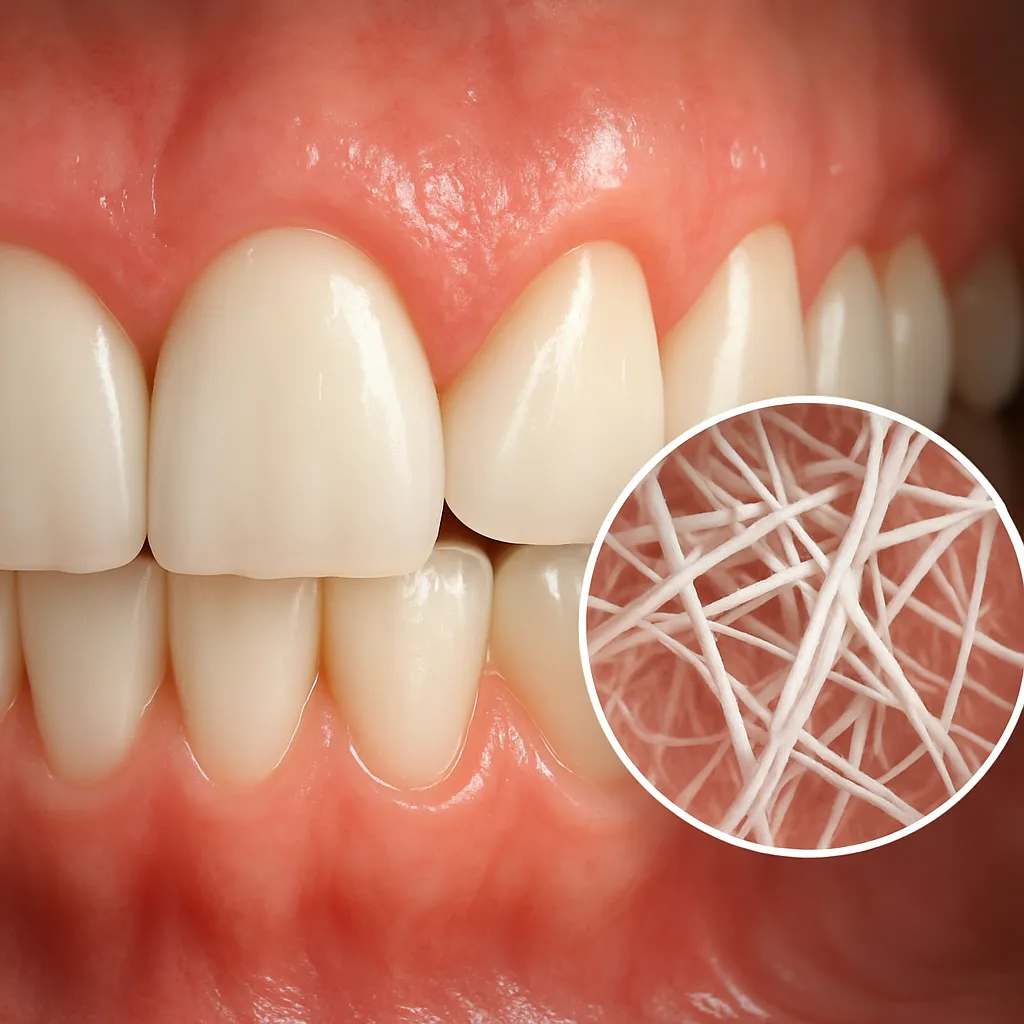
The gingiva is composed of an epithelium overlaying a connective tissue rich in extracellular matrix (ECM). Within this matrix, collagen fibers, primarily type I and type III, form a scaffold that supports resident cells and preserves tissue architecture. Key functions include:
- Providing tensile strength to withstand masticatory forces.
- Facilitating adhesion of epithelial cells to the connective tissue.
- Regulating the migration and proliferation of fibroblasts essential for repair.
- Acting as a barrier to prevent bacterial penetration into deeper tissues.
Injury to the gingival tissues triggers a well-coordinated repair response. Fibroblasts upregulate collagen synthesis, depositing a provisional ECM that gradually matures. Proper collagen organization determines the quality of the scar and the restoration of functional integrity.
Collagen Synthesis and Degradation in Periodontal Health
Synthesis Pathways and Nutritional Cofactors
Collagen biosynthesis is a multi-step process involving peptide chain translation, hydroxylation of proline and lysine residues, and glycosylation, ultimately forming procollagen triple helices. Critical cofactors include:
- Vitamin C – essential for prolyl and lysyl hydroxylase activity.
- Iron and copper ions – support enzymatic cross-link formation.
- Amino acids such as glycine, proline and hydroxyproline – fundamental building blocks.
Deficiencies in these nutrients can lead to impaired collagen assembly, resulting in weakened gingival tissues and delayed wound healing.
Matrix Metalloproteinases and Inflammatory Degradation
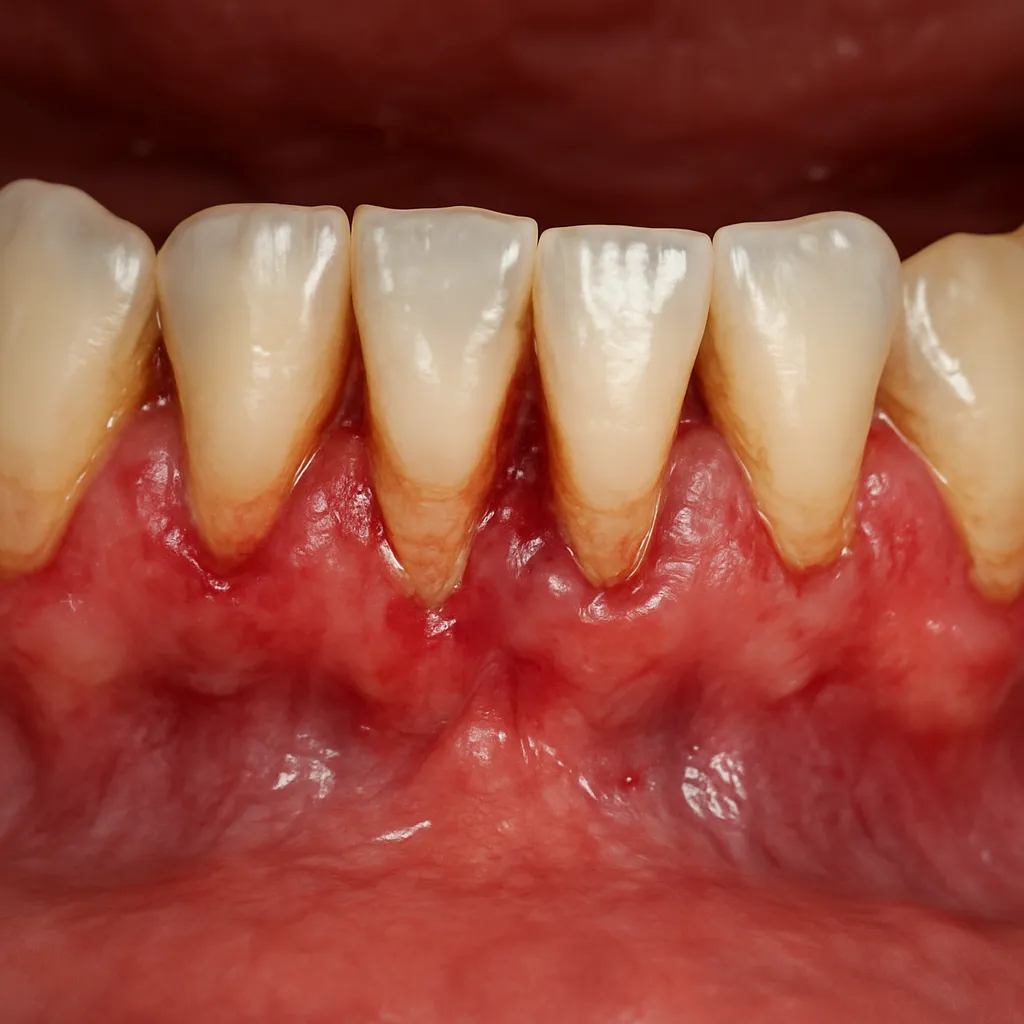
During periodontal disease, elevated levels of MMPs (matrix metalloproteinases) contribute to excessive collagen breakdown. Chronic inflammation driven by bacterial biofilms stimulates inflammatory cells to release these proteolytic enzymes, compromising the attachment apparatus. Key contributing factors include:
- Smoking, which increases MMP expression and reduces collagen synthesis.
- Systemic conditions such as diabetes, altering collagen cross-link quality.
- Poor oral hygiene, leading to persistent microbial challenge.
The imbalance between collagen degradation and synthesis determines the rate of connective tissue loss, correlating directly with pocket formation and alveolar bone resorption.
Therapeutic Strategies for Collagen Preservation and Regeneration
Nutrition and Oral Supplements
Optimizing dietary intake can support endogenous collagen production. Clinicians may recommend:
- Vitamin C supplementation to enhance hydroxylation reactions.
- Marine or bovine peptides and gelatin supplements rich in collagen precursors.
- Balanced protein intake ensuring sufficient glycine and proline availability.
Such interventions may be particularly beneficial in patients with systemic deficiencies or those undergoing extensive periodontal therapy.
Topical Applications and Biomaterials
Advances in regenerative dentistry have introduced a variety of collagen-based biomaterials:
- Collagen membranes for guided tissue regeneration (GTR), acting as barriers to exclude epithelial ingrowth.
- Topical gels and pastes containing cross-linked collagen and growth factors to accelerate wound closure.
- Injectable collagen scaffolds combined with platelet-rich fibrin (PRF) to deliver autologous growth factors.
These products harness the innate biocompatibility of collagen to promote cellular infiltration, angiogenesis, and matrix remodeling.
Clinical Applications and Procedural Integration
Incorporating collagen-centered protocols into daily practice can improve patient outcomes in various procedures:
- Periodontal flap surgeries – using collagen matrices to enhance flap stability and reduce post-operative recession.
- Extraction socket preservation – placing collagen plugs to maintain ridge dimensions and facilitate healing.
- Soft tissue grafting – combining autogenous grafts with collagen scaffolds for improved biotype augmentation.
Proper case selection and handling of collagen materials are critical to avoid complications such as membrane exposure or delayed integration.
Emerging Technologies and Future Directions
The intersection of biomaterials science and molecular biology is driving innovative approaches to gum tissue regeneration. Current research focuses on:
- Stem cell-seeded collagen scaffolds capable of guided differentiation into fibroblasts and endothelial cells.
- 3D-printed collagen-based constructs tailored to patient-specific defect geometries.
- Gene therapy strategies to upregulate collagen synthesis pathways within gingival fibroblasts.
As these modalities progress from bench to chairside, dental professionals will be empowered to deliver more predictable and durable outcomes for patients suffering from periodontal disease or mucogingival deformities.