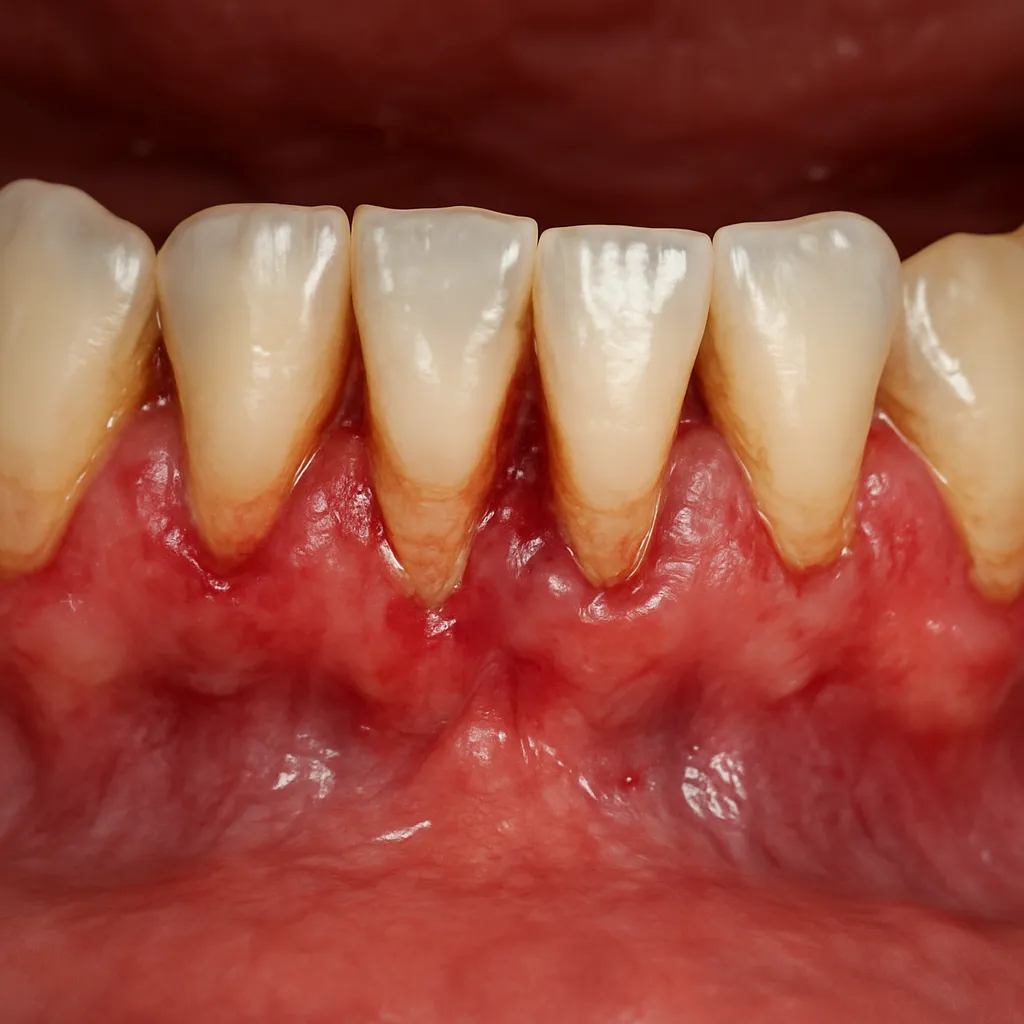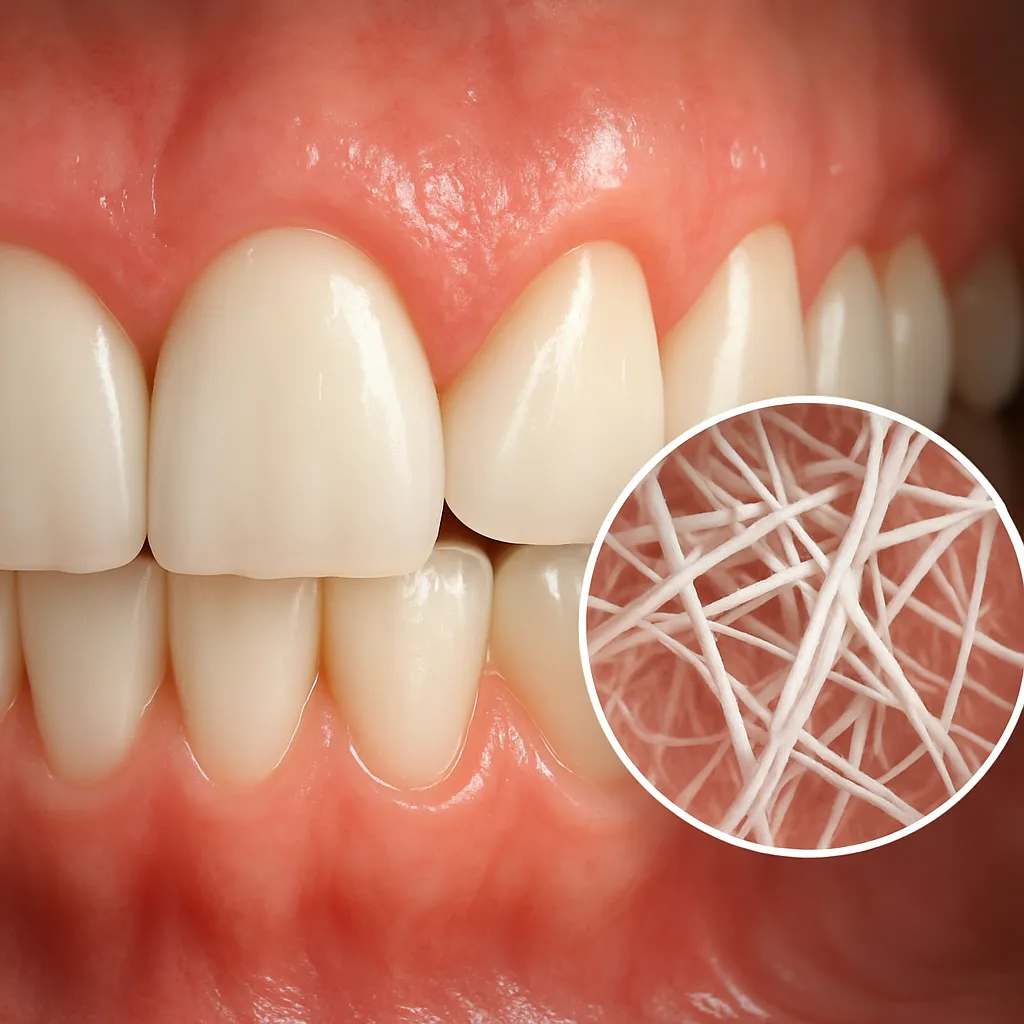
Swollen gums can cause significant discomfort, making it challenging to eat, speak, and maintain proper oral hygiene. Understanding the underlying factors and adopting safe, natural strategies can help alleviate pain and support healthier gum tissue. This article explores common causes, effective home remedies, dietary adjustments, and professional guidance to keep your gums firm and comfortable.
Understanding Swollen Gums and Their Causes
Gum swelling, also known as gingival swelling, often results from irritation or infection. Recognizing the root issues allows for targeted relief. Common contributors include:
- Poor brushing or flossing technique, leading to plaque buildup.
- Early-stage gingivitis, characterized by redness and tenderness.
- Vitamin deficiencies—particularly vitamin C.
- Hormonal changes during adolescence, pregnancy, or menopause.
- Ill-fitting dental appliances or newly erupting teeth.
- Systemic conditions such as diabetes or autoimmune disorders.
When plaque hardens into tartar, bacteria thrive along the gum line, promoting gum inflammation. Left unchecked, this can progress to periodontal disease, threatening tooth stability and overall health.
Natural Remedies to Soothe Gum Discomfort
Implementing gentle, plant-based and household treatments can bring fast relief without harsh chemicals. Below are some of the most trusted tactics.
Saltwater Rinse
A warm saltwater rinse draws out excess fluid and reduces bacterial load.
- Mix a teaspoon of sea salt in a glass of warm water.
- Swish for 30 seconds, then spit out. Repeat two to three times daily.
Cold Compress
Applying a chilled compress to the cheek can numb pain and suppress swelling.
- Wrap ice cubes in a clean cloth.
- Hold against the affected side for 10–15 minutes.
Herbal Gels and Powders
Certain herbs boast anti-inflammatory and antibacterial properties:
- Aloe vera gel: Apply directly to gums twice daily.
- Neem powder: Make a paste with water, then brush gently along the gum line.
- Chamomile tea bags: Cool and place on swollen areas for 5 minutes.
Turmeric Paste
Curcumin, the active compound in turmeric, helps reduce inflammation:
- Combine half a teaspoon of turmeric with a few drops of water to form a paste.
- Massage into gums for one minute, then rinse.
Oil Pulling
An ancient Ayurvedic practice that may decrease harmful bacteria:
- Swish a tablespoon of coconut or sesame oil in your mouth for 10–15 minutes.
- Spit into a tissue (not the sink), then rinse with water.
Clove Oil
Renowned for its mild numbing effect, clove oil can ease gum pain:
- Dilute a drop in a teaspoon of carrier oil (olive or coconut).
- Apply gently to the sore gum area with a cotton swab.
Lifestyle and Dietary Adjustments for Gum Health
Beyond topical treatments, everyday habits and nutrition significantly influence gum resilience.
- Boost vitamin C intake: Citrus fruits, strawberries, and bell peppers support collagen synthesis.
- Stay hydrated: Water aids saliva production, keeping your mouth clear of debris.
- Avoid sugary or acidic snacks that fuel bacterial growth.
- Limit tobacco and excessive alcohol, both of which impair healing.
- Incorporate crunchy fruits and vegetables—apples, carrots, celery—to naturally scrub teeth and gums.
- Practice stress management through exercise, meditation, or yoga; chronic stress can compromise immune response.
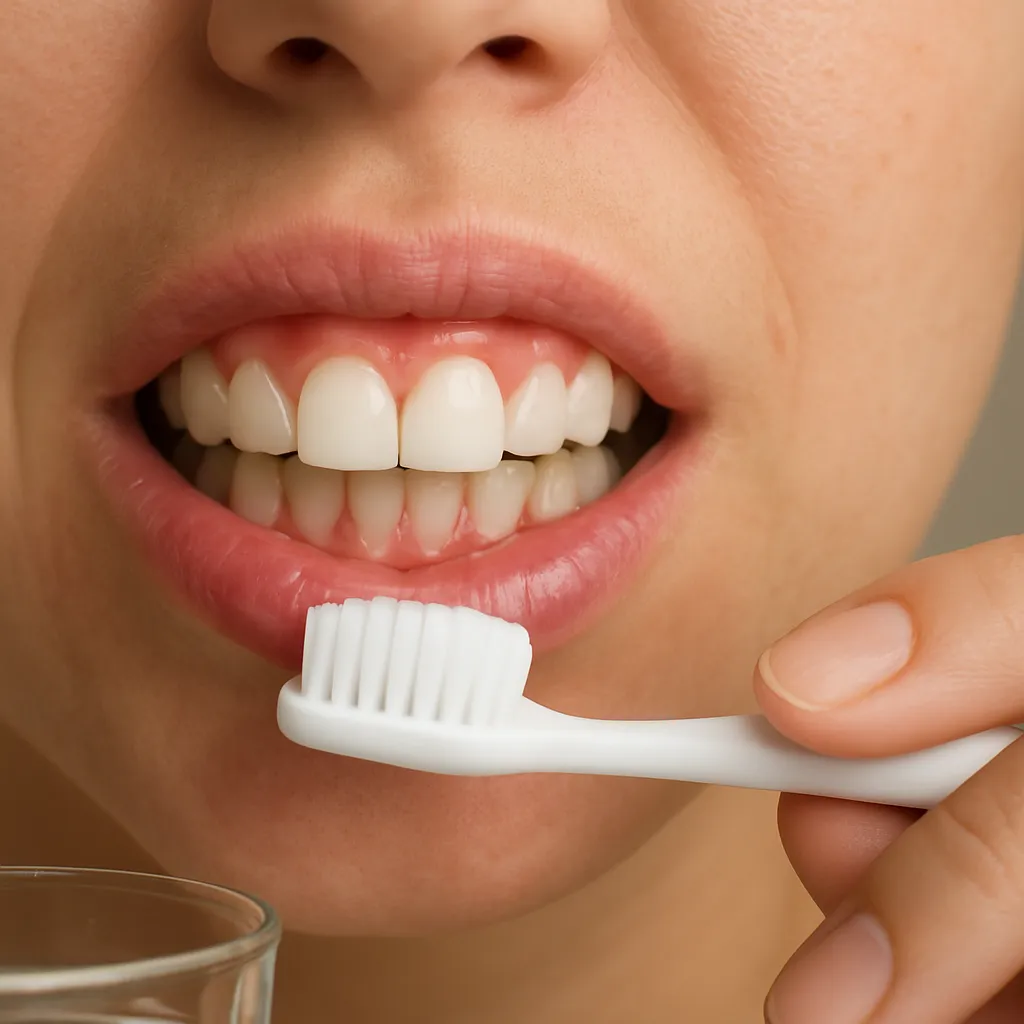
Consistent brushing (twice daily) with a soft-bristled brush and daily flossing removes plaque without injuring delicate gum tissue. Consider switching to a toothpaste formulated for sensitive gums or one containing natural anti-inflammatory ingredients like chamomile or green tea extract.
When to Consult a Dental Professional
While natural techniques can relieve mild swelling, persistent or severe symptoms warrant expert evaluation. Seek dental care if you experience:
- Gum pain lasting more than one week.
- Bleeding during brushing or flossing that doesn’t subside.
- Loose or shifting teeth.
- Pus between teeth and gums.
- Fever or general malaise accompanying gum issues.
A dentist can perform a thorough cleaning, scale and polish away tartar buildup, and prescribe medicated mouthwashes or topical antimicrobial gels. In advanced cases, deep periodontal therapy or minor surgical interventions may be necessary to restore gum health.
Maintaining Long-Term Gum Wellness
Regular dental check-ups, professional cleanings every six months, and a personalized oral care regimen form the cornerstone of lasting gum health. By combining the power of natural remedies with proper technique and professional support, you can effectively soothe swollen gums and preserve a bright, confident smile for years to come.