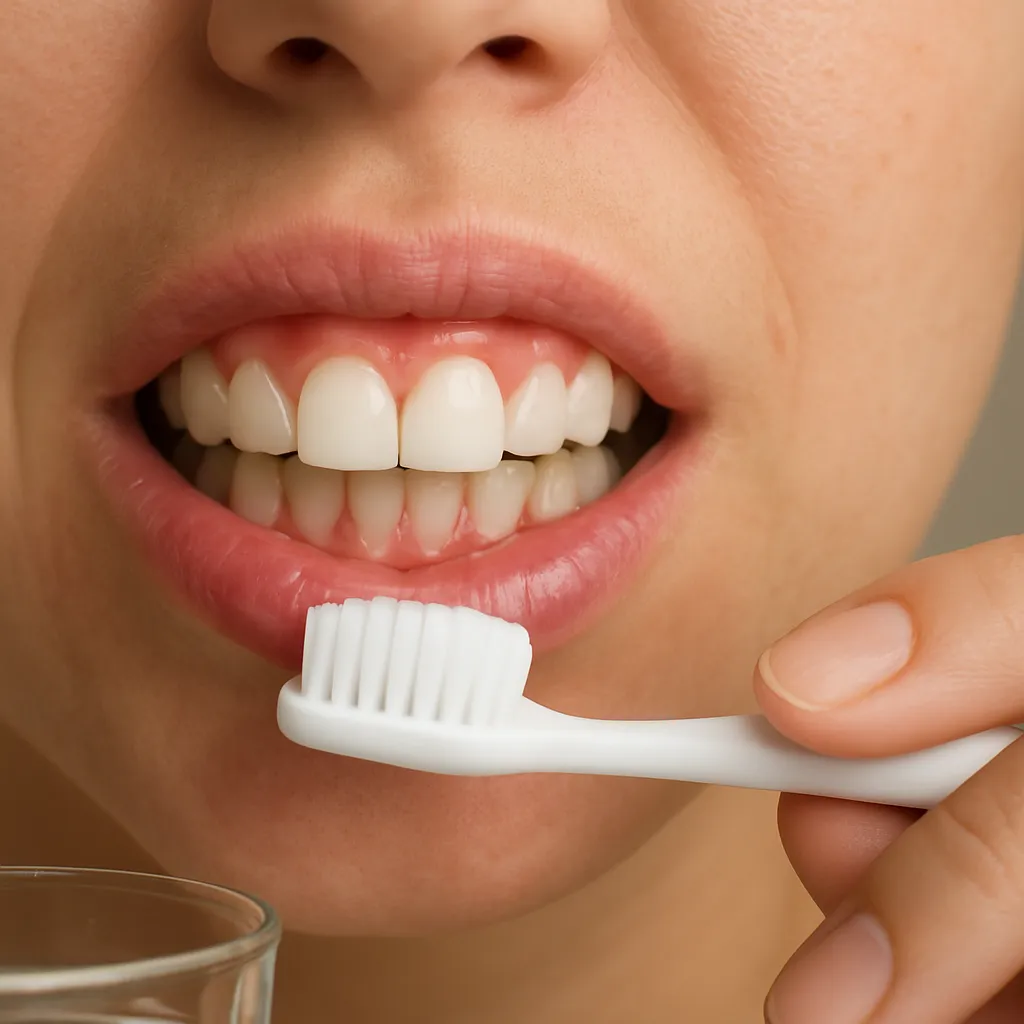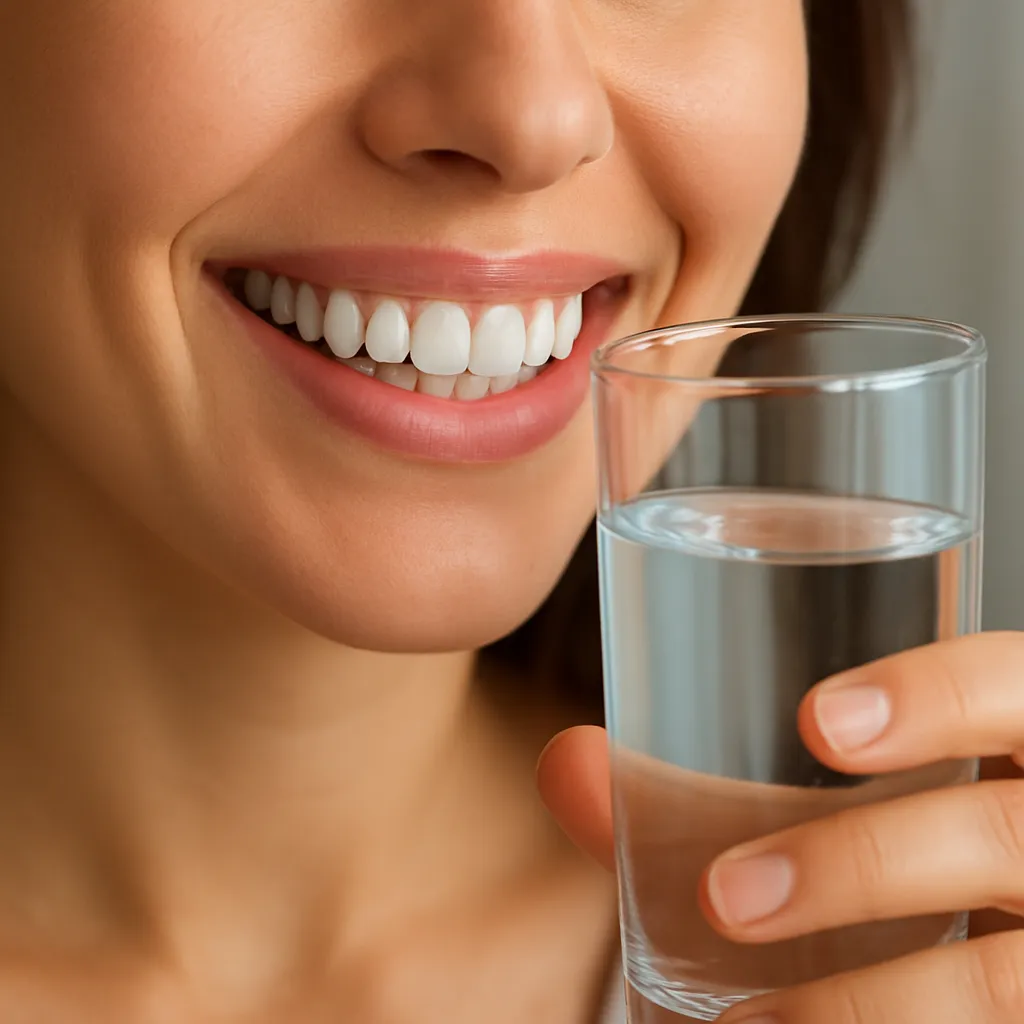
Maintaining a healthy mouth requires more than just brushing and flossing. One often overlooked ally in preserving strong teeth and fresh breath is plain drinking water. From stimulating protective saliva to flushing away harmful debris, water serves as a multifaceted tool in every dentist’s toolkit for promoting excellent oral hygiene. The following sections explore why a steady intake of water should be an integral part of any oral health regimen.
The Crucial Role of Water in Saliva Production
Saliva acts as a natural defense mechanism, continually bathing the oral tissues in enzymes and antibodies that combat harmful microbes. When you drink water, you help maintain adequate hydration of the salivary glands. Proper fluid intake supports the continuous flow of saliva, which in turn:
- Neutralizes acids produced by oral bacteria.
- Provides essential minerals for tooth remineralization.
- Facilitates digestion by beginning starch breakdown in the mouth.
Without sufficient water, the mouth can develop a dry mouth condition, officially known as xerostomia. This state compromises the protective benefits of saliva, leading to an increased risk of cavities and gum inflammation.
Water’s Impact on Tooth Demineralization and Remineralization
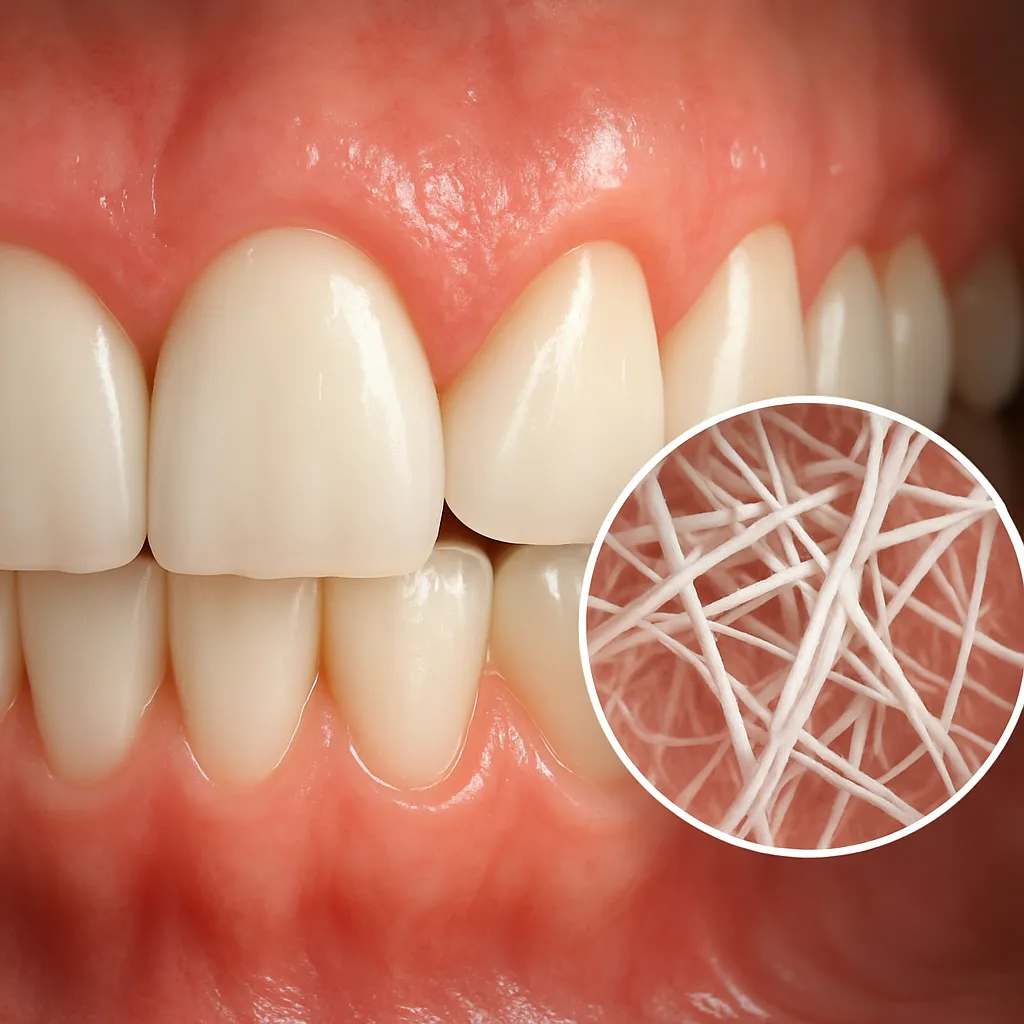
Tooth enamel is a crystalline structure composed largely of hydroxyapatite, and it constantly undergoes cycles of mineral loss and gain. These processes are known as demineralization and remineralization. Drinking water plays pivotal roles in both:
- It dilutes and washes away sugars and acids from foods and beverages, slowing the pace of demineralization.
- It supplies trace minerals like calcium and phosphate, which help redeposit lost elements back into weakened enamel.
- When fluoridated, water provides fluoride that reinforces enamel’s crystalline structure and makes it more resistant to future acid challenges.
Balancing Acidic Challenges
After consuming acidic foods or sodas, the mouth’s pH can drop below the safe threshold, risking enamel erosion. Sipping water throughout the day helps restore a neutral pH, giving saliva the chance to repair early lesions before they progress into full-blown cavities.
Hydration and Soft Tissue Health
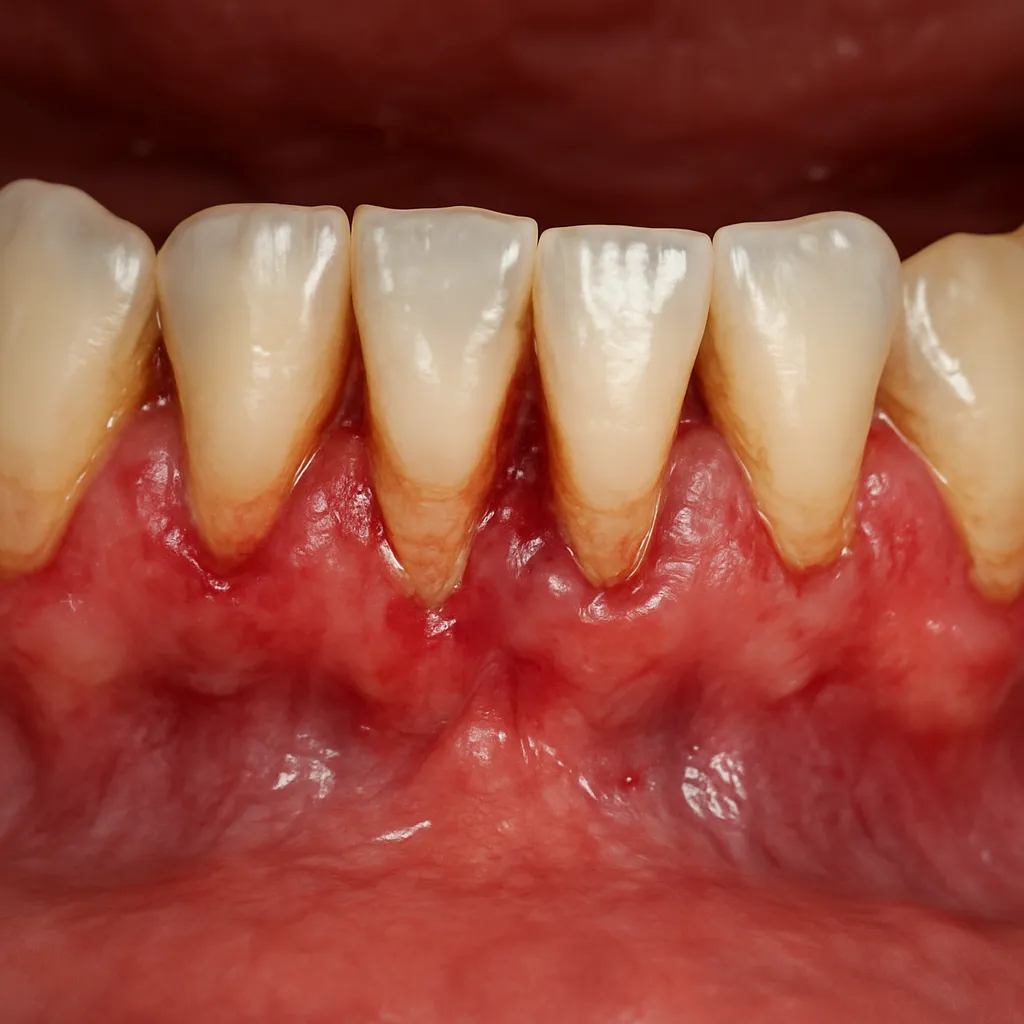
Beyond hard tissues, water is essential for maintaining the integrity of the oral mucosa, gums, and tongue. Well-hydrated tissues remain elastic and resilient, reducing the likelihood of cracks or ulcers that can serve as entry points for pathogens. Adequate water intake:
- Prevents inflammation of the gums, lowering the risk of gingivitis.
- Supports a healthy barrier against opportunistic infections like oral thrush.
- Ensures a clear field for dentists during examinations and treatments by reducing excess saliva viscosity.
Furthermore, proper tissue moisture helps patients feel more comfortable during in-office procedures, since excessively dry mouths can complicate impression-taking and bonding treatments.
Water as a Defense Against Dental Problems
Regular consumption of water strengthens several layers of defense in the oral ecosystem:
- Rinses away food particles that feed plaque-forming bacteria.
- Limits the concentration of sugars in the mouth, thus cutting down on acid production from cariogenic microbes.
- Acts as a natural mouthwash, refreshing breath and diluting volatile sulfur compounds responsible for halitosis.
By choosing water over sugary or acidic drinks, patients can greatly reduce the burden on their tooth enamel and gum tissues, leading to fewer restorative visits and a lower incidence of root canal therapies.
Choosing the Best Water for Oral Health
Not all water sources are identical in their oral benefits. Here are some dentist recommendations:
- Fluoridated municipal water: Offers the proven remineralizing power of fluoride at optimal concentrations.
- Filtered tap water: Removes contaminants while generally retaining beneficial minerals.
- Mineral water: Provides an additional boost of minerals, but be mindful of high mineral counts that can affect taste.
While bottled waters labeled as “alkaline” or “electrolyte-enhanced” can support overall body hydration, they lack the standardized fluoride levels that most public health authorities endorse for caries prevention. When in doubt, consult with your dental professional for guidance tailored to your local water supply.
Practical Tips for Optimal Daily Water Intake
Implementing a habit of frequent sips throughout the day can make a significant difference. Consider the following strategies:
- Carry a refillable water bottle everywhere to encourage continuous intake.
- Set reminders on your phone or smartwatch to take small breaks and hydrate.
- Pair water drinking with routine oral hygiene activities, such as rinsing after meals.
- Infuse water with slices of fruit or herbs to enhance flavor without adding sugar.
By embedding these simple practices into daily routines, patients can ensure that their mouths remain primed for natural defense and repair, reducing the need for invasive dental treatments over the long term.