Dental implants offer a transformative solution for missing teeth, combining stability and natural appearance. Proper maintenance is vital to ensure the success and longevity of these restorations. This guide explores essential practices, lifestyle adjustments, and professional care strategies to keep your implants healthy and functional.
Understanding the Basics of Dental Implants
Dental implants consist of a small titanium post surgically placed into the jawbone, supporting a crown, bridge, or denture. The process of osseointegration—where bone fuses with the implant surface—provides unrivaled stability and prevents bone loss. Implants differ from traditional dentures in that they replace the tooth root, promoting facial structure preservation and natural chewing forces.
- Components – Implant fixture, abutment, and prosthetic crown.
- Benefits – Enhanced restoration strength, improved speech, and bolstered self-esteem.
- Success Factors – Patient medical history, bone quality, and meticulous care routines.
Daily Oral Hygiene Practices
Maintaining impeccable oral care is crucial to fend off plaque accumulation around implants. Without regular attention, harmful bacteria can lead to inflammation and jeopardize implant stability. A consistent regimen involves more than just routine cleaning; it demands specialized techniques.
Brushing Techniques
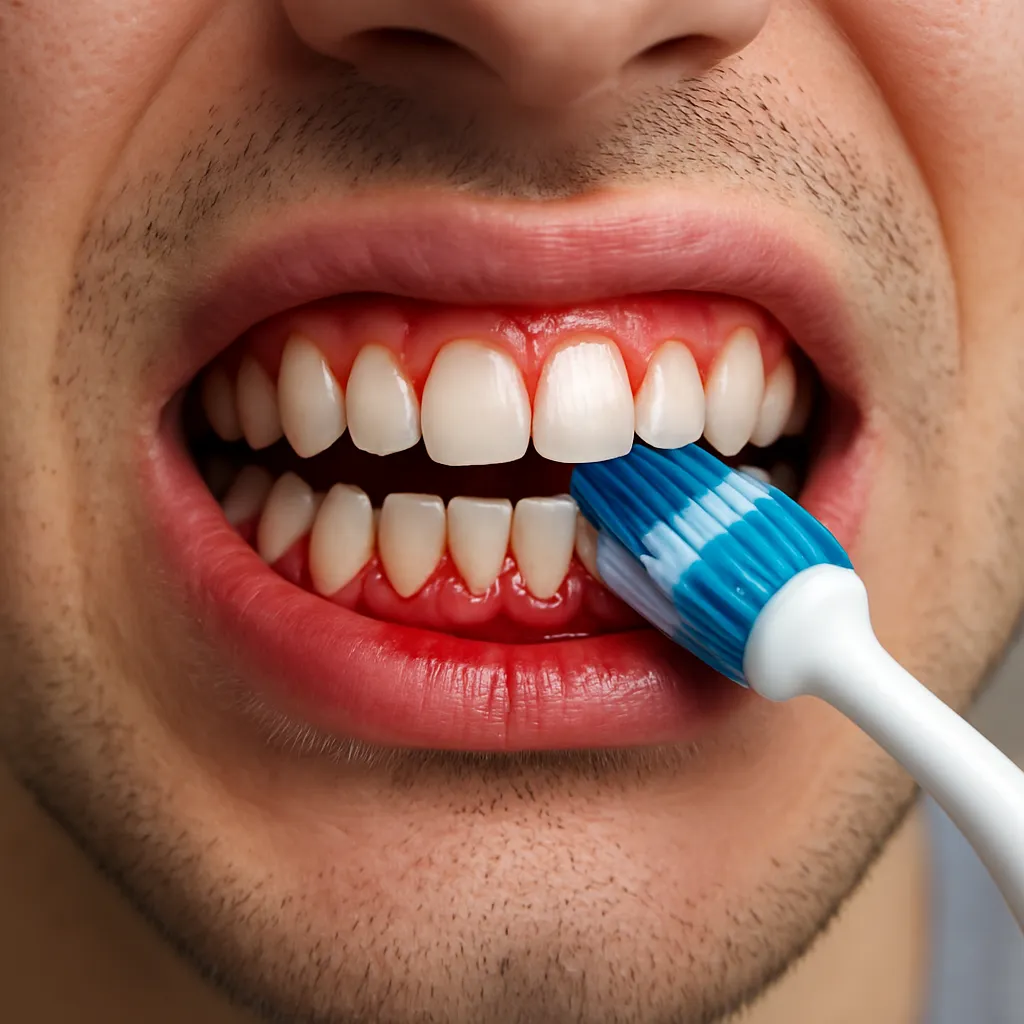
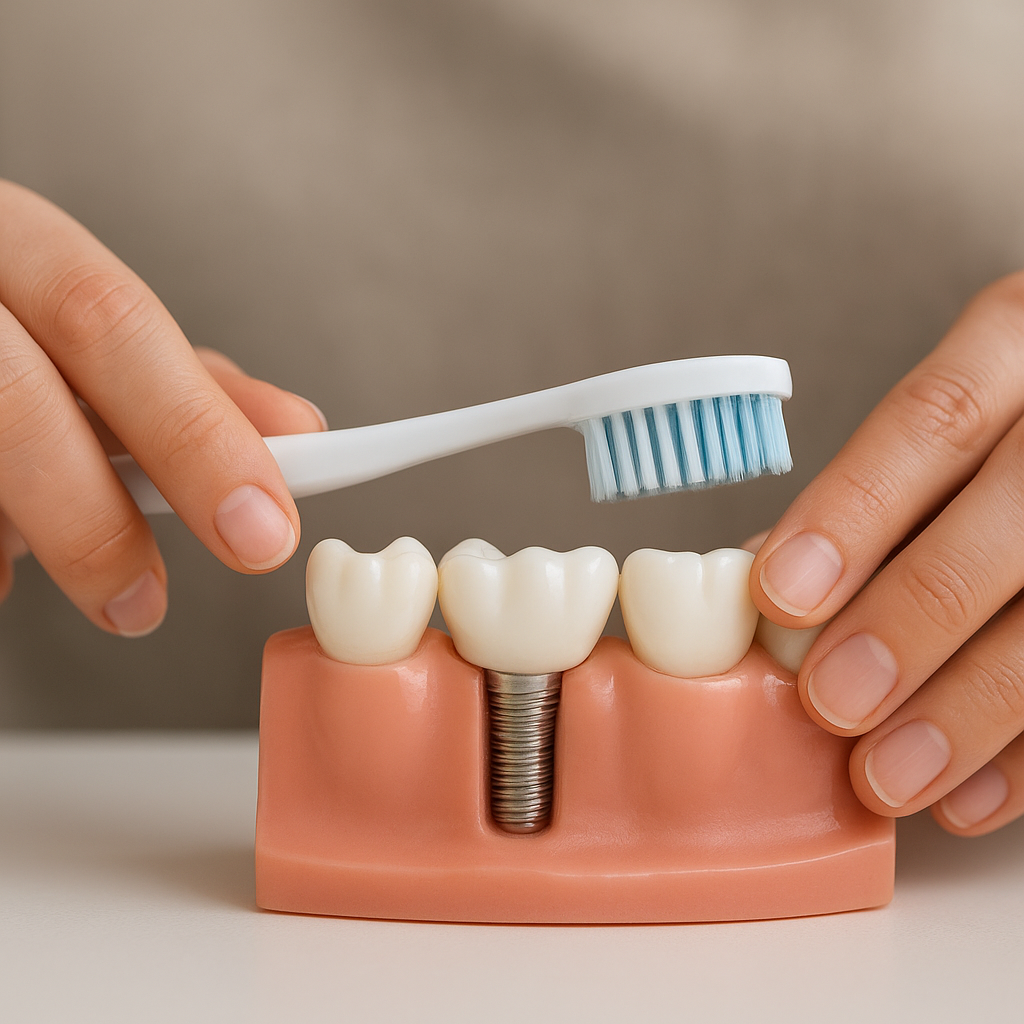
- Use a soft-bristle toothbrush or electronic brush to gently remove debris without scratching the implant surface.
- Angle bristles at 45 degrees to the gumline, sweeping methodically across each side of the implant.
- Brushing at least twice a day prevents plaque buildup and maintains healthy tissue around the implant.
Interdental Cleaning
- Flossing – Glide implant-specific floss or a floss threader beneath the abutment to clear interdental spaces. Frequent flossing disrupts bacterial colonies and keeps peri-implant tissues healthy.
- Interdental Brushes – Select a non-metallic brush sized for the gap between implant and adjacent teeth. Cleanliness in these narrow zones reduces risk of peri-implant disease.
- Water Flossers – Deliver a gentle stream to flush out food particles and reduce bacterial load around the implant site.
Antimicrobial Rinses
Rinsing with an alcohol-free, chlorhexidine or essential oil-based mouthwash can minimize microbial growth. Use twice daily after mechanical cleaning to reinforce your hygiene routine. Avoid long-term chlorhexidine use unless directed by a dentist to prevent staining or taste alteration.
Lifestyle Factors Affecting Implant Health
Beyond brushing and hygiene, daily habits significantly influence implant success. Certain behaviors either support healing or contribute to complications. Awareness and adjustment of lifestyle choices bolster overall oral health.
Nutrition and Diet
- Balanced Diet – Emphasize lean proteins, fresh fruits, and vegetables for collagen synthesis and tissue repair.
- Calcium and Vitamin D – Critical for bone density around the implant. Incorporate dairy products, fortified plant milks, and oily fish into your meals.
- Avoid Hard Foods – Resist biting directly into tough items like nuts or uncut apples. Instead, slice or chew on the back teeth to reduce undue pressure on the implant.
Habits to Modify
- Smoking – Nicotine constricts blood vessels, impairs healing, and increases the risk of peri-implantitis. Quitting or reducing tobacco use significantly improves implant prognosis.
- Alcohol Consumption – Excessive alcohol disrupts oral flora balance and can delay recovery. Moderate intake preserves gum health around implants.
- Bruxism Control – Night guards or occlusal splints protect implants from excessive grinding forces that may lead to microdamage or prosthesis loosening.
Professional Maintenance and Check-Ups
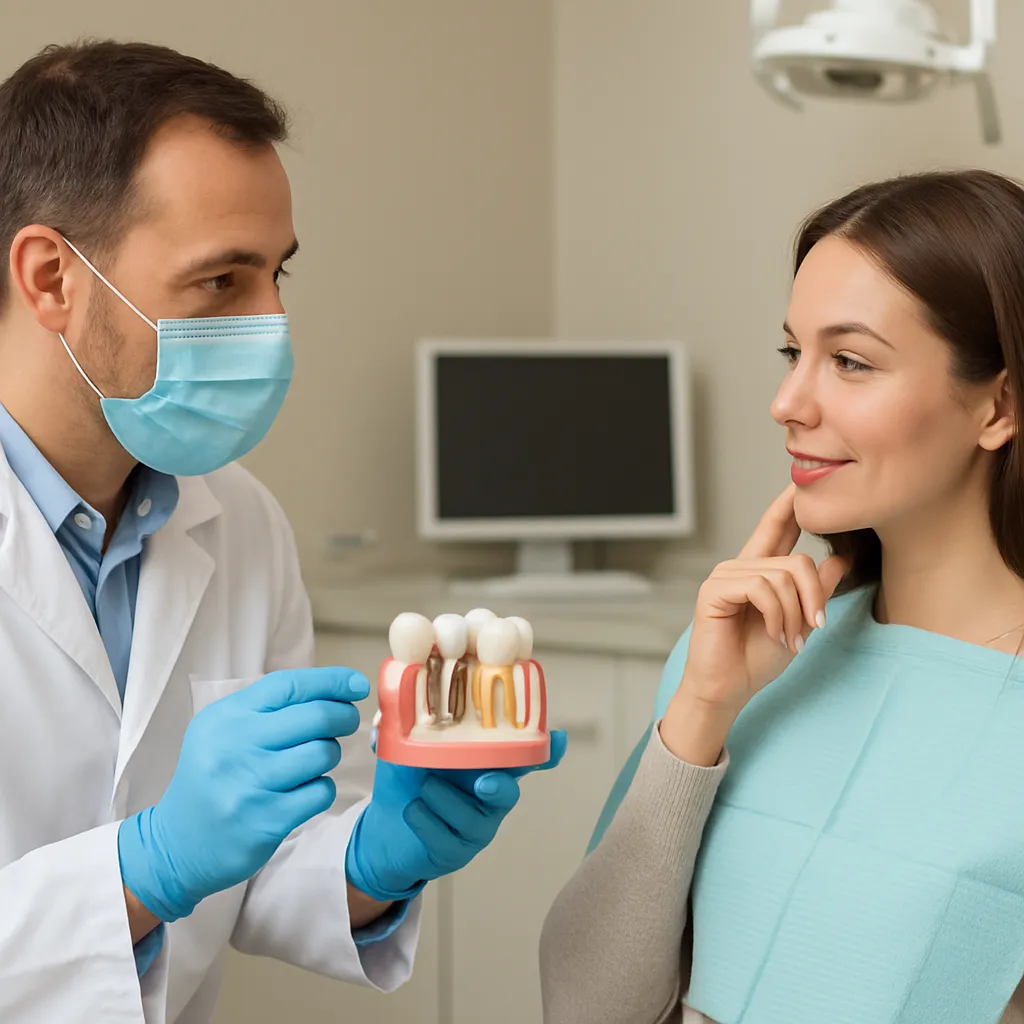
Regular dental visits are indispensable for monitoring implant condition. A schedule of professional care ensures early detection of potential issues and reinforces at-home routines. Dentists employ specialized tools and techniques not available to the patient alone.
Routine Examinations
- Clinical Assessment – Inspection of soft tissue for redness, swelling, or bleeding around the implant.
- Radiographic Evaluation – Periodic X-rays reveal bone levels and uncover hidden complications before symptoms arise.
- Professional Cleaning – Use of ultrasonic scalers with implant-safe tips to remove stubborn calculus without damaging the implant surface.
Early Warning Signs
Recognizing symptoms promptly prevents minor issues from escalating:
- Persistent discomfort or sensitivity at the implant site.
- Loosening of the crown or unusual mobility.
- Gum recession exposing more of the implant structure.
- Unexplained swelling, pus discharge, or foul taste indicating infection.
If any of these signs appear, seek professional attention without delay. Timely intervention can salvage the implant and surrounding tissues.
Advanced Care Techniques and Innovations
Recent advancements in implantology offer patients additional means to maintain oral health and extend implant life. Staying informed about emerging technologies can enhance your home care arsenal.
Low-Abrasive Hygiene Products
- Non-Abrasive Toothpastes – Formulated to polish without scratching titanium surfaces, preserving the implant’s microtextured design.
- Silicone-Tipped Stimulators – Gently massage gums around implants to improve circulation and reduce plaque accumulation.
Laser Therapy
Dental lasers target bacterial colonies around implants, promoting decontamination without invasive surgery. When integrated into maintenance visits, laser therapy supports soft tissue health and reduces inflammation.
Patient Education and Empowerment
Empowered patients take an active role in their oral health. Understanding the significance of daily routines, recognizing warning signs, and adhering to professional advice fosters a collaborative environment. Building a partnership with your dental team ensures the long-term success of your implants.
Remember:
- Your diligence at home complements clinical efforts.
- Open communication with your dentist enhances outcomes.
- A personalized care plan maximizes implant durability.