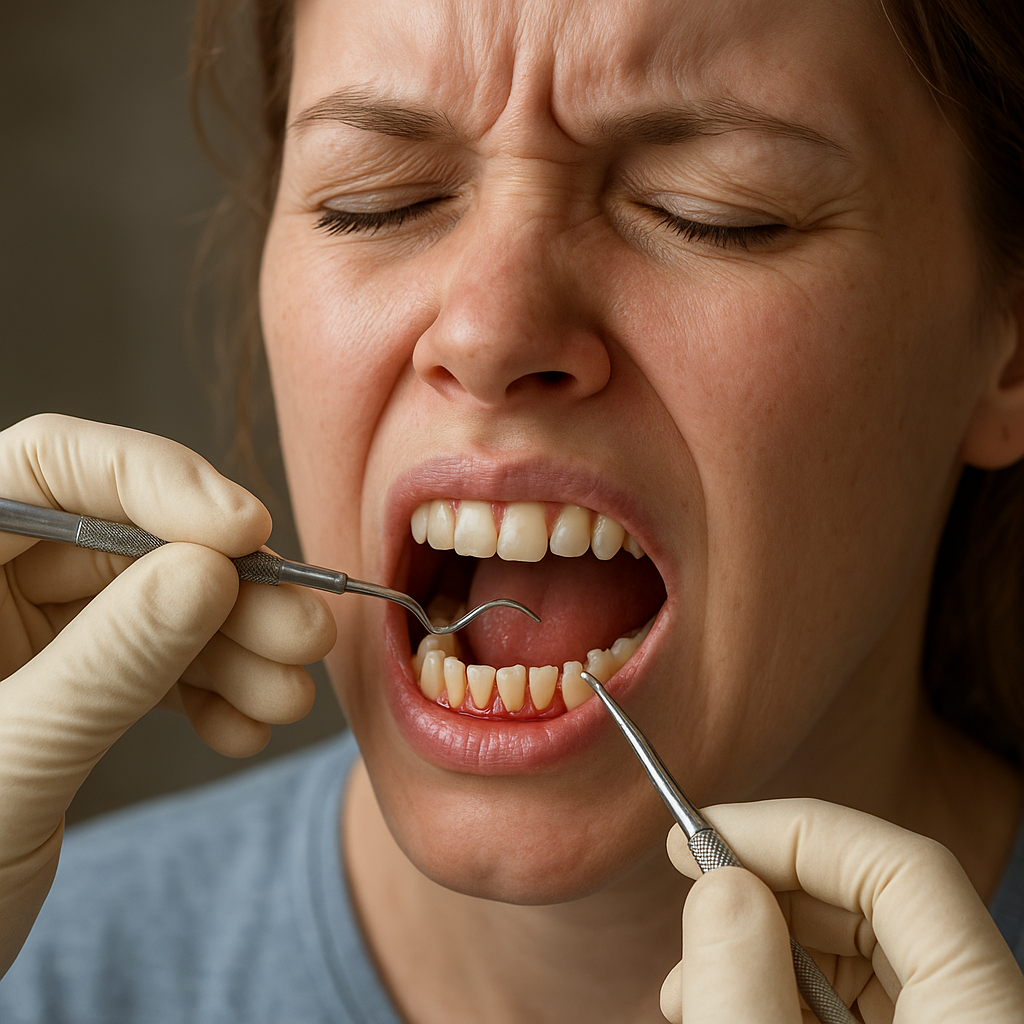
Despite the appeal of quick fixes and cost savings, attempting dental procedures without professional oversight can lead to severe health issues and expensive corrective treatments. This article explores the hidden dangers of DIY dental treatments and underscores the importance of seeking proper care.
Understanding DIY Dental Treatments
In recent years, social media platforms and online marketplaces have made various dental hacks more accessible than ever. Enthusiasts share tutorials on home remedies for teeth whitening, self-applied braces, and even filling cavities with makeshift ingredients. These methods often circulate without adequate scientific backing or professional endorsement, putting users at risk of irreversible damage.
Popular DIY Procedures
- At-home teeth whitening kits containing baking soda, hydrogen peroxide, or charcoal
- Self-fabricated orthodontic aligners or “cheap braces” sold online
- Temporary filling of cavities using household glues or dental cements
- Use of metal wires or paper clips to reposition teeth
- Oil pulling with coconut or sesame oil in place of professional cleaning
Motivations for Self-Treatment
- Perceived cost savings compared to dental office fees
- Fear or anxiety about professional dental visits
- Desire for immediate, at-home solutions
- Influence of online testimonials and viral content
Health Risks Associated with DIY Dental Care
Attempting dental work outside a licensed practice can have serious and sometimes life-threatening consequences. Without proper sterilization, training, and equipment, patients expose themselves to a range of complications.
- Infection: Non-sterile tools and unregulated substances can introduce bacteria directly into the bloodstream or pulp chamber.
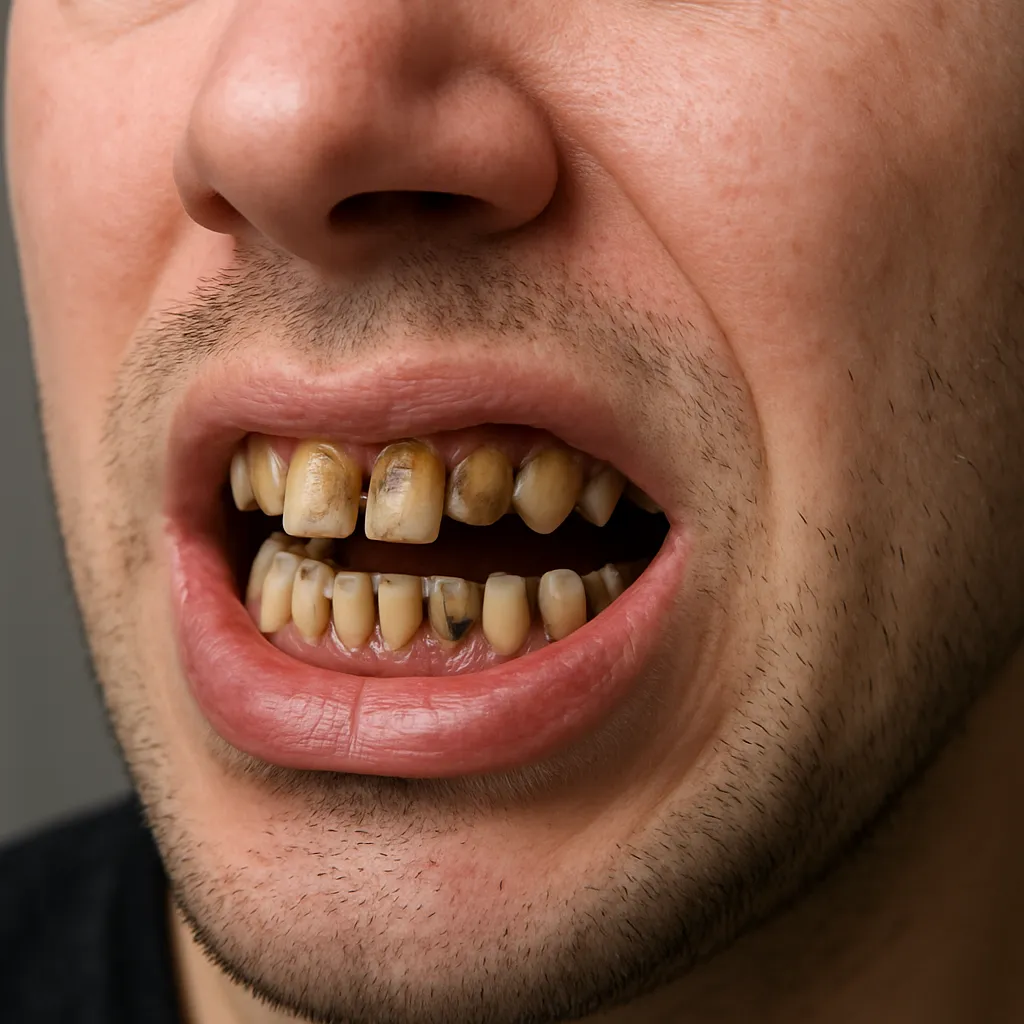
- Enamel Erosion: Abrasive materials like baking soda scrub away protective enamel, increasing sensitivity and decay.
- Nerve Damage: Inaccurate drilling or pressure on the tooth root can harm the dental nerve, causing chronic pain or numbness.
- Misalignment: DIY orthodontic devices often apply uneven force, leading to bite issues and jaw joint disorders.
- Sanitation Failures: Household environments lack the sterile conditions of a dental office, raising the risk of cross-contamination.
Case Examples
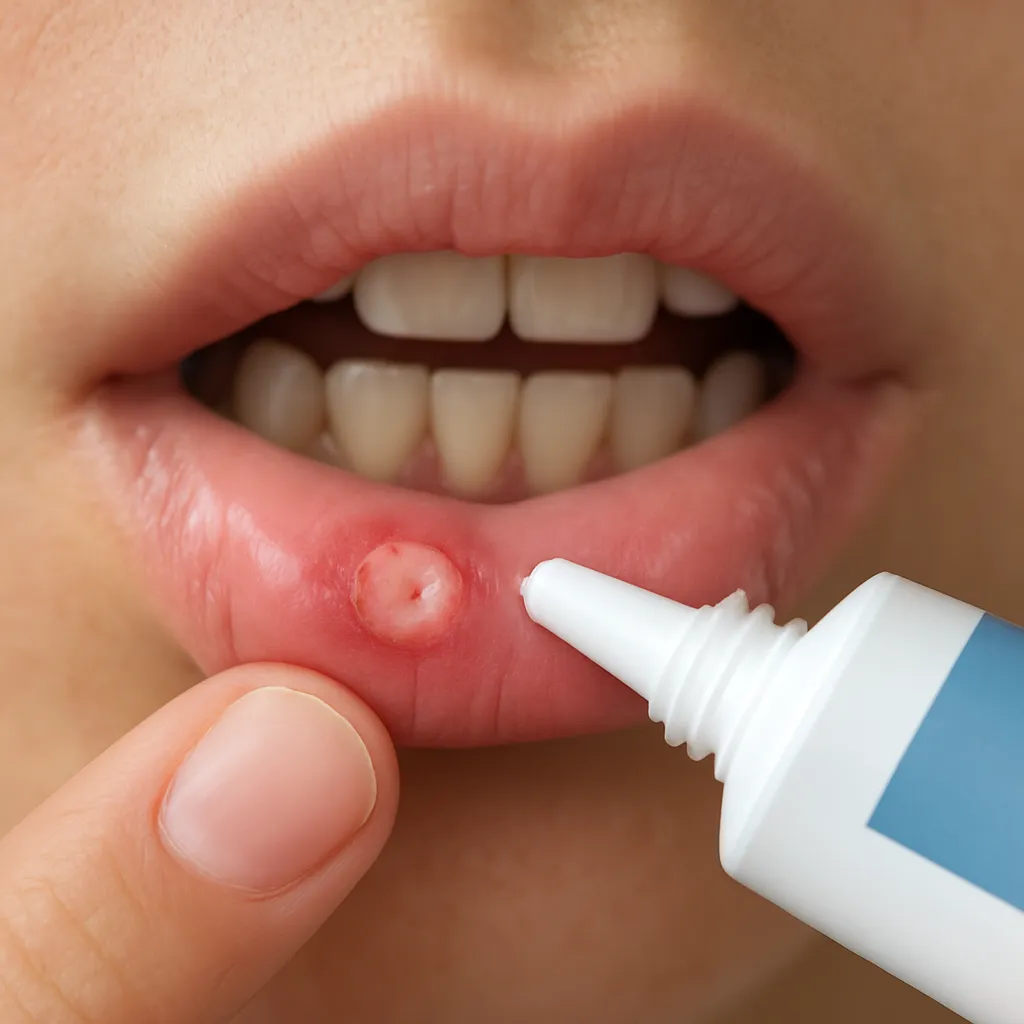
- A patient who used household bleach for whitening developed chemical burns on gum tissues.
- An individual who fashioned braces from fishing wire suffered root resorption and permanent tooth loss.
- Someone filling a cavity with superglue experienced intense inflammation and systemic infection requiring hospitalization.
Long-Term Consequences and Treatment Complications
Even seemingly minor DIY procedures can create complex problems that demand advanced professional intervention. These interventions are typically more expensive and invasive than the original treatments would have been.
- Complications During Correction: Removing improper materials may damage remaining healthy tooth structure.
- Root Canal Failures: Infection inside the tooth can worsen if unaddressed or treated improperly, often necessitating extraction.
- Jaw Joint Disorders: Misaligned teeth contribute to temporomandibular joint pain, headaches, and difficulty chewing.
- Bone Loss: Chronic inflammation from poorly sealed fillings can erode supporting bone tissue, increasing the risk of tooth loss.
- Psychological Impact: Chronic dental pain and aesthetic concerns can lead to anxiety, depression, and social withdrawal.
Financial Burden
- Emergency hospital visits for severe infections or uncontrolled bleeding
- Cost of advanced imaging (e.g., CT scans) to assess internal damage
- Specialist consultations such as endodontists or oral surgeons
- Complex restorations like crowns, implants, or bone grafts
Safer Alternatives and Professional Guidance
While maintaining oral hygiene at home remains essential, certain treatments should always be entrusted to a licensed dentist. By combining daily care with regular professional checkups, patients can avoid the hazards of DIY dentistry.
Approved At-Home Practices
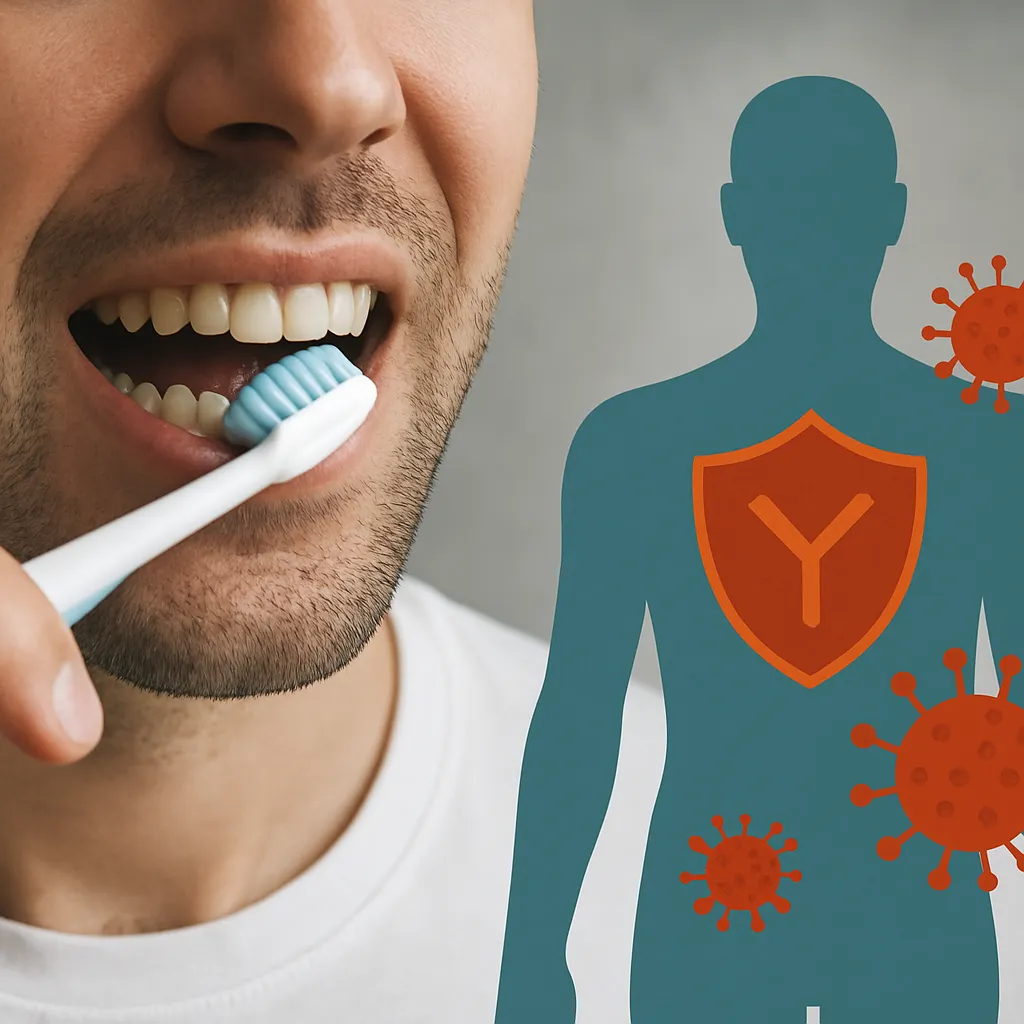
- Brushing twice daily with fluoride toothpaste
- Flossing or using interdental brushes
- Using alcohol-free antimicrobial mouthwash
- Limiting acidic and sugary foods and beverages
- Replacing toothbrushes every three months or after illness
When to Seek Professional Help
- Persistent toothache or sensitivity lasting more than two days
- Visible cracks, chips, or dislodged restorations
- Signs of gum disease such as bleeding, swelling, or receding gums
- Discoloration or staining that home kits cannot safely address
- Desire for orthodontic adjustments or cosmetic enhancements
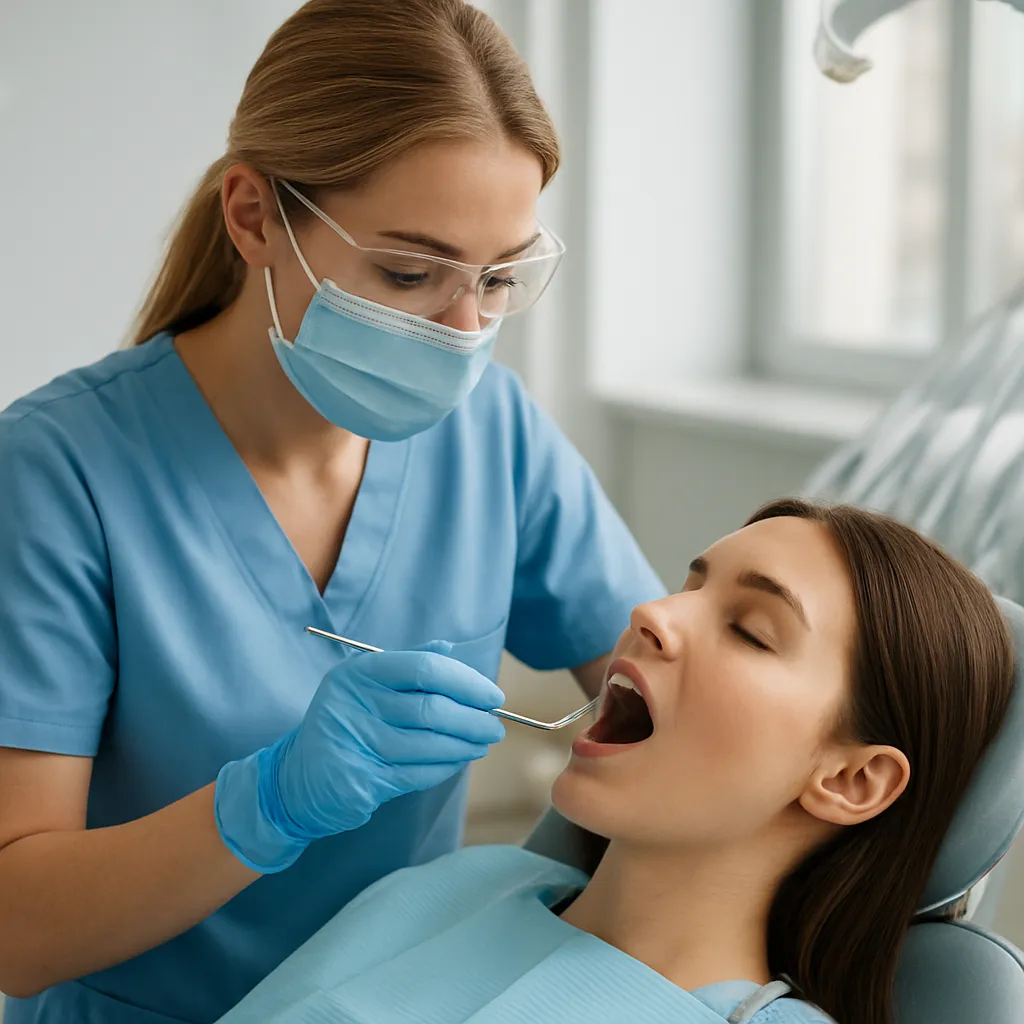
Consulting a qualified dentist ensures that procedures are backed by scientific research, performed under strict professionalism standards, and executed with state-of-the-art equipment. Choosing expertise over experimentation protects both oral health and overall well-being.