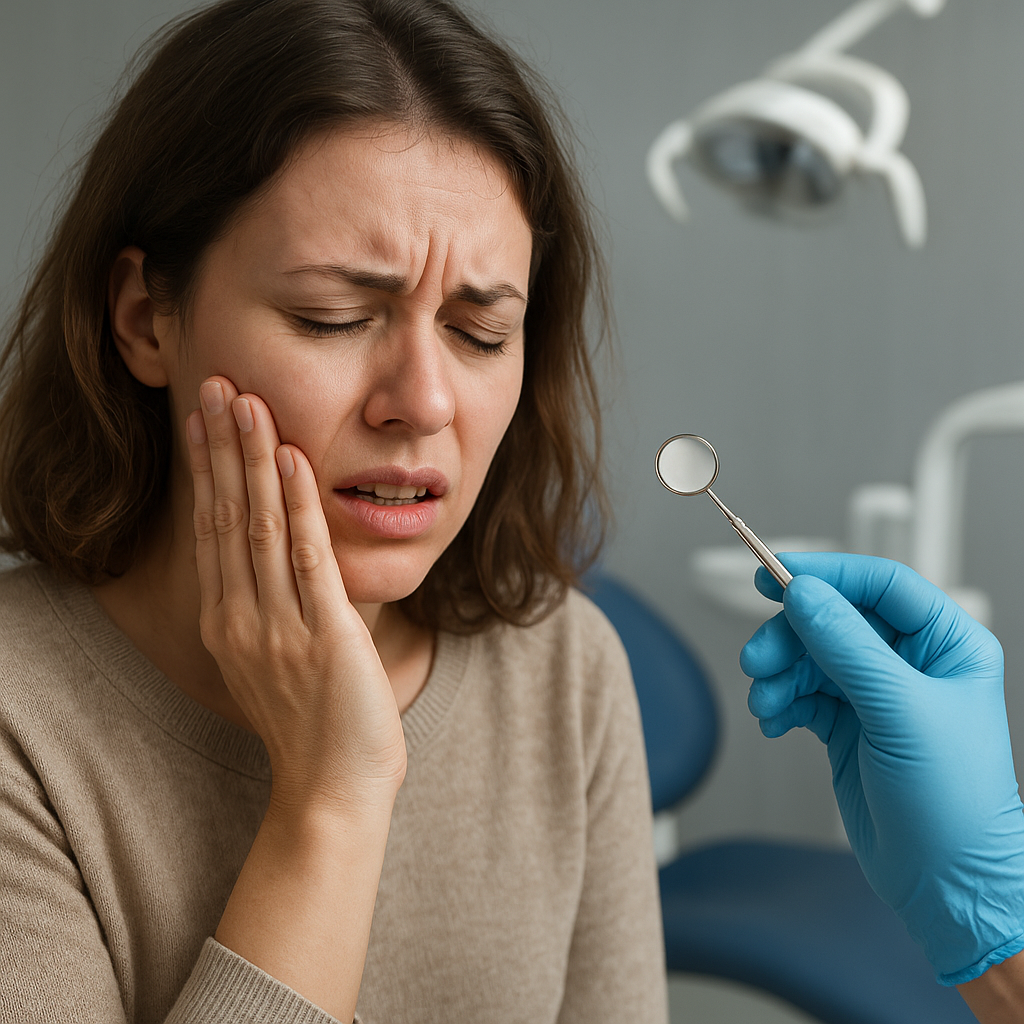
Facing a sudden dental problem can be alarming and painful. Whether you are dealing with a chipped tooth, persistent pain, or facial swelling, knowing the correct steps to take immediately can make all the difference. In this guide, you will find practical advice on identifying common dental emergencies, performing first-aid measures, and understanding when to contact an emergency dentist. By following these recommendations, you can ease discomfort and improve the chances of a successful outcome.
Common Dental Emergencies
Recognizing various types of dental emergencies helps you respond appropriately and swiftly.
- Toothache: Intense, throbbing pain that may radiate to the jaw or ear.
- Broken or Fractured Tooth: Cracks can expose sensitive inner layers, causing discomfort and risk of infection.
- Avulsed Tooth: A tooth knocked completely out of its socket, requiring immediate action.
- Loose Tooth: Often a result of trauma or advanced gum disease.
- Abscess: A painful, swollen bump on the gums, indicating an infection that may spread.
- Soft Tissue Injury: Cuts or tears in lips, cheeks, tongue, or gums due to accidents.
Immediate Actions to Take
When an accident occurs, quick and proper first aid can reduce damage and discomfort. Here are essential steps you can take at the moment:
Addressing Pain and Bleeding
- Rinse your mouth gently with warm water to clean debris and soothe soreness.
- Apply a cold compress on the face near the injured area for 10–15 minutes to minimize swelling and numb pain.
- Use gauze or a clean cloth to apply gentle pressure on any bleeding site for at least 10 minutes.
- If over-the-counter pain relievers are available, choose ibuprofen or acetaminophen and follow dosage instructions.
Managing a Knocked-Out Tooth
- Locate the tooth, handling it by the crown (top) and avoiding contact with the root.
- Gently rinse the tooth with water, but do not scrub or remove any attached tissue fragments.
- If possible, reinsert the tooth into its socket and hold it in place by gently biting on a clean cloth.
- If reinsertion is not feasible, store the tooth in a small container of milk or saline solution to help preserve it.
- Seek dental care within 30 minutes for the best chance of successful reattachment.
Handling a Cracked or Chipped Tooth
- Save any broken pieces and rinse your mouth thoroughly to remove fragments.
- Apply a cold pack to the outside of your cheek to reduce inflammation.
- If there is pain or sensitivity, place a small amount of dental cement (available in kits at pharmacies) over exposed areas until you see a professional.
When to Seek Professional Help
Not every dental issue requires an urgent visit to the clinic, but certain situations demand immediate attention from a qualified dentist or emergency specialist.
- Uncontrolled bleeding lasting more than 15 minutes.
- Severe infection signs: high fever, red streaks on the face, or swollen lymph nodes.
- Persistent and worsening pain that does not respond to medication.
- Trauma causing jaw misalignment or inability to close the mouth.
- Any avulsed tooth, especially in children or adults wanting to save the natural tooth.
In these cases, do not delay. Contact your local emergency dentist or visit an emergency room if dental professionals are unavailable.
Preventing Dental Emergencies
While accidents happen, taking preventive steps can significantly lower your risk of dental injuries.
- Wear a Mouthguard: Use custom-fitted guards during contact sports or activities with a risk of facial impact.
- Practice Good Oral Hygiene: Regular brushing with fluoride toothpaste, flossing, and rinsing can prevent decay and gum disease.
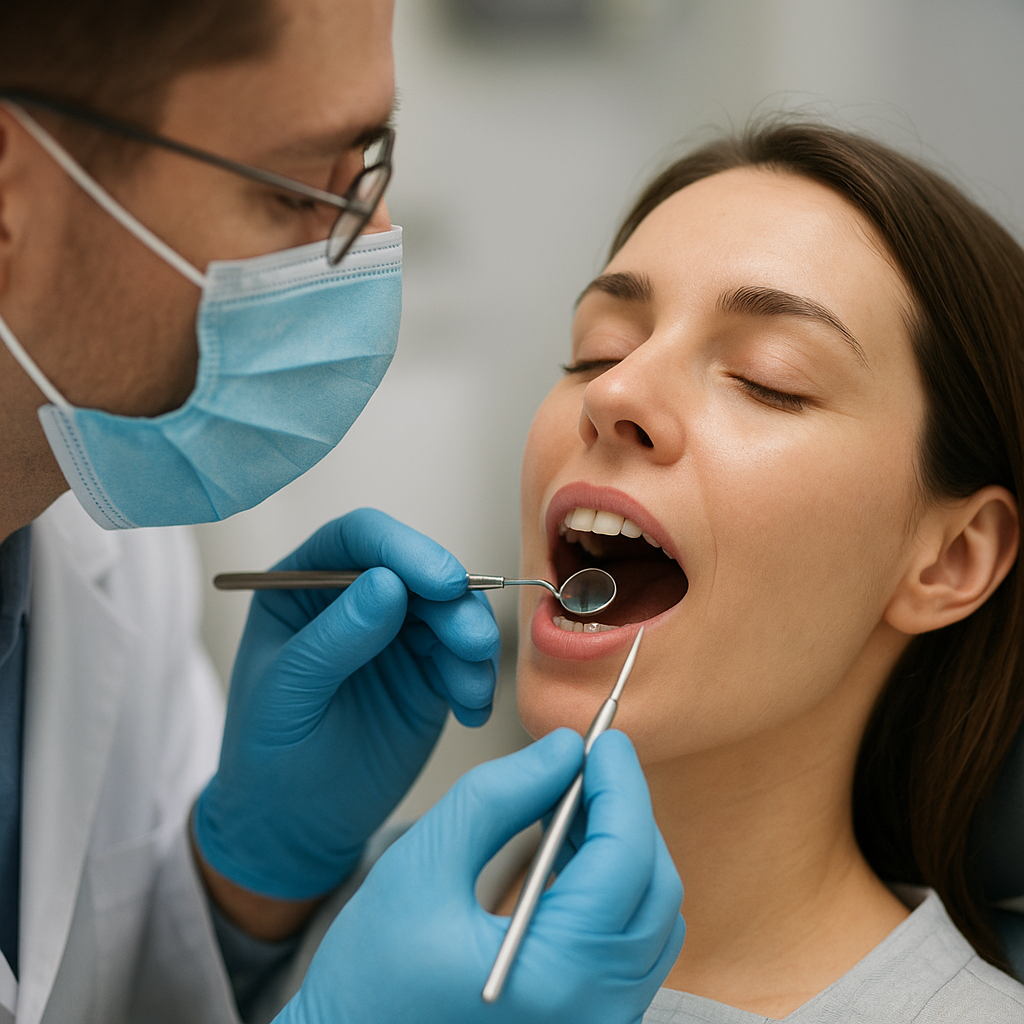
- Schedule Routine Checkups: Professional cleanings and exams allow early detection of weak spots or cavities.
- Avoid Hard Foods: Refrain from biting ice, hard candy, or using teeth to open packages.
- Address Teeth Grinding: If you clench or grind your teeth at night, consider a night guard to protect enamel from fracture.
Tips for Managing Pain and Discomfort
Even after initial treatment, lingering sensitivity or soreness can persist. These practical measures can help you stay comfortable:
- Continue using warm saltwater rinses (½ teaspoon of salt in 8 oz. of water) two to three times daily to reduce inflammation and disinfect the area.
- Eat soft foods, such as yogurt, mashed potatoes, or smoothies, avoiding crunchy or sticky items.
- Sleep elevated, with an extra pillow under your head, to prevent fluid accumulation and ease pressure around the injury site.
- Apply a topical dental anesthetic gel to reduce localized pain, following product guidelines carefully.
- Maintain communication with your dentist: report any new or worsening symptoms promptly to ensure optimal healing.
Special Considerations for Children and Seniors
Age-specific factors can affect how dental emergencies are managed.
- Children: Baby teeth usually do not require reimplantation if knocked out, but you should still consult a dentist to prevent issues with permanent tooth development.
- Seniors: Those with weakened bones or on certain medications (like blood thinners) may experience more severe bleeding or slower healing times; ensure your dental provider is aware of your medical history.
By staying prepared and informed, you can act quickly, minimize damage, and alleviate pain during unexpected dental emergencies. Remember, timely professional care combined with proper first-aid steps greatly improves outcomes and preserves your oral health.