Ensuring the long-term oral health of young patients is a central goal for every dental professional. Among the various preventive tools available, sealants stand out as a simple yet highly cost-effective solution. By creating a physical barrier on the grooves of molars and premolars, these thin coatings help protect delicate tooth surfaces from food debris and acids. This article explores the many advantages and practical considerations surrounding the use of dental sealants in children, drawing on the latest evidence-based research and clinical guidelines.
What Are Dental Sealants?
Dental sealants are thin, plastic coatings applied to the chewing surfaces of back teeth, especially the permanent molars and premolars. These surfaces feature deep pits and fissures where bacteria can easily accumulate, increasing the risk of cavities. By filling in these grooves, sealants create a smooth, protective layer that prevents bacteria and acids from reaching enamel.
Composition and Types
- Resin-based sealants – Made of a plastic material, they bond well to enamel and are the most commonly used.
- Glass ionomer sealants – Release fluoride over time, offering an added mineralizing benefit, although they may wear faster.
- Polyacid-modified resin sealants – Combine features of resin and glass ionomer, with moderate fluoride release and good durability.
How Sealants Protect Against Cavities
The early stages of tooth decay often occur in the fissures of molars, where brushing can be less effective. Sealants act as a physical shield, blocking out food particles and bacterial acids. Clinical trials have demonstrated that properly applied sealants can reduce the risk of occlusal caries by up to 80% in the first two years and remain significantly effective for at least four years.
Barrier Effect and Remineralization
Once in place, sealants not only isolate the enamel from cariogenic challenges but can also facilitate remineralization. Some fluoride-releasing variants promote the uptake of calcium and phosphate ions, strengthening the underlying enamel and further reducing the probability of lesion formation.
Application Procedure and Safety
One of the key advantages of sealants is the straightforward application process, which can often be completed in a single office visit without the need for anesthesia.
- Step 1: Cleaning – The tooth surface is cleaned to remove plaque and debris.
- Step 2: Etching – A mild acid solution or gel is applied to roughen the enamel surface, improving adhesion.
- Step 3: Rinsing and Drying – The etchant is rinsed off and the tooth is thoroughly dried to avoid moisture-related bond failure.
- Step 4: Sealant Placement – The sealant material is carefully painted into the pits and fissures.
- Step 5: Curing – A blue light is used to polymerize (harden) the resin-based sealant.
Throughout the procedure, it is crucial to maintain a dry field. Rubber dams or cotton rolls can help achieve this, minimizing the risk of contamination and ensuring optimal bond strength.
Safety Considerations
Several studies have examined the biocompatibility of sealant materials, finding minimal risk of adverse effects. The use of BPA-free formulations further alleviates parental concerns regarding endocrine disruptors. Moreover, since sealants are a non-invasive, preventive intervention, they preserve the enamel and avoid the need for more extensive restorative work later on.
Long-Term Benefits and Maintenance
While sealants are durable, they are not permanent. Regular dental check-ups are essential to monitor the integrity of the sealant layer and reapply as needed. The following points highlight the sustained advantages:
- Extended protection – With periodic evaluation, sealants can protect vulnerable surfaces for up to 10 years.
- Early intervention – Identifying minor wear or loss of sealant allows for prompt touch-ups, preventing the progression of decay.
- Enhanced oral hygiene – By simplifying the tooth surface, sealants make brushing more effective and reduce bacterial retention.
- Cost savings – Preventing cavities negates the need for fillings, crowns, or extractions, reducing long-term treatment expenses.
Parents should be advised to encourage good oral habits at home, including daily flossing, brushing with fluoride toothpaste, and limiting sugary snacks, to complement the sealant’s protective role.
Recommendations for Parents and Caregivers
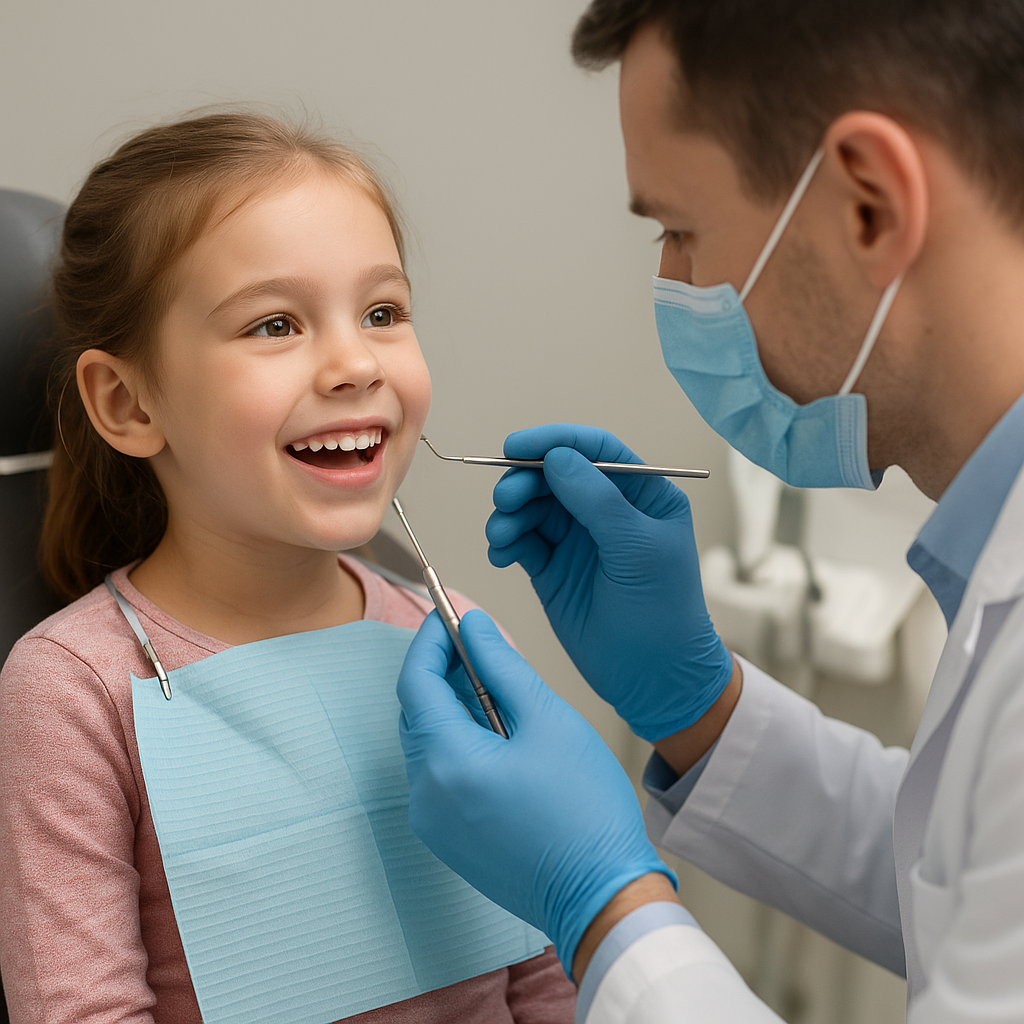
Early dental visits play a key role in implementing preventive strategies. The American Dental Association recommends that children receive sealants as soon as their permanent molars erupt, typically around ages 6 and 12. To maximize the benefit:
- Schedule a sealant assessment soon after molar eruption.
- Discuss with the dentist the most suitable sealant material based on the child’s risk profile.
- Maintain routine dental appointments every six months for sealant checks and professional cleanings.
- Educate children about the importance of avoiding hard or sticky foods that might chip the sealant.
By integrating sealants into a comprehensive preventive plan, parents can actively contribute to their child’s lifelong oral health and well-being.
Supporting Evidence and Guidelines
Major health organizations, including the Centers for Disease Control and Prevention and the World Health Organization, endorse sealants as an effective public health measure to combat dental caries. Meta-analyses have shown that communities implementing school-based sealant programs experience significant declines in cavity prevalence among young children.
- CDC Sealant Programs – Demonstrated cost-benefit ratios exceeding 10:1 over five years.
- WHO Recommendations – Inclusion of sealants in national oral health policies as a key preventive tool.
- Professional Standards – Regular updates from dental associations emphasize the integration of sealants with fluoride varnish treatments for synergistic effects.
These guidelines underscore the role of sealants not only in individual practices but also in broader public health initiatives.