Tooth sensitivity, often described as a sharp pain or discomfort in response to hot, cold, sweet, or acidic stimuli, affects millions of people worldwide. Understanding the underlying mechanisms and exploring effective management strategies are crucial for both patients and dental professionals. This article delves into the anatomy behind sensitivity, outlines common triggers, reviews preventive measures, and highlights advanced treatments available in modern dentistry.
Causes of Tooth Sensitivity
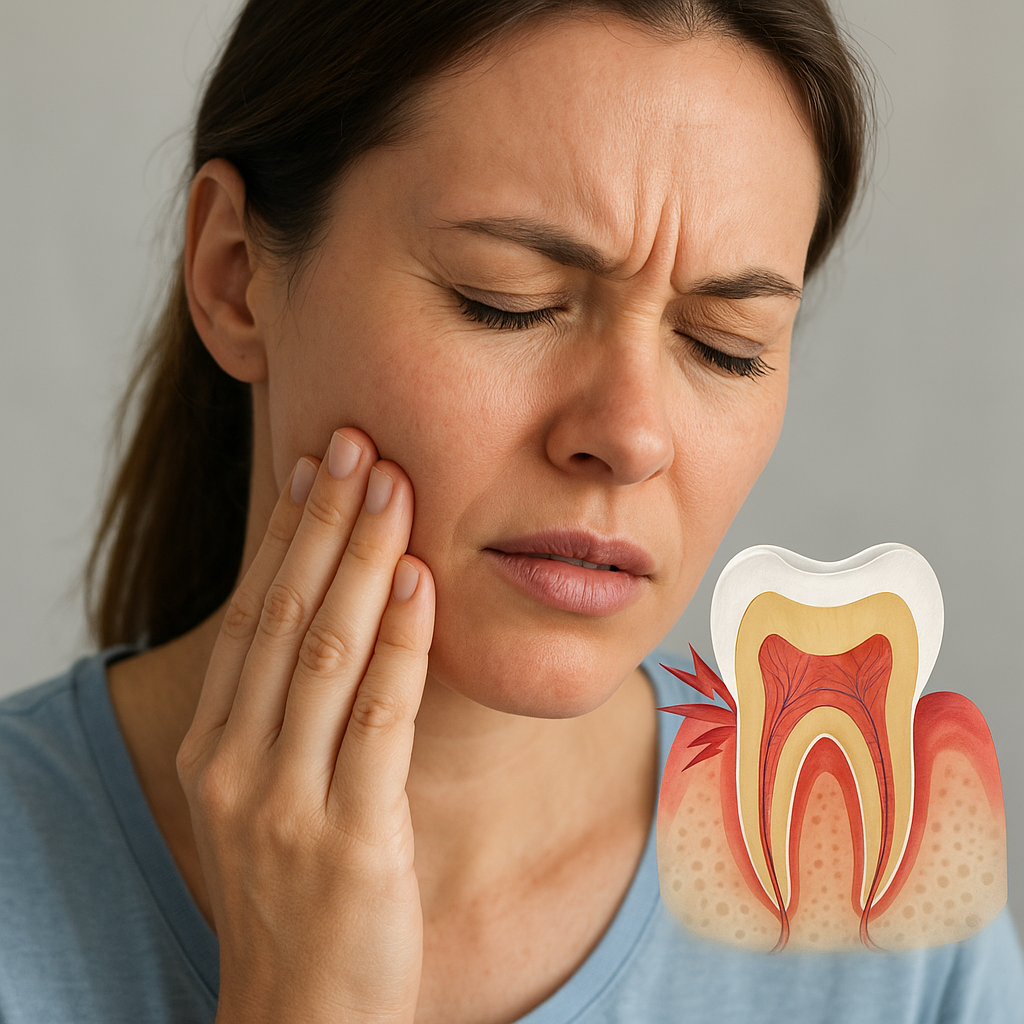
Enamel wear, gum recession, and microfractures all expose the inner layer of a tooth, where the dentin and its microscopic tubules connect to the tooth’s nerves. When stimuli reach the tubules, fluid movement stimulates nerve endings, resulting in acute pain known as hypersensitivity.
Enamel Erosion
- Acidic foods and beverages (citrus fruits, sodas) wear away the enamel protective layer.
- Gastroesophageal reflux disease (GERD) can introduce stomach acids to the mouth.
- Frequent consumption of sour candies or sports drinks accelerates mineral loss.
Gum Recession
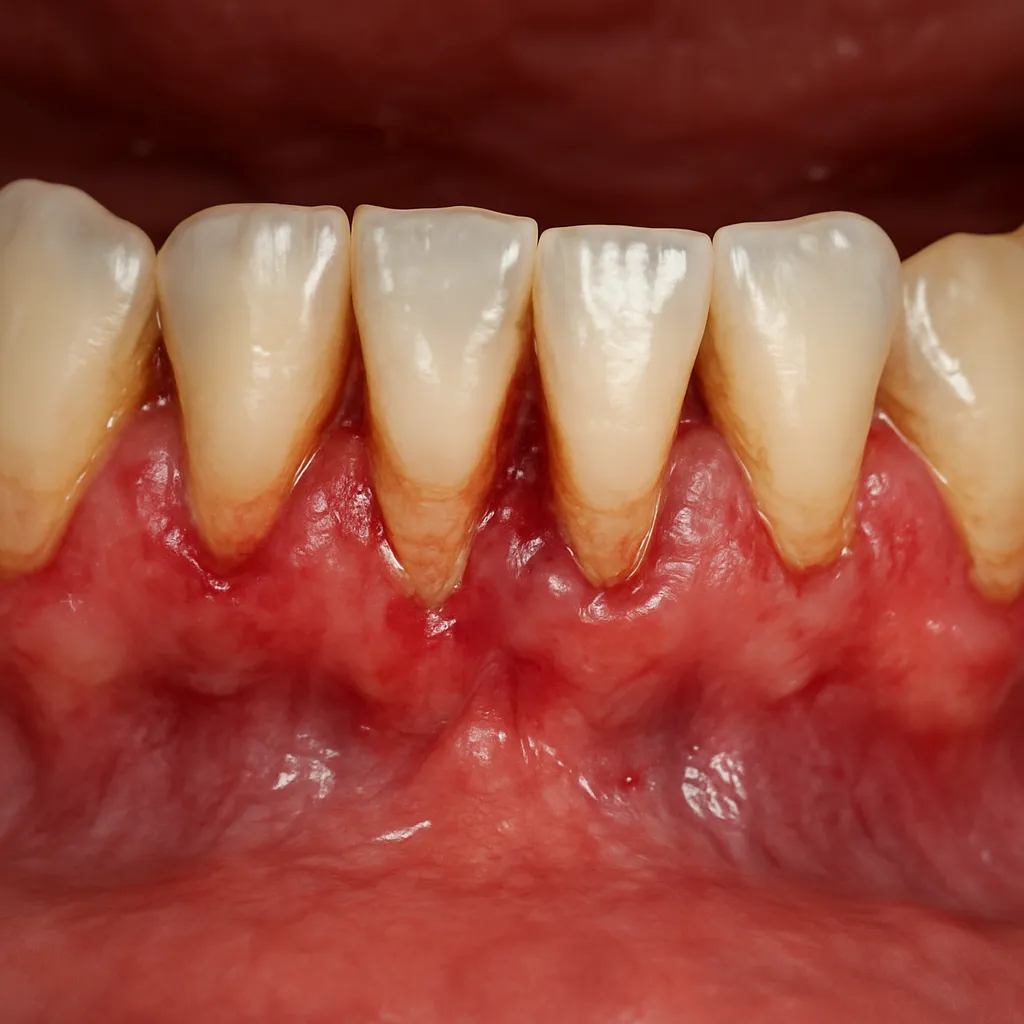
- Aggressive toothbrushing or misaligned teeth can lead to receding gums.
- Periodontal disease causes gum tissue breakdown, exposing root surfaces.
- Exposed roots lack enamel coverage, leaving dentin vulnerable to thermal changes.
Structural Damage and Dental Procedures
- Cracked teeth permit bacterial invasion and thermal conduction.
- Recent whitening treatments may temporarily heighten sensitivity.
- Restorative work (crowns, fillings) can transiently irritate dental nerves.
Prevention and At-Home Management
Early intervention and proper oral hygiene practices help maintain enamel integrity and control sensitivity. Patients should adopt gentle, consistent routines and make informed dietary choices.
Gentle Brushing Technique
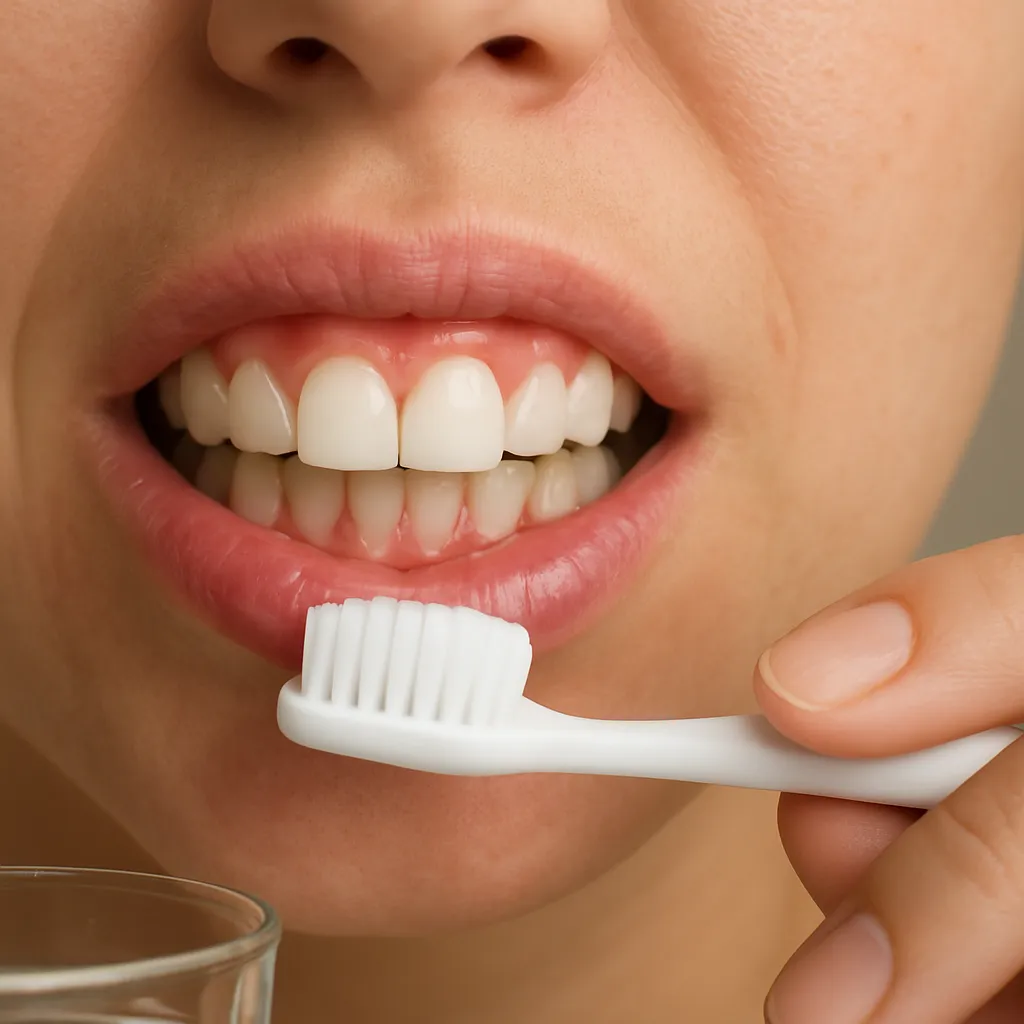
- Use a soft-bristled toothbrush; avoid scrubbing motions that compromise enamel.
- Apply minimal pressure; let bristles glide over tooth surfaces.
- Brush for two minutes twice a day with non-abrasive toothpaste.
Desensitizing Toothpastes and Rinses
Products containing potassium nitrate or stannous fluoride can block nerve impulses or reinforce weakened areas. These formulations require consistent use—typically four weeks—to achieve noticeable relief.
Dietary Modifications
- Limit acidic or sugary snacks that erode enamel.
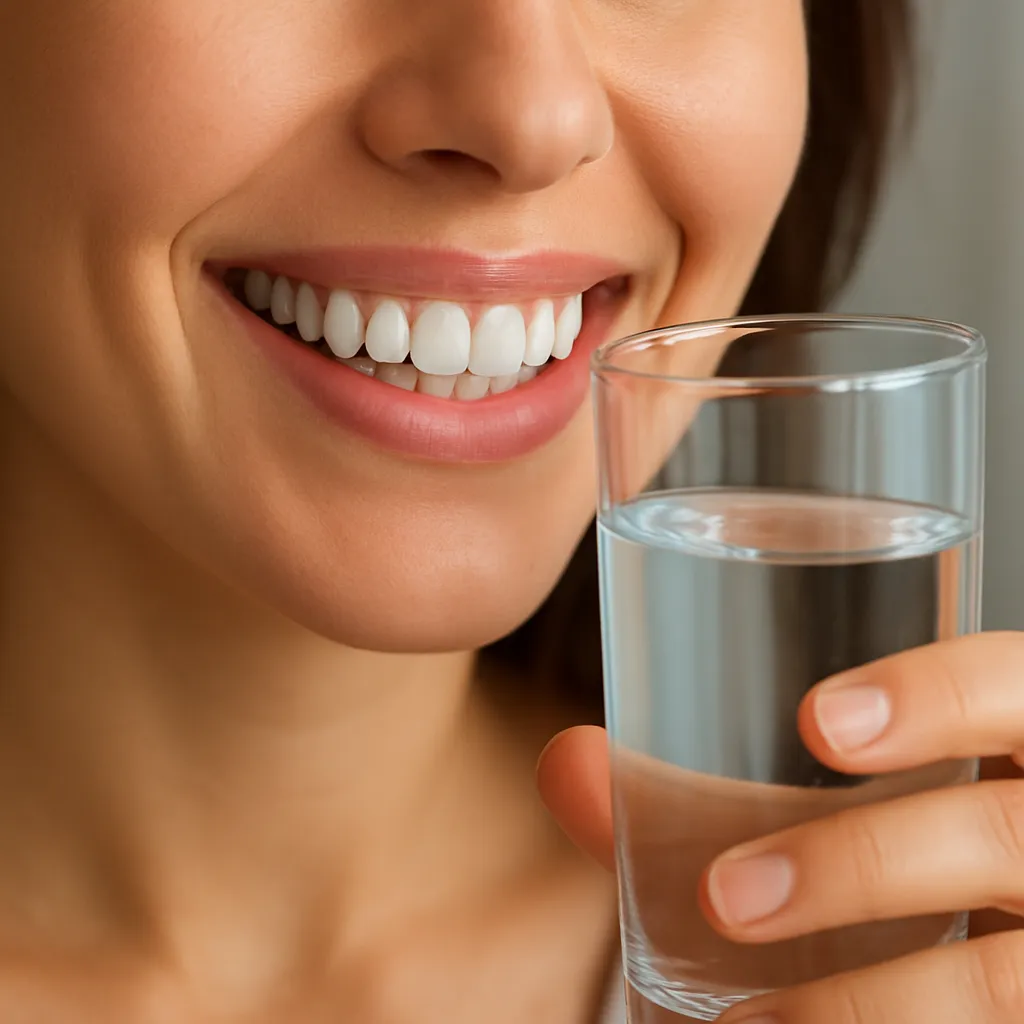
- Rinse with water after consuming acidic drinks; wait 30 minutes before brushing.
- Incorporate dairy products or sugar-free chewing gum to stimulate saliva flow and remineralization.
Professional Treatments and When to See a Dentist
If sensitivity persists despite home care, a visit to a dental professional is essential. Dentists can diagnose underlying conditions and offer targeted therapies.
Fluoride Varnish and Sealants
In-office application of concentrated fluoride varnishes or sealants creates a protective layer over exposed tubules, reducing fluid exchange and pain.
Bonding and Resin Infiltration
Composite resins can fill in worn enamel or cover root exposures. This procedure restores occlusal contours and shields dentin from external stimuli.
Gum Grafts and Periodontal Therapy
For sensitivity due to recession, periodontal surgical techniques reposition or replace lost gum tissue. Periodontal grafts protect root surfaces and enhance aesthetic outcomes.
Root Canal Treatment
When severe damage or deep infection triggers persistent pain, endodontic therapy removes inflamed pulp, eliminates bacterial reservoirs, and seals the canal, providing definitive relief.
Advances in Research and Emerging Technologies
Cutting-edge developments aim to provide longer-lasting and more comfortable solutions for sensitive teeth.
Laser Therapy
Low-level laser treatments target nerve endings and promote tertiary dentin formation. Studies suggest a reduction in pain after a series of sessions.
Nanotechnology and Bioactive Materials
Researchers are exploring nanoparticles that deposit hydroxyapatite crystals within tubules. These bioactive agents mimic natural enamel and may offer sustained protection.
Innovative Adhesives and Coatings
New generations of desensitizing agents combine bonding chemistry with antimicrobial properties. Terms like laser-enhanced bonding and microinvasive sealants appear in recent clinical trials.
Behavioral Considerations and Lifestyle Tips
Beyond clinical treatments, patient habits play a vital role in managing sensitivity and preserving long-term oral health.
- Schedule regular dental check-ups every six months to monitor wear patterns and address issues early.
- Avoid clenching or grinding; consider a custom-made night guard if bruxism is detected.
- Stay hydrated to maintain adequate salivary flow, which buffers acids and delivers minerals.
- Use mouthguards during sports to prevent fractures that lead to sensitivity.
- A balanced diet rich in calcium and vitamin D supports robust tooth structure and resilience.