Fluoride has become a cornerstone of modern pediatric dentistry, offering a powerful tool in the fight against tooth decay. By understanding how this naturally occurring mineral works, parents and caregivers can make informed decisions about their child’s oral care regimen. This article delves into the science behind fluoride, its benefits for young mouths, safe usage guidelines, and the impact of community water fluoridation on public health.
Understanding the Role of Fluoride
What Is Fluoride?
Fluoride is a form of the chemical element fluorine that is found in water, soil, plants, and some foods. In dentistry, it is widely used in topical applications such as toothpaste, mouth rinses, and varnishes, as well as in systemic forms like fluoridated water and dietary supplements. The primary purpose of fluoride in oral care is to strengthen tooth enamel, making it more resistant to acid attacks from bacteria.
How Fluoride Works
The primary mechanism of fluoride involves three key processes:
- Remineralization: Fluoride attracts minerals such as calcium and phosphate, helping to rebuild the microscopic enamel defects caused by bacterial acids.
- Enamel Strengthening: Fluoride incorporates into the enamel structure, forming a stronger, more acid-resistant material called fluorapatite.
- Anti-bacterial Action: At higher concentrations, fluoride can inhibit the growth and metabolism of oral bacteria, reducing acid production and subsequent decay.
Through these effects, fluoride serves as a vital defense against the early stages of cavity formation and enamel erosion.
Benefits of Fluoride for Young Smiles
Cavity Prevention
Dental caries, commonly known as cavities, remain one of the most prevalent chronic diseases in children. Regular exposure to fluoride has been shown to reduce the incidence of new caries by up to 50–70%. When children brush with a fluoride toothpaste twice daily, they actively reinforce their tooth surfaces, lowering the risk of acid-induced demineralization.
Remineralization and Enamel Repair
Early enamel damage can often be reversed if treated promptly. Low levels of fluoride in the mouth create a reservoir that sustains remineralization. This process not only halts the progression of initial lesions but also repairs them, reducing the need for more invasive dental procedures. A child’s enamel is still developing and may be thinner than an adult’s; thus, fluoride-enhanced enamel offers a stronger barrier against future attacks.
Supporting Overall Oral Health
Beyond cavities, fluoride contributes to broader oral health benefits. It helps maintain the smoothness and integrity of the tooth surface, making it harder for plaque to stick. Studies also indicate that communities with optimized fluoride levels enjoy lower rates of gum disease and tooth sensitivity in young populations.
Safe Usage and Professional Guidelines
Topical versus Systemic Fluoride
Fluoride can be administered in two primary ways:
- Topical applications, including toothpastes, gels, and varnishes applied directly to the teeth by a dentist or at home.
- Systemic intake, such as drinking fluoridated water or taking oral supplements, which become incorporated into developing teeth before they erupt.
Topical methods provide immediate protection and are generally considered safe for children of all ages. Systemic intake must be monitored to avoid excessive consumption, which can lead to dental fluorosis—a cosmetic condition characterized by faint white lines or streaks on the teeth.
Recommended Dosages and Age Considerations
Healthcare professionals offer these general guidelines for pediatric fluoride use:
- Infants up to 6 months: No fluoride supplementation if drinking optimally fluoridated water.
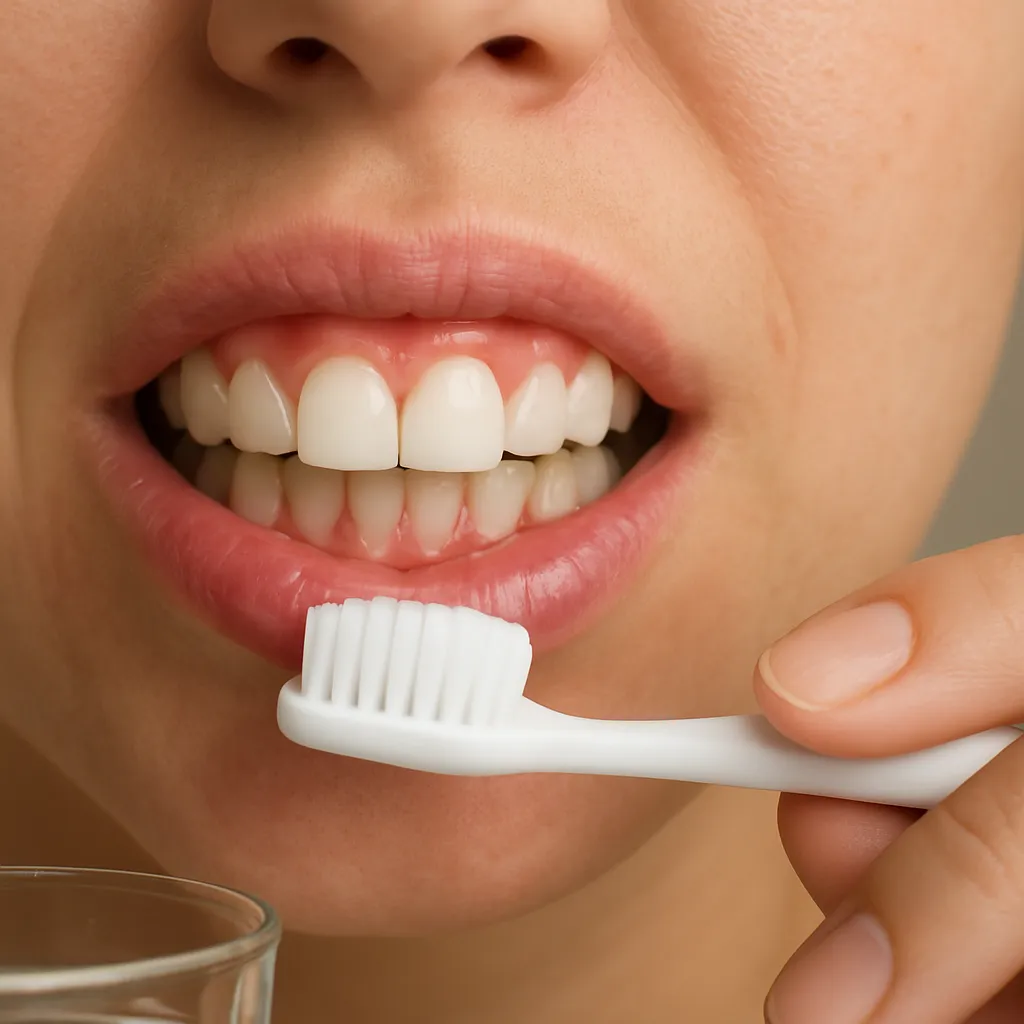
- Children 6 months–3 years: A smear (rice-sized amount) of fluoride toothpaste twice daily.
- Children 3–6 years: A pea-sized dab of fluoride toothpaste twice daily; supervise brushing to minimize swallowing.
- Children over 6 years: Standard adult fluoride toothpaste twice daily.
Parents should consult with a pediatric dentist to determine if additional supplements are necessary, especially in areas without community water fluoridation.
The Impact of Community Water Fluoridation
Public Health Achievement
Community water fluoridation is recognized by health authorities worldwide as one of the most effective measures to prevent tooth decay on a population level. By adjusting fluoride concentrations to optimal levels, municipalities provide equitable access to decay prevention for all residents, regardless of age, income, or access to dental services.
Economic and Social Benefits
- Reduced dental treatment costs for families and healthcare systems.
- Lower rates of school absenteeism due to dental pain or infection.
- Improved quality of life and overall well-being among community members.
Long-term studies confirm that every dollar invested in water fluoridation saves multiple dollars in restorative dental care.
Collaboration Between Parents and Professionals
Regular Dental Checkups
Frequent visits to a pediatric dentist are crucial for monitoring fluoride exposure, assessing eruption patterns, and providing professional topical treatments. During these appointments, specialists can address concerns about dosage, technique, and emerging oral health issues.
Home Care and Education
Empowering parents with the right knowledge fosters lifelong healthy habits. Demonstrations on proper brushing techniques, age-appropriate fluoride use, and nutrition counseling all contribute to sustaining the protective effects of fluoride. Encouraging balanced diets low in sugar and acidic foods further enhances enamel resilience.
Addressing Myths and Misconceptions
Debunking Common Fears
Misinformation about fluoride often centers on safety and potential toxicity. However, when used according to professional guidelines, the risk of adverse effects is extremely low. Dental fluorosis at mild levels is primarily an aesthetic concern and does not compromise tooth function. Ongoing research continues to reaffirm fluoride’s safety and efficacy in pediatric dentistry.
Evidence-Based Advocacy
Leading health organizations, including the World Health Organization and the American Academy of Pediatric Dentistry, endorse fluoridation as a safe, cost-effective measure to reduce dental caries. By relying on peer-reviewed studies and consensus guidelines, the dental profession ensures that fluoride recommendations are grounded in rigorous scientific evidence.
Future Directions in Fluoride Research
Innovative Delivery Systems
Advancements in nanotechnology and controlled-release devices promise to enhance fluoride delivery directly to vulnerable enamel sites. Emerging materials may provide longer-lasting protection and targeted remineralization for children at high risk of decay.
Personalized Preventive Strategies
Genetic and microbiome studies are paving the way for customized oral care plans. By identifying children most susceptible to caries, clinicians can tailor fluoride therapies and other preventive measures to each patient’s unique risk profile.
Incorporating these innovations into pediatric dental practice will further strengthen the role of fluoride in promoting lifelong prevention of tooth decay and maintaining optimal oral health for every child.