Maintaining excellent oral health begins with mastering the fundamentals of tooth brushing. A consistent and effective routine not only helps prevent cavities and gum disease but also contributes to fresh breath and a radiant smile. By understanding the mechanics behind brushing and making informed choices about your dental tools, you can significantly reduce the risk of dental problems and enhance overall well-being.
Understanding the Importance of Proper Brushing
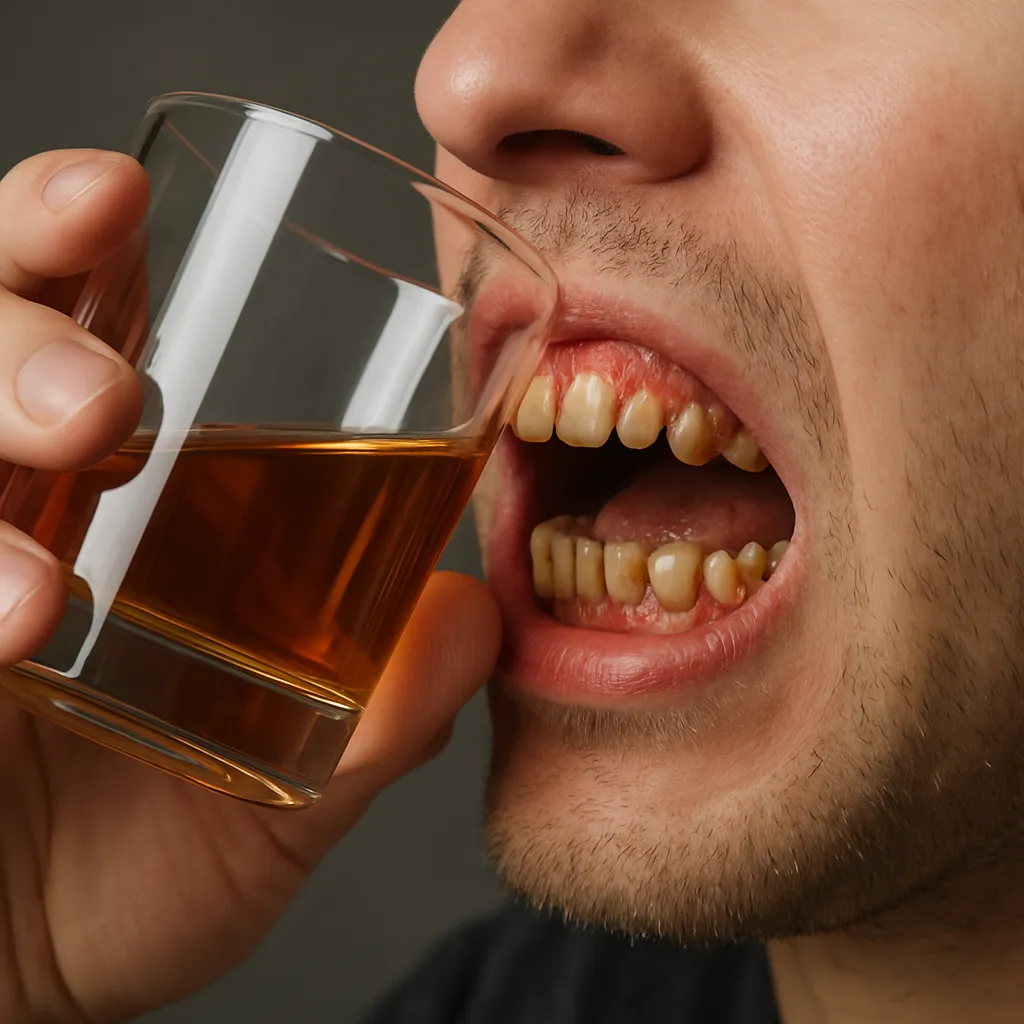
Brushing your teeth serves as the first line of defense against the buildup of plaque—a sticky film teeming with harmful bacteria. If left unchecked, plaque can erode tooth enamel and inflame gums, leading to conditions such as gingivitis and eventually more serious periodontal disease. When you brush correctly, you:
- Disrupt and remove plaque, preventing acid attacks on enamel.
- Stimulate gum tissue, improving blood circulation and health.
- Freshen breath by eliminating odor-causing particles.
Regular brushing also complements the natural cleansing action of saliva, creating a balanced oral environment that resists decay. Without proper technique, even the best toothbrush or toothpaste may fail to reach hidden crevices or effectively clean the gumline.
Choosing the Right Toothbrush and Toothpaste
Selecting appropriate dental products is crucial. The market offers a vast array of options, so focus on quality over gimmicks. Keep these factors in mind:
Toothbrush Selection
- Bristles – Opt for soft or extra-soft nylon bristles to protect enamel and gums. Hard bristles can cause abrasion and gum recession.
- Handle Design – Choose a handle that feels comfortable and offers a non-slip grip. Ergonomic designs facilitate precise movements.
- Size – The brush head should fit easily inside your mouth, covering two to three teeth at a time.
- Electric vs. Manual – While both can be effective, electric brushes with oscillating or sonic technology may remove more plaque for some users.
Toothpaste Selection
- Fluoride Content – Ensure your toothpaste contains fluoride to reinforce enamel and fight cavity-causing bacteria.
- Specialized Formulas – Look for toothpastes designed for sensitivity, tartar control, whitening, or gum health, depending on your needs.
- Abrasivity – Avoid highly abrasive formulations if you have exposed dentin or enamel erosion.
Additionally, consider rinsing with an antimicrobial mouthwash or chewing sugar-free gum containing xylitol to extend protection between brushing sessions.
Step-by-Step Brushing Method
Adopting a systematic approach ensures every surface receives adequate attention. Follow these guidelines:
1. Prepare Your Toothbrush
- Rinse the brush under running water to soften bristles.
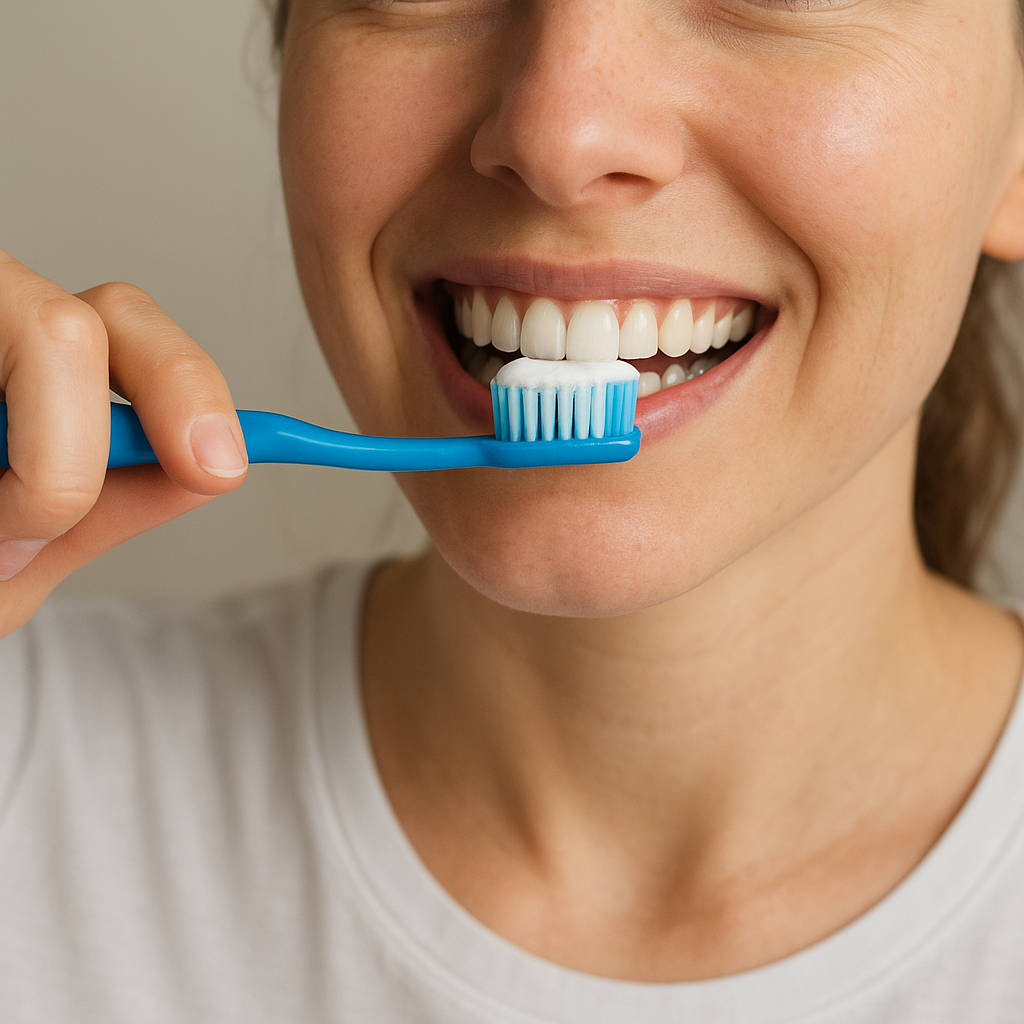
- Apply a pea-sized amount of toothpaste evenly across the bristles.
2. Angle and Position
- Hold the brush at a 45-degree angle toward the gumline.
- Work on small sections—typically two to three teeth at a time.
3. Gentle, Short Strokes
- Use light pressure to avoid damaging enamel or irritating gums.
- Brush in gentle back-and-forth or circular motions, focusing on the outer, inner, and chewing surfaces of each tooth.
4. Inner Surfaces
- Tilt the brush vertically and make several up-and-down strokes to clean the inner surfaces of front teeth.
5. Chewing Surfaces
- Use a firm but gentle scrubbing motion to dislodge food particles lodged in pits and grooves.
6. Tongue and Roof
- Lightly brush your tongue and the roof of your mouth to remove bacteria that cause bad breath.
7. Rinse Thoroughly
- Rinse your mouth with water or mouthwash to flush away loosened debris and residual toothpaste.
Spend at least two minutes brushing—many smartphones or electric brushes have built-in timers to help you meet this goal. Divide the mouth into quadrants and spend roughly 30 seconds on each.
Complementary Oral Hygiene Practices
To achieve truly comprehensive care, integrate additional methods that target areas beyond the reach of your toothbrush:
Interdental Cleaning
- Use dental floss or interdental brushes to clean between teeth where plaque often accumulates.
- Slide the floss gently up and down each tooth surface without snapping, curving it around each tooth in a “C” shape.
Antimicrobial Rinses
- Rinse with alcohol-free mouthwash containing essential oils or chlorhexidine to reduce bacteria and inflammation.
Chewing Gum with Xylitol
- Stimulates saliva flow, neutralizes acids, and limits bacterial growth.
Consistent use of these practices can lower the risk of interproximal cavities, gingival inflammation, and persistent bad breath.
Common Mistakes to Avoid
- Brushing too hard, which can lead to enamel erosion and gum recession.
- Using a worn-out toothbrush—replace every three months or when bristles splay.
- Neglecting the tongue and inner cheeks, where bacteria thrive.
- Rushing through brushing—failing to meet the two-minute minimum.
- Avoiding interdental cleaning, allowing plaque to harden into tartar.
Avoiding these pitfalls allows your routine to deliver maximum benefit and keeps your mouth feeling clean and healthy.
When to Visit Your Dentist
Regular dental check-ups are vital for monitoring oral health and catching issues early. Dentists recommend:
- Routine examinations every six months, or more frequently if you have a history of decay or periodontal disease.
- Professional cleanings to remove tartar that cannot be addressed by brushing alone.
- Assessments of oral tissues for signs of anomalies, infections, or early-stage oral cancers.
During these visits, your dentist will evaluate your brushing technique, offer personalized advice, and recommend treatments such as fluoride varnishes or sealants when necessary.
Empowering Lifelong Oral Health
By mastering proper tooth brushing methods and integrating complementary hygiene practices, you set the foundation for a lifetime of healthy smiles. Remember, the synergy between a quality toothbrush, effective toothpaste, consistent technique, and supportive habits like flossing and mouth rinses is the key to preventing decay and gum disease. Empower yourself with knowledge, stay diligent, and partner with your dental professional to ensure optimal oral wellness.