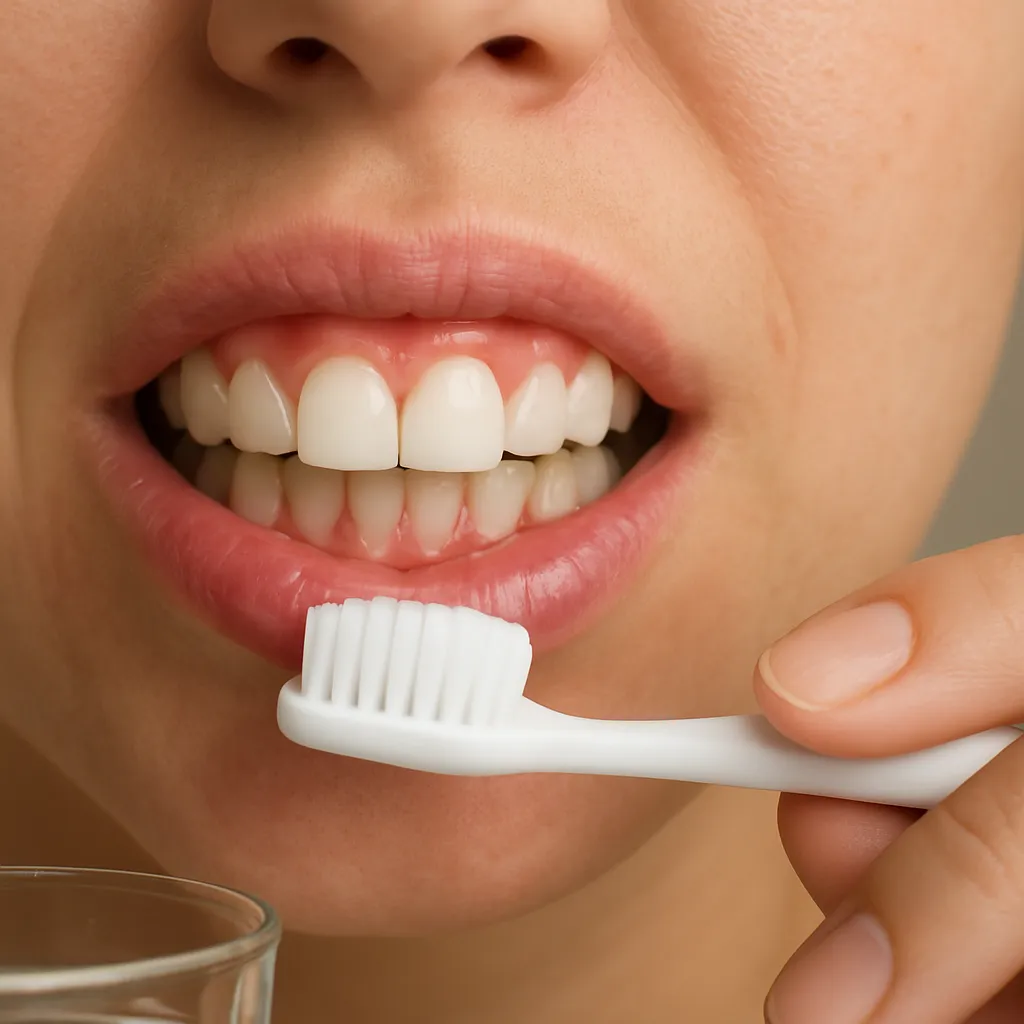
Maintaining optimal oral health goes beyond brushing twice a day. Integrating daily flossing into your routine can have profound effects on your overall dental well‐being. As dental professionals continue to advocate for comprehensive oral care, understanding the science and technique behind flossing is crucial for both patients and practitioners.
The Crucial Role of Flossing in Oral Care
While brushing removes debris from the surfaces of teeth, it often misses the narrow spaces between them. Flossing addresses this gap by targeting the interdental regions where plaque and bacteria thrive. Left unchecked, these microorganisms contribute to gum inflammation, tooth decay, and even more serious conditions such as periodontal disease.
Understanding Plaque and Gingivitis
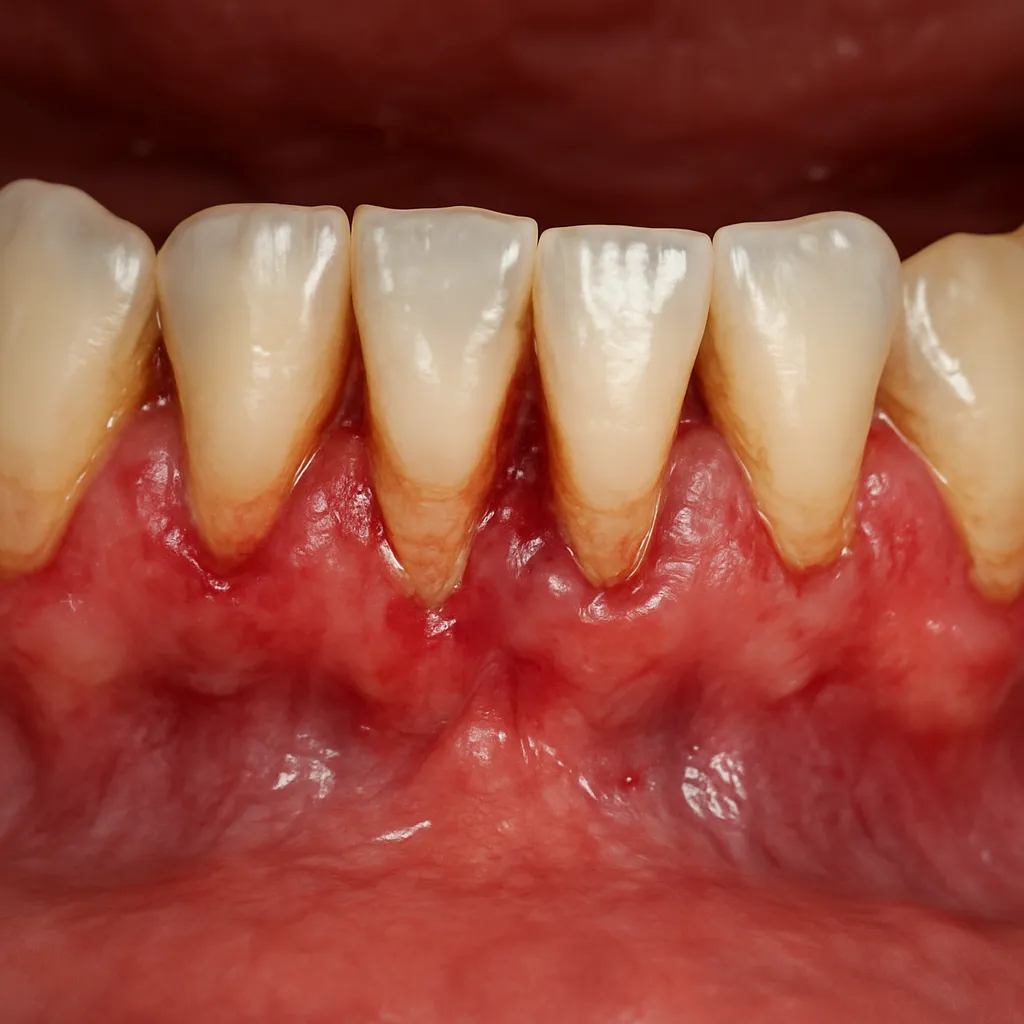
Plaque is a sticky biofilm that forms constantly on tooth surfaces. When sugars from food interact with oral bacteria, acids are produced that can erode enamel. In areas where plaque accumulates undisturbed—particularly between the teeth—the risk of developing cavities and gingivitis rises sharply. Gingivitis, the earliest stage of gum disease, manifests as redness, swelling, and bleeding. Without intervention, it may advance to periodontitis, leading to bone loss and potential tooth mobility.
Scientific Evidence Supporting Flossing
Numerous clinical studies have shown that daily flossing reduces interproximal plaque by up to 80 percent when combined with effective brushing. Regular floss users exhibit a significantly lower incidence of bleeding on probing and reduced pocket depths around the gums. For dental practitioners, these findings reinforce the recommendation that flossing be discussed at every patient visit as an indispensable element of oral hygiene.
Mastering Proper Flossing Techniques
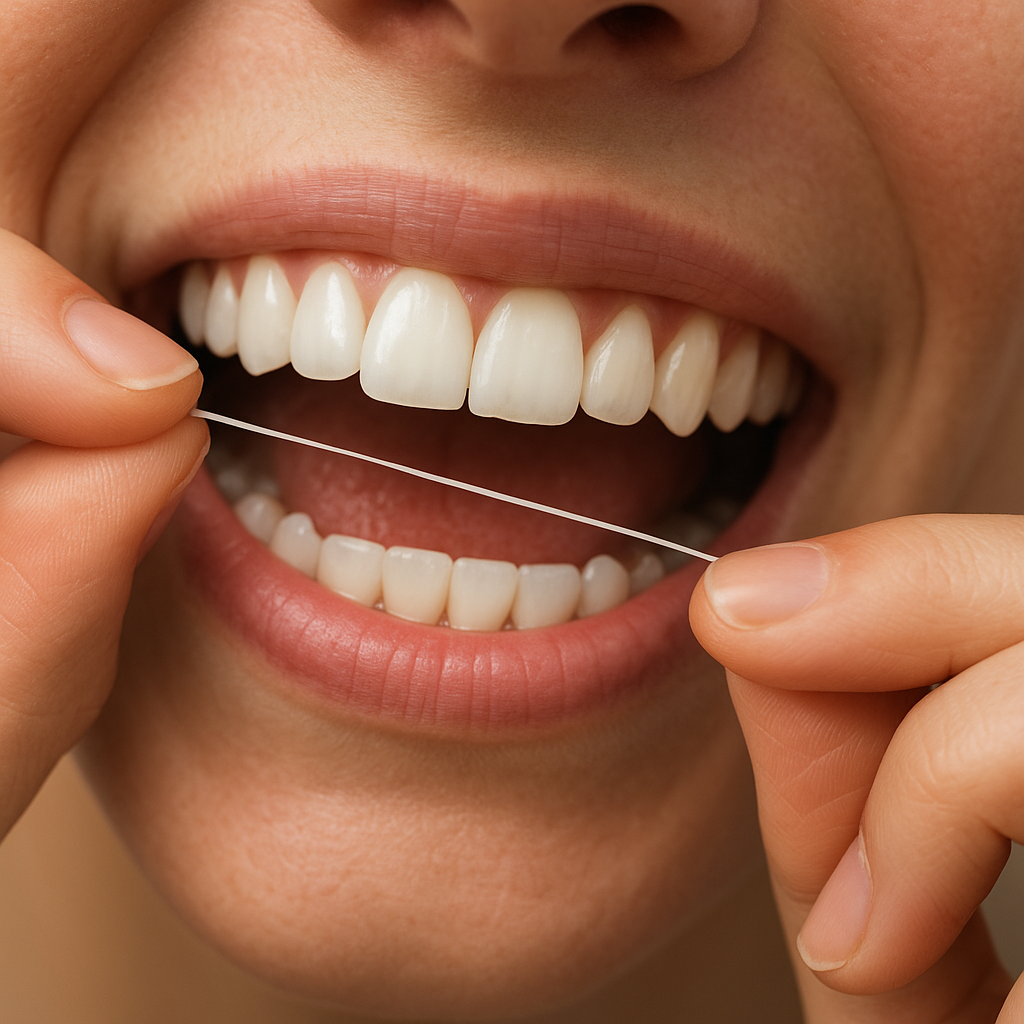
Effective flossing requires more than simply running a strand of thread through your teeth. Proper technique optimizes the removal of plaque and minimizes potential injury to the gingival tissues. Below are key steps to ensure maximum benefit:
Step‐by‐Step Flossing Guide
- Select a piece of floss approximately 18 inches long.
- Wind most of the floss around each middle finger, leaving 1–2 inches for use.
- Hold the floss taut between thumbs and forefingers, gently sliding it between teeth.
- Curve the floss into a C‐shape against one tooth and move it up and down several times.
- Repeat on the adjacent tooth surface before progressing to the next interdental space.
- Use a fresh segment of floss for each gap to avoid transferring bacteria.
This method ensures that plaque is dislodged without causing undue trauma to the soft tissues. Patients should be encouraged to adopt a relaxed posture, allowing clear visibility when flossing, ideally in front of a mirror.
Choosing the Right Floss
- Waxed vs. Unwaxed: Waxed floss glides easily through tight contacts, while unwaxed stands may shred less in wide gaps.
- Dental Tape: Broader and flatter, suitable for patients with wider interdental spaces.
- PTFE Floss: Manufactured from polytetrafluoroethylene, offering superior glide and tear resistance.
- Flavored and Infused Options: Mint, tea tree oil, or fluoride‐infused to enhance freshness and provide additional antimicrobial effects.
Dental professionals should guide patients in selecting a product based on individual anatomy and comfort levels. Demonstrations during appointments can demystify the process and bolster patient confidence.
Overcoming Common Flossing Challenges
Despite widespread acknowledgment of its benefits, many individuals struggle to maintain a consistent flossing regimen. Identifying and addressing these hurdles is essential for long‐term success.
Frequent Mistakes and Corrections
- Rushing Through: Skipping thorough contact cleaning leads to incomplete plaque removal. Solution: Allocate at least two minutes for flossing alone.
- Excessive Force: Snapping floss into the gums can cause bleeding and discomfort. Solution: Use gentle, controlled motions.
- Neglecting Posterior Teeth: Back molars are often avoided due to awkward positioning. Solution: Employ floss holders or picks for better reach.
- Reusing the Same Segment: Transferring bacteria increases infection risk. Solution: Wind fresh floss between fingers for each tooth.
Patient Education Strategies
Effective communication is vital when counseling patients. Dental teams can employ models, visual aids, and hands‐on practice to enhance learning. Incorporating technology—such as intraoral cameras—allows patients to see plaque in real time, reinforcing the need for diligent flossing. Customized recall cards and follow‐up messages help establish accountability and track progress.
Integrating Flossing into Routine Dental Care
Dental practices play a pivotal role in promoting daily flossing as part of a comprehensive care plan. By embedding flossing discussions into every appointment, professionals underscore its importance alongside professional cleanings and exams.
Professional Recommendations and Protocols
- Initial Consultation: Assess baseline oral hygiene habits and demonstrate proper flossing technique.
- Regular Cleanings: Document improvements in interproximal health and reinforce flossing at recall visits.
- Risk Assessment: Identify patients with high caries risk or early signs of gingivitis for intensified instruction.
- Maintenance Programs: Offer group workshops, one‐on‐one coaching, or digital tutorials to support habit formation.
Leveraging Flossing in Special Populations
Certain groups require tailored approaches:
- Pediatrics: Use colorful, flavored flossers to engage children and foster positive experiences.
- Orthodontic Patients: Recommend orthodontic floss threaders or interdental brushes to navigate brackets and wires.
- Elderly or Disabled: Suggest floss holders with extended handles for improved reach and independence.
- Patients with Periodontal Disease: Emphasize multi‐rooted tooth spaces and adjunctive use of antimicrobial rinses.
By adapting flossing tools and techniques, dental teams can ensure all patients derive maximum benefit, regardless of their unique challenges.
Maximizing the Impact of Daily Flossing
When performed correctly and consistently, flossing transforms the oral environment. It disrupts the biofilm, prevents acid attacks on enamel, and fosters healthier gum tissue. Beyond local effects, maintaining healthy teeth and gums contributes to systemic well‐being. Studies link periodontal health to cardiovascular disease, diabetes control, and even adverse pregnancy outcomes.
Creating Lasting Habits
Adherence hinges on simplicity and motivation. Encourage patients to integrate flossing into established routines, such as right after brushing or before bedtime. Offering a variety of floss types allows personalization. Celebrating small milestones—like a full week of uninterrupted flossing—can solidify new habits. Dental apps or text reminders provide modern reinforcement tools, bridging the gap between chairside instruction and home care.
The Future of Interdental Care
Innovations in floss materials, flavored microfibers, and biodegradable options point toward a more sustainable future in oral hygiene. As research continues to unravel the connections between oral biofilms and systemic health, flossing will remain a cornerstone of preventive dentistry. Dental professionals must stay abreast of emerging products and guidelines to deliver the most effective patient education.
Ultimately, the seemingly simple act of flossing holds immense power in safeguarding teeth, preserving gums, and enhancing overall quality of life. By embracing proper technique, addressing barriers, and reinforcing its value at every dental encounter, practitioners ensure that this timeless practice endures as a fundamental pillar of comprehensive oral care.