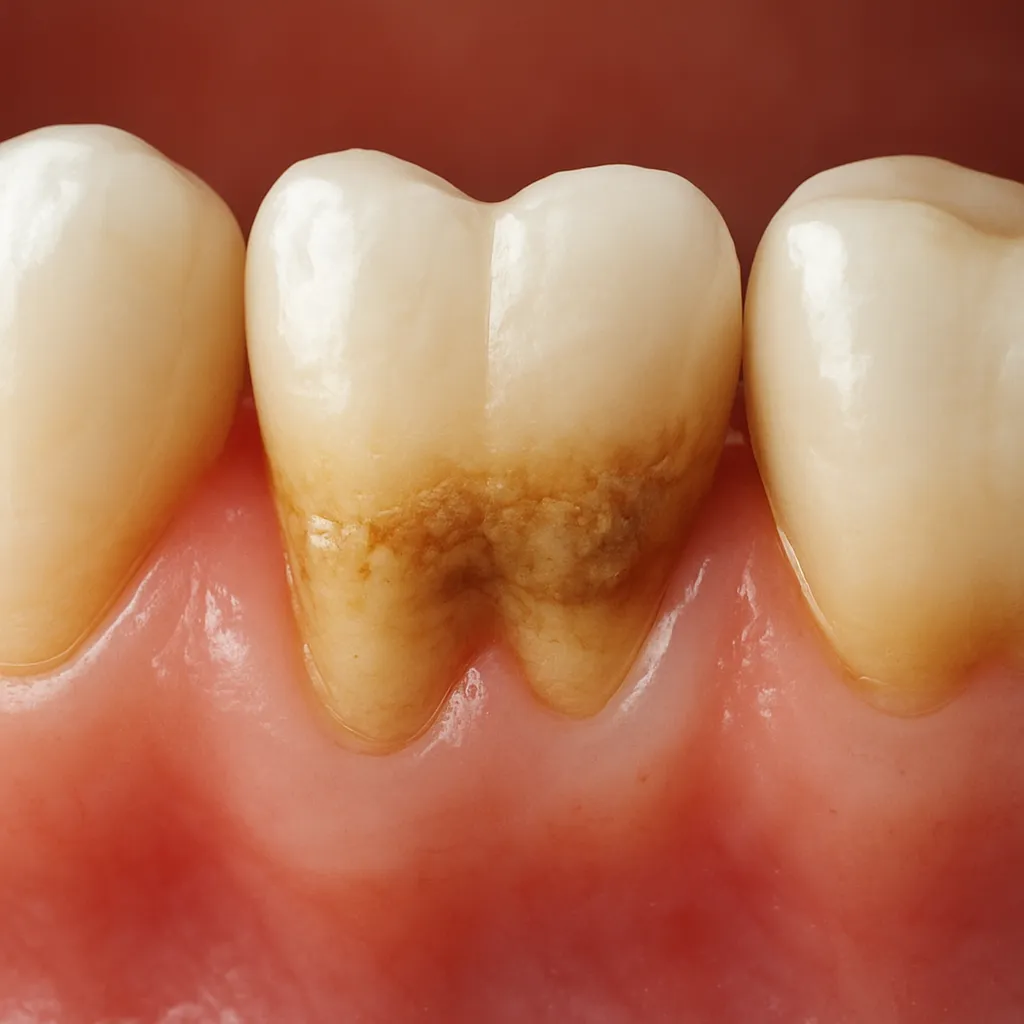
Maintaining a bright smile goes beyond brushing twice a day or scheduling regular checkups with your dentist. What you eat plays a crucial role in strengthening tooth enamel, preventing cavities, and supporting overall oral health. In this article, we will explore how a dentist’s recommendations align with the best nutritional choices to keep your teeth resilient and free from decay.
Nutrition and Dental Health
A well-balanced diet is essential for more than just physical wellness—it has a profound impact on oral structures, including enamel, dentin, and gum tissue. Dentists emphasize that frequent consumption of sugary or acidic foods can lead to enamel erosion and increased risk of cavities. Conversely, incorporating specific nutrients helps with remineralization, the process by which minerals are redeposited in tooth enamel after they have been removed by acids. Key players in this process include calcium, phosphorus, and vitamin D.
When teeth encounter acids from bacteria metabolizing sugars, minerals are stripped away in a process called demineralization. A diet rich in the right foods provides the building blocks for repair and maintenance. By understanding the roles of essential nutrients, patients can make informed choices that align with a dentist’s advice on preventive care.
Essential Nutrients for Strong Teeth
Several nutrients stand out for their capacity to support dental health:
- Calcium: The primary mineral in tooth enamel, calcium fortifies the hard outer layer and helps maintain bone density in the jaw. Dairy products like cheese and yogurt are dentist-recommended sources.
- Phosphorus: Working in tandem with calcium, phosphorus is crucial for rebuilding enamel. It’s abundant in lean meats, poultry, fish, and eggs.
- Vitamin D: Facilitates calcium absorption in the body. While sunlight exposure aids natural synthesis, fatty fish, fortified milk, and supplements can help reach optimal levels.
- Antioxidants: Found in berries, green tea, and certain vegetables, antioxidants protect gum tissue from inflammation caused by plaque bacteria.
- Probiotics: Beneficial bacteria present in fermented foods can help balance oral microflora, reducing the proliferation of decay-causing strains.
Top Foods for Enamel Strength
- Dairy Products
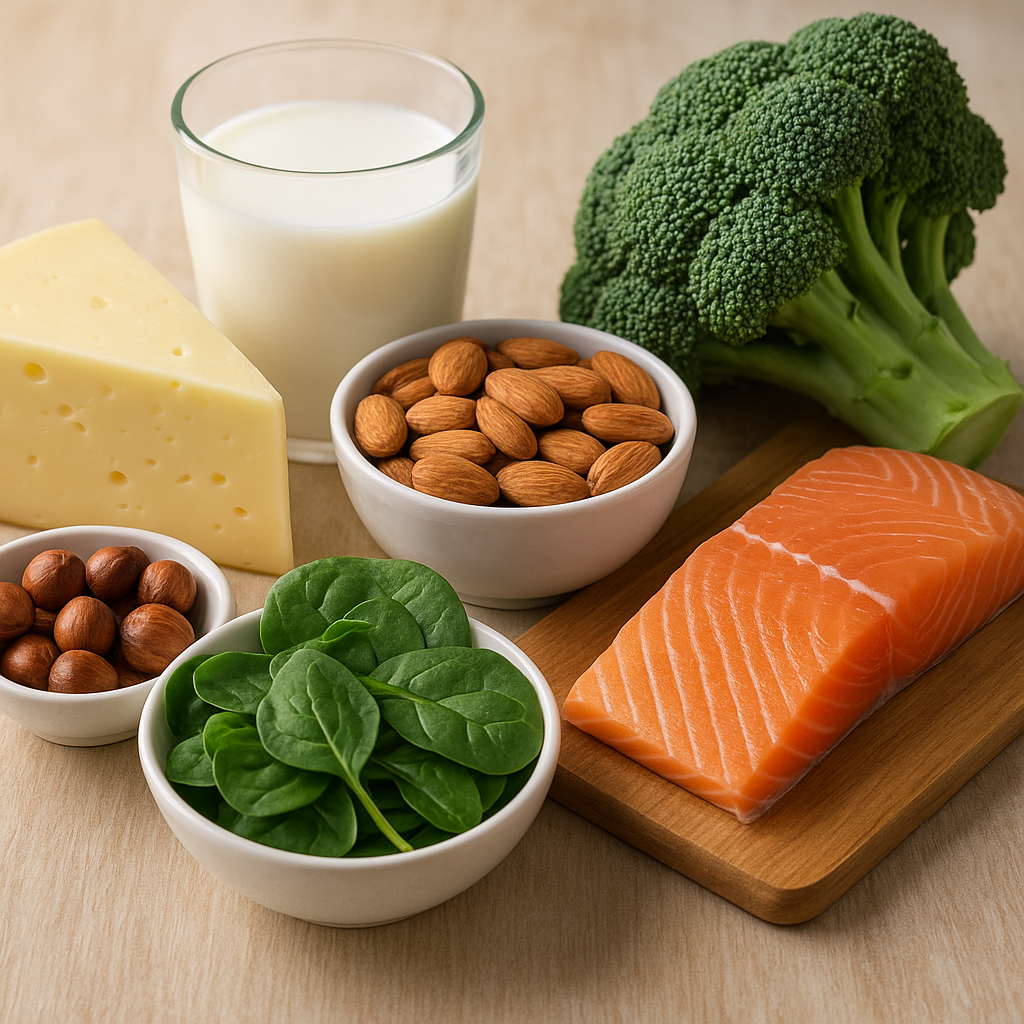
- Cheese increases saliva production, neutralizes acids, and supplies both calcium and phosphorus for enamel repair.
- Yogurt with live cultures offers probiotics that help maintain a balanced oral biome.
- Leafy Greens
- Spinach, kale, and collard greens are packed with calcium and folic acid, supporting healthy gums and reinforcing enamel structure.
- Crunchy Fruits and Vegetables
- Apples, carrots, and celery provide a natural scrubbing action that helps remove plaque, while stimulating saliva flow to buffer acids.
- Nuts and Seeds
- Almonds, sesame seeds, and pumpkin seeds offer a mix of calcium, phosphorus, and healthy fats that contribute to enamel strength and gum health.
- Fatty Fish
- Salmon and mackerel supply vitamin D and omega-3 fatty acids that reduce inflammation and help the body absorb minerals for tooth repair.
- Water
- Critical for hydration and saliva production. Fluoridated water also helps remineralize enamel and prevent decay.
Snacks Recommended by Dentists
Between meals, it’s best to choose options that don’t promote acid attacks or feed harmful bacteria. Dentists often recommend:
- Plain cheese cubes or string cheese
- Unsweetened yogurt topped with nuts
- Sliced vegetables with hummus
- A handful of almonds or walnuts
- Water or herbal tea without sugar
These snacks not only curb hunger but deliver crucial nutrients that reinforce tooth structure rather than undermine it.
Foods to Limit for Optimal Oral Health
While certain items are beneficial, others can be detrimental when consumed excessively. A dentist will often advise reducing intake of:
- Sugary candies and sticky sweets that cling to crevices and feed acid-producing bacteria
- Acidic drinks such as sodas and fruit juices that erode enamel over time
- Starchy snacks like chips, which break down into sugars and encourage plaque formation
- Alcohol and caffeinated beverages that can cause dry mouth and reduce saliva flow
Adopting mindful eating habits—such as drinking water after a sweet treat—can mitigate harmful effects and protect your tooth surface.
Lifestyle Tips to Support Dental Nutrition
Incorporating the right foods is only part of a complete dental care plan. Consider these dentist-approved strategies:
- Brush with a fluoride toothpaste twice daily and floss at least once to remove plaque and food particles.
- Schedule routine checkups and professional cleanings to detect early signs of decay or wear.
- Aim for balanced meals to avoid constant snacking, which prolongs acid attacks on enamel.
- Use a straw when sipping acidic or sugary drinks to minimize contact with teeth.
- Chew sugar-free gum after meals to stimulate saliva and promote remineralization.
Combining proper oral hygiene with nutrient-rich foods amplifies the impact of each approach. Your dentist can tailor recommendations based on individual needs, ensuring a personalized strategy for strong, healthy teeth.