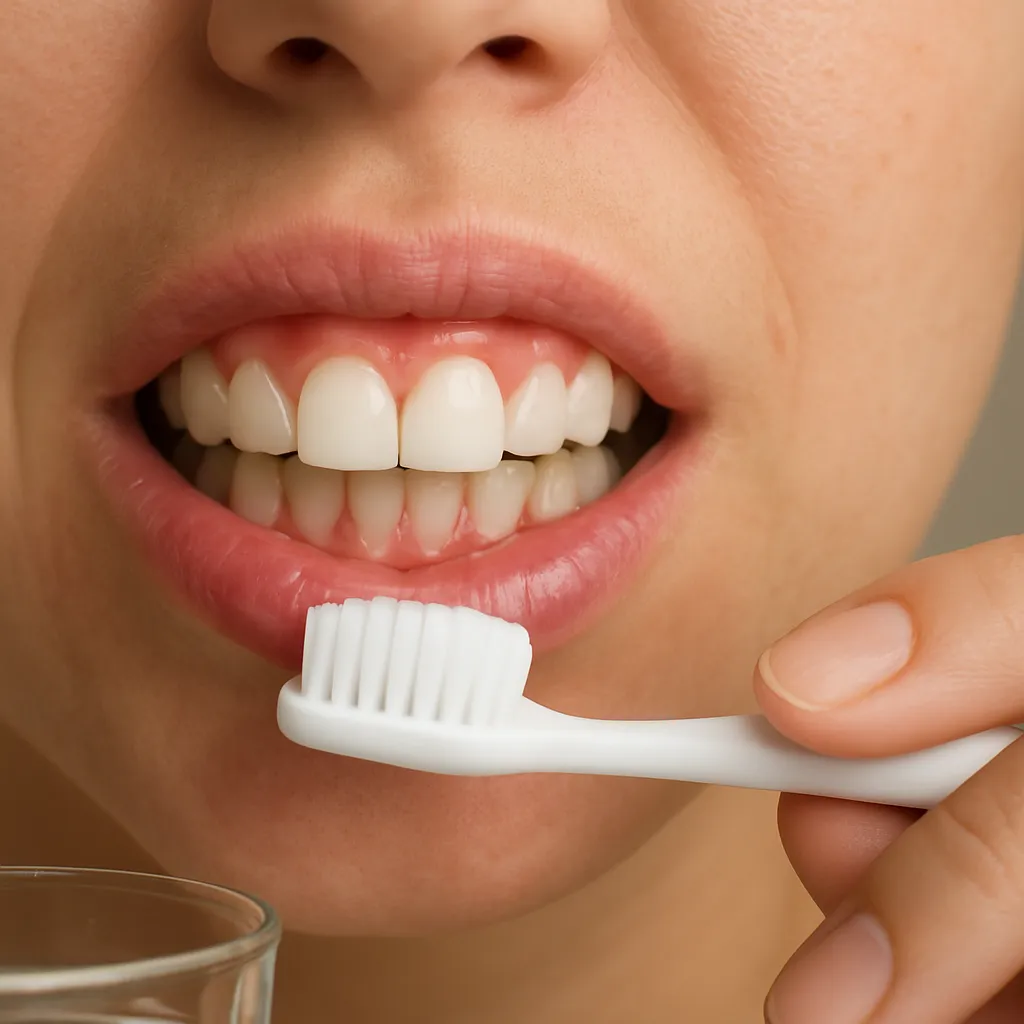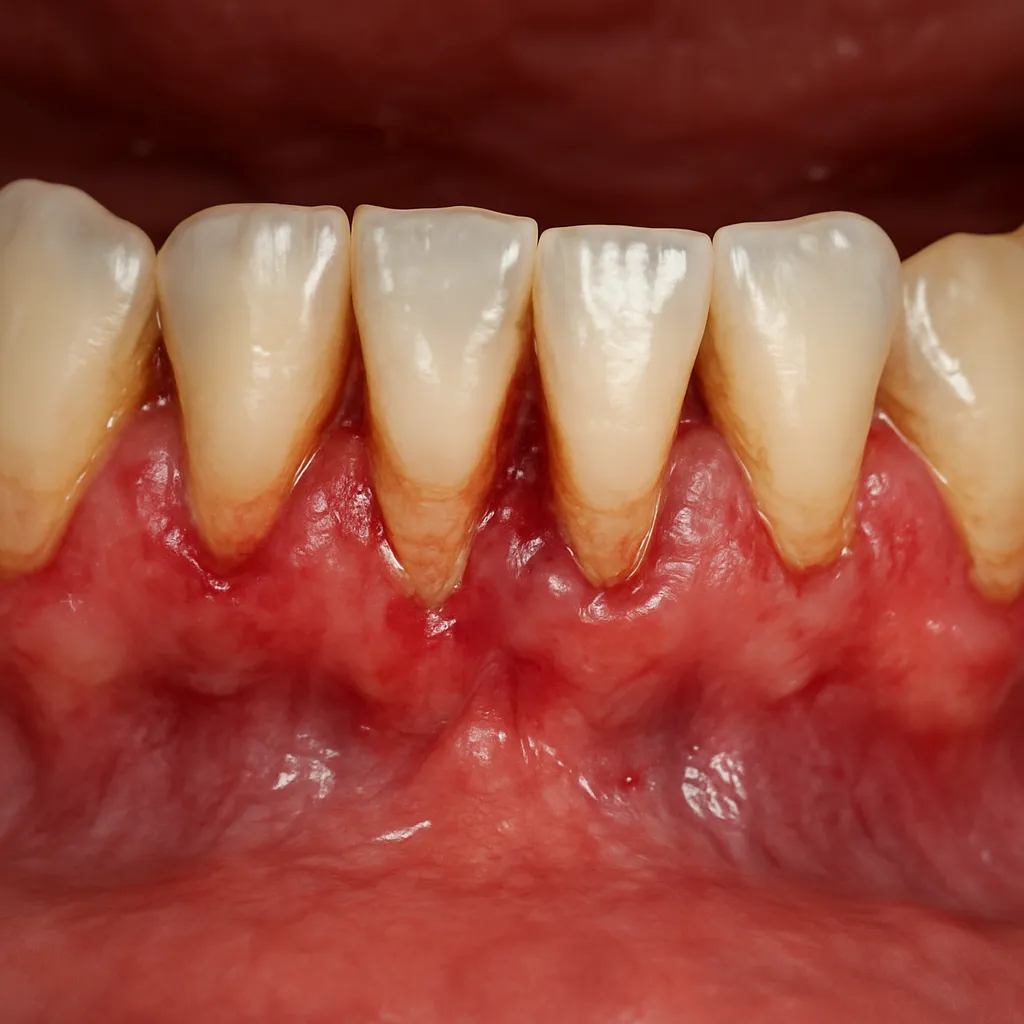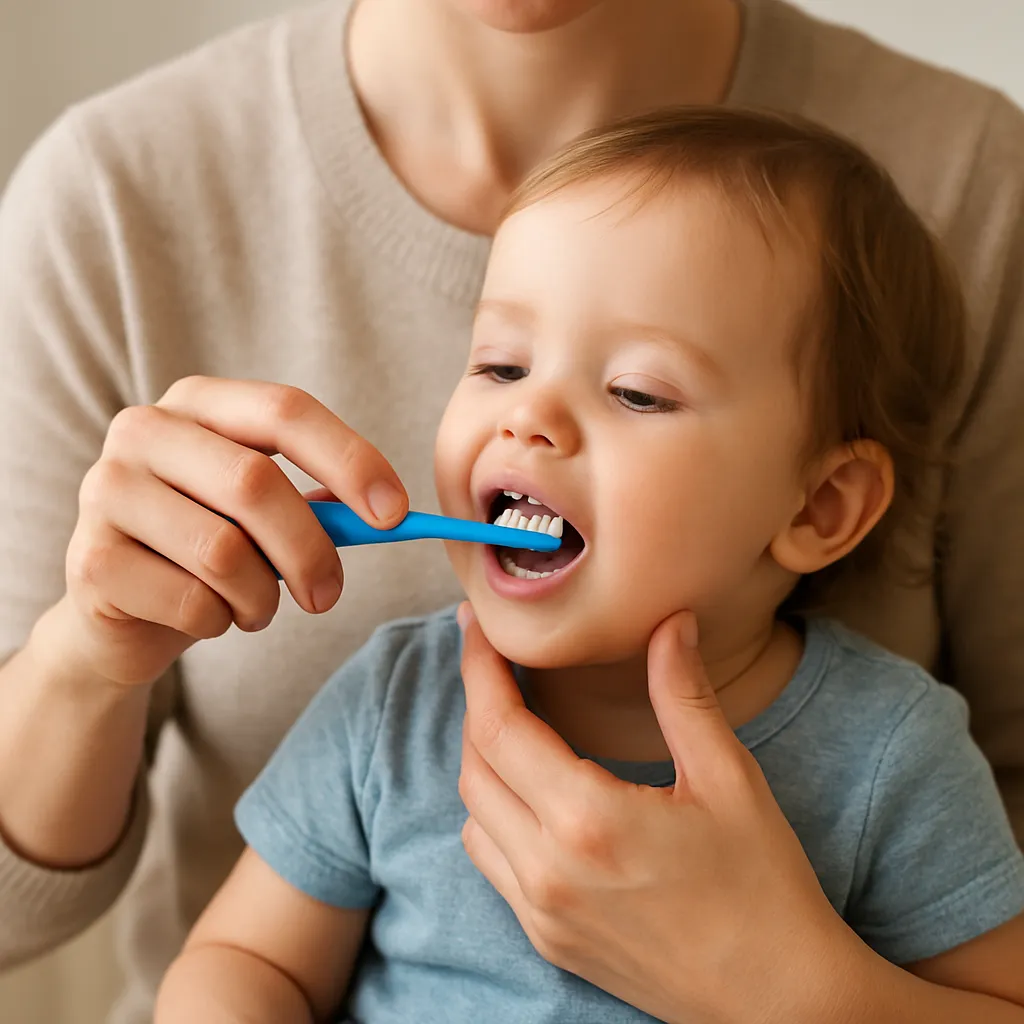
Teaching young children to brush properly lays the groundwork for a lifetime of healthy smiles and strong oral health. Introducing gentle cleaning techniques at an early age helps reduce plaque accumulation, prevents cavities, and fosters confidence in dental care. Parents and caregivers can turn brushing into a routine that combines fun, education, and positive reinforcement. By understanding the unique aspects of a toddler’s mouth and choosing the right tools, every brushing session becomes an opportunity to nurture good habits, strengthen the relationship between child and caregiver, and protect delicate tooth enamel from early decay.
Understanding Toddler Oral Development
A toddler’s mouth undergoes rapid changes as primary teeth erupt one by one, typically beginning around six months and completing by age three. These small, white crowns serve as placeholders for permanent teeth and are surprisingly vulnerable to acid attacks from leftover food and sugary liquids. Bacteria feed on sugars, creating acids that erode enamel and inflame the gum tissue. Recognizing the stages of dental development helps parents identify sensitive areas, monitor teething discomfort, and adjust brushing techniques. A mindful approach respects a toddler’s limited attention span and sensitivity, emphasizing short, positive sessions over lengthy routines.
Preparing for the Brushing Session
Establishing a comfortable environment sets the stage for success. Gather a soft-bristled toothbrush designed for small mouths, fluoride toothpaste in a pea-sized amount, and a clean cup of water for rinsing. Let your child explore the brush first: allow them to hold it, sniff it, or practice on a doll. This early exposure reduces anxiety and builds trust. Position your toddler on your lap or in a stable, well-supported seat. Use the “knee-to-knee” hold if needed—sit facing each other and lean heads together so you can see all tooth surfaces. Throughout the process, maintain eye contact, speak calmly, and celebrate each small achievement.
Brushing Techniques: A Step-by-Step Guide
- Step 1: Apply a rice-grain–sized smear of fluoride toothpaste to the toothbrush. Fluoride strengthens enamel and helps prevent cavities.
- Step 2: Angle the brush at 45 degrees toward the gum line. Gently move in small, circular strokes to dislodge plaque and food particles.
- Step 3: Brush the outer surfaces of upper and lower teeth, then the inner surfaces. Count to ten on each side to ensure thorough cleaning.
- Step 4: Clean the chewing surfaces with back-and-forth motions. These surfaces often trap food in pits and fissures.
- Step 5: Finish with a quick pass across the tongue to remove lingering bacteria and provide fresh breath.
Throughout brushing, maintain a soft grip and gentle pressure. Avoid scrubbing vigorously, which can damage sensitive gums. If your child becomes restless, pause, offer praise, and resume once calm. Consistency and patience go hand in hand—over time, even brief sessions yield significant benefits.
Choosing the Right Tools
Not all toothbrushes and toothpastes are created equal. Look for brushes with small heads, soft bristles, and non-slip handles tailored for tiny hands. When selecting toothpaste, choose a sugar-free formula with the American Dental Association seal to guarantee the right fluoride concentration. Some brands offer natural flavors like mild fruit or vanilla to minimize fuss. For toddlers who swallow paste, consider specially formulated training pastes with safe levels of fluoride or fluoride-free options recommended by your dentist.
Building Positive Dental Habits
Regular, enjoyable experiences foster a positive dental attitude. Turn brushing into a game: sing a favorite two-minute song, let your child choose a sticker after each session, or use a reward chart. Reading books about toothbrushing or watching short educational videos can reinforce the importance of oral care. Encourage your toddler to brush independently first, then “finish the job” yourself. This cooperative approach empowers them while ensuring effective cleaning. Over time, this blend of autonomy and guidance strengthens their sense of ownership and leads to better long-term consistency.
The Role of Your Pediatric Professional
Scheduling visits with a pediatric dentist every six months ensures expert monitoring of dental milestones, growth patterns, and potential issues. During these appointments, the professional will examine your child’s teeth, apply fluoride varnish, and offer personalized tips for improving at-home care. They can also address concerns about thumb-sucking, teething pain, or early signs of decay. Collaboration between parents and pediatric practitioners fosters a supportive network. When your toddler sees the dentist as a friendly partner in health, dental visits become familiar and stress-free events.
Troubleshooting Common Challenges
Many toddlers resist toothbrushing at some point. If your child cries, try distracting them with a favorite toy or brushing in front of a mirror together. Siblings can demonstrate proper technique under supervision, turning the experience into a shared activity. For toddlers who gag easily, reduce the toothpaste amount and move the brush more slowly. If teething discomfort hinders brushing, apply a cool, damp washcloth to sore gums before cleaning. Always stay calm and reassuring—children pick up on tension, so a relaxed parent helps create a secure atmosphere.
Maintaining Oral Health Beyond Brushing
Effective oral hygiene extends beyond the bristles. Limit sugary beverages and starchy snacks, focusing on water, fresh fruits, and vegetables. Introduce healthy finger foods like apple slices, cheese cubes, and whole-grain crackers to promote natural cleaning as your toddler chews. Encourage drinking from a cup instead of a bottle to reduce prolonged exposure to liquids containing sugars. By minimizing frequent snacks and providing balanced meals, you decrease the fuel available for harmful bacteria that cause cavities and foster a mouth environment where healthy teeth can thrive.
Empowering Lifelong Smiles
Establishing a solid foundation in early childhood sets the tone for oral health in adolescence and adulthood. Through gentle guidance, age-appropriate tools, and collaborative visits to the pediatric dental office, you can impart the value of smiling, speaking, and chewing without pain or fear. Celebrate progress, no matter how small, and reinforce successes with praise. By modeling good habits yourself—flossing after dinner, attending regular checkups—you demonstrate the importance of caring for every tooth. With dedication, fluoride support, and expert partnership, you’ll help your toddler embrace dental care as a natural, positive part of daily life.