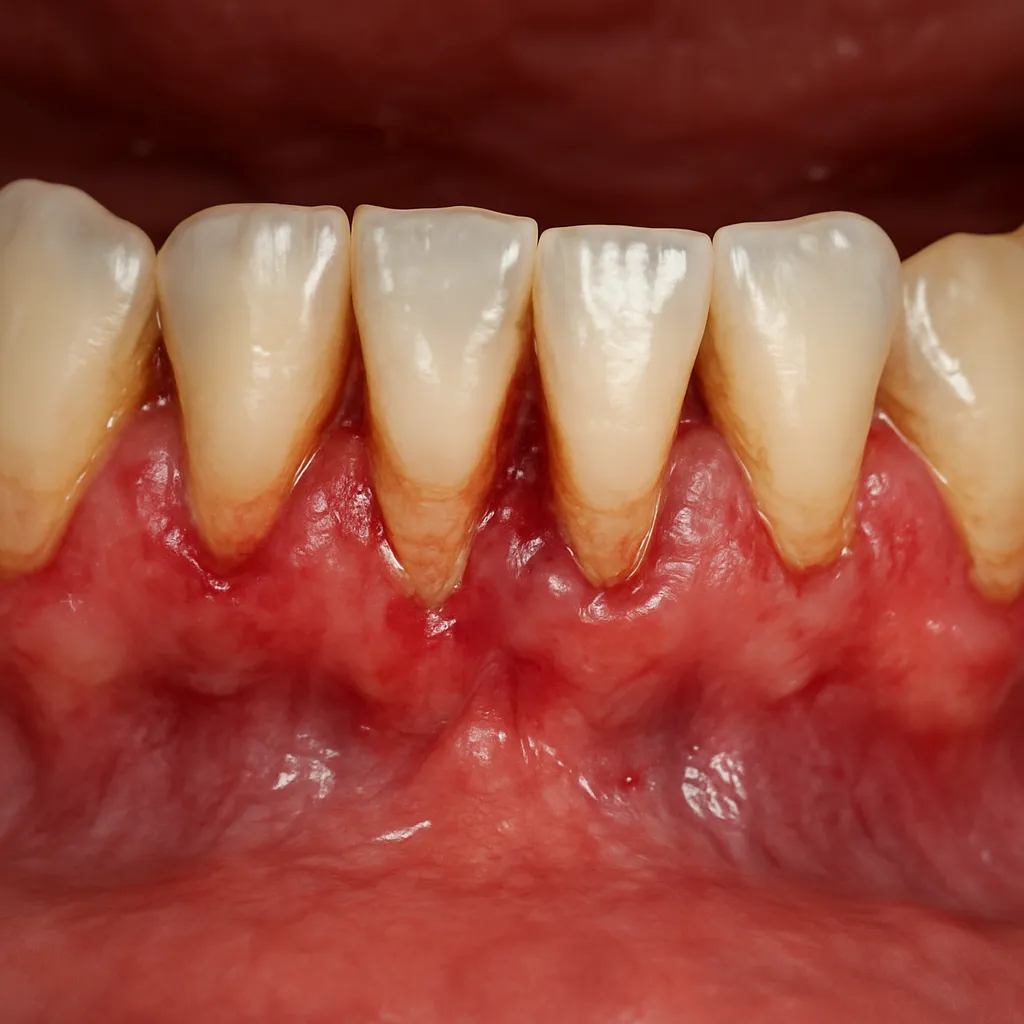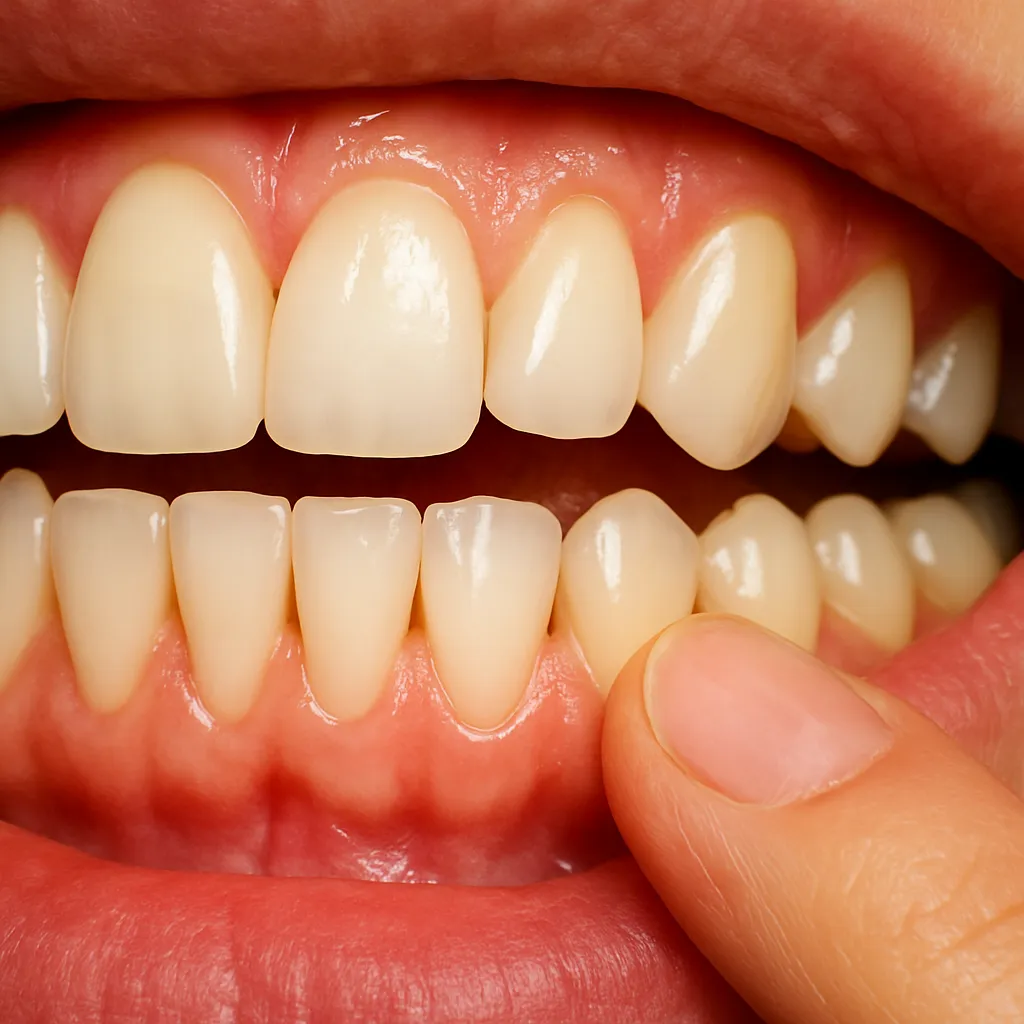
Gum recession is a common dental concern that affects millions of people worldwide. When the margin of the gum tissue surrounding the teeth wears away or pulls back, it exposes more of the tooth or its root. This condition not only impacts the appearance of your smile but can also lead to heightened sensitivity, increased risk of decay, and potential tooth loss if left untreated. Understanding the underlying factors and appropriate interventions is key to preserving oral health and achieving a confident smile.
Understanding Gum Recession
Before exploring treatment options, it’s essential to grasp the fundamentals of gum recession. Recognizing why and how this condition develops helps in devising effective prevention and management strategies.
What Causes Gums to Recede
- Poor oral hygiene: Inadequate brushing and flossing allow plaque and tartar to accumulate, leading to gingivitis and eventually periodontitis.
- Aggressive brushing: Using a hard-bristled toothbrush or brushing too vigorously can wear down enamel and damage gum tissue.
- Genetic predisposition: Some individuals have naturally thinner gums or a family history of gum disease, making them more susceptible to recession.
- Hormonal changes: Fluctuations during pregnancy, menopause, or puberty can increase gum sensitivity and risk of recession.
- Smoking and tobacco use: Nicotine restricts blood flow to gums, impairing healing and increasing the likelihood of damage.
- Misaligned teeth or bruxism: Excessive grinding or improper bite forces place undue stress on gums and supporting bone.
Recognizing Early Signs
Early detection can prevent progression and allow for minimally invasive treatments. Watch for:
- Sensitivity to hot, cold, sweet, or acidic foods and beverages due to exposed tooth roots.
- Visible lengthening of teeth, creating an uneven gum line.
- Notches or grooves near the gum line on multiple teeth.
- Bleeding or swollen gums, especially when brushing or flossing.
- A persistent bad taste or odor in the mouth, signaling bacterial buildup.
Preventive Measures and Daily Practices
Adopting a consistent oral care routine and lifestyle adjustments can significantly reduce the risk of gum recession. These strategies empower you to maintain healthy gums and avert further damage.
Oral Hygiene Routine
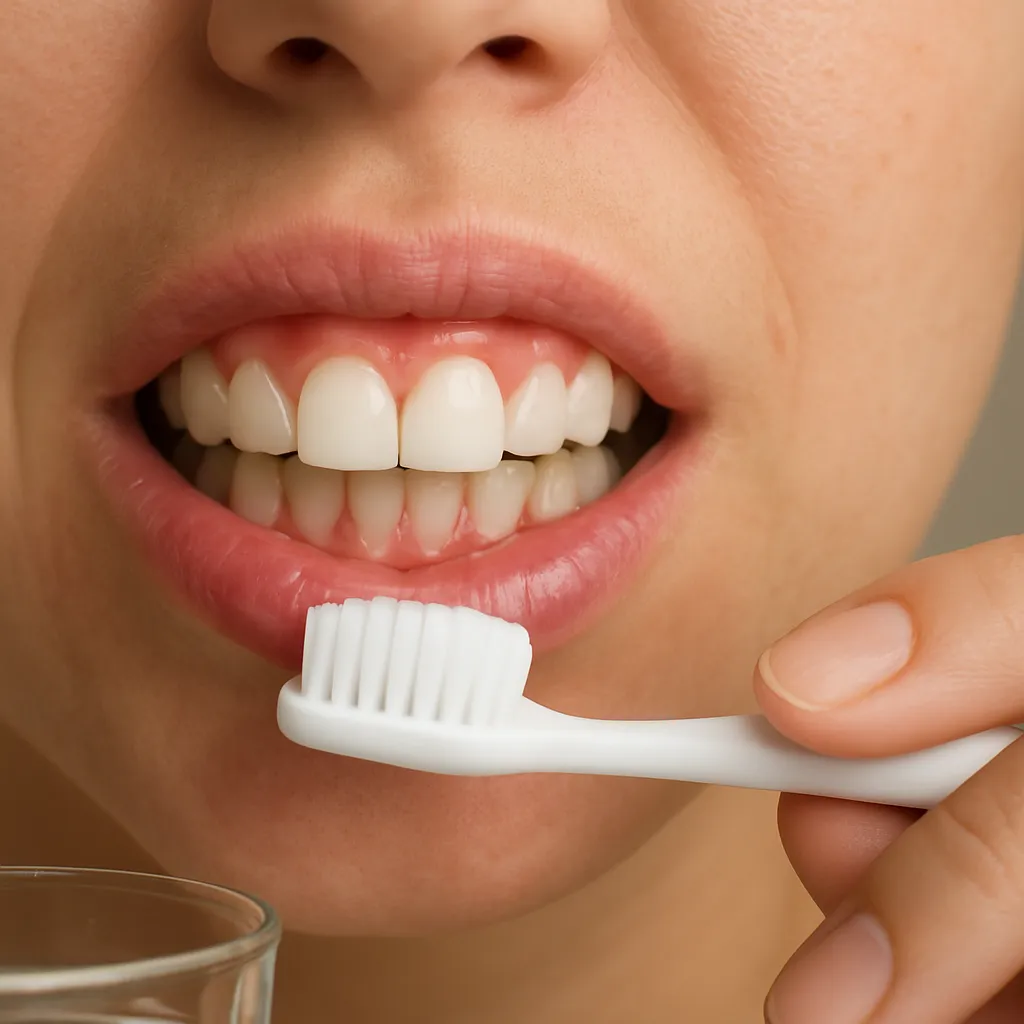
- Select a soft-bristled toothbrush and replace it every three months to ensure gentle cleaning without harming gum tissue.
- Use the proper brushing technique: hold the brush at a 45-degree angle, apply gentle pressure, and use short, circular strokes.
- Incorporate flossing or interdental brushes daily to remove plaque between teeth, where a toothbrush can’t reach.
- Rinse with an antiseptic mouthwash to reduce bacteria and soothe inflamed gums.
- Consider an electric toothbrush with pressure sensors to prevent overbrushing.
Diet and Lifestyle
- Consume a balanced diet rich in calcium, vitamin C, and antioxidants to support gum health and collagen production.
- Limit acidic and sugary foods that erode enamel and promote bacterial growth.
- Stay hydrated to maintain saliva flow, which naturally cleanses the mouth and neutralizes acids.
- Avoid tobacco products and excessive alcohol, both of which impair gum tissue repair and foster harmful bacteria.
- Manage stress through exercise or mindfulness, as stress can trigger clenching or grinding of teeth (bruxism).
Professional Treatments and Advanced Care
When preventive measures are insufficient or recession has advanced, professional intervention becomes necessary. Dentists and periodontists offer a range of treatments to halt progression and restore gum health.
Non-surgical Procedures
- Scaling and root planing: Deep-cleaning beneath the gum line removes plaque and tartar, smooths root surfaces, and promotes reattachment of gum tissue.
- Antibiotic therapy: Topical or systemic antibiotics help eliminate persistent infection and reduce inflammation.
- Laser therapy: Minimally invasive lasers target diseased tissue, disinfect pockets, and stimulate gum reattachment without extensive surgery.
Surgical Options
For more severe cases, surgical intervention may be recommended to repair and reconstruct gum tissue.
- Gum grafting: Soft tissue is harvested from another area of the mouth (or a donor source) and attached to areas with recession to cover exposed roots.
- Pinhole surgical technique: A small hole is made above the recession, allowing special instruments to loosen and reposition existing gum tissue over the exposed root.
- Regenerative procedures: Guided tissue regeneration uses barrier membranes or growth factors to stimulate bone and tissue regrowth around teeth.
When to Consult a Dentist
If you notice persistent sensitivity, gum bleeding, or visible recession, schedule an appointment promptly. Early evaluation and customized treatment plans can prevent irreversible damage and preserve your smile.
Home Remedies and Supportive Therapies
In conjunction with professional care, certain home remedies and supportive therapies can alleviate discomfort and promote healing. Always discuss these options with your dentist before proceeding.
- Saltwater rinse: Dissolve half a teaspoon of salt in warm water and rinse for 30 seconds to reduce bacteria and soothe inflamed gums.
- Aloe vera gel: Known for its anti-inflammatory properties, applying a small amount of pure gel to gums may help reduce irritation.
- Coconut oil pulling: Swishing a tablespoon of coconut oil for 10–15 minutes can decrease harmful bacteria and improve overall oral hygiene.
- Chamomile or green tea: Drinking these antioxidant-rich teas supports gum health and can reduce inflammation.
- Vitamin supplements: Consider supplements containing vitamin C, coenzyme Q10, or omega-3 fatty acids to bolster gum tissue repair.
Addressing gum recession promptly through accurate diagnosis, consistent oral care, and appropriate treatments can help you maintain a healthy, attractive smile. Combining daily preventive habits with professional guidance offers the best defense against further gum loss and associated complications.